
In today’s interconnected world, global supply chains are more complex than ever, making them susceptible to a myriad of risks. These risks can stem from various sources, including geopolitical tensions, natural disasters, economic fluctuations, and technological disruptions. Understanding these risks is crucial for businesses that rely on a seamless flow of goods and services across borders.
The intricacies of global supply chains mean that a disruption in one part of the world can have cascading effects, impacting production schedules, inventory levels, and ultimately, customer satisfaction. Moreover, the COVID-19 pandemic has underscored the vulnerabilities inherent in global supply chains. Companies that once operated under the assumption that their supply chains were robust and reliable were forced to confront the reality of sudden shutdowns and logistical challenges.
This has led to a heightened awareness of the need for risk assessment and management strategies.
Key Takeaways
- Global supply chain risks are complex and can be influenced by a wide range of factors including geopolitical, economic, environmental, and technological issues.
- Potential risks in the supply chain can include natural disasters, political instability, economic downturns, and disruptions in transportation and logistics.
- Global events such as pandemics, trade wars, and natural disasters can have a significant impact on the supply chain, leading to delays, shortages, and increased costs.
- Implementing risk management strategies such as diversifying suppliers, creating contingency plans, and leveraging technology can help mitigate supply chain risks.
- Building resilience in the supply chain involves developing flexible and agile processes, as well as fostering a culture of risk awareness and proactive management.
Identifying Potential Risks in the Supply Chain
Identifying potential risks within the supply chain is the first step toward effective risk management. Businesses must conduct thorough assessments to pinpoint vulnerabilities that could disrupt operations. These risks can be categorized into several types: operational, financial, reputational, and environmental.
Operational risks may include supplier failures, transportation delays, or quality control issues. Financial risks often arise from currency fluctuations or changes in trade policies that can affect costs and pricing strategies. In addition to these traditional categories, companies must also consider emerging risks such as cyber threats and climate change.
Cybersecurity breaches can compromise sensitive data and disrupt operations, while climate-related events can lead to physical damage to infrastructure or supply sources. By employing a comprehensive risk identification framework, organizations can better prepare for potential disruptions and develop strategies to mitigate their impact.
Assessing the Impact of Global Events on the Supply Chain

Global events can have profound implications for supply chains, often in ways that are difficult to predict. For instance, political instability in one region can lead to trade restrictions or sanctions that affect the availability of critical materials. Similarly, natural disasters such as hurricanes or earthquakes can disrupt transportation networks and damage facilities, leading to delays and increased costs.
Assessing the impact of these events requires a nuanced understanding of both the immediate effects and the longer-term consequences. Furthermore, businesses must consider how global events can alter consumer behavior and demand patterns. For example, during economic downturns, consumers may shift their purchasing habits, leading to fluctuations in demand for certain products.
Companies that fail to anticipate these changes may find themselves with excess inventory or stockouts, both of which can harm their bottom line. By conducting regular assessments of global events and their potential impacts on supply chains, organizations can make informed decisions that enhance their agility and responsiveness.
Implementing Risk Management Strategies
| Metrics | Definition | Importance |
|---|---|---|
| Risk Identification | Process of identifying potential risks that could impact the project or organization | Crucial for understanding potential threats and opportunities |
| Risk Assessment | Evaluating the identified risks in terms of their likelihood and impact | Helps prioritize risks and allocate resources effectively |
| Risk Mitigation | Developing and implementing strategies to reduce the impact or likelihood of risks | Minimizes the negative effects of risks on the project or organization |
| Risk Monitoring | Continuously tracking and reviewing risks throughout the project or organization | Ensures that risk management strategies remain effective and relevant |
Once potential risks have been identified and assessed, organizations must implement effective risk management strategies to mitigate their impact. This involves developing a comprehensive risk management plan that outlines specific actions to address identified vulnerabilities. Strategies may include diversifying suppliers to reduce dependency on a single source, investing in inventory buffers to absorb shocks, or enhancing logistics capabilities to improve responsiveness.
Additionally, organizations should prioritize communication and collaboration across their supply chain networks. Establishing clear lines of communication with suppliers and partners can facilitate quicker responses to emerging risks. Regularly reviewing and updating risk management strategies is also essential, as the landscape of global supply chains is constantly evolving.
By fostering a proactive approach to risk management, businesses can enhance their resilience and maintain operational continuity even in the face of challenges.
Building Resilience in the Supply Chain
Building resilience within the supply chain is essential for organizations seeking to thrive in an unpredictable environment. Resilience refers to the ability of a supply chain to adapt to disruptions while maintaining functionality. This can be achieved through various means, including investing in flexible manufacturing processes, establishing alternative sourcing options, and enhancing visibility across the supply chain.
By envisioning different potential disruption scenarios—such as natural disasters, geopolitical conflicts, or pandemics—organizations can develop tailored responses that enable them to navigate challenges more effectively. Additionally, fostering a culture of innovation within the organization encourages teams to explore new solutions and technologies that can enhance supply chain resilience.
Developing Contingency Plans for Supply Chain Disruptions
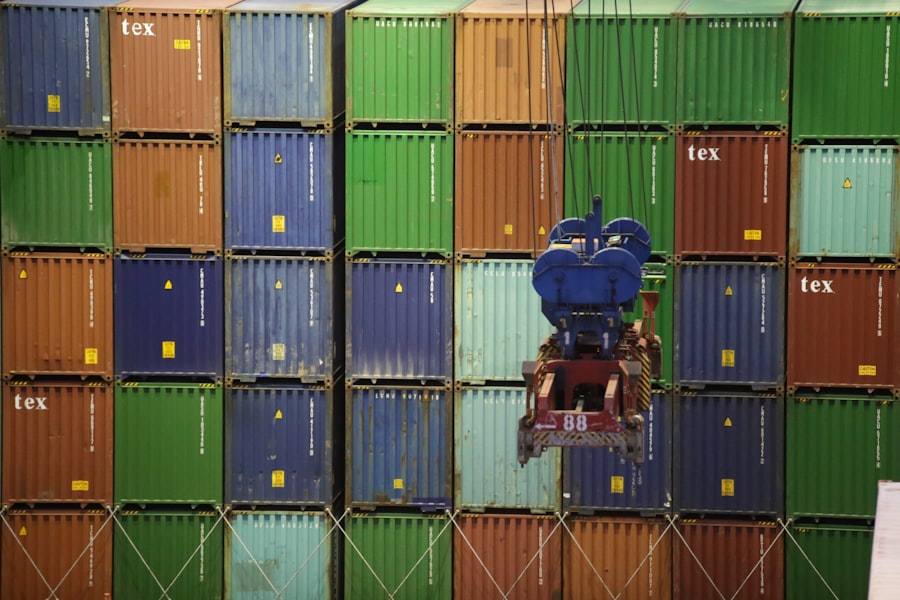
Contingency planning is a critical component of effective supply chain management. Organizations must develop detailed contingency plans that outline specific actions to take in response to various types of disruptions. These plans should include clear roles and responsibilities for team members, communication protocols, and predefined response strategies.
Moreover, contingency plans should be regularly tested and updated to ensure their effectiveness in real-world scenarios. Conducting simulation exercises can help teams practice their responses and identify areas for improvement. By having well-defined contingency plans in place, organizations can minimize downtime and maintain customer satisfaction even during challenging times.
Leveraging Technology to Mitigate Supply Chain Risks
In an era where technology plays a pivotal role in business operations, leveraging advanced technologies can significantly mitigate supply chain risks. Tools such as artificial intelligence (AI), machine learning, and blockchain offer innovative solutions for enhancing visibility and efficiency within supply chains. For instance, AI-driven analytics can provide real-time insights into inventory levels and demand patterns, enabling organizations to make data-driven decisions.
Blockchain technology also holds promise for improving transparency and traceability within supply chains. By creating an immutable record of transactions, blockchain can help organizations verify the authenticity of products and ensure compliance with regulations. Embracing these technologies not only enhances risk mitigation efforts but also positions organizations for long-term success in an increasingly competitive landscape.
Collaborating with Suppliers and Partners to Manage Risks
Collaboration with suppliers and partners is essential for effective risk management in the supply chain. Building strong relationships fosters trust and open communication, enabling organizations to work together to address potential risks proactively. Collaborative efforts may include sharing information about market trends, demand forecasts, and potential disruptions.
Additionally, organizations should consider establishing joint risk management initiatives with key suppliers. This could involve co-developing contingency plans or investing in shared resources that enhance resilience across the supply chain network. By fostering a collaborative approach to risk management, businesses can create a more robust supply chain ecosystem that is better equipped to navigate challenges.
Monitoring and Evaluating Supply Chain Risks
Continuous monitoring and evaluation of supply chain risks are vital for maintaining operational effectiveness. Organizations should establish key performance indicators (KPIs) that track risk exposure and performance metrics related to supply chain resilience. Regularly reviewing these metrics allows businesses to identify emerging risks early and adjust their strategies accordingly.
Moreover, leveraging data analytics tools can enhance monitoring efforts by providing real-time insights into supply chain performance. By analyzing trends and patterns in data, organizations can gain a deeper understanding of potential vulnerabilities and make informed decisions about risk mitigation strategies. This proactive approach ensures that businesses remain agile and responsive in an ever-changing global landscape.
Adapting to Changing Global Conditions
The ability to adapt to changing global conditions is crucial for organizations operating within complex supply chains. Factors such as shifts in consumer preferences, regulatory changes, or economic fluctuations can all impact supply chain dynamics. Businesses must remain vigilant and flexible in their operations to respond effectively to these changes.
One way organizations can enhance adaptability is by fostering a culture of continuous improvement. Encouraging teams to seek out innovative solutions and embrace change can lead to more agile operations. Additionally, staying informed about global trends and developments allows businesses to anticipate changes and adjust their strategies proactively.
Creating a Culture of Risk Awareness and Proactive Management in the Supply Chain
Finally, creating a culture of risk awareness within the organization is essential for effective supply chain management. This involves instilling a mindset among employees that prioritizes proactive risk identification and mitigation efforts at all levels of the organization. Training programs focused on risk management principles can empower employees to recognize potential threats and contribute to developing solutions.
Leadership plays a critical role in fostering this culture by promoting open communication about risks and encouraging collaboration across departments. By embedding risk awareness into the organizational culture, businesses can create a resilient supply chain capable of navigating uncertainties while maintaining operational excellence. In conclusion, understanding global supply chain risks is paramount for organizations seeking success in today’s dynamic environment.
By identifying potential risks, assessing their impacts, implementing effective management strategies, building resilience, developing contingency plans, leveraging technology, collaborating with partners, monitoring risks continuously, adapting to changing conditions, and fostering a culture of awareness—businesses can position themselves for sustainable growth amidst uncertainty.
In the ever-evolving landscape of global supply chain risk management, understanding the geographical intricacies and potential disruptions is crucial for businesses aiming to maintain resilience and efficiency. A related article that delves into these challenges can be found on MyGeoQuest, which offers insights into how geographical data and analysis can aid in mitigating risks associated with global supply chains. For more detailed information, you can explore the article by visiting this page. This resource provides valuable perspectives on leveraging geographic information systems (GIS) to enhance supply chain strategies and ensure continuity in the face of unforeseen disruptions.
WATCH THIS! One Narrow Strait Holds Global Economy Hostage
FAQs
What is global supply chain risk management?
Global supply chain risk management refers to the process of identifying, assessing, and mitigating potential risks and disruptions within a company’s supply chain that could impact the flow of goods, services, or information.
Why is global supply chain risk management important?
Global supply chain risk management is important because it helps companies anticipate and prepare for potential disruptions such as natural disasters, geopolitical events, economic downturns, and supplier failures. By proactively managing these risks, companies can minimize the impact on their operations and maintain business continuity.
What are some common risks in global supply chains?
Common risks in global supply chains include natural disasters, political instability, economic volatility, supplier disruptions, transportation delays, quality control issues, and cybersecurity threats.
How can companies mitigate global supply chain risks?
Companies can mitigate global supply chain risks by diversifying their supplier base, conducting thorough risk assessments, implementing robust contingency plans, investing in technology for real-time visibility and tracking, and fostering strong relationships with suppliers and partners.
What are the benefits of effective global supply chain risk management?
The benefits of effective global supply chain risk management include improved operational resilience, reduced costs associated with disruptions, enhanced customer satisfaction, better decision-making, and a competitive advantage in the marketplace.