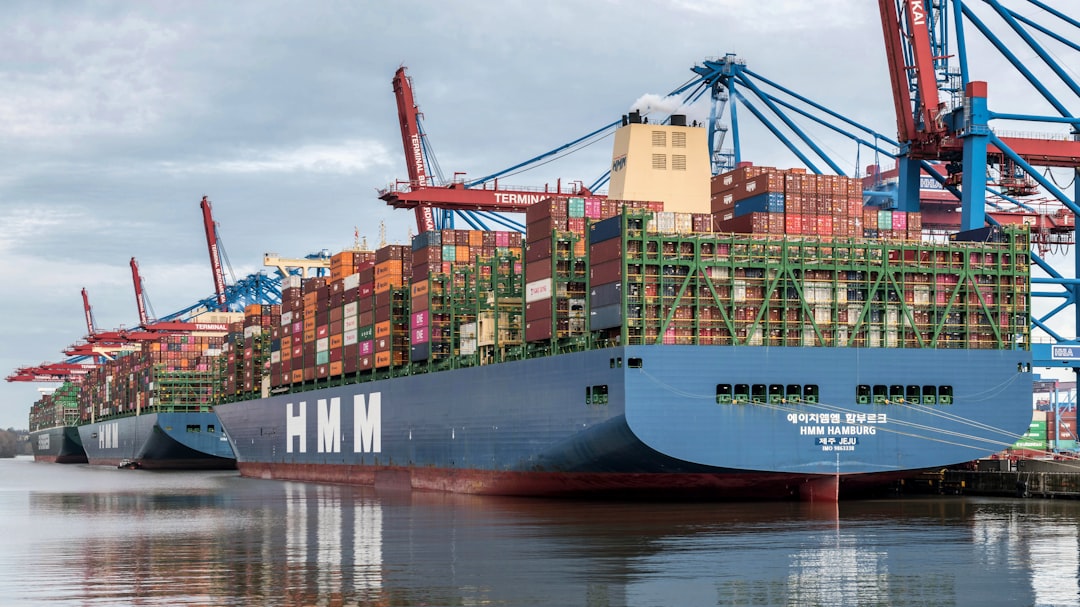
The currents of global trade are rarely smooth, but persistent inflation has transformed the typically turbulent waters of maritime logistics into a storm-tossed sea. For businesses reliant on the efficient movement of goods across oceans, understanding and adapting to the multifaceted challenges posed by a high-inflation environment is no longer a strategic advantage, but a fundamental necessity for survival. This article delves into the intricate ways in which global inflation impacts maritime logistics, highlighting the key obstacles and potential pathways for navigation.
The interconnectedness of the global economy means that inflation, like a ripple effect, emanates outwards, touching every facet of the supply chain. Maritime logistics, as the backbone of international commerce, bears a significant brunt of these inflationary pressures. From the initial cost of raw materials to the final mile delivery, every stage can be acutely affected by rising prices, creating a complex web of challenges for all stakeholders.
The Escalating Cost of Fuel: A Direct Hit to Operations
The cost of fuel is arguably the most direct and substantial inflationary pressure impacting maritime logistics. Shipping, by its very nature, is an energy-intensive industry. Fuel, primarily marine bunker fuel, represents a significant portion of a vessel’s operating expenses. When the price of oil, and consequently bunker fuel, surges due to inflation, the impact is immediate and profound.
Bunker Fuel Price Volatility and its Ramifications
The price of bunker fuel is not a static entity. It is subject to global market dynamics, geopolitical events, and the broader inflationary environment. During periods of high inflation, this volatility intensifies. Fluctuations in fuel prices can lead to significant unpredictability in shipping costs, making it difficult for companies to forecast and budget effectively. This uncertainty can paralyze investment decisions and necessitate swift adjustments to pricing strategies.
- Increased Operating Expenses: A direct consequence of rising bunker fuel prices is the immediate increase in operating expenses for shipping lines. This cost is often passed on to customers in the form of surcharges, such as the Bunker Adjustment Factor (BAF).
- Impact on Freight Rates: Freight rates, the price charged for transporting goods, are heavily influenced by fuel costs. When fuel prices climb, freight rates tend to follow suit, directly increasing the cost of moving goods from origin to destination. This can make previously cost-effective shipping routes economically unviable.
- Squeeze on Profit Margins: For shipping companies, particularly smaller operators, the inability to fully absorb rising fuel costs can lead to significantly squeezed profit margins. This can impede their ability to invest in necessary upgrades, maintenance, or sustainable technologies.
- Shift to More Fuel-Efficient Vessels (Long-Term Strategy): While a short-term response might involve passing costs onto customers, the long-term strategy for many shipping companies involves investing in more fuel-efficient vessels. However, the upfront capital required for such investments can be prohibitive, especially in an inflationary climate where access to capital may be more restricted and financing costs are higher.
The Geopolitical Influence on Fuel Prices
It is crucial to acknowledge that fuel prices are not solely dictated by market forces. Geopolitical tensions and conflicts can create supply disruptions and price shocks, exacerbating inflationary pressures. For instance, events impacting major oil-producing regions can send tremors through the global energy markets, directly impacting the cost of maritime operations.
In recent discussions about maritime logistics and its impact on global inflation, an insightful article titled “Navigating the Waves: How Maritime Logistics Influences Global Inflation Trends” can be found at MyGeoQuest. This article delves into the intricate relationship between shipping costs, supply chain disruptions, and inflationary pressures worldwide, highlighting the critical role that maritime logistics plays in the global economy.
Rising Labor Costs: A Growing Burden on the Workforce
Inflationary pressures extend beyond the tangible costs of fuel and maintenance to encompass the human element of the maritime industry. The cost of labor, encompassing everything from port workers to vessel crews, is also subject to inflationary increases. As the cost of living rises for individuals, so too does the demand for higher wages, placing an additional burden on the operational budgets of shipping companies.
Wage Expectations and Negotiations
The expectation of workers to maintain their purchasing power in the face of rising inflation directly translates into increased wage demands. Labor unions and employee groups often engage in negotiations with employers to secure wage increases that reflect the current economic reality.
- Crew Costs: The wages and benefits of seafarers constitute a significant portion of a vessel’s operating costs. Inflationary pressures can lead to demands for higher salaries, improved benefits, and better living conditions, all of which contribute to increased operational expenses.
- Port Labor Costs: Similarly, port workers, including stevedores, crane operators, and logistics personnel, are also affected by inflation. Wage negotiations in these sectors can lead to increased costs for loading and unloading cargo, impacting the overall cost of port services.
- Skill Shortages and Inflationary Wage Premiums: In certain regions, the maritime industry may already face skill shortages. Inflation can further exacerbate these shortages by driving up the cost of attracting and retaining skilled labor. Companies may find themselves needing to offer significant inflationary wage premiums to secure the necessary talent.
Impact on Service Quality and Efficiency
While increased wages can be seen as a positive for workers, the inflationary pressure on labor costs can create difficult choices for employers. In some instances, companies might delay essential maintenance or reduce staffing levels to offset rising labor expenses. This can have a detrimental effect on service quality, leading to delays and potential safety concerns.
Increased Costs of Goods and Services Across the Supply Chain
Maritime logistics is not an isolated system; it is an integral part of a much larger, interconnected global supply chain. Inflationary pressures do not selectively target fuel or labor; they permeate through the entire chain, driving up the cost of every component and service involved in moving goods.
Raw Material and Manufacturing Costs
The production of goods that are shipped internationally is itself impacted by inflation. The cost of raw materials, components, and manufacturing processes all rise.
- Component Pricing: For example, the cost of steel used in shipbuilding or container manufacturing can increase due to inflation in the mining and metal processing industries.
- Manufacturing Inputs: Energy costs, labor, and other inputs for factories producing goods for export will also be subject to inflationary pressures, leading to higher product prices.
Equipment and Technology Investments
The equipment and technology used in maritime logistics are also susceptible to rising costs.
- Container Prices: The price of shipping containers, while experiencing its own unique market dynamics, is also influenced by the cost of steel and manufacturing, both of which can be affected by inflation.
- Port Infrastructure Development: Inflation can significantly increase the cost of developing and maintaining port infrastructure, such as cranes, terminals, and warehousing facilities. This can lead to delays in critical infrastructure upgrades and expansions.
- Technological Advancements: Investments in advanced technologies, such as AI-powered logistics platforms, autonomous vessels, or smart port solutions, become more expensive in an inflationary environment, potentially slowing down the adoption of innovation.
Insurance Premiums and Risk Management
The cost of insurance is another critical factor in maritime logistics that is sensitive to inflation and broader economic risks.
- Increased Premiums: Insurance providers often adjust their premiums to reflect the rising costs of claims, which are themselves influenced by inflation impacting repair costs, labor, and the value of insured goods.
- Higher Risk Perception: Periods of high inflation can also be accompanied by increased economic uncertainty and geopolitical instability, leading insurers to perceive a higher risk profile and adjust premiums accordingly.
Disruptions and Delays: The Domino Effect of Inflationary Pressures
Inflationary pressures do not operate in a vacuum; they create a ripple effect of disruptions and delays throughout the maritime logistics network. When one element of the supply chain experiences increased costs or bottlenecks, it inevitably impacts other segments.
Port Congestion and Inefficiencies
Rising costs can manifest as port congestion, a perennial challenge for maritime logistics.
- Reduced Port Productivity: When shipping lines are hesitant to incur higher operational costs, they might slow down vessel speeds or reduce the frequency of calls, leading to fewer ships being processed at ports. Conversely, if cargo owners are experiencing higher costs, they might hold onto inventory longer, further backing up port operations.
- Labor Shortages: Inflationary pressures on wages can contribute to labor shortages at ports, as companies struggle to attract and retain workers. This can lead to slower cargo handling and increased dwell times.
- Inadequate Infrastructure: If the cost of expanding and maintaining port infrastructure is prohibitively high due to inflation, ports may struggle to keep pace with demand, leading to chronic congestion.
Supply Chain Fragility Exposed
Periods of high inflation often expose the inherent fragility of global supply chains, which have been optimized for efficiency and cost-effectiveness, sometimes at the expense of resilience.
- “Just-in-Time” Vulnerabilities: The lean, “just-in-time” (JIT) inventory models, popular for their cost-saving benefits, become particularly vulnerable during inflationary periods. Any disruption, such as delayed shipments due to rising costs or port congestion, can quickly lead to stockouts and production halts.
- Geographical Dependencies: Over-reliance on specific manufacturing regions or sourcing raw materials from volatile markets becomes a significant risk when inflation exacerbates price fluctuations and geopolitical uncertainties.
The Impact on Lead Times and Inventory Management
The consequences of these disruptions are increased lead times for goods and greater challenges in managing inventory effectively.
- Extended Delivery Periods: Longer transit times and delays at ports directly translate into extended lead times for end customers, making it harder for businesses to meet delivery commitments.
- Increased Inventory Holding Costs: To mitigate the risk of stockouts due to delays, businesses may be compelled to hold larger inventories. This, however, incurs higher storage and capital costs, a direct conflict with the initial goal of optimizing costs.
As global inflation continues to impact various sectors, the maritime logistics industry is facing significant challenges in adapting to rising costs and supply chain disruptions. A recent article discusses how these economic pressures are reshaping shipping strategies and influencing freight rates. For more insights on this topic, you can read the full article here: maritime logistics and global inflation. Understanding these dynamics is crucial for businesses aiming to navigate the complexities of international trade in today’s economic climate.
Strategic Responses and Navigational Aids for Businesses
Navigating this treacherous inflationary environment requires a proactive and multifaceted approach from businesses involved in maritime logistics. Simply weathering the storm is not enough; adaptation and strategic maneuvering are paramount.
Diversification of Supply Chains and Sourcing
Reducing reliance on single points of failure is a critical strategy.
- Geographic Diversification: Expanding sourcing to include a wider range of countries and regions can mitigate risks associated with localized inflation or geopolitical instability.
- Supplier Partnerships: Cultivating stronger, more transparent relationships with a diversified base of suppliers can lead to better price negotiations and more reliable supply.
Embracing Technology and Data Analytics
Leveraging technology can provide crucial insights and efficiencies.
- Real-time Tracking and Visibility: Implementing advanced tracking systems provides real-time visibility into cargo movements, allowing for quicker identification of potential delays and disruptions.
- Predictive Analytics: Employing data analytics and AI can help forecast potential price fluctuations, optimize shipping routes, and identify areas for cost savings. This can act as an early warning system, allowing businesses to adjust their strategies before issues escalate.
- Automated Processes: Automating administrative and operational tasks within logistics can reduce labor costs and improve efficiency, making the supply chain more resilient to labor market inflation.
Optimizing Container Utilization and Vessel Capacity
Maximizing the efficiency of existing resources is key.
- Full Container Loads: Encouraging and facilitating full container loads reduces the cost per unit shipped and minimizes wasted space.
- Collaborative Shipping: Exploring opportunities for collaborative shipping or freight-pooling among non-competing businesses can lead to shared cost savings and better utilization of vessel capacity.
- Dynamic Routing and Scheduling: Utilizing sophisticated software to dynamically adjust routes and schedules based on real-time demand, port congestion, and fuel prices can lead to significant cost efficiencies.
Building Resilience and Adaptability into Logistics Networks
The ultimate goal is to create a logistics network that can withstand shocks.
- Strategic Buffer Stock Management: While JIT models can be efficient, a strategic approach to buffer stock, holding critical inventory at key nodes in the supply chain, can provide a cushion against unexpected disruptions.
- Scenario Planning and Risk Assessment: Regularly conducting scenario planning exercises to identify potential risks, such as sudden price spikes or geopolitical events, and developing contingency plans is crucial for building resilience.
- Investing in Sustainable Practices: While initial investments in green technologies might seem daunting in an inflationary climate, they can lead to long-term cost savings through improved fuel efficiency and compliance with future environmental regulations, thereby building future resilience.
In conclusion, global inflation presents a complex and evolving landscape for maritime logistics. From the soaring cost of fuel to the intricate web of rising prices across the supply chain, the challenges are significant. However, by understanding these pressures, embracing technological innovation, diversifying operations, and fostering a culture of resilience, businesses can not only navigate these turbulent waters but also emerge stronger and more prepared for the future of global trade. The journey through inflationary seas demands vigilance, adaptability, and a commitment to continuous improvement.
WATCH NOW ▶️ SHOCKING: Malacca: The $10 Trillion Lie Revealed
FAQs
What is maritime logistics?
Maritime logistics refers to the planning, implementation, and management of the transportation of goods and materials via sea routes. It involves the coordination of shipping, port operations, cargo handling, and supply chain management to ensure efficient movement of products across global markets.
How does maritime logistics impact global inflation?
Maritime logistics affects global inflation by influencing the cost and availability of goods. Disruptions or increased costs in shipping, such as higher fuel prices or port congestion, can lead to higher transportation expenses. These costs are often passed on to consumers, contributing to inflationary pressures worldwide.
What factors in maritime logistics contribute to rising shipping costs?
Several factors contribute to rising shipping costs, including increased fuel prices, labor shortages, port congestion, regulatory changes, and disruptions like natural disasters or geopolitical tensions. These elements can reduce shipping capacity or efficiency, driving up the cost of maritime transport.
How do global supply chain disruptions affect maritime logistics?
Global supply chain disruptions, such as those caused by pandemics, trade disputes, or natural disasters, can lead to delays, container shortages, and port backlogs in maritime logistics. These disruptions reduce the flow of goods, increase shipping times, and elevate costs, impacting global trade and inflation.
What measures are being taken to mitigate inflationary effects related to maritime logistics?
To mitigate inflationary effects, stakeholders are investing in port infrastructure improvements, adopting digital technologies for better supply chain visibility, diversifying shipping routes, and enhancing collaboration among global trade partners. Additionally, efforts to increase fuel efficiency and alternative energy use aim to reduce operational costs in maritime logistics.