
Navigating Geopolitical Risks in Trade Routes
The arteries of global commerce, trade routes, are more than just lines on a map; they are the lifeblood of economies, facilitating the movement of goods, services, and capital across continents. However, these vital pathways are increasingly subject to turbulent geopolitical currents, presenting significant challenges to businesses and governments alike. Understanding and mitigating these risks is paramount to ensuring the stability and growth of the global economic system. This article will explore the multifaceted nature of geopolitical risks in trade routes and offer strategies for their navigation. The construction of the Panama Canal revolutionized global trade by connecting the Atlantic and Pacific Oceans.
The geopolitical landscape is a dynamic entity, constantly reshaped by the interplay of national interests, alliances, rivalries, and the emergence of new global powers. These shifts create ripples that inevitably affect the flow of trade. It is crucial to grasp the underlying forces driving these changes to anticipate potential disruptions.
The Rise of Multipolarity and its Implications
The post-World War II era was largely characterized by a bipolar world, dominated by the United States and the Soviet Union. Following the collapse of the Soviet Union, a unipolar moment ensued, with the U.S. as the preeminent global power. However, the 21st century has witnessed a clear transition towards multipolarity, with the rise of China, the resurgence of Russia, and the growing influence of regional powers like India and blocs such as the European Union.
- Increased Competition and Rivalry: As more actors exert influence, competition for resources, markets, and strategic advantage intensifies. This can manifest as trade disputes, protectionist policies, and proxy conflicts that destabilize or threaten key trade corridors. Imagine a crowded marketplace where each vendor is vying for the best spot and the most customers; this analogy captures the essence of increased competition.
- Fragmented Alliances and Shifting Loyalties: Traditional alliances may weaken, while new partnerships emerge, often based on transactional interests rather than long-term ideological alignment. This fluidity makes it difficult to predict the stability of existing trade agreements and the reliability of supply chains. The ground beneath one’s feet can feel less firm when tectonic plates of alliances are constantly shifting.
- Regional Power Plays and Their Global Reach: The aspirations of rising regional powers can extend beyond their immediate spheres of influence, impacting global trade patterns. For instance, China’s Belt and Road Initiative (BRI) is a prime example of a nation leveraging its economic power to reshape trade infrastructure and influence global connectivity, creating both opportunities and concerns for existing trade routes and spheres of influence.
The Impact of Ideological Differences and Value Clashes
Beyond raw power dynamics, fundamental differences in political ideologies and societal values contribute to geopolitical friction and, consequently, trade route risks. The promotion of democratic principles versus authoritarian models, or differing approaches to human rights, environmental regulations, and labor standards, can create barriers to trade and fuel tensions.
- Divergent Regulatory Frameworks: Differing legal systems and regulatory approaches can create complex compliance challenges for businesses operating across borders. Harmonization efforts, while beneficial, are often slow and subject to political will. Navigating these disparate legal landscapes is akin to steering a ship through a maze of unpredictable currents and shallow reefs.
- Sanctions and Trade Restrictions: Ideological clashes often lead to the imposition of economic sanctions and trade restrictions as tools of foreign policy. These measures can abruptly sever supply chains, block access to markets, and impose significant financial penalties on businesses caught in the crossfire. The imposition of sanctions can feel like a sudden dam being erected, halting the flow of a vital river.
- Soft Power and Cultural Diplomacy: While not directly economic, the influence of soft power and cultural diplomacy can shape perceptions and foster or hinder trade relationships. Perceived cultural insensitivity or deliberate campaigns of misinformation can erode trust and create an environment unconducive to trade.
In the context of geopolitical risk assessment for trade routes, a relevant article can be found on MyGeoQuest, which discusses the implications of shifting trade dynamics and their impact on global supply chains. This article provides valuable insights into how geopolitical tensions can influence trade routes and the strategies businesses can adopt to mitigate risks. For more information, you can read the article here: MyGeoQuest.
Identifying and Assessing Geopolitical Risks in Trade Routes
A proactive approach to risk management begins with a thorough understanding of the potential threats. Geopolitical risks are not monolithic; they manifest in various forms, each requiring tailored assessment and mitigation strategies.
State-Sponsored Actions and Policy Changes
Governments, as primary actors in geopolitics, wield significant power over trade routes through their policy decisions. These actions can range from overt protectionism to more subtle forms of influence.
- Trade Wars and Tariffs: Escalating trade disputes between major economic powers can lead to the imposition of retaliatory tariffs, making goods more expensive and disrupting established trade flows. This can create a domino effect, impacting industries far removed from the initial dispute. The imposition of tariffs is like adding extra weight to every cargo, slowing down the entire operation.
- Nationalization and Expropriation: In certain political climates, governments may choose to nationalize industries or expropriate assets, particularly in sectors deemed strategically important. This poses a direct threat to foreign investment and the security of trade infrastructure. This is a drastic measure, akin to a farmer seizing a vital irrigation channel for their exclusive use, leaving others parched.
- Export Controls and Technology Restrictions: To safeguard national security or gain a strategic advantage, governments may impose export controls on certain technologies, materials, or goods. This can disrupt the supply chains of industries reliant on these restricted items. The deliberate withholding of crucial components can cripple production lines.
Regional Instability and Conflict Zones
The presence of conflict, civil unrest, or political instability in a region can render trade routes impassable or too dangerous to traverse. These disruptions can be acute and sudden, with devastating consequences.
- Armed Conflict and Blockades: Active warfare, piracy, or the imposition of naval blockades can directly imperil maritime trade routes, such as the Strait of Hormuz or the Suez Canal. Access to these chokepoints can be severely restricted or entirely cut off. The closure of a vital strait is like shutting off a nation’s primary artery.
- Terrorism and Insurgency: Terrorist attacks targeting transportation infrastructure, from ports to pipelines, can create widespread fear and disruption, leading to increased security costs and rerouting of trade. Insurgent groups may also target critical supply lines to exert pressure on governments. The insidious threat of terrorism can sow seeds of fear and paralysis.
- State Collapse and Lawlessness: The disintegration of state authority in a region can lead to widespread lawlessness, making overland and even maritime transport exceedingly risky due to rampant crime and lack of enforcement. A breakdown in law and order is akin to a ship losing its rudder and captain in a storm.
Cyber Threats and Information Warfare
In the digital age, geopolitical risks are no longer confined to physical territories. Cyber warfare and information operations pose new and evolving threats to trade routes and the underlying infrastructure.
- Attacks on Critical Infrastructure: Cyberattacks targeting port management systems, logistics platforms, or financial transaction networks can cripple trade operations, leading to significant delays and financial losses. These attacks can be orchestrated by state-sponsored actors or sophisticated criminal organizations. The digital realm can be as vulnerable as a physical choke point.
- Disruption of Communication Networks: The disruption or manipulation of communication networks essential for maritime navigation, air traffic control, or global logistics can have cascading effects on trade flows. Imagine a symphony orchestra losing its conductor; the harmony breaks down.
- Information Warfare and Disinformation Campaigns: The spread of false information or propaganda aimed at destabilizing trading partners or influencing market sentiment can create uncertainty and deter investment, indirectly impacting trade routes. This can be a subtle but potent weapon.
Strategic Mitigation and Resilience Building
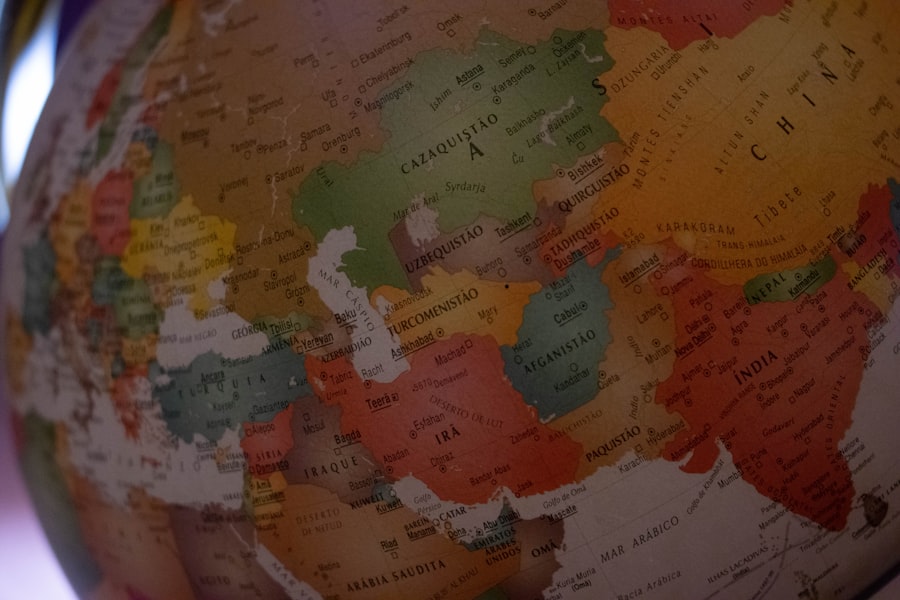
Navigating geopolitical risks requires a multi-pronged approach focused on building resilience and developing adaptable strategies. It is not about avoiding all risk, which is impossible, but about understanding and managing it effectively.
Diversification of Supply Chains and Trade Partners
A fundamental strategy for mitigating geopolitical risk is to reduce dependence on single sources or single routes. This “spreading of your eggs across multiple baskets” approach can significantly buffer against localized disruptions.
- Geographic Diversification: Companies should seek to diversify their sourcing and manufacturing locations across different geographic regions to avoid over-reliance on a single country or bloc. This makes them less vulnerable to regional political tensions or trade barriers. The strength of a diversified portfolio is its ability to weather storms in individual sectors.
- Supplier Diversification: Engaging with multiple suppliers for key components or raw materials reduces the impact if one supplier faces disruption due to geopolitical events. This ensures continuity of operations. Having multiple trusted mechanics for your fleet is a wise precaution.
- Route Diversification: Exploring and developing alternative transportation routes, including both sea and land options, provides flexibility in the face of blockades, conflicts, or political instability affecting a primary route. This could involve utilizing less conventional ports or overland corridors.
Enhancing Transparency and Information Gathering
A comprehensive understanding of the geopolitical landscape is crucial for informed decision-making. This requires robust intelligence gathering and analysis.
- Geopolitical Risk Analysis: Companies and governments should invest in dedicated teams or external expertise to conduct ongoing geopolitical risk assessments, monitoring political developments, social trends, and potential conflict hotspots that could impact trade routes. This is like having a dedicated meteorologist for your fleet, constantly forecasting potential storms.
- Early Warning Systems: Developing and implementing early warning systems that can flag potential disruptions, such as rising tensions between countries, unrest in key transit regions, or impending policy changes, can provide valuable lead time for contingency planning.
- Data Analytics and Predictive Modeling: Leveraging data analytics and predictive modeling can help identify patterns and potential future risks based on historical data and current trends. This can inform strategic decisions about resource allocation and route planning.
Technological Innovations for Enhanced Security and Efficiency

The rapid advancements in technology offer powerful tools for enhancing the security and efficiency of trade routes, thereby mitigating some of the inherent geopolitical risks.
The Role of Blockchain and Digitalization
Blockchain technology and broader digitalization efforts can bring unprecedented levels of transparency and security to trade transactions and logistics.
- Secure Documentation and Traceability: Blockchain can create a secure, immutable ledger for tracking goods, verifying authenticity, and managing customs documentation, reducing opportunities for fraud and corruption, which can be exacerbated by geopolitical instability. The integrity of the ledger is paramount in ensuring smooth passage.
- Smart Contracts and Automated Processes: Smart contracts, embedded on blockchain, can automate payments and other contractual obligations upon fulfillment of predefined conditions, reducing reliance on intermediaries and potential points of failure. This streamlines processes and minimizes disputes.
- Enhanced Supply Chain Visibility: Digitalization of logistics platforms provides real-time visibility into the movement of goods, allowing for quicker identification and response to disruptions. This enhanced visibility acts as a set of advanced radar systems for your trade operations.
Advanced Surveillance and Security Technologies
The deployment of advanced surveillance and security technologies can deter threats and improve response times in high-risk areas.
- Satellite Monitoring and Drone Surveillance: Utilizing satellite imagery and drone technology for monitoring critical trade routes, ports, and border crossings can provide early detection of suspicious activities, piracy, or unauthorized movements.
- Cybersecurity Measures: Implementing robust cybersecurity protocols is essential to protect digital trade infrastructure from cyberattacks. This includes firewalls, intrusion detection systems, and regular security audits. The digital fortress needs constant reinforcement.
- AI-Powered Threat Detection: Artificial intelligence can be employed to analyze vast amounts of data from various sources to identify anomalies and predict potential threats, enabling more proactive security measures. This is like having an intelligent sentinel with an uncanny ability to spot trouble before it escalates.
In the realm of geopolitical risk assessment, understanding trade routes is crucial for businesses and governments alike. A recent article highlights the complexities involved in navigating these routes amid shifting political landscapes. For further insights, you can explore the detailed analysis in this related article, which delves into the factors influencing trade dynamics and the potential risks that may arise from geopolitical tensions. This information is vital for anyone looking to make informed decisions in today’s interconnected world.
Collaborative Approaches to Geopolitical Risk Management
| Trade Route | Region | Geopolitical Risk Level | Key Risk Factors | Impact on Trade Volume (%) | Mitigation Strategies |
|---|---|---|---|---|---|
| Strait of Hormuz | Middle East | High | Political instability, military conflicts, piracy | 15 | Alternative routes, increased naval patrols, diplomatic engagement |
| South China Sea | East Asia | Medium-High | Territorial disputes, military presence, trade restrictions | 20 | Multilateral negotiations, freedom of navigation operations |
| Panama Canal | Central America | Medium | Infrastructure vulnerabilities, political changes | 10 | Infrastructure investment, contingency planning |
| Suez Canal | North Africa | Medium-High | Regional conflicts, blockades, terrorism | 25 | Security enhancements, alternative routes, rapid response teams |
| Arctic Sea Route | Polar Region | Low-Medium | Environmental regulations, territorial claims | 5 | International cooperation, environmental monitoring |
Addressing the complex tapestry of geopolitical risks in trade routes often requires collective action and robust international cooperation. No single nation or entity can effectively navigate these challenges in isolation.
Public-Private Partnerships for Infrastructure Security
The security and functionality of critical trade infrastructure often fall under the purview of both public and private entities. Collaborative efforts are vital.
- Joint Security Operations: Governments and private sector entities, such as port authorities and shipping companies, can collaborate on joint security operations, intelligence sharing, and the development of standardized security protocols for maritime and overland routes. This creates a united front against common threats.
- Investment in Resilient Infrastructure: Public-private partnerships can facilitate investment in building and upgrading trade infrastructure to be more resilient to natural disasters, cyberattacks, and physical threats. This includes hardening ports, securing energy pipelines, and strengthening transportation networks. Building robust foundations is key to enduring tremors.
- Capacity Building and Training: Collaborative initiatives can focus on building the capacity of relevant agencies and personnel in risk assessment, contingency planning, and crisis management. Sharing best practices and providing joint training can enhance overall preparedness.
International Diplomacy and Regulatory Harmonization
Diplomatic efforts and international agreements play a crucial role in de-escalating tensions, resolving disputes, and establishing common frameworks for trade.
- Multilateral Trade Agreements: Strengthening and upholding multilateral trade agreements, such as those under the World Trade Organization (WTO), provides a framework for fair trade and dispute resolution, reducing the likelihood of unilateral trade wars. The WTO acts as a kind of international traffic controller, setting rules for the global trade highway.
- Bilateral and Regional Cooperation: Engaging in bilateral and regional diplomatic dialogues to address specific geopolitical concerns and develop cooperative strategies for securing shared trade routes is essential. This can include establishing joint patrols in piracy-prone areas or coordinating responses to regional instability.
- Harmonization of Standards and Regulations: Efforts to harmonize international standards and regulations related to trade, transportation, and security can reduce compliance burdens and create a more predictable trading environment, mitigating friction caused by divergent national policies.
In conclusion, the navigation of geopolitical risks in trade routes is an ongoing and evolving challenge. The interconnectedness of the global economy means that disruptions in one part of the world can have far-reaching consequences. By understanding the shifting geopolitical landscape, meticulously identifying and assessing potential risks, implementing robust mitigation strategies, embracing technological innovation, and fostering strong collaborative approaches, businesses and governments can work towards ensuring the continued flow of global commerce and fostering a more stable and prosperous future for all. The journey is complex, but with foresight, preparedness, and collaboration, these vital arteries of global trade can remain open and resilient.
WATCH THIS 🔥 YOUR BILL JUST WENT UP: The $50 Billion Panama Canal Lie
FAQs
What is a geopolitical risk assessment in the context of trade routes?
A geopolitical risk assessment evaluates the potential political, economic, and social factors that could disrupt or impact trade routes. It helps businesses and governments understand vulnerabilities related to conflicts, regulatory changes, or instability in regions critical to global trade.
Why are trade routes important for global commerce?
Trade routes are essential pathways through which goods, services, and resources are transported between countries. They facilitate international trade, support economic growth, and ensure the timely delivery of products across the world.
What factors are considered in a geopolitical risk assessment of trade routes?
Key factors include political stability, territorial disputes, regulatory changes, security threats such as piracy or terrorism, infrastructure quality, and economic sanctions. These elements can influence the safety and reliability of trade routes.
How can geopolitical risks affect supply chains?
Geopolitical risks can cause delays, increase transportation costs, disrupt production schedules, and lead to shortages of goods. They may also force companies to reroute shipments or find alternative suppliers, impacting overall supply chain efficiency.
What measures can be taken to mitigate geopolitical risks on trade routes?
Mitigation strategies include diversifying trade routes, investing in risk monitoring and intelligence, engaging in diplomatic efforts, securing insurance coverage, and developing contingency plans to respond quickly to disruptions.