
Extreme sea weather encompasses a range of phenomena that can pose significant threats to vessels and their crews. These conditions include hurricanes, typhoons, severe thunderstorms, and rogue waves, each capable of causing substantial damage to even well-equipped ships. Understanding the characteristics of these weather events is essential for mariners, as it enables them to anticipate hazards and make informed operational decisions.
Hurricanes are characterized by intense winds and heavy precipitation, which create dangerous sea states and reduce visibility. Rogue waves, often described as unexpectedly large waves, can capsize vessels without warning. The effects of extreme sea weather extend beyond immediate physical dangers to include impacts on navigation, communication, and overall maritime safety.
Mariners must recognize that these conditions can change rapidly, often within minutes. The unpredictability of weather patterns means that calm seas can quickly become turbulent. Therefore, understanding the scientific principles underlying these phenomena, including atmospheric pressure systems and ocean currents, is vital for effective risk management.
Knowledge of regional weather patterns and historical meteorological data provides valuable information about potential hazards, allowing sailors to make better decisions regarding route planning and preparedness measures.
Key Takeaways
- Proper vessel preparation and maintenance are crucial for handling extreme sea weather safely.
- Effective communication with other vessels and authorities enhances coordination during storms.
- Implementing clear safety protocols and emergency evacuation plans protects crew members in emergencies.
- Utilizing advanced technology and accurate weather forecasting improves decision-making in stormy conditions.
- Psychological readiness and post-storm recovery procedures are essential for crew well-being and operational continuity.
Preparing Your Vessel for Extreme Conditions
Preparation is key when it comes to safeguarding a vessel against extreme sea weather. Mariners must conduct thorough inspections of their vessels before embarking on any journey, ensuring that all equipment is in optimal condition. This includes checking the integrity of the hull, ensuring that all safety gear is readily accessible, and verifying that communication systems are functioning properly.
Additionally, securing loose items on deck and ensuring that hatches are tightly sealed can prevent damage during turbulent conditions.
Moreover, equipping the vessel with the right tools and supplies is essential for enduring extreme conditions.
This includes having an adequate supply of food, water, and medical supplies on board. It is also advisable to have emergency equipment such as life rafts, flares, and first aid kits readily available. Crew members should be trained in the use of this equipment to ensure a swift response in case of emergencies.
Furthermore, developing a comprehensive checklist for pre-departure preparations can help ensure that nothing is overlooked, ultimately contributing to the vessel’s resilience against the forces of nature. The treacherous waters of the Drake Passage are known for their unpredictable weather and powerful currents.
Navigational Strategies for Stormy Seas
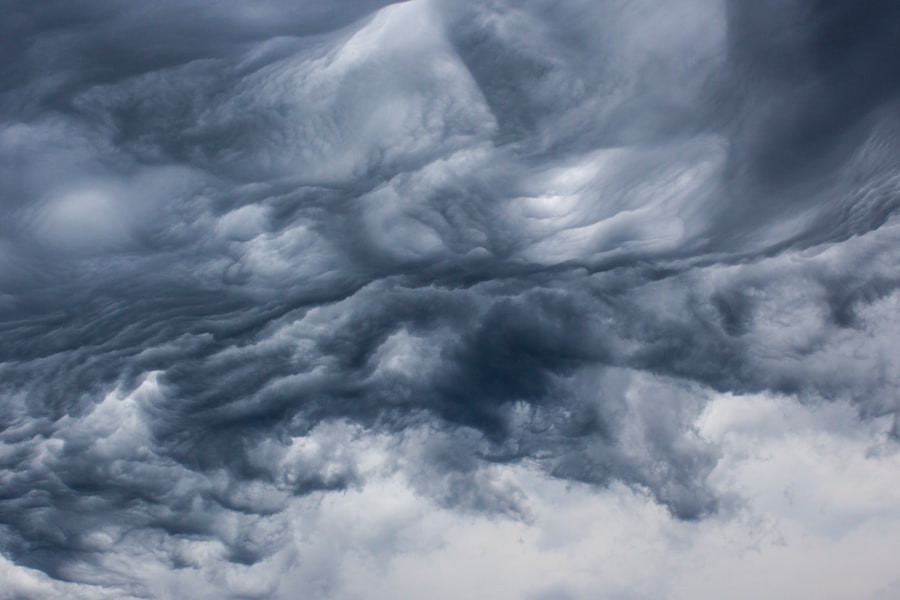
Navigating through stormy seas requires a combination of skill, experience, and strategic planning. Mariners must be adept at reading weather patterns and understanding how they influence sea conditions. One effective strategy is to avoid sailing directly into the storm’s path; instead, it may be prudent to alter the course to either skirt around the storm or position the vessel in a way that minimizes exposure to the worst conditions.
This often involves using weather forecasts and real-time data to make informed decisions about routing. In addition to altering course, mariners should also consider adjusting their speed and sail configuration based on the severity of the weather. Reducing speed can help maintain control over the vessel and prevent damage from high waves.
Furthermore, reefing sails or using storm sails can provide better handling in strong winds. Experienced sailors often emphasize the importance of maintaining a steady hand on the helm during turbulent conditions, as sudden movements can lead to loss of control. By employing these navigational strategies, mariners can enhance their chances of safely traversing stormy seas.
Communicating with Other Vessels and Authorities
Effective communication is paramount when navigating through extreme sea weather. Mariners must maintain open lines of communication with other vessels in the vicinity as well as with maritime authorities. This not only helps in sharing vital information about weather conditions but also fosters a sense of community among sailors facing similar challenges.
Utilizing VHF radios for real-time updates can be invaluable during storms, allowing crews to receive warnings about changing conditions or potential hazards. In addition to direct communication with other vessels, it is essential for mariners to stay in contact with shore-based authorities. Reporting position updates and any changes in course can assist rescue operations if needed.
Furthermore, establishing a communication protocol before setting sail ensures that all crew members are aware of how to relay information effectively during emergencies.
Safety Protocols for Crew Members
| Metric | Description | Typical Range | Impact on Maritime Activities |
|---|---|---|---|
| Wave Height | Height of ocean waves during storms | 2 to 15 meters (can exceed 20 meters in extreme cases) | Navigation hazards, risk of capsizing, damage to vessels |
| Wind Speed | Speed of winds during extreme weather events | 30 to 90+ knots (35 to 105+ mph) | Reduced visibility, difficulty in steering, increased risk of accidents |
| Storm Duration | Length of time extreme weather persists at sea | Several hours to multiple days | Extended exposure increases risk to crew and cargo |
| Sea Surface Temperature | Temperature of ocean surface influencing storm intensity | 20°C to 30°C (higher temps can fuel stronger storms) | Warmer waters can intensify storms, affecting route planning |
| Barometric Pressure | Atmospheric pressure during storms | Below 980 hPa in severe storms | Lower pressure indicates stronger storms, critical for forecasting |
| Visibility | Distance visible during extreme weather | Less than 1 km in heavy rain or fog | Navigation challenges, increased collision risk |
The safety of crew members should always be a top priority when facing extreme sea weather. Establishing clear safety protocols is essential for ensuring that everyone on board knows their roles and responsibilities during turbulent conditions. Crew members should undergo regular training sessions that cover emergency procedures, including man-overboard drills and abandon ship protocols.
Familiarity with these procedures can significantly reduce panic during actual emergencies. Additionally, implementing a buddy system can enhance safety by ensuring that crew members look out for one another during challenging situations. This system encourages teamwork and communication among crew members, fostering a supportive environment where everyone feels responsible for each other’s safety.
Regular safety briefings before embarking on journeys can reinforce these protocols and remind crew members of the importance of vigilance during extreme weather conditions.
Emergency Response and Evacuation Plans

In the face of extreme sea weather, having a well-defined emergency response plan is crucial for minimizing risks and ensuring crew safety. This plan should outline specific actions to take in various emergency scenarios, such as flooding or loss of power. Crew members should be familiar with evacuation routes and procedures for abandoning ship if necessary.
Conducting regular drills can help reinforce these plans and ensure that everyone knows what to do when time is of the essence. Moreover, it is essential to designate specific roles for crew members during emergencies. Assigning responsibilities such as managing life rafts or coordinating communication can streamline the evacuation process and reduce confusion.
Additionally, having a clear assembly point where crew members can regroup after evacuating can facilitate headcounts and ensure that everyone is accounted for. By preparing for emergencies in advance, mariners can enhance their chances of survival in extreme conditions.
Utilizing Technology and Weather Forecasting
Advancements in technology have revolutionized how mariners approach extreme sea weather. Modern vessels are equipped with sophisticated navigation systems that provide real-time data on weather patterns and sea conditions. Utilizing satellite imagery and weather forecasting tools allows sailors to make informed decisions about their routes and avoid dangerous areas whenever possible.
These technologies have become indispensable for enhancing situational awareness at sea. In addition to navigation tools, communication technology plays a vital role in ensuring safety during extreme weather events. Satellite phones and emergency beacons enable mariners to stay connected even in remote areas where traditional communication methods may fail.
Furthermore, apps that provide real-time updates on weather conditions can assist crews in making timely adjustments to their plans. By leveraging technology effectively, mariners can enhance their preparedness for extreme sea weather.
Dealing with Equipment Failure in Extreme Conditions
Equipment failure during extreme sea weather can pose significant challenges for mariners. Whether it’s a malfunctioning engine or a compromised navigation system, such failures can jeopardize safety and complicate decision-making processes. Therefore, it is essential for crews to conduct regular maintenance checks on all equipment before setting sail.
Understanding how each piece of equipment operates and having contingency plans in place for potential failures can mitigate risks. In addition to preventive measures, crews should be trained in troubleshooting common equipment issues that may arise during storms. This includes knowing how to manually operate systems if electronic controls fail or having backup navigation tools available if primary systems become compromised.
By fostering a culture of preparedness and adaptability among crew members, mariners can better navigate the challenges posed by equipment failures in extreme conditions.
Psychological Preparedness for Crew Members
The psychological toll of navigating through extreme sea weather cannot be underestimated. Crew members may experience heightened stress levels due to uncertainty and fear during turbulent conditions. Therefore, psychological preparedness is an essential aspect of overall safety at sea.
Encouraging open communication among crew members about their feelings and concerns can foster a supportive environment where individuals feel comfortable discussing their anxieties. Additionally, implementing stress management techniques such as mindfulness exercises or relaxation strategies can help crew members cope with high-pressure situations. Regular team-building activities can also strengthen camaraderie among crew members, creating a sense of unity that enhances morale during challenging times.
By prioritizing psychological preparedness alongside physical safety measures, mariners can create a more resilient crew capable of facing extreme sea weather with confidence.
Seeking Shelter and Safe Havens
When faced with extreme sea weather, seeking shelter becomes a critical consideration for mariners. Identifying safe havens along potential routes allows crews to have contingency plans in place should conditions deteriorate unexpectedly. Knowledge of nearby ports or sheltered bays where vessels can anchor safely provides peace of mind when navigating through stormy seas.
Moreover, understanding local maritime regulations regarding seeking shelter is essential for compliance and safety. Some areas may have designated safe zones or protocols for entering harbors during adverse weather conditions. By being aware of these regulations and planning accordingly, mariners can enhance their chances of finding refuge when faced with extreme weather events.
Aftermath: Recovery and Post-Storm Procedures
The aftermath of extreme sea weather presents its own set of challenges for mariners as they assess damage and begin recovery efforts. Conducting thorough inspections of the vessel after a storm is crucial for identifying any structural issues or equipment failures that may have occurred during turbulent conditions. Documenting damage through photographs or written reports can assist in insurance claims or repairs.
Additionally, addressing the emotional impact on crew members after experiencing extreme weather is vital for long-term recovery. Providing support resources such as counseling services or debriefing sessions can help individuals process their experiences and rebuild confidence in their abilities at sea. By prioritizing both physical repairs and emotional well-being, mariners can effectively navigate the aftermath of extreme sea weather and prepare for future voyages with renewed resilience.
Extreme weather patterns at sea have become increasingly concerning, as they can lead to devastating impacts on marine ecosystems and coastal communities. A related article that delves into the implications of these changes can be found on MyGeoQuest, which explores the connection between climate change and extreme weather events. For more information, you can read the article [here](https://www.mygeoquest.com/sample-page/).
WATCH THIS 🛑 Drake Passage: Earth’s Deadliest Waters Revealed
FAQs
What are extreme weather patterns at sea?
Extreme weather patterns at sea refer to severe and unusual meteorological conditions occurring over oceanic regions. These can include hurricanes, typhoons, cyclones, intense storms, rogue waves, and sudden changes in wind and temperature.
What causes extreme weather patterns at sea?
Extreme weather patterns at sea are primarily caused by atmospheric disturbances, ocean temperature variations, and interactions between the ocean and the atmosphere. Factors such as warm sea surface temperatures, low atmospheric pressure, and high humidity contribute to the formation of storms and other extreme events.
How do extreme weather patterns affect marine life?
Extreme weather can disrupt marine ecosystems by altering water temperature, salinity, and oxygen levels. It can damage coral reefs, displace marine species, and affect breeding and feeding patterns, leading to long-term ecological impacts.
What impact do extreme weather patterns have on shipping and maritime activities?
Extreme weather poses significant risks to shipping and maritime operations, including increased chances of accidents, delays, and damage to vessels. It can also disrupt fishing activities and offshore energy production, such as oil and gas extraction.
Can extreme weather patterns at sea be predicted?
Yes, advances in meteorology and satellite technology have improved the prediction of extreme weather at sea. Weather models and monitoring systems can forecast storms and other severe conditions, allowing for early warnings and preparedness measures.
How do sailors and ships prepare for extreme weather at sea?
Sailors and ships prepare by monitoring weather forecasts, adjusting routes to avoid storms, securing cargo, and ensuring that safety equipment is functional. Training and emergency protocols are also essential to handle sudden extreme weather events.
Are extreme weather patterns at sea becoming more frequent?
Research indicates that climate change may be increasing the frequency and intensity of some extreme weather events at sea, such as hurricanes and typhoons, due to rising sea surface temperatures and changing atmospheric conditions.
What role do oceans play in extreme weather patterns?
Oceans store and transfer heat and moisture, which are critical in the formation and intensification of extreme weather patterns. Warm ocean waters provide energy that fuels storms, while ocean currents influence weather systems globally.
How do extreme weather patterns at sea affect coastal regions?
Extreme weather at sea can lead to storm surges, high waves, and heavy rainfall, causing coastal flooding, erosion, and damage to infrastructure. These impacts threaten human communities, ecosystems, and economies along coastlines.
What measures are being taken to mitigate the effects of extreme weather at sea?
Mitigation measures include improving weather forecasting, developing resilient maritime infrastructure, enforcing safety regulations, and conducting research on climate change impacts. International cooperation and emergency response planning are also vital components.