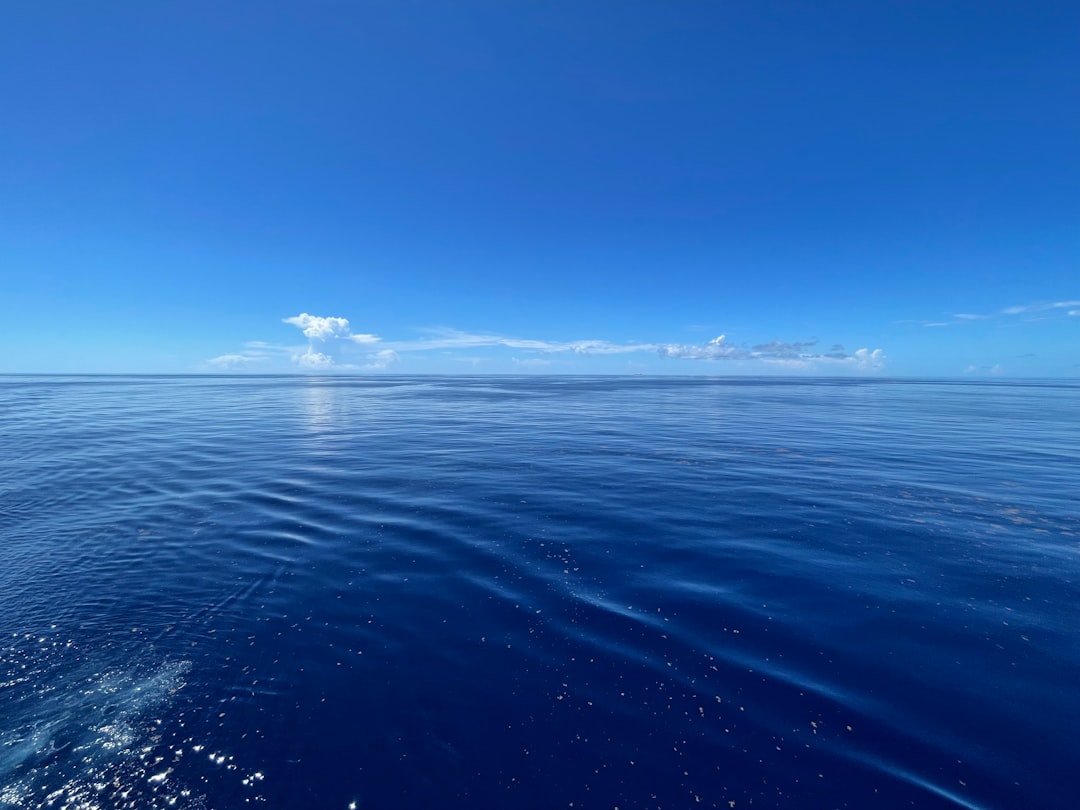
Earth’s oceans cover approximately 70% of the planet’s surface and function as essential components of the global ecosystem. These water bodies are complex systems that regulate climate, support diverse marine life, and enable human economic activities. The oceans are interconnected through currents and tides that directly influence weather patterns and the distribution of marine species.
Comprehensive understanding of ocean systems is necessary for assessing Earth’s ecological balance and addressing challenges related to climate change and human impact. The oceans are classified into several major regions, each possessing distinct characteristics and ecological importance. The Drake Passage, located between South America and Antarctica, represents a particularly significant area for both ecological and climate research.
This waterway plays a critical role in global ocean circulation patterns and climate regulation. As scientific exploration of the ocean depths continues, the necessity of understanding these systems becomes more apparent, especially given current environmental challenges facing the planet.
Key Takeaways
- The Drake Passage is a critical ocean gateway influencing global ocean currents and climate regulation.
- Ocean currents passing through the Drake Passage play a vital role in heat distribution and marine ecosystem health.
- The region supports unique biodiversity, making it ecologically significant and a focus for conservation efforts.
- Navigational challenges in the Drake Passage impact shipping routes but also offer economic opportunities.
- Ongoing scientific research is essential to understand the Drake Passage’s role amid climate change and to guide future protection strategies.
The Significance of the Drake Passage
The Drake Passage is often regarded as one of the most significant maritime corridors in the world. It connects the Atlantic and Pacific Oceans, acting as a conduit for water exchange between these two vast bodies. This passage is not only a geographical landmark but also a critical zone for oceanic circulation patterns.
The unique positioning of the Drake Passage allows for the mixing of warm and cold waters, which is essential for regulating global climate systems. Moreover, the Drake Passage is known for its challenging weather conditions and turbulent seas, making it a formidable route for maritime navigation.
The significance of the Drake Passage extends beyond navigation; it is also a key area for scientific research, providing insights into ocean dynamics, climate change, and marine ecosystems. The treacherous waters of the Drake Passage are known for their unpredictable weather and powerful currents.
Understanding the Role of Ocean Currents
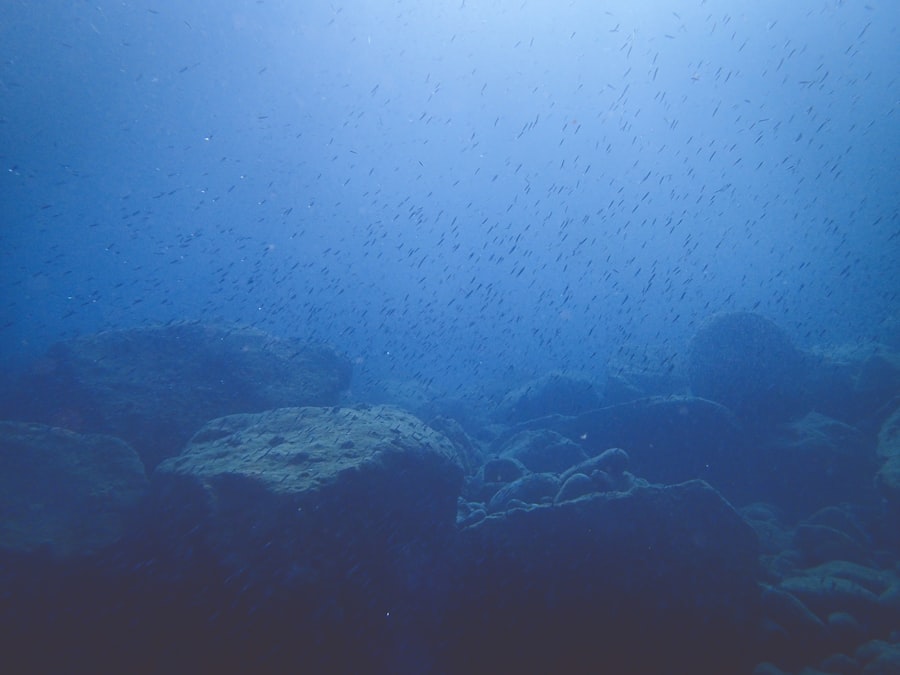
Ocean currents are powerful forces that shape the marine environment and influence global climate patterns. They are driven by various factors, including wind patterns, temperature differences, and salinity variations. In the context of the Drake Passage, currents play a crucial role in connecting different oceanic regions and facilitating the transfer of heat and nutrients across vast distances.
The Antarctic Circumpolar Current, which flows through the Drake Passage, is one of the most significant currents on Earth, influencing weather patterns far beyond its immediate vicinity. These currents are not static; they are dynamic systems that can change in response to various environmental factors. Understanding how ocean currents operate is essential for predicting climate changes and their potential impacts on marine life and human activities.
The interplay between currents in the Drake Passage and other oceanic regions highlights the interconnectedness of Earth’s ocean systems and underscores the importance of comprehensive research in this area.
The Impact of the Drake Passage on Climate
The Drake Passage has a profound impact on global climate due to its role in ocean circulation. The mixing of warm and cold waters within this passage contributes to the regulation of temperatures across the globe. As warm water from the Atlantic Ocean flows southward and meets the cold Antarctic waters, it creates a unique environment that influences weather patterns not only in South America but also in distant regions.
Additionally, the Drake Passage acts as a barrier that affects atmospheric circulation patterns. The winds that flow over this region can lead to significant weather events, including storms and changes in precipitation patterns. As climate change continues to alter ocean temperatures and currents, understanding the specific role of the Drake Passage becomes increasingly important for predicting future climatic shifts and their potential consequences for ecosystems and human societies.
Biodiversity and Ecological Importance of the Drake Passage
| Metric | Value | Unit | Description |
|---|---|---|---|
| Average Depth of Earth’s Oceans | 3,688 | meters | Mean depth across all ocean basins |
| Total Ocean Surface Area | 361 | million km² | Combined surface area of all Earth’s oceans |
| Drake Passage Width | 800 | kilometers | Distance between South America and Antarctica |
| Drake Passage Depth | 3,400 | meters | Average depth of the Drake Passage |
| Antarctic Circumpolar Current Speed | 1.5 | meters/second | Average flow speed through the Drake Passage |
| Volume Transport of Antarctic Circumpolar Current | 130 | million cubic meters/second | Estimated volume of water transported through Drake Passage |
| Salinity in Drake Passage | 34.5 | PSU (Practical Salinity Units) | Average surface salinity |
| Sea Surface Temperature in Drake Passage | 1 to 5 | °C | Range of surface water temperatures |
The ecological significance of the Drake Passage cannot be overstated. This region is home to a rich diversity of marine life, including various species of fish, seals, whales, and seabirds. The nutrient-rich waters foster an abundance of phytoplankton, which forms the base of the marine food web.
This biodiversity is not only crucial for maintaining healthy ecosystems but also supports commercial fisheries that are vital to local economies. Furthermore, the Drake Passage serves as a migratory route for many marine species. Whales, for instance, travel through this passage during their seasonal migrations between feeding and breeding grounds.
The ecological importance of this region extends beyond its immediate inhabitants; it plays a critical role in maintaining global biodiversity and ensuring the resilience of marine ecosystems in the face of environmental changes.
Navigational Challenges and Opportunities in the Drake Passage

Navigating the Drake Passage presents both challenges and opportunities for maritime activities. The passage is notorious for its rough seas and unpredictable weather conditions, which can pose significant risks to vessels traversing this route. Strong currents, high winds, and icebergs are common hazards that require careful planning and skilled navigation to mitigate potential dangers.
Despite these challenges, the Drake Passage remains an essential route for shipping and trade. Its strategic location makes it a vital corridor for vessels traveling between the Atlantic and Pacific Oceans. Advances in navigation technology have improved safety measures for ships operating in this region, allowing for more efficient transit while minimizing risks associated with harsh maritime conditions.
As global trade continues to expand, understanding the navigational dynamics of the Drake Passage will be crucial for ensuring safe and efficient maritime operations.
Scientific Research and Exploration in the Drake Passage
The Drake Passage has long been a focal point for scientific research and exploration due to its unique oceanographic features and ecological significance. Researchers from around the world conduct studies in this region to better understand ocean dynamics, climate change impacts, and marine biodiversity. The passage serves as a natural laboratory where scientists can observe interactions between different oceanic systems and their effects on global climate patterns.
Numerous research expeditions have been undertaken in the Drake Passage to collect data on water temperature, salinity, currents, and marine life. These studies contribute to a broader understanding of how ocean systems function and how they may respond to ongoing environmental changes. The findings from research conducted in this region have implications not only for local ecosystems but also for global climate models and conservation efforts.
Economic Importance of the Drake Passage
The economic significance of the Drake Passage extends beyond its role as a shipping route; it also encompasses fisheries, tourism, and potential resource extraction. The rich marine biodiversity found in these waters supports commercial fishing industries that provide livelihoods for many communities along the coasts of South America. Sustainable management practices are essential to ensure that these resources are preserved for future generations while supporting local economies.
Additionally, tourism has become an increasingly important economic activity in the region surrounding the Drake Passage. Adventure tourism, including cruises that explore Antarctica’s pristine landscapes and unique wildlife, attracts visitors from around the globe. This influx of tourists generates revenue for local businesses while raising awareness about environmental conservation efforts in this ecologically sensitive area.
Conservation Efforts and Environmental Protection in the Drake Passage
Given its ecological significance and vulnerability to human activities, conservation efforts in the Drake Passage are critical. Various organizations and governments have recognized the need to protect this unique marine environment from overfishing, pollution, and climate change impacts. Initiatives aimed at establishing marine protected areas (MPAs) have gained traction as a means to safeguard biodiversity while promoting sustainable use of resources.
International cooperation is essential for effective conservation in the Drake Passage, as it involves multiple countries with interests in this region. Collaborative efforts among nations can lead to more comprehensive management strategies that address both ecological preservation and economic development. By prioritizing conservation initiatives, stakeholders can work towards ensuring that future generations inherit a healthy and resilient marine ecosystem.
The Future of the Drake Passage in a Changing Climate
As climate change continues to reshape global environments, the future of the Drake Passage remains uncertain.
Understanding how these changes will affect biodiversity, weather patterns, and navigational routes is crucial for developing adaptive strategies.
Research into climate change impacts on the Drake Passage is ongoing, with scientists striving to predict potential scenarios based on current trends. The findings from these studies will inform policymakers and stakeholders about necessary actions to mitigate adverse effects while promoting sustainable practices in maritime industries. The future health of this vital passage will depend on collective efforts to address climate change challenges while preserving its ecological integrity.
The Ongoing Importance of Understanding and Navigating Earth’s Ocean Systems
In conclusion, understanding Earth’s ocean systems is paramount for addressing contemporary environmental challenges and ensuring sustainable use of marine resources. The Drake Passage serves as a microcosm of these broader issues, highlighting the interconnectedness of ocean dynamics, climate regulation, biodiversity conservation, navigational challenges, economic opportunities, and scientific exploration. As humanity grapples with climate change’s far-reaching impacts, continued research and collaboration will be essential for safeguarding this critical maritime corridor.
The ongoing importance of studying regions like the Drake Passage cannot be overstated; they provide invaluable insights into how ocean systems function and how they may adapt to changing conditions. By prioritizing conservation efforts and fostering international cooperation, stakeholders can work towards preserving not only this unique passage but also the health of Earth’s oceans as a whole. In doing so, they will contribute to a more sustainable future for both marine ecosystems and human societies reliant on these vital resources.
The Earth’s ocean systems play a crucial role in regulating climate and supporting marine biodiversity, with the Drake Passage serving as a significant conduit for ocean currents between the Atlantic and Pacific Oceans. For a deeper understanding of these complex interactions, you can explore the article on ocean systems available at My Geo Quest. This resource provides valuable insights into the dynamics of ocean currents and their impact on global climate patterns.
WATCH THIS 🛑 Drake Passage: Earth’s Deadliest Waters Revealed
FAQs
What is the Drake Passage?
The Drake Passage is a body of water located between the southern tip of South America (Cape Horn) and the northern tip of the Antarctic Peninsula. It connects the southwestern part of the Atlantic Ocean with the southeastern part of the Pacific Ocean and is a key route for ocean currents.
Why is the Drake Passage important for Earth’s ocean systems?
The Drake Passage is crucial because it allows the Antarctic Circumpolar Current (ACC) to flow uninterrupted around Antarctica. This current plays a significant role in regulating global ocean circulation, climate, and the distribution of nutrients and marine life.
How does the Drake Passage affect global climate?
By enabling the Antarctic Circumpolar Current, the Drake Passage helps transport cold, nutrient-rich waters around Antarctica, influencing global heat distribution and carbon cycling. This process impacts weather patterns and climate regulation worldwide.
What are the main ocean systems connected by the Drake Passage?
The Drake Passage connects the Atlantic, Pacific, and Southern Oceans. It serves as a critical junction for water exchange and circulation among these ocean basins.
What kind of marine life is found in the Drake Passage?
The Drake Passage hosts diverse marine life, including various species of whales, seals, penguins, and seabirds. Its nutrient-rich waters support abundant plankton, which forms the base of the food web.
How does the geography of the Drake Passage influence ocean currents?
The narrow and deep nature of the Drake Passage funnels the Antarctic Circumpolar Current, allowing it to flow rapidly and continuously around Antarctica without obstruction from landmasses, which is unique compared to other ocean currents.
Are there any challenges for ships navigating the Drake Passage?
Yes, the Drake Passage is known for rough seas, strong winds, and unpredictable weather, making navigation challenging. It is considered one of the most treacherous maritime passages in the world.
How does the Drake Passage contribute to nutrient cycling in the oceans?
The passage facilitates the upwelling of deep, nutrient-rich waters to the surface, supporting high biological productivity and sustaining marine ecosystems both locally and in connected ocean regions.
What role does the Drake Passage play in the global carbon cycle?
By enabling the Antarctic Circumpolar Current, the Drake Passage helps transport carbon-rich waters and supports the sequestration of carbon dioxide in the deep ocean, which is important for regulating atmospheric CO2 levels.
Has the Drake Passage changed over geological time?
Yes, the opening of the Drake Passage around 30 million years ago was a significant geological event that allowed the development of the Antarctic Circumpolar Current and contributed to the cooling of Antarctica and global climate changes.