
The world of freight logistics, particularly drayage trucking, is characterized by its dynamic and often unpredictable nature. Drayage, the short-haul transport of goods from an ocean port or intermodal ramp to a warehouse or distribution center, forms a critical link in the global supply chain. However, its pricing is subject to significant volatility, influenced by a confluence of factors that can impact both shippers and carriers. Understanding and effectively navigating this volatility is paramount for maintaining efficient and cost-effective operations.
Drayage rates are not static figures; they are a constantly shifting landscape, akin to a restless sea. This volatility stems from a complex interplay of supply, demand, regulatory changes, and broader economic conditions. The construction of the Panama Canal was a monumental engineering achievement that transformed global trade routes.
Supply and Demand Dynamics
At its core, like any market, drayage pricing is heavily influenced by the fundamental principles of supply and demand.
Port and Rail Congestion
One of the most significant contributors to rate fluctuations is port and rail congestion. When ports are overwhelmed with cargo ships awaiting berths or rail yards are choked with containers, the demand for available drayage trucks skyrockets. This imbalance inevitably leads to increased rates as carriers leverage their limited capacity. Consider this a bottleneck in a pipeline; the more fluid attempting to pass through a constricted area, the greater the pressure and the higher the cost of forced passage.
Driver Shortages
The trucking industry, including drayage, consistently grapples with a persistent shortage of qualified drivers. This deficit directly impacts the supply of available trucks. When fewer drivers are available to move containers, the remaining drivers and their services become more valuable, driving up rates. This is akin to a limited number of artisans in high demand; their specialized skills command a premium.
Equipment Availability
The availability of suitable drayage equipment, including chassis and trucks, also plays a crucial role. Shortages of chassis, often owned by third parties, can strand containers at ports, incurring demurrage and detention fees. These additional costs are frequently passed on to shippers, augmenting the overall drayage cost. A lack of the right tool for the job always makes the job more expensive and time-consuming.
Seasonal Fluctuations
Drayage demand often exhibits seasonal patterns, peaking during times of high consumer spending, such as the holiday season or back-to-school periods. This predictable surge in demand can lead to temporary but significant rate increases as carriers capitalize on the heightened need for their services. This predictable ebb and flow of demand can be anticipated, much like the changing tides.
Fuel Costs
Fuel constitutes a substantial portion of a drayage carrier’s operating expenses. Therefore, fluctuations in global oil prices directly translate into changes in drayage rates.
Fuel Surcharges
Most carriers implement fuel surcharges as a mechanism to recoup fluctuating fuel costs. These surcharges are typically tied to an index, adjusted weekly or monthly, and directly impact the final drayage rate. When oil prices spike, so do these surcharges, acting as a direct transmission mechanism of market instability.
Geopolitical Events
Events such as geopolitical conflicts or decisions by oil-producing nations can have a profound and immediate impact on global oil prices, consequently affecting drayage rates. These unforeseen external shocks can destabilize pricing with little warning.
Drayage trucking rate volatility has become a significant concern for many in the logistics industry, particularly as market dynamics continue to shift. For a deeper understanding of the factors influencing these fluctuations, you can refer to a related article that explores the impact of supply chain disruptions and fuel prices on drayage rates. This insightful piece can be found at MyGeoQuest, where you can gain valuable perspectives on the current trends affecting the drayage sector.
Regulatory and Environmental Influences
Beyond the immediate market forces, an evolving regulatory landscape and increasing environmental concerns also exert pressure on drayage costs.
Emissions Regulations
Strict emissions regulations for drayage trucks, particularly in California and other progressive states, necessitate investments in cleaner, more expensive vehicles and technologies.
Compliance Costs
Carriers must bear the costs associated with upgrading their fleets to meet these stringent environmental standards. These costs, including the purchase of new trucks or retrofitting existing ones, are often passed on to shippers in the form of higher rates. This is the cost of operating within a meticulously defined framework, where environmental stewardship has a tangible price.
Restricted Access Points
Some ports or regions may implement restrictions on older, less compliant trucks, further limiting the pool of eligible carriers and potentially driving up rates for compliant services. This creates a sort of exclusivity, where only those who meet the new standards can participate fully.
Labor Laws and Unionization
Changes in labor laws and the prevalence of unionized labor can significantly impact drayage operating costs.
Driver Wages and Benefits
Increased minimum wage requirements, stricter hours-of-service regulations, and the costs associated with union contracts (e.g., higher wages, benefits, and pension contributions) directly increase carrier expenses. These expenses are then factored into the drayage rates. This reflects the increasing cost of a skilled and fairly compensated workforce.
Independent Contractor Status
The ongoing debate and legal challenges surrounding the classification of drayage drivers as independent contractors versus employees can have widespread implications. A reclassification could lead to significantly higher operating costs for carriers due to benefits, payroll taxes, and other employee-related expenses.
Strategies for Mitigating Rate Volatility
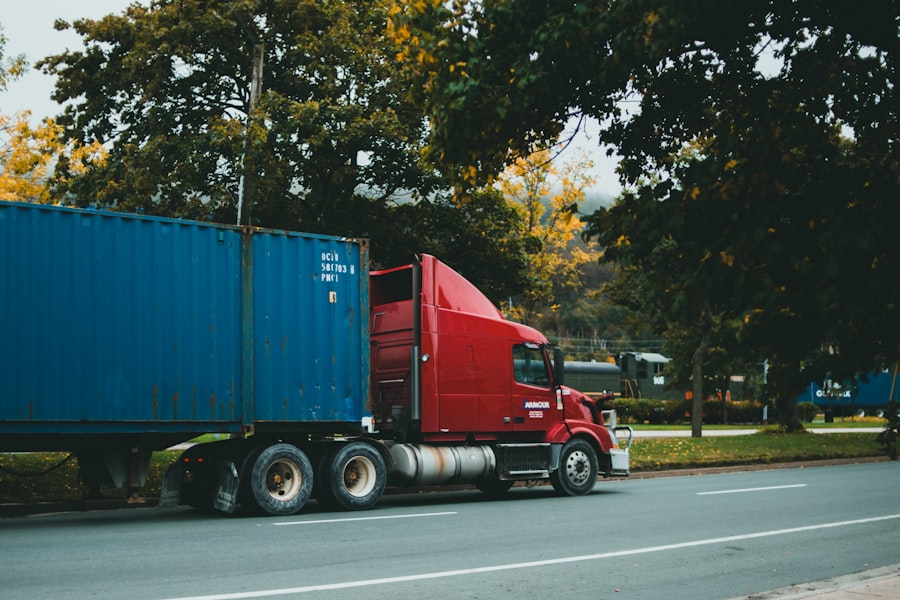
Navigating the turbulent waters of drayage rate volatility requires a proactive and strategic approach. Shippers cannot control global oil prices or geopolitical events, but they can implement strategies to manage their exposure and optimize their drayage spend.
Diversifying Carrier Relationships
Relying on a single drayage carrier can expose a shipper to individual carrier capacity issues and rate increases.
Multiple Carrier Partnerships
Establishing relationships with multiple drayage carriers provides flexibility and redundancy. When one carrier faces capacity constraints or raises rates, a shipper has alternative options to explore. This strategy hedges against the risks associated with putting all one’s eggs in a single basket.
Understanding Carrier Specializations
Different carriers may specialize in specific lanes, equipment types, or service levels. Understanding these specializations allows shippers to select the most appropriate and cost-effective carrier for each particular move. This ensures the right tool is always used for the right job, maximizing efficiency.
Leveraging Technology and Data Analytics
In an increasingly data-driven world, technology offers powerful tools for understanding and predicting drayage rate movements.
Real-time Visibility Platforms
Implementing platforms that offer real-time visibility into drayage operations, including truck positioning, estimated arrival times, and port status, allows shippers to proactively identify potential delays and make informed decisions. This is akin to having a clear view of the weather ahead, allowing for timely adjustments.
Predictive Analytics
Utilizing data analytics to identify historical rate patterns, peak seasons, and common surge pricing events can help shippers anticipate future rate fluctuations and budget accordingly. This involves learning from the past to better prepare for the future.
Rate Benchmarking Tools
Access to rate benchmarking tools allows shippers to compare their current rates against market averages, helping to negotiate more effectively and identify instances where they may be overpaying. This is like having a compass to confirm one is on the right financial bearing.
Optimizing Drayage Operations
Internal operational efficiencies can significantly reduce drayage costs, even amidst rate volatility.
Minimizing Demurrage and Detention
Demurrage (charges for containers remaining at the port beyond the free time) and detention (charges for chassis held beyond the free time) are significant avoidable costs. Efficient planning, timely Customs clearance, and prompt pickup/return of containers are crucial for minimizing these fees. This requires a finely tuned logistical machine, where every component works in harmony to avoid unnecessary friction and cost.
Improving Warehouse Efficiency
Streamlining warehouse operations to ensure containers can be unloaded and returned quickly reduces detention charges. This often involves sufficient staffing, efficient equipment, and well-organized receiving processes. A swift and smooth operation is the key to unlocking cost savings.
Consolidating Shipments
When possible, consolidating smaller shipments into fewer, larger containers can reduce the total number of drayage moves required, leading to cost savings. This is the art of packing smart, minimizing the number of journeys required.
Exploring Alternative Contract Structures
Traditional spot market pricing can expose shippers to the full brunt of rate volatility. Exploring alternative contract structures can offer greater stability.
Long-Term Contracts (with Fuel Surcharge Clauses)
Negotiating long-term contracts with drayage carriers can provide greater rate stability. While these contracts will still typically include fuel surcharge clauses, they can offer predictable base rates and capacity commitments. This offers a degree of certainty in an uncertain world.
Fixed-Rate Agreements (for specific lanes)
For high-volume, predictable lanes, shippers may be able to negotiate fixed-rate agreements with carriers, potentially excluding or capping fuel surcharges. This provides the highest level of price predictability for specific routes.
Drayage Management Services
Engaging with a third-party logistics (3PL) provider specializing in drayage can offer a single point of contact for managing multiple carriers, optimizing routes, and negotiating rates. These providers often have greater leverage and expertise to navigate the complex drayage market. This is outsourcing the navigational challenges to an expert pilot.
The Future Landscape of Drayage Rates

The future of drayage rates will likely continue to be shaped by current trends and emerging technologies. Automation, autonomous trucking, and further regulatory pressures will undoubtedly play a role.
Automation and Autonomous Technology
The advent of automation in ports and eventually autonomous drayage trucks could fundamentally alter the cost structure of drayage, potentially reducing labor costs but requiring significant initial capital investment.
Port Automation
Increased automation within port terminals can improve efficiency, reduce ship turnaround times, and potentially alleviate congestion, which in turn could stabilize drayage rates.
Driverless Technology
While still in its nascent stages for widespread adoption, autonomous drayage trucks could, in the long term, address driver shortages and reduce operating expenses, though regulatory and societal acceptance remain significant hurdles.
Continued Emphasis on Sustainability
The drive for sustainability will continue to influence drayage operations and costs.
Electrification of Fleets
The transition to electric drayage trucks, while offering long-term environmental benefits and potentially lower operating costs (e.g., fuel), currently involves higher upfront acquisition costs that will likely be passed through to shippers.
Carbon Pricing and Taxes
The potential for carbon pricing or taxes on emissions could add another layer of cost to drayage operations, further driving the push towards cleaner fleets.
In conclusion, navigating drayage trucking rate volatility is an ongoing challenge that requires continuous attention, strategic planning, and a willingness to embrace technological advancements. By understanding the underlying drivers of these fluctuations and implementing proactive mitigation strategies, shippers can transform what appears to be a chaotic environment into a manageable and even predictable component of their supply chain. This requires not merely reacting to the waves but learning to read the currents and steer with foresight.
WATCH THIS 🔥 YOUR BILL JUST WENT UP: The $50 Billion Panama Canal Lie
FAQs
What is drayage trucking?
Drayage trucking refers to the transportation of goods over a short distance, typically as part of a longer overall shipping process. It often involves moving containers between ports, rail yards, and warehouses.
Why do drayage trucking rates fluctuate?
Drayage trucking rates fluctuate due to factors such as fuel prices, demand and supply imbalances, port congestion, labor availability, and changes in regulations or tariffs.
How does port congestion affect drayage trucking rates?
Port congestion can lead to delays and increased wait times for drayage trucks, which raises operational costs and results in higher rates to compensate for the inefficiencies.
What impact do fuel prices have on drayage trucking rates?
Fuel prices directly affect the operating costs of drayage trucks. When fuel prices rise, trucking companies often increase their rates to cover the additional expenses.
Can drayage trucking rate volatility affect supply chains?
Yes, volatility in drayage trucking rates can lead to unpredictable shipping costs and delays, which may disrupt supply chain planning and increase overall logistics expenses.