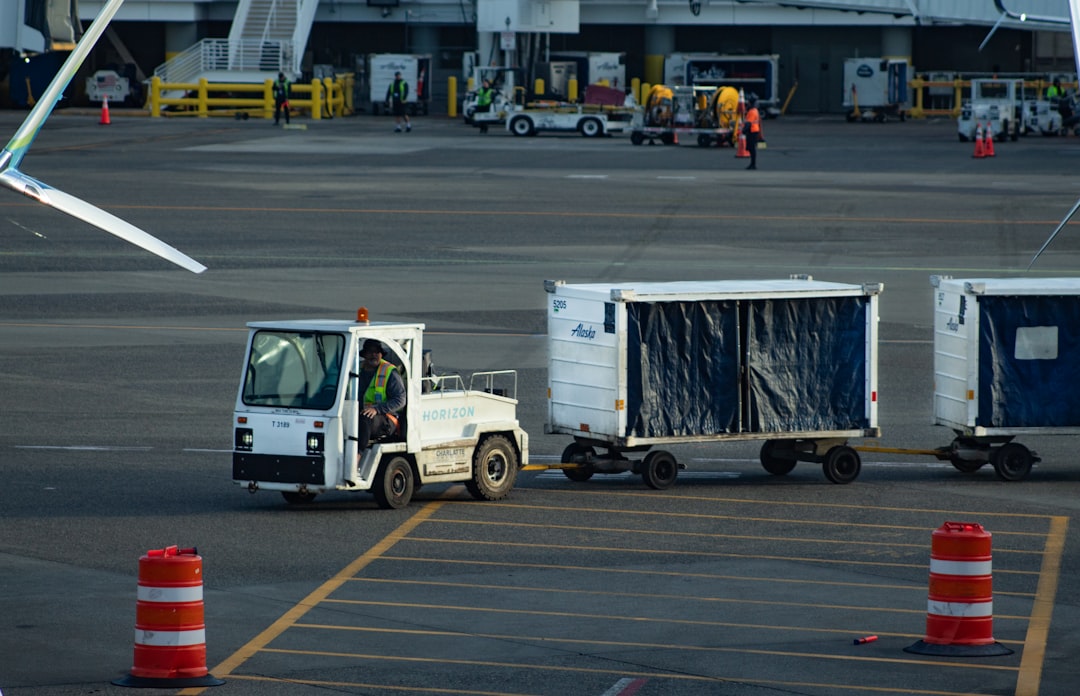
The Middle Corridor, a burgeoning transcontinental trade route, promises to reroute global commerce and strengthen connectivity between Asia and Europe. However, like any ambitious undertaking, its path is not without its obstacles. Among the most significant challenges are the customs inspection bottlenecks that can bring the flow of goods to a grinding halt. Understanding and addressing these critical junctures is paramount for realizing the full potential of this vital artery of international trade.
The Middle Corridor, also known as the Trans-Caspian International Transport Route (TITR), represents a crucial alternative to traditional trade routes, particularly the Northern Corridor through Russia. Its strategic importance lies in its geographical positioning, traversing Central Asia, the Caspian Sea, Azerbaijan, Georgia, and Turkey, before reaching Europe. This route offers several perceived advantages:
Diversification of Supply Chains
- Reduced Reliance on Single Routes: The geopolitical shifts and disruptions experienced on traditional routes have underscored the vulnerability of relying on a single transportation network. The Middle Corridor provides a vital diversification option, allowing businesses to spread their risk and maintain operational continuity even when other routes face challenges.
- Enhanced Resilience: By offering an alternative, the Middle Corridor contributes to a more resilient global trade ecosystem. It acts as a safety valve, ensuring that goods can still reach their destinations, albeit potentially with modified transit times.
Economic Development and Regional Integration
- Stimulating Growth in Transit Countries: The increased volume of goods transiting through Central Asian nations, Azerbaijan, Georgia, and Turkey is expected to stimulate economic growth in these regions. This includes job creation in logistics, infrastructure development, and ancillary services.
- Fostering Interregional Cooperation: The successful operation of the Middle Corridor necessitates and promotes closer economic and political cooperation among the participating countries. This can lead to harmonized regulations, improved infrastructure, and a more unified approach to trade facilitation.
- Bridging East and West: The corridor acts as a physical and economic bridge, connecting the burgeoning markets of Asia with the established economies of Europe. This facilitates not only the movement of goods but also the exchange of ideas and investment.
Customs inspection bottlenecks along the Middle Corridor have become a significant concern for trade efficiency and logistics. An insightful article discussing these challenges and potential solutions can be found on MyGeoQuest, which explores the implications of these delays on regional trade dynamics. For more information, you can read the article here: MyGeoQuest.
Identifying the Pillars of Custom Inspection Bottlenecks
Customs inspections, while a necessary component of international trade for security and revenue collection, can inadvertently become significant chokepoints. On the Middle Corridor, these bottlenecks manifest at various stages of the journey, driven by a confluence of factors.
Divergent Regulatory Frameworks
- Varied National Laws and Procedures: Each country along the Middle Corridor operates under its own set of customs laws, regulations, and inspection procedures. This patchwork of rules can create confusion and delays as goods move from one jurisdiction to another. For instance, chemical classifications or agricultural product import requirements might differ significantly, necessitating separate examinations and documentation at each border.
- Inconsistent Application of Standards: Even when regulations are broadly similar, the interpretation and enforcement of these standards can vary. This inconsistency can lead to unpredictable inspection outcomes, with the same goods being subject to different levels of scrutiny or encountering unexpected hurdles in different countries.
- Documentary Discrepancies: The sheer volume of paperwork required for international shipments, coupled with the different formats and languages used across countries, often leads to errors or omissions. These discrepancies, even minor ones, can be sufficient cause for delays as customs officials meticulously check every detail against their national requirements.
Technological Gaps and Infrastructure Deficiencies
- Outdated Inspection Equipment: Some border crossings may lack state-of-the-art inspection equipment, such as advanced X-ray scanners, radiation detectors, or chemical trace detectors. This can necessitate more time-consuming manual inspections and limit the efficiency of screening processes.
- Limited Digitalization and Data Exchange: A lack of integrated, digital customs systems across the corridor means that information often has to be manually entered and re-entered at each stage. This not only increases the risk of human error but also creates significant delays in data processing and verification. The absence of real-time data sharing between customs authorities is akin to trying to navigate a complex waterway with only paper charts while others have advanced GPS.
- Inadequate Physical Infrastructure: Overcrowded inspection yards, insufficient parking areas for trucks, and a lack of modern processing facilities can create physical bottlenecks. During peak periods, these deficiencies are exacerbated, leading to lengthy queues of vehicles waiting for clearance.
Human Resource Constraints and Training Gaps
- Staffing Shortages: Many customs agencies in the transit countries may be understaffed, leading to overworked officials and longer processing times, especially during periods of high traffic. The sheer volume of goods necessitates a robust and efficient workforce.
- Inadequate Training and Expertise: The dynamic nature of international trade, including evolving security threats and new types of commodities, requires continuous training for customs personnel. A lack of specialized training in areas such as risk assessment, cargo screening techniques, or specific commodity inspections can impact the speed and accuracy of inspections.
- Corruption and Inefficiency: While not unique to the Middle Corridor, instances of corruption or systemic inefficiency within customs administrations can significantly impede the smooth flow of goods. This can manifest as arbitrary delays, demands for illicit payments, or a general lack of responsiveness.
Strategies for Streamlining Customs Operations
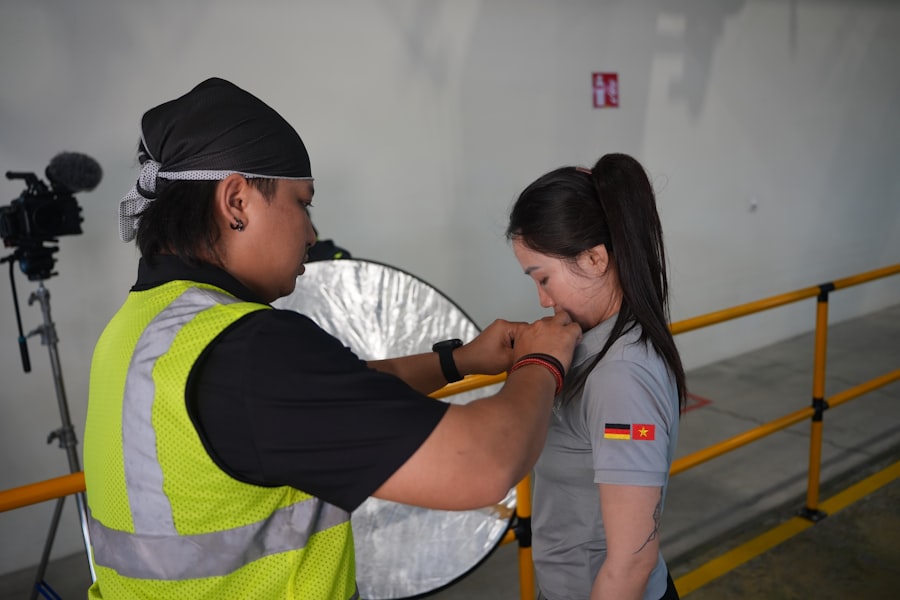
Addressing the customs inspection bottlenecks on the Middle Corridor requires a multi-pronged approach involving collaboration, technological advancement, and regulatory harmonization.
Promoting Harmonization and Simplification of Regulations
- Adoption of International Standards: Encouraging transit countries to adopt international customs standards and best practices, such as those set by the World Customs Organization (WCO), can lay a foundation for greater consistency. This includes aligning on terminology, risk management principles, and acceptable documentation.
- Bilateral and Multilateral Agreements: Negotiating bilateral and multilateral agreements among the corridor’s participating countries to simplify customs procedures and recognize each other’s inspection certifications can significantly reduce redundant checks. This could involve agreements on mutual recognition of Authorized Economic Operator (AEO) programs.
- Development of a Common Transit Procedure: Exploring the development of a harmonized transit procedure, similar to the EU’s Common Transit Convention, could allow for goods to be sealed and move through multiple countries with a single set of guarantees and a reduced number of physical inspections.
Leveraging Technology for Enhanced Efficiency
- Digitalization of Customs Processes: Implementing fully digitalized customs declaration and clearance systems is crucial. This includes single-window systems where traders can submit all required documents and information through a single online portal.
- Advanced Risk Management Systems: Investing in intelligent risk management systems that use data analytics and artificial intelligence to identify high-risk shipments for physical inspection while allowing low-risk cargo to pass quickly is essential. This allows officials to focus their resources where they are most needed.
- Implementation of Technology for Physical Inspection: Equipping border crossings with modern, high-speed inspection technologies, such as non-intrusive inspection (NII) equipment like advanced X-ray scanners and radiation detectors, can dramatically speed up the screening process without compromising security.
- Facilitating Secure Data Exchange: Establishing secure and reliable platforms for real-time data exchange between customs authorities of the transit countries is vital. This enables proactive risk assessment and reduces the need for manual information verification. Investing in robust cybersecurity measures to protect this data is paramount.
Enhancing Human Capital and Capacity Building
- Targeted Training Programs: Developing and implementing comprehensive training programs for customs officials focusing on international best practices, risk assessment methodologies, use of new technologies, and specific commodity inspections is critical. This should include cross-training opportunities to foster understanding of different national procedures.
- Strengthening Interagency Cooperation: Promoting closer collaboration between customs authorities and other relevant government agencies (e.g., border guards, veterinary and phytosanitary services) within each country, and establishing mechanisms for interagency coordination across the corridor, can lead to more streamlined operations.
- Promoting Transparency and Integrity: Implementing robust anti-corruption measures and fostering a culture of integrity within customs administrations are essential for ensuring fair and efficient operations. This can include transparent performance metrics and grievance redressal mechanisms.
The Role of Private Sector Engagement
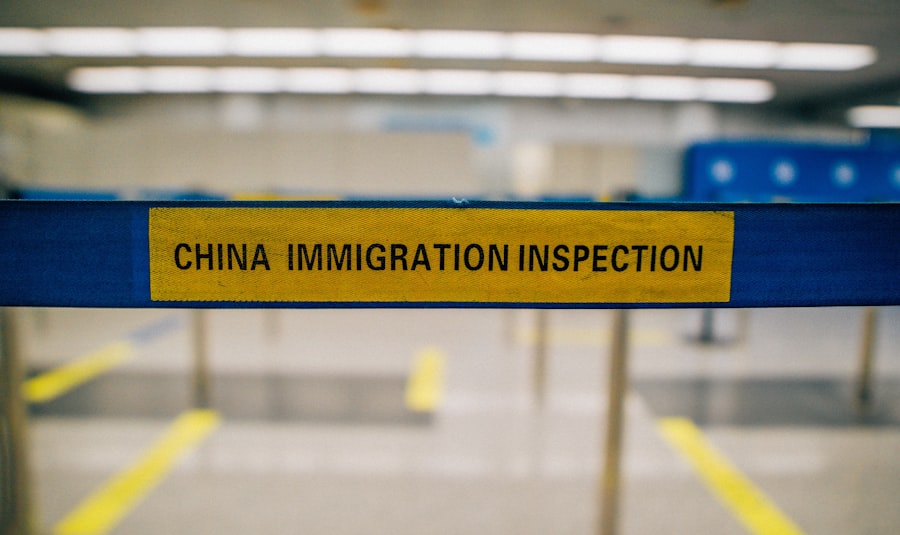
The private sector, as the primary user of the Middle Corridor, has a significant role to play in overcoming customs inspection bottlenecks. Their active participation can drive innovation and advocate for necessary reforms.
Facilitating Authorized Economic Operator (AEO) Programs
- Recognizing and Expanding AEO Status: Encouraging the development and mutual recognition of Authorized Economic Operator (AEO) programs is a key strategy. AEOs are trusted traders who adhere to stringent security and supply chain practices. Granting AEOs expedited customs clearance at borders significantly reduces inspection times for their shipments.
- Incentivizing AEO Participation: Governments can incentivize businesses to participate in AEO programs by offering tangible benefits, such as reduced inspections, priority processing, and dedicated points of contact. This creates a win-win scenario where trusted traders benefit from speed and efficiency, while customs authorities can focus on higher-risk cargo.
Investing in Technology and Infrastructure
- Private Sector Investment in Logistics Hubs: Private logistics companies can invest in modern warehousing, consolidation, and inspection facilities near border crossings. These facilities can streamline pre-inspection processes, pre-clearance activities, and the consolidation of goods, thereby reducing congestion at official customs points.
- Development of Digital Platforms and Solutions: Private technology providers can develop and offer innovative digital solutions for customs documentation, tracking, and communication, further enhancing the efficiency of the trade flow. This could include blockchain-based solutions for enhanced supply chain transparency and security.
Advocating for Reforms and Best Practices
- Industry Lobbying and Advocacy: Business associations and chambers of commerce can play a crucial role in advocating for regulatory reforms, harmonization of procedures, and the adoption of international best practices by governments along the Middle Corridor.
- Sharing Best Practices and Data: The private sector can contribute by sharing data on transit times and bottlenecks, as well as by highlighting successful implementation of efficient customs procedures in other regions. This real-world data can inform policy decisions and drive continuous improvement.
Customs inspection bottlenecks along the Middle Corridor have become a significant concern for trade efficiency, impacting the flow of goods between Asia and Europe. A recent article discusses the challenges faced by logistics companies in navigating these delays, highlighting the need for improved infrastructure and streamlined processes. For more insights on this topic, you can read the full article here. Addressing these bottlenecks is crucial for enhancing trade routes and ensuring timely deliveries.
The Future Outlook and the Way Forward
| Metric | Description | Value | Unit | Source/Date |
|---|---|---|---|---|
| Average Customs Clearance Time | Time taken to clear goods through customs at Middle Corridor checkpoints | 48 | Hours | Q1 2024 Report |
| Inspection Rate | Percentage of shipments subjected to physical inspection | 35 | % | 2023 Data |
| Daily Shipment Volume | Number of shipments passing through customs daily | 1200 | Shipments | March 2024 |
| Customs Staff Availability | Number of customs officers on duty per shift | 45 | Officers | 2024 Staffing Report |
| Average Delay Due to Bottlenecks | Additional waiting time caused by inspection bottlenecks | 12 | Hours | Q1 2024 Analysis |
| Percentage of Delayed Shipments | Share of shipments delayed beyond expected clearance time | 28 | % | 2023 Annual Review |
The Middle Corridor represents a dynamic and evolving trade route. While the customs inspection bottlenecks are a significant challenge, they are not insurmountable. The commitment of all stakeholders, from governments and international organizations to private sector entities, is crucial for unlocking the corridor’s full potential.
Continued International Cooperation and Coordination
- Sustained Diplomatic Efforts: Continued diplomatic engagement and commitment from the participating countries are essential for driving the necessary policy changes and ensuring that reforms are implemented consistently. This requires a shared vision and a willingness to compromise.
- Multilateral Initiatives: Supporting and participating in multilateral initiatives aimed at improving trade facilitation, such as those spearheaded by organizations like the UNESCAP, ADB, and EU, can provide a framework for coordinated action and technical assistance.
- Capacity Building Programs: Ongoing and well-funded capacity-building programs for customs administrations in transit countries are vital to ensure they have the skills and resources to adapt to evolving trade landscapes and implement modern customs practices.
Technological Advancement and Digital Transformation
- Embracing Emerging Technologies: The future of customs clearance lies in the continued adoption and integration of emerging technologies. This includes exploring the potential of artificial intelligence for predictive analytics, blockchain for enhanced supply chain transparency, and advanced sensor technologies for comprehensive cargo screening.
- Cross-Border Digital Integration: Moving beyond national digital systems to achieve robust cross-border digital integration is the ultimate goal. This means creating a seamless flow of digital information between customs authorities, enabling true end-to-end digitalization of the trade process. This transformative shift will be akin to upgrading from individual, unconnected tributaries to a single, powerful river system.
Long-Term Vision for the Middle Corridor
The journey of the Middle Corridor is one of ambition and adaptation. By proactively addressing the customs inspection bottlenecks, the participating nations can transform this emerging route from a nascent aspiration into a robust and reliable conduit for global commerce. The success of this endeavor will not only benefit the immediate stakeholders but will also contribute to a more interconnected, resilient, and prosperous global economy. The ongoing efforts to streamline customs processes are not merely bureaucratic adjustments; they are the essential engineering required to ensure this vital artery of trade flows freely, carrying the lifeblood of global commerce efficiently and securely.
FAQs
What is the Middle Corridor in the context of customs inspection?
The Middle Corridor refers to a key transit route connecting Central Asia and Europe, often involving countries like Kazakhstan, Azerbaijan, and Georgia. It is used for the transportation of goods and is subject to customs inspections at various border points.
What causes customs inspection bottlenecks along the Middle Corridor?
Bottlenecks can be caused by factors such as limited inspection capacity, complex regulatory procedures, inadequate infrastructure, increased cargo volumes, and coordination challenges between different customs authorities.
How do customs inspection bottlenecks affect trade along the Middle Corridor?
Bottlenecks can lead to delays in cargo clearance, increased transportation costs, reduced reliability of delivery times, and overall inefficiencies in the supply chain, impacting businesses and trade flows.
What measures are being taken to reduce customs inspection bottlenecks on the Middle Corridor?
Efforts include modernizing customs infrastructure, implementing digital customs clearance systems, enhancing cooperation between countries, streamlining procedures, and increasing staffing and training for customs officials.
Why is the Middle Corridor important for international trade?
The Middle Corridor offers a shorter and potentially faster route between Asia and Europe compared to traditional routes, facilitating trade diversification, reducing transit times, and supporting economic development in the region.