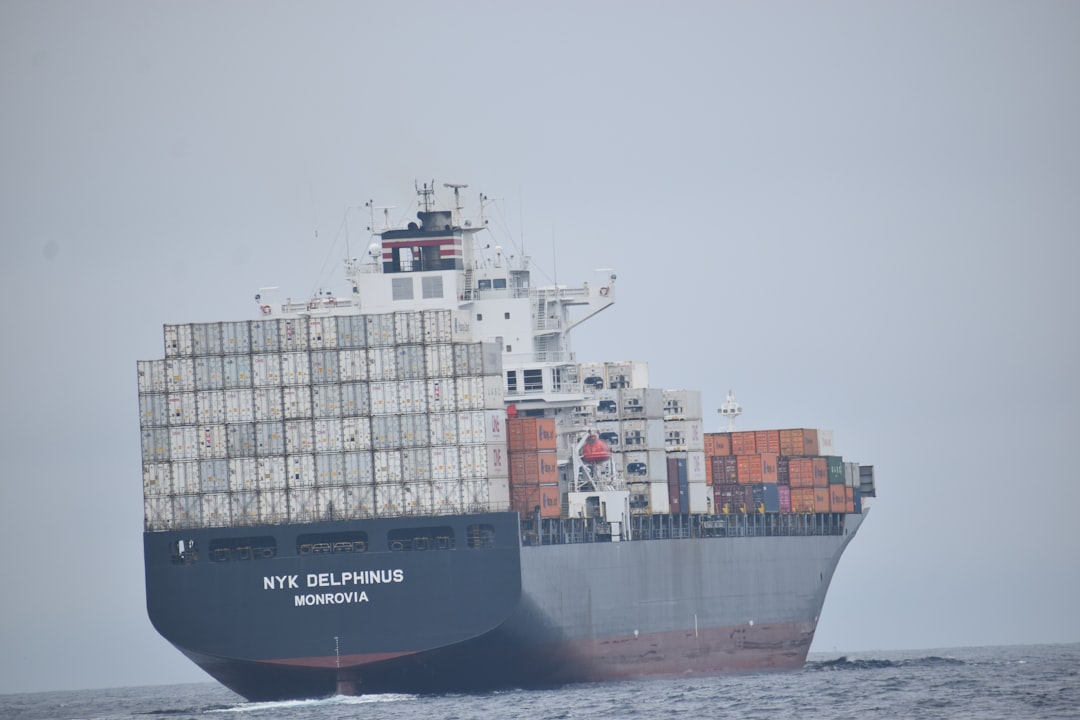
The Malacca Strait, a narrow stretch of water between the Malay Peninsula and the Indonesian island of Sumatra, serves as one of the most significant maritime passages in the world. Spanning approximately 550 miles, this strait connects the Andaman Sea to the South China Sea, facilitating a vital link for international trade. The strategic importance of the Malacca Strait cannot be overstated, as it is one of the busiest shipping lanes globally, with thousands of vessels traversing its waters each year.
This waterway is particularly crucial for container shipping, as it serves as a shortcut for ships traveling between Europe and Asia, significantly reducing transit times and costs. The historical significance of the Malacca Strait dates back centuries, when it was a key route for traders and explorers. Today, it remains a focal point for global commerce, with an estimated one-third of the world’s shipping traffic passing through its waters.
The strait’s geographical features, including its narrow width and shallow depths in certain areas, present unique challenges and opportunities for container shipping. As global trade continues to expand, understanding the dynamics of this vital waterway becomes increasingly important for stakeholders in the shipping industry.
Key Takeaways
- The Malacca Strait is a critical maritime route for global container shipping, linking major economies.
- Navigating the strait poses challenges such as narrow passages, heavy traffic, and piracy risks.
- Safety and security measures, including strict regulations and advanced navigational aids, are essential for safe passage.
- Environmental concerns focus on pollution and ecosystem protection amid increasing shipping activities.
- Technological advancements and weather monitoring improve navigation efficiency and safety in the strait’s future.
Importance of Container Shipping in the Malacca Strait
Container shipping plays a pivotal role in the economic landscape of the Malacca Strait. The strait serves as a conduit for a vast array of goods, from electronics to textiles, facilitating trade between major economies such as China, Japan, and India. The efficiency of container shipping has revolutionized global trade by allowing for the rapid movement of large quantities of goods across vast distances.
In the context of the Malacca Strait, this efficiency is amplified by the strait’s strategic location, which enables vessels to bypass longer routes around the southern tip of Africa. Moreover, the economic implications of container shipping in the Malacca Strait extend beyond mere transportation. The strait supports numerous port facilities along its banks, including major ports like Port Klang in Malaysia and Tanjung Priok in Indonesia.
These ports serve as critical hubs for transshipment and distribution, creating jobs and stimulating local economies. The interdependence between container shipping and regional development underscores the importance of maintaining a robust maritime infrastructure in the Malacca Strait.
Challenges of Navigating Container Shipping in the Malacca Strait

Despite its significance, navigating container shipping in the Malacca Strait is fraught with challenges. One of the primary concerns is the strait’s geographical constraints. With its narrow passages and shallow depths, larger vessels often face difficulties maneuvering through certain sections.
This limitation necessitates careful planning and navigation to avoid grounding or collisions, which can have dire consequences for both the vessels and the environment. Additionally, the high volume of traffic in the Malacca Strait contributes to congestion and increases the risk of maritime accidents. The strait is known for its busy shipping lanes, where vessels from various countries converge.
This situation can lead to navigational errors and potential collisions if not managed effectively. Furthermore, piracy remains a persistent threat in certain areas of the strait, posing risks to both crew safety and cargo security. Addressing these challenges requires a concerted effort from maritime authorities and shipping companies to implement effective strategies for safe navigation.
Safety Measures for Container Shipping in the Malacca Strait
To mitigate the risks associated with navigating container shipping in the Malacca Strait, various safety measures have been implemented. One key initiative is the establishment of traffic separation schemes (TSS), which help organize vessel movements and reduce the likelihood of collisions. These designated lanes guide ships through the strait, ensuring that vessels travel in an orderly manner while minimizing congestion.
In addition to TSS, enhanced communication systems play a crucial role in promoting safety on the water. The use of Automatic Identification Systems (AIS) allows vessels to share their positions and movements in real-time, enabling better situational awareness among mariners. Furthermore, regular safety drills and training programs for crew members are essential to ensure that they are well-prepared to respond to emergencies.
By fostering a culture of safety within the shipping industry, stakeholders can work together to create a safer environment for container shipping in the Malacca Strait.
Environmental Concerns in the Malacca Strait
| Metric | Value | Unit | Notes |
|---|---|---|---|
| Annual Container Throughput | 80 | Million TEUs | Estimated volume passing through Malacca Strait |
| Average Transit Time | 1.5 | Days | Time taken to cross the Malacca Strait |
| Number of Container Ships Daily | 200 | Ships | Average daily container ship traffic |
| Strait Width at Narrowest Point | 1.5 | Kilometers | Width of the Malacca Strait at the narrowest section |
| Average Ship Waiting Time | 12 | Hours | Average waiting time due to congestion or navigation |
| Annual Revenue from Shipping Fees | 5.5 | Billion | Revenue generated from tolls and fees (non-currency specific) |
| Percentage of Global Container Shipping | 30 | Percent | Share of global container shipping volume passing through the strait |
The environmental implications of container shipping in the Malacca Strait are significant and warrant careful consideration. The strait’s delicate marine ecosystem is home to diverse species, including endangered marine life such as dugongs and sea turtles. The increased traffic from container ships raises concerns about pollution and habitat degradation.
Oil spills, ballast water discharge, and waste from vessels can have detrimental effects on marine biodiversity and water quality. Moreover, noise pollution from large vessels can disrupt marine life communication patterns and breeding behaviors. As global trade continues to grow, it is imperative that stakeholders prioritize environmental sustainability in their operations.
Implementing stricter regulations on emissions and waste management can help mitigate these impacts while promoting responsible shipping practices. Collaborative efforts between governments, environmental organizations, and shipping companies are essential to safeguard the ecological integrity of the Malacca Strait.
Technological Advancements in Container Shipping in the Malacca Strait
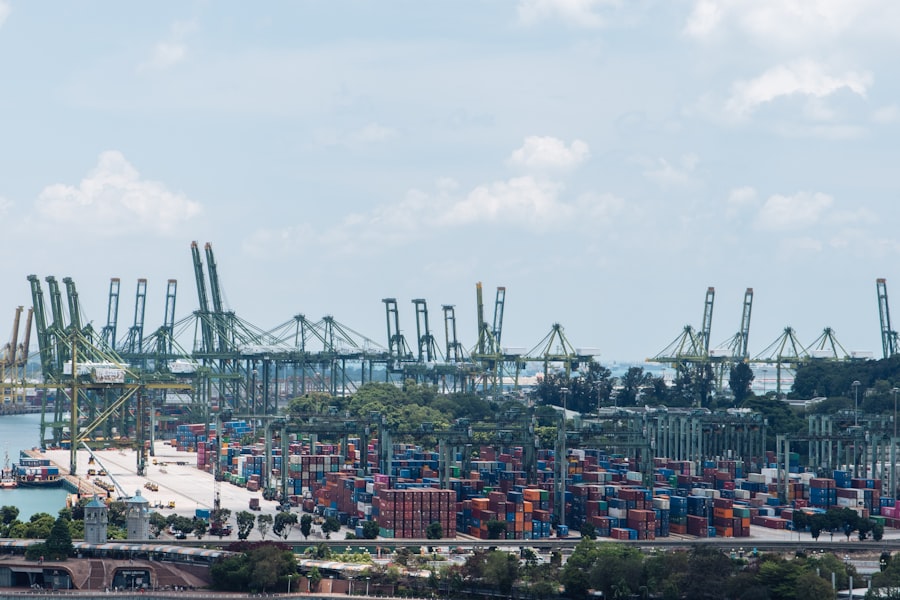
Technological advancements have revolutionized container shipping in recent years, enhancing efficiency and safety in navigating the Malacca Strait. Innovations such as automated navigation systems and advanced weather forecasting tools have transformed how vessels operate within this critical waterway. These technologies enable ships to optimize their routes based on real-time data, reducing fuel consumption and minimizing transit times.
Furthermore, digital platforms for cargo tracking and management have improved supply chain transparency. Stakeholders can monitor shipments throughout their journey, allowing for better coordination and timely responses to potential disruptions. The integration of artificial intelligence (AI) into shipping operations also holds promise for predictive maintenance and risk assessment, enabling companies to proactively address issues before they escalate.
As technology continues to evolve, its application in container shipping will play a vital role in shaping the future of maritime trade in the Malacca Strait.
Navigational Aids and Regulations in the Malacca Strait
Navigational aids are essential for ensuring safe passage through the Malacca Strait’s challenging waters. Lighthouses, buoys, and radar systems provide critical information to mariners navigating this busy shipping lane. These aids help vessels identify safe routes while avoiding hazards such as shallow areas or submerged rocks.
In addition to physical navigational aids, regulatory frameworks govern maritime activities within the strait.
The cooperation between regional countries is vital for effective enforcement of these regulations, as many vessels operating in the strait are registered under different flags.
By fostering collaboration among nations, stakeholders can enhance navigational safety and promote responsible shipping practices throughout the Malacca Strait.
Impact of Weather on Container Shipping in the Malacca Strait
Weather conditions significantly influence container shipping operations in the Malacca Strait. The region is prone to tropical storms and monsoon seasons that can create hazardous conditions for vessels at sea. Heavy rainfall and strong winds can lead to reduced visibility and increased wave heights, posing challenges for navigation.
Shipping companies must remain vigilant during adverse weather conditions by closely monitoring forecasts and adjusting their routes accordingly. Delays caused by inclement weather can disrupt supply chains and impact delivery schedules. Therefore, effective communication between ship operators and port authorities is crucial for managing these challenges.
By implementing contingency plans and utilizing advanced weather tracking technologies, stakeholders can minimize disruptions caused by weather-related events.
Security Measures for Container Shipping in the Malacca Strait
Security remains a paramount concern for container shipping in the Malacca Strait due to its vulnerability to piracy and other criminal activities. In response to these threats, various security measures have been implemented to safeguard vessels and their cargoes. Increased naval patrols by regional authorities help deter piracy attempts while providing a visible presence that enhances maritime security.
Additionally, collaboration between governments and international organizations has led to initiatives aimed at improving information sharing among maritime stakeholders. This cooperation enables timely responses to security threats while fostering a culture of vigilance within the shipping community. Furthermore, companies are increasingly investing in onboard security measures such as surveillance systems and armed escorts for high-risk routes.
By prioritizing security protocols, stakeholders can protect their assets while ensuring safe passage through this critical maritime corridor.
Future of Container Shipping in the Malacca Strait
The future of container shipping in the Malacca Strait appears promising yet complex as global trade dynamics continue to evolve. With increasing demand for goods driven by population growth and economic development, container traffic through this vital waterway is expected to rise further. However, this growth will necessitate innovative solutions to address existing challenges related to navigation safety, environmental sustainability, and security.
Emerging trends such as digitalization and automation are likely to shape the future landscape of container shipping in the strait. As technology continues to advance, stakeholders must adapt their operations to leverage these innovations effectively while prioritizing safety and environmental stewardship. Additionally, fostering collaboration among regional countries will be essential for addressing shared challenges and ensuring that the Malacca Strait remains a safe and efficient corridor for global trade.
Conclusion and Recommendations for Navigating Container Shipping in the Malacca Strait
In conclusion, navigating container shipping in the Malacca Strait presents both opportunities and challenges that require careful consideration from all stakeholders involved. The strait’s strategic importance as a major maritime route underscores the need for effective management practices that prioritize safety, environmental sustainability, and security. To enhance navigation safety within this critical waterway, it is recommended that stakeholders invest in advanced navigational aids while promoting adherence to international regulations governing maritime operations.
Additionally, fostering collaboration among regional countries will be vital for addressing shared challenges related to piracy prevention and environmental protection. Furthermore, embracing technological advancements can significantly improve operational efficiency while minimizing environmental impacts associated with container shipping activities. By prioritizing these recommendations, stakeholders can work together to ensure that container shipping remains a vital component of global trade while safeguarding the integrity of the Malacca Strait for future generations.
The Malacca Strait is a crucial maritime route for container shipping, serving as a key passage for vessels traveling between the Indian Ocean and the South China Sea. The strategic importance of this waterway is highlighted in a related article that discusses the challenges and opportunities faced by shipping companies operating in this region.