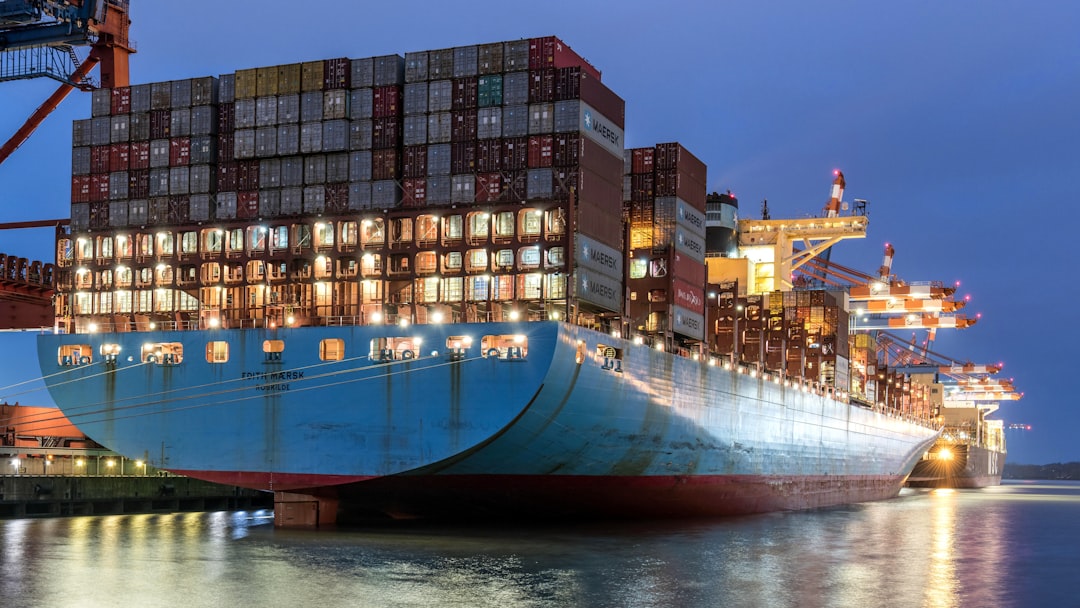
The Great Lakes shipping industry plays a pivotal role in the transportation of goods across North America. Comprising five interconnected freshwater lakes—Superior, Michigan, Huron, Erie, and Ontario—this vast system serves as a crucial artery for trade, linking the heartland of the United States and Canada to international markets. The industry is characterized by its unique blend of historical significance and modern economic importance, with vessels transporting a diverse array of cargo, including iron ore, coal, grain, and manufactured goods.
The Great Lakes have long been a vital conduit for commerce, facilitating the movement of millions of tons of freight each year. As the industry continues to evolve, it faces a myriad of challenges and opportunities that shape its future. The intricate network of ports, shipping routes, and logistics operations requires constant adaptation to changing market demands and environmental conditions.
Understanding the complexities of the Great Lakes shipping industry is essential for stakeholders, policymakers, and communities that rely on its success. This article delves into the various challenges and advancements within the industry, providing a comprehensive overview of its current state and future prospects.
Key Takeaways
- The Great Lakes shipping industry plays a crucial role in the transportation of goods and resources across the region.
- Environmental challenges in the Great Lakes, such as invasive species and water pollution, pose significant threats to the ecosystem and shipping operations.
- Infrastructure and maintenance issues, including aging locks and dams, hinder the efficiency and safety of shipping in the Great Lakes.
- Economic and market challenges, such as fluctuating demand and competition from other transportation modes, impact the profitability of the shipping industry.
- Regulatory and compliance hurdles, including environmental regulations and safety standards, require careful navigation for companies operating in the Great Lakes shipping industry.
Environmental Challenges in the Great Lakes
The Great Lakes are not only a vital transportation route but also an ecological treasure. However, the shipping industry poses significant environmental challenges that threaten the delicate balance of this ecosystem. One of the most pressing issues is the introduction of invasive species through ballast water discharged by ships.
These non-native species can disrupt local ecosystems, outcompete native species, and lead to significant biodiversity loss. Efforts to manage and mitigate these impacts have become increasingly important as stakeholders recognize the need for sustainable practices within the industry. Pollution is another critical environmental concern associated with shipping in the Great Lakes.
The release of hazardous materials, oil spills, and other contaminants can have devastating effects on water quality and aquatic life. The industry must navigate stringent regulations aimed at reducing pollution while balancing operational efficiency.
Infrastructure and Maintenance Issues
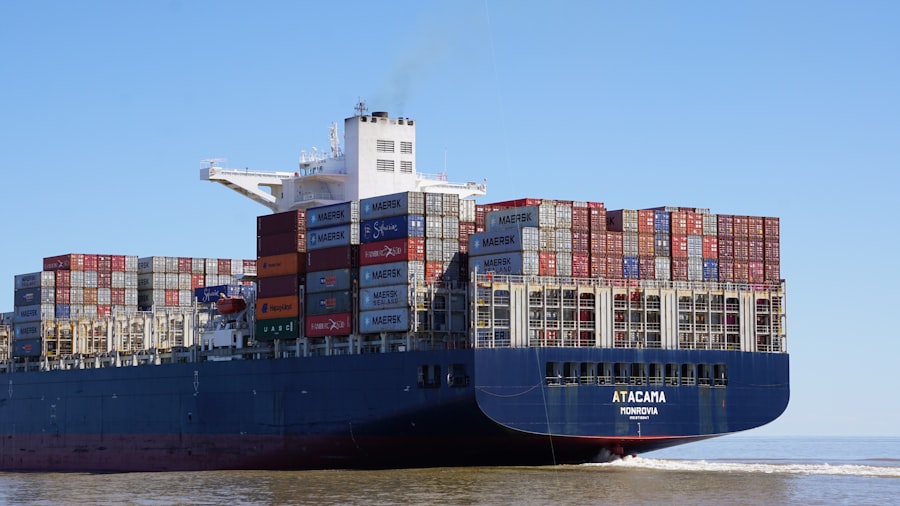
The infrastructure supporting the Great Lakes shipping industry is extensive but aging. Ports, docks, and navigational channels require regular maintenance to ensure safe and efficient operations. Many facilities were built decades ago and are now struggling to accommodate modern vessels that are larger and more technologically advanced.
This mismatch can lead to delays, increased operational costs, and safety hazards. Investment in infrastructure upgrades is essential to maintain the competitiveness of the Great Lakes as a shipping hub. Moreover, weather-related challenges can exacerbate infrastructure issues.
Ice formation during winter months can hinder navigation, while heavy rainfall can lead to flooding that disrupts port operations. The need for resilient infrastructure that can withstand these environmental stresses is paramount. Stakeholders must collaborate to develop comprehensive maintenance plans that prioritize safety and efficiency while addressing the unique challenges posed by the Great Lakes’ climate.
Economic and Market Challenges
| Challenges | Impact |
|---|---|
| Inflation | Rising prices of goods and services |
| Unemployment | Lack of job opportunities |
| Market Volatility | Fluctuations in stock prices |
| Trade Wars | Disruption of global trade |
The economic landscape for the Great Lakes shipping industry is influenced by various factors, including global trade dynamics, commodity prices, and regional demand. Fluctuations in these areas can significantly impact shipping volumes and profitability. For instance, a downturn in steel production can lead to decreased demand for iron ore shipments, while agricultural exports may rise or fall based on crop yields and international market conditions.
The industry’s reliance on specific commodities makes it vulnerable to economic shifts that can alter trade patterns. Additionally, competition from other transportation modes, such as rail and trucking, poses a challenge for the Great Lakes shipping industry. While shipping offers advantages in terms of cost-effectiveness for bulk cargo, it must continually demonstrate its value proposition to shippers who may opt for faster or more flexible alternatives.
To remain competitive, stakeholders must innovate and adapt their services to meet evolving market demands while emphasizing the environmental benefits of shipping over land-based transportation.
Regulatory and Compliance Hurdles
Navigating the regulatory landscape is a significant challenge for the Great Lakes shipping industry. A complex web of federal, state, and local regulations governs various aspects of shipping operations, from environmental compliance to safety standards. These regulations are designed to protect public health and the environment but can also create bureaucratic hurdles that slow down operations and increase costs.
Companies must invest time and resources into understanding and adhering to these regulations to avoid penalties and ensure smooth operations. Moreover, as environmental concerns gain prominence, regulatory frameworks are likely to become even more stringent. The industry must be proactive in adapting to these changes by implementing sustainable practices and investing in technologies that enhance compliance.
Collaboration with regulatory agencies can also foster a more efficient regulatory environment that balances economic growth with environmental stewardship.
Technological Advancements and Innovations
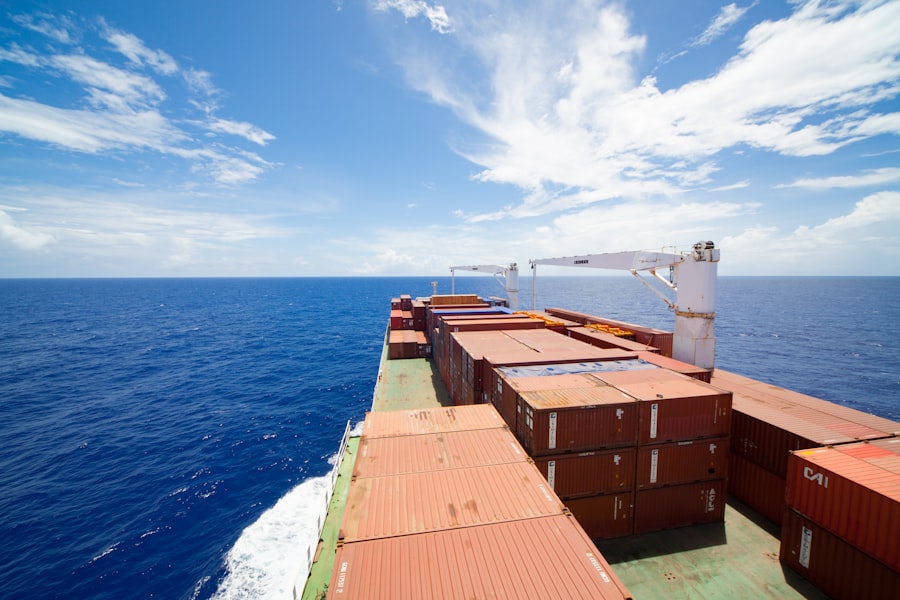
Technological advancements are reshaping the Great Lakes shipping industry in profound ways. Innovations in vessel design, navigation systems, and cargo handling have improved efficiency and safety while reducing environmental impacts. For example, the adoption of automated systems for cargo loading and unloading has streamlined operations at ports, minimizing turnaround times for vessels.
Additionally, advancements in navigation technology have enhanced route planning and safety measures, allowing ships to navigate more effectively through challenging conditions. Furthermore, the integration of data analytics and artificial intelligence is revolutionizing decision-making processes within the industry. By leveraging real-time data on weather patterns, traffic conditions, and cargo availability, companies can optimize their operations and reduce costs.
As technology continues to evolve, stakeholders must remain agile in adopting new solutions that enhance competitiveness while addressing environmental concerns.
Labor and Workforce Challenges
The Great Lakes shipping industry relies heavily on a skilled workforce to operate vessels and manage port operations effectively. However, labor shortages pose a significant challenge as experienced workers retire and fewer individuals enter the field. The industry must compete with other sectors for talent while also addressing perceptions about working conditions and job stability within maritime careers.
Attracting a new generation of workers requires targeted outreach efforts that highlight the benefits of careers in shipping. Training and education programs play a crucial role in developing a skilled workforce capable of meeting the industry’s evolving needs. Partnerships between educational institutions and industry stakeholders can help create pathways for individuals interested in maritime careers while ensuring that training aligns with current technological advancements.
By investing in workforce development initiatives, the Great Lakes shipping industry can build a resilient labor force prepared to tackle future challenges.
Safety and Security Concerns
Safety remains a top priority within the Great Lakes shipping industry as vessels navigate busy waterways filled with commercial traffic. The potential for accidents—whether due to human error or mechanical failure—poses risks not only to crew members but also to the environment and local communities. Implementing robust safety protocols and training programs is essential for minimizing these risks and ensuring safe operations across the region.
In addition to traditional safety concerns, security threats such as cyberattacks have emerged as significant challenges for the industry. As vessels become increasingly reliant on digital systems for navigation and communication, protecting these systems from malicious actors is paramount. Stakeholders must invest in cybersecurity measures that safeguard critical infrastructure while fostering a culture of security awareness among employees.
Impact of Climate Change on Shipping in the Great Lakes
Climate change presents both challenges and opportunities for the Great Lakes shipping industry. Rising temperatures can lead to altered weather patterns that affect navigation conditions—such as reduced ice cover during winter months or increased rainfall leading to flooding. These changes necessitate adaptive strategies that allow vessels to operate safely under varying conditions while minimizing disruptions to supply chains.
Conversely, climate change also opens up new opportunities for trade routes as previously inaccessible areas become navigable due to melting ice. The potential for expanded shipping routes could enhance economic prospects for the region; however, it also raises concerns about environmental impacts associated with increased traffic in sensitive areas. Balancing economic growth with ecological preservation will be crucial as stakeholders navigate this evolving landscape.
Collaboration and Partnerships in the Industry
Collaboration among stakeholders is essential for addressing the multifaceted challenges facing the Great Lakes shipping industry. Partnerships between government agencies, private companies, environmental organizations, and local communities can foster innovative solutions that benefit all parties involved. By working together on initiatives such as infrastructure improvements or environmental conservation efforts, stakeholders can create synergies that enhance operational efficiency while promoting sustainability.
Moreover, collaboration extends beyond regional boundaries as international partnerships become increasingly important in a globalized economy. Engaging with counterparts in Canada and other countries allows stakeholders to share best practices, address common challenges, and explore new market opportunities. By fostering a spirit of cooperation within the industry, stakeholders can build resilience against future uncertainties while driving growth.
Future Outlook for the Great Lakes Shipping Industry
The future outlook for the Great Lakes shipping industry is shaped by a combination of challenges and opportunities that require proactive engagement from all stakeholders involved. As environmental concerns continue to rise, there will be an increasing emphasis on sustainable practices that minimize ecological impacts while maintaining operational efficiency.
Additionally, workforce development initiatives will be vital in ensuring that the industry has access to skilled labor capable of navigating future challenges. By fostering collaboration among educational institutions, industry leaders, and government agencies, stakeholders can create pathways for individuals interested in maritime careers while addressing labor shortages. In conclusion, while the Great Lakes shipping industry faces numerous challenges—from environmental concerns to economic pressures—the potential for growth remains strong.
By embracing innovation, fostering collaboration, and prioritizing sustainability, stakeholders can position themselves for success in an ever-evolving landscape that holds promise for future generations.
The Great Lakes shipping industry faces numerous challenges, including fluctuating water levels and increasing competition from other transportation modes. For a deeper understanding of these issues and their impact on regional trade, you can read the article on this topic at