The energy landscape of Central Asia is at a pivotal juncture. For decades, the region’s economies have been deeply intertwined with the extraction and export of fossil fuels, particularly natural gas and oil. This reliance, while historically a source of revenue, now presents a complex web of challenges as the global imperative for decarbonization intensifies. Navigating this energy transition is not merely about replacing one energy source with another; it is a multifaceted endeavor encompassing economic diversification, technological advancement, geopolitical considerations, and social equity. The path ahead is strewn with obstacles, but also illuminated by the potential for a more sustainable and prosperous future.
Central Asia, encompassing Kazakhstan, Uzbekistan, Turkmenistan, Kyrgyzstan, and Tajikistan, inherited a substantial energy infrastructure from the Soviet era. This infrastructure was primarily geared towards the production and transport of hydrocarbons.
Infrastructure Rooted in Hydrocarbons
The vast reserves of oil and natural gas have been the bedrock of economic activity for these nations. Pipelines crisscross the region, connecting production sites to export markets, predominantly in Russia, China, and Europe. This established network, while efficient for its original purpose, represents a significant sunk cost and a powerful incumbent interest that can resist change. The sheer scale of this fossil fuel machinery means that “switching off” this engine is not a simple flick of a switch, but a complex and protracted process of repurposing and decommissioning.
Economic Vulnerability to Price Volatility
The heavy reliance on hydrocarbon exports makes Central Asian economies susceptible to global energy price fluctuations. A sharp decline in oil or gas prices can have a debilitating effect on national budgets, hindering development and exacerbating existing economic vulnerabilities. The energy transition, therefore, offers an opportunity to create a more resilient economic model, less hostage to the whims of international commodity markets.
Environmental Externalities and Costs
The environmental legacy of fossil fuel extraction and combustion is a growing concern. Issues such as methane leakage, water pollution from extraction activities, and air quality degradation in industrial centers contribute to localized environmental damage. These externalities, while not always fully accounted for in the economic calculus, represent real costs borne by populations and ecosystems. Addressing these requires a proactive approach that prioritizes cleaner energy alternatives and environmental remediation.
Central Asia faces significant challenges in its energy transition, particularly as countries strive to balance economic growth with environmental sustainability. A related article that delves deeper into these issues can be found at MyGeoQuest, where experts discuss the region’s reliance on fossil fuels, the potential for renewable energy sources, and the geopolitical implications of energy policies. This resource provides valuable insights into the complexities of transitioning to a more sustainable energy framework in Central Asia.
The Promise and Perils of Renewable Energy Integration
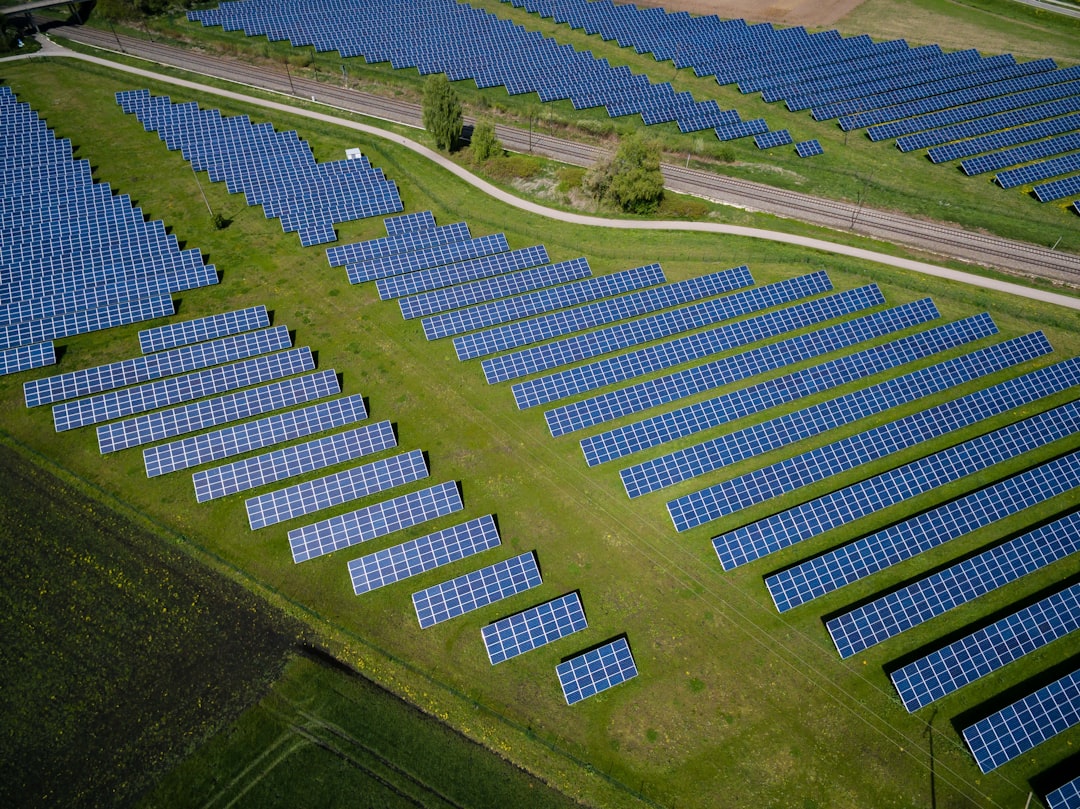
The abundant solar and wind resources across Central Asia present a compelling opportunity to diversify the energy mix and contribute to global decarbonization efforts. However, the integration of renewables into existing grids and economies is not without its hurdles.
Geographic Potential for Solar and Wind Power
Kazakhstan, in particular, possesses vast, sparsely populated steppe regions with exceptional solar potential. Uzbekistan has significant solar and wind resources. Turkmenistan, while rich in natural gas, also has untapped renewable potential. Kyrgyzstan and Tajikistan, with their mountainous terrain, have significant hydropower capacity which can be a cornerstone of their transition, but also face challenges related to seasonal variations and glacier melt due to climate change. The sheer scale of this untapped renewable energy is like a sleeping giant, waiting to be awakened.
Central Asia faces significant challenges in its energy transition, as countries in the region grapple with the need to shift from fossil fuels to more sustainable energy sources. An insightful article that delves into these issues can be found at MyGeoQuest, where it discusses the intricate balance between economic growth and environmental sustainability. The region’s reliance on traditional energy sources complicates efforts to implement renewable technologies, making it crucial for policymakers to navigate these complexities effectively.
Grid Modernization and Intermittency Management
A significant challenge is the need to modernize existing electricity grids, which were designed for the predictable output of centralized fossil fuel power plants. Renewable sources, such as solar and wind, are intermittent, meaning their output fluctuates with weather conditions. Integrating these variable sources requires significant investment in grid infrastructure, including smart grid technologies, energy storage solutions (batteries, pumped hydro), and improved transmission lines. Without this modernization, renewable energy sources will remain a marginal contributor, unable to reliably power entire economies.
Policy Frameworks and Investment Incentives
Attracting the necessary investment for renewable energy projects requires clear, stable, and attractive policy frameworks. This includes transparent regulations, streamlined permitting processes, and robust incentive mechanisms such as feed-in tariffs, tax breaks, and power purchase agreements. Investors need certainty and a predictable return on their investment. The absence of these can act as a significant deterrent, leaving promising renewable energy potential undeveloped.
Overcoming the “Greenwashing” Trap
It is crucial to ensure that the embrace of renewable energy is genuine and not merely a superficial “greenwashing” effort. The transition must be accompanied by a tangible reduction in fossil fuel reliance and a commitment to sustainable energy practices across the board. This requires robust monitoring, transparent reporting, and a clear understanding of the lifecycle impacts of different energy technologies.
Diversifying Economies Beyond Hydrocarbons

The energy transition is intrinsically linked to the broader economic imperative of diversification. Central Asian nations must move beyond their historical reliance on the export of raw materials and cultivate new, knowledge-based sectors.
Developing New Industrial Sectors
The export revenues from fossil fuels can be strategically reinvested in developing new industries that are less carbon-intensive. This could include manufacturing, technology, tourism, and sustainable agriculture. The skills and labor force developed in the energy sector can be re-trained and redeployed into these emerging sectors, akin to a shipbuilding nation embracing aviation.
Fostering Innovation and Entrepreneurship
A vibrant ecosystem of innovation and entrepreneurship is crucial for driving economic diversification. This involves supporting startups, fostering research and development, and creating an environment where new ideas can flourish. Universities and research institutions play a vital role in this, acting as incubators for future economic engines.
Strengthening Regional Economic Cooperation
Regional cooperation can accelerate economic diversification and create larger, more integrated markets. Collaborative efforts on infrastructure development, trade facilitation, and joint investment projects can unlock new opportunities for Central Asian nations. This can be particularly important for landlocked countries, where regional partnerships are essential for accessing global markets.
The Challenge of Social Equity in Transition
Ensuring that the benefits of the energy transition are shared equitably among all segments of society is paramount. This involves addressing potential job losses in the fossil fuel sector through retraining programs and social safety nets, and ensuring that new energy infrastructure and associated benefits reach all communities, not just urban centers. The transition should not leave entire communities behind, like a tide that lifts some boats but swamps others.
Geopolitical Dynamics and Regional Cooperation

Central Asia’s energy transition is deeply embedded within a complex geopolitical context, influenced by major global powers and regional dynamics. Navigating these external influences while pursuing national interests requires skillful diplomacy and strategic alliances.
The Influence of External Powers
Major global powers, including Russia, China, and European nations, have significant energy interests in Central Asia. Their involvement can either facilitate or complicate the transition. For instance, Chinese investment in renewable energy infrastructure can be beneficial, but the terms of such investments need careful scrutiny. Russia’s historical dominance in the region’s energy sector also presents a complex dynamic. Understanding these competing interests and forging partnerships that align with national transition goals is crucial. The
FAQs
What are the main energy sources currently used in Central Asia?
Central Asia primarily relies on fossil fuels such as natural gas, oil, and coal. Hydropower is also significant, especially in countries like Kyrgyzstan and Tajikistan, which have abundant water resources.
What challenges does Central Asia face in transitioning to renewable energy?
Key challenges include outdated infrastructure, limited investment, political and regulatory uncertainties, dependence on fossil fuel exports, and the need for regional cooperation to develop cross-border energy projects.
How important is regional cooperation for Central Asia’s energy transition?
Regional cooperation is crucial for sharing resources, integrating energy markets, and developing large-scale renewable projects. It can help optimize energy distribution and improve energy security across Central Asian countries.
What role do international organizations play in Central Asia’s energy transition?
International organizations provide financial support, technical expertise, and policy guidance to help Central Asian countries modernize their energy sectors, promote renewable energy, and improve energy efficiency.
What are the potential benefits of a successful energy transition in Central Asia?
A successful energy transition can lead to reduced greenhouse gas emissions, improved air quality, enhanced energy security, economic diversification, and increased access to clean and affordable energy for the population.