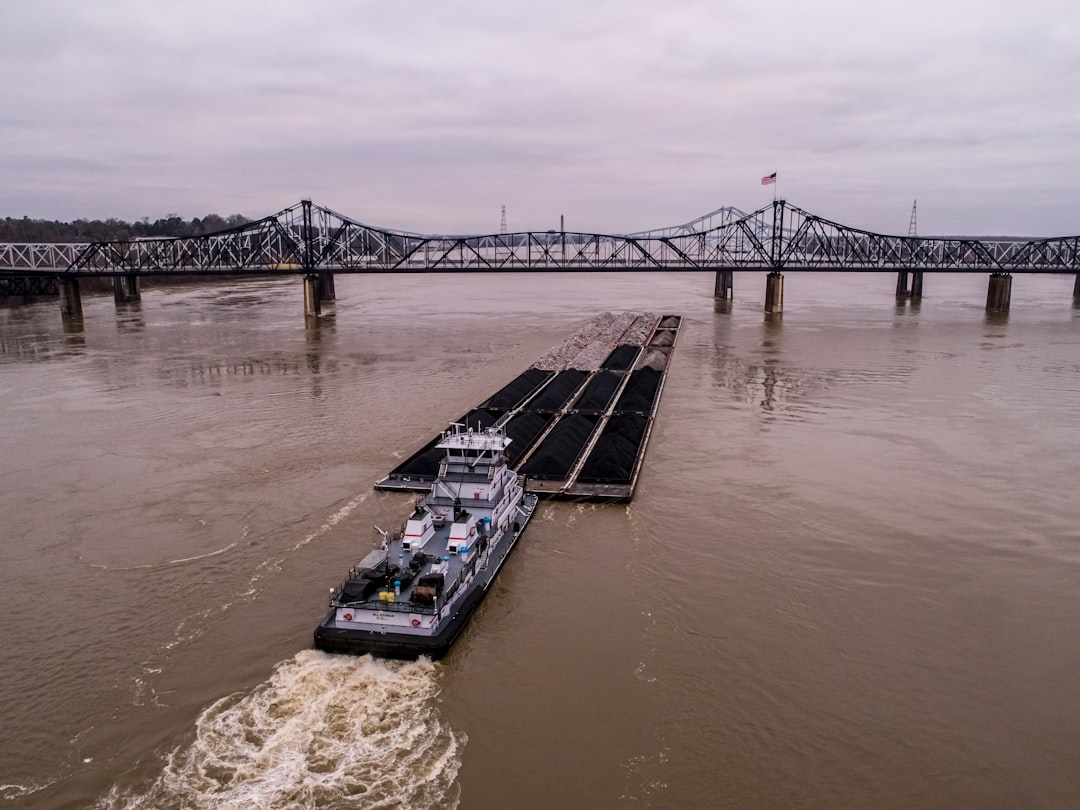
The Mississippi River, a dominant artery of American commerce, inherently shapes the nation’s logistical landscape. Within this complex ecosystem, rail transportation plays a pivotal role, particularly in regions where the river’s ebb and flow dictate infrastructure limitations. The challenge of navigating capacity limits on Mississippi River rail networks is a multifaceted issue, impacting everything from agricultural exports to intermodal freight distribution. Understanding these constraints is crucial for stakeholders – from shippers and carriers to policymakers and consumers – as they collectively bear the brunt of inefficiencies or reap the benefits of strategic advancements.
The Mississippi River’s serpentine path, carving through states and defining economic zones, intrinsically links its waterways to the rail lines running parallel or crossing its expanse. This geographical imperative creates unique challenges for rail capacity. The very nature of a river crossing, for instance, introduces bottlenecks that dry land routes often avoid. The recent developments in the Mississippi River infrastructure have significantly improved transportation and trade efficiency.
Bridge and Tunnel Bottlenecks
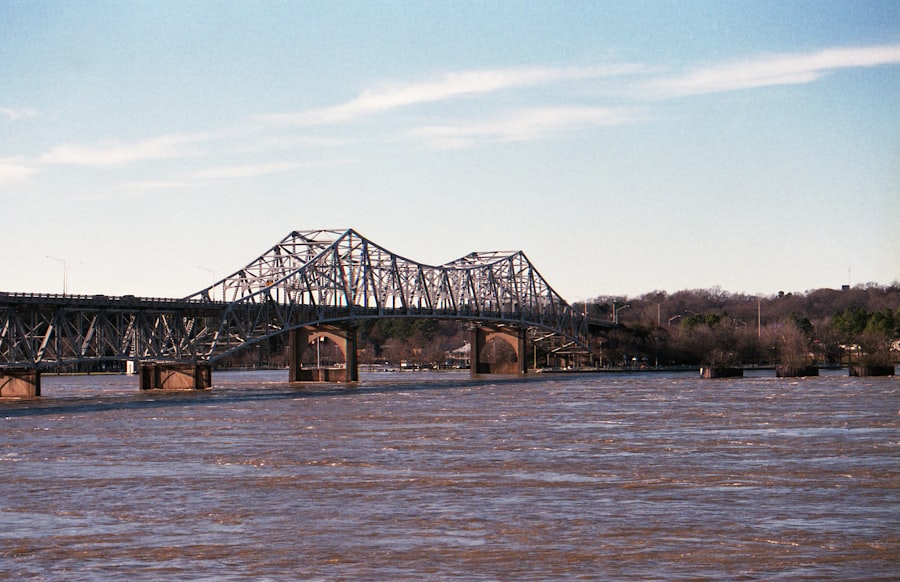
Bridges spanning the Mississippi, while engineering marvels, represent singular points of failure or congestion. Each bridge, regardless of its age or design, possesses a finite capacity for rail traffic. This capacity is determined by several factors:
- Structural Integrity and Load Limits: Older bridges may have restrictions on the weight and speed of trains they can accommodate, requiring slower crossings or lighter loads.
- Single-Track Crossings: Many historical bridges were built with a single track, acting as a choke point for bidirectional traffic. Trains must often wait for opposing traffic to clear the bridge before proceeding.
- Maintenance and Repair Cycles: Regular maintenance, while necessary for safety, necessitates temporary closures or reduced operational speeds, further impacting throughput.
- Intermodal Clearances: Some older bridges, particularly those with low clearances, may restrict the passage of modern double-stack intermodal containers, forcing rerouting or the use of single-stack containers, reducing per-train capacity.
Riverbank Constraints
The topography adjacent to the Mississippi River frequently presents its own set of challenges. Floodplains and unstable ground necessitate specific engineering solutions for rail lines.
- Embankment Stability: Building and maintaining stable embankments along a dynamic river presents ongoing engineering challenges, particularly during periods of high water.
- Limited Expansion Opportunities: Urban development along riverbanks often limits the geographic footprint available for expanding rail infrastructure, such as adding sidings or additional tracks.
- Environmental Regulations: Strict environmental protections for riverine ecosystems can complicate or prohibit new construction, compelling rail operators to optimize existing lines rather than expand.
The capacity limits of rail and truck transportation along the Mississippi River are critical for understanding the logistics and economic implications for the region. For a deeper insight into this topic, you can refer to a related article that discusses the challenges and opportunities faced by transportation networks in this vital corridor. To read more, visit this article.
The Ripple Effect of Demand Surges
Demand for rail transport along the Mississippi Corridor is rarely static. Seasonal agricultural harvests, fluctuations in global trade, and unexpected supply chain disruptions can create sudden, immense pressure on the existing rail network, exacerbating capacity issues.
Agricultural Export Peaks
The Mississippi River basin is a breadbasket, and its agricultural bounty frequently moves via rail to river ports for export. This creates predictable, yet challenging, capacity surges.
- Harvest Season Bottlenecks: During autumn, vast quantities of corn, soybeans, and wheat need to be transported from grain elevators to export terminals. This intense, concentrated demand can overwhelm rail lines, leading to congestion and delays.
- Unit Train Prioritization: Railroads often prioritize unit trains carrying bulk commodities during these periods, which can temporarily reduce capacity for other types of freight.
- Grain Car Availability: The cyclical nature of agricultural demand also impacts the availability of specialized grain cars, which can become scarce during peak seasons, further exacerbating capacity constraints.
Intermodal Traffic Volume
The growth of intermodal shipping, particularly from Gulf Coast ports, places additional strain on rail lines connecting these ports to inland distribution hubs.
- Port Congestion: Surges in containerized cargo arriving at Mississippi River ports, especially those with access to the Gulf of Mexico, translate directly into increased demand for rail outbound.
- “Peak Season” Dynamics: Retail “peak seasons,” such as those leading up to holidays, see a substantial increase in imported goods moving off ships and onto trains, creating predictable but intensive pressure points.
- Equipment Imbalance: The flow of intermodal containers can sometimes be imbalanced, leading to empty containers accumulating in certain locations while others face shortages, impacting overall efficiency.
Unforeseen Disruptions
While predictable surges are challenging, unforeseen events can create catastrophic disruptions, exposing latent capacity weaknesses.
- Weather Events: Flooding, ice storms, and high winds along the river corridor can halt or severely impede rail operations, causing widespread delays and rerouting.
- Track Infrastructure Failures: Derailments or unexpected damage to tracks, particularly on single-track lines or bridges, can completely shut down a segment of the network for extended periods. This has a cascade effect across the entire system.
- Labor Shortages: Shortages of qualified locomotive engineers, conductors, or maintenance staff can reduce the number of trains that can be operated or the speed at which maintenance can be performed, impacting overall capacity.
Technological Solutions and Infrastructure Investments
Addressing the capacity limits on Mississippi River rail lines requires a two-pronged approach: optimizing existing infrastructure through technology and making strategic investments in new infrastructure.
Signaling and Network Optimization
Leveraging advanced technologies can significantly improve the throughput of existing rail lines without requiring extensive physical expansion.
- Positive Train Control (PTC): While primarily a safety system, PTC also offers benefits for capacity by allowing for closer spacing of trains and more efficient traffic management. It can reduce the need for manual interventions and provide real-time data on train locations.
- Centralized Traffic Control (CTC) Upgrades: Modernizing CTC systems allows dispatchers to manage train movements more efficiently, reducing idle time at sidings and optimizing traffic flow across multiple segments of track. This ‘digital conductor’ ensures that trains keep moving with minimal delay.
- Predictive Analytics and AI: Using data to predict peak demand, potential congestion points, and equipment needs allows railroads to proactively adjust schedules, preposition resources, and mitigate bottlenecks before they fully materialize.
Track and Bridge Enhancements
Direct investment in the physical infrastructure remains a critical component of increasing capacity.
- Double-Tracking Projects: Converting single-track segments to double track significantly increases throughput by allowing trains to pass each other without needing to wait in sidings. This is often an expensive and geographically challenging undertaking along river corridors.
- Bridge Replacement and Modernization: Replacing older bridges with structures designed for higher load limits, double tracks, and improved clearances directly addresses some of the most stubborn bottlenecks.
- Siding Extensions and New Sidings: Lengthening existing sidings or constructing new ones provides more flexibility for trains to wait for opposing traffic or to allow faster trains to overtake slower ones, improving overall line speed and capacity.
Operational Strategies and Coordination
Beyond technology and infrastructure upgrades, the way rail operations are managed and coordinated plays a crucial role in maximizing existing capacity and mitigating congestion.
Optimized Train Scheduling
Sophisticated scheduling algorithms and real-time adjustments are essential to keep trains moving smoothly, especially in complex networks.
- Dynamic Routing: The ability to dynamically re-route trains around unexpected disruptions or congested areas can prevent issues from cascading across the network.
- Slot Management: Treating rail line segments like “time slots” for trains, similar to air traffic control, can optimize throughput and minimize delays.
- Crew Management Systems: Efficiently managing train crews, ensuring they are available where and when needed, prevents delays caused by crew shortages or Hours of Service (HOS) regulations.
Intermodal Facility Upgrades
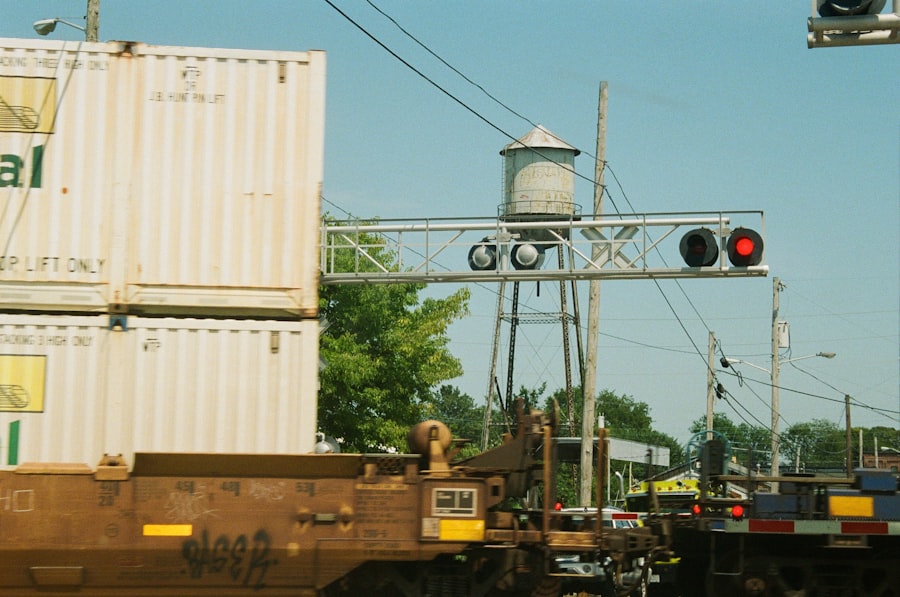
The efficiency of intermodal facilities, where containers are transferred between rail and truck, directly impacts the overall capacity of the rail network.
- Automated Gate Systems: Reducing manual processes at intermodal terminals improves traffic flow and reduces truck dwell times.
- Expanded Staging Yards: Providing ample space for staging trains and containers within intermodal facilities prevents congestion on main lines.
- Longer Lift Equipment: Investing in larger and faster cranes and lifting equipment can significantly reduce the time it takes to load and unload intermodal trains, speeding up throughput.
Collaboration and Information Sharing
The rail network does not operate in isolation. Effective collaboration among stakeholders is paramount.
- Shipper-Carrier Partnerships: Close communication and data sharing between shippers and railroads can lead to better forecasting of demand and more efficient scheduling.
- Inter-Railroad Cooperation: Many rail lines along the Mississippi are owned by different Class I railroads. Cross-network collaboration on scheduling, track sharing, and operational protocols can enhance fluidity across the entire corridor.
- Government and Regulatory Support: Governmental bodies play a crucial role in facilitating infrastructure projects, streamlining permitting processes, and potentially providing funding for critical upgrades.
The capacity limits of the Mississippi River’s rail and truck transportation systems have significant implications for regional trade and logistics. Understanding these constraints is essential for businesses looking to optimize their supply chains. For a deeper insight into this topic, you can explore a related article that discusses the challenges and opportunities presented by these capacity limits. To read more, visit this article for an in-depth analysis.
The Economic and Environmental Ramifications
| Mode of Transport | Capacity Limit | Unit | Notes |
|---|---|---|---|
| Rail Freight | 286,000 | lbs per railcar | Standard maximum gross weight for railcars on Mississippi River rail lines |
| Truck Freight | 80,000 | lbs gross vehicle weight | Federal maximum weight limit for trucks crossing Mississippi River bridges |
| Bridge Load Limit | 40-60 | tons per axle | Varies by bridge; critical for truck capacity limits |
| Container Capacity (Rail) | 5-6 | TEUs per railcar | Typical container capacity on Mississippi River rail routes |
| Truck Trailer Length Limit | 53 | feet | Maximum trailer length allowed on Mississippi River crossings |
The persistent challenge of capacity limits on Mississippi River rail networks extends far beyond operational intricacies, creating significant economic and environmental consequences that ripple throughout the supply chain and beyond.
Economic Impact of Delays and Bottlenecks
Congestion and delays on the rail lines translate directly into higher costs and reduced reliability for businesses.
- Increased Shipping Costs: Delays often necessitate additional storage fees, demurrage charges, or the use of more expensive, faster modes of transport (e.g., trucking) to meet deadlines.
- Supply Chain Inefficiency: Unpredictable transit times make inventory management difficult, leading to either costly overstocking or stockouts, both of which impact profitability.
- Loss of Competitiveness: For agricultural exports, delays can mean missing shipping windows, leading to spoilage or the loss of international contracts, impacting the competitiveness of American products on global markets.
Environmental Considerations of Rail vs. Truck
While rail is generally more environmentally friendly than trucking per ton-mile, capacity limitations can inadvertently shift freight to less sustainable modes.
- Modal Shift to Trucking: When rail capacity is constricted or unreliable, shippers may opt for truck transport, leading to increased carbon emissions, greater fuel consumption, and more road congestion.
- Reduced Green Logistics Potential: The inability of rail to absorb more freight prevents the realization of its full potential as a lower-emission transport option, hindering efforts towards national sustainability goals.
- Waste and Spoilage: Delays for perishable goods, particularly agricultural products, can result in spoilage and waste, which carries an environmental footprint from production to disposal.
Future Economic Growth
The ability to efficiently move goods is a cornerstone of economic expansion. Limited rail capacity along the Mississippi can stifle regional and national growth.
- Impediment to Industrial Development: Industries that rely heavily on rail for raw materials or finished goods may be hesitant to expand or locate new facilities in areas with known rail capacity issues.
- Hindrance to Trade: As global trade volumes are projected to increase, an inability to efficiently move goods to and from ports along the Mississippi will constrain America’s participation in international markets.
- Need for Resilient Supply Chains: Recent global events have highlighted the necessity of resilient supply chains. Robust rail capacity along critical corridors like the Mississippi is essential for maintaining economic stability during disruptions.
Navigating the capacity limits on Mississippi River rail networks is an ongoing endeavor that requires continuous investment, technological refinement, and shrewd operational strategies. It is, in essence, a balancing act – optimizing present infrastructure while simultaneously planning for future demands. As you, the reader, consider the vast currents of commerce that flow through this vital American artery, understand that the steel rails running alongside it carry a significant portion of the nation’s economic pulse. The efficiency with which these veins operate directly impacts the health of the entire organism. Therefore, the challenges and solutions discussed here are not merely technical, but fundamental to the nation’s prosperity and its environmental stewardship.
WATCH THIS! 🚨CRACKING: Why America’s $5 Trillion Dam is Failing Right Now
FAQs
What are the current capacity limits for rail and truck transport along the Mississippi River?
Capacity limits vary depending on the specific infrastructure, such as bridges, tunnels, and roadways. Rail lines and highways along the Mississippi River have designated weight and size restrictions to ensure safety and structural integrity. These limits are set by federal and state transportation authorities and can differ by location.
Why are capacity limits important for rail and truck transport on the Mississippi River?
Capacity limits help prevent damage to infrastructure, reduce the risk of accidents, and maintain efficient traffic flow. Overloading vehicles or trains can lead to structural failures, increased maintenance costs, and safety hazards for operators and the public.
Who regulates the capacity limits for rail and truck transport on the Mississippi River?
Capacity limits are regulated by a combination of federal agencies such as the Federal Railroad Administration (FRA) and the Federal Highway Administration (FHWA), as well as state transportation departments. Local authorities may also impose additional restrictions based on specific conditions.
Are there differences in capacity limits between rail and truck transport on the Mississippi River?
Yes, rail and truck transport have different capacity limits due to the nature of their infrastructure and vehicle design. Rail capacity limits are often based on axle load and train length, while truck limits focus on gross vehicle weight, axle weight, and dimensions.
How do capacity limits affect commerce and transportation along the Mississippi River?
Capacity limits can influence the volume and type of goods transported, affecting supply chains and logistics costs. Restrictions may require the use of alternative routes or modes of transport, potentially increasing transit times and expenses.
Can capacity limits change over time along the Mississippi River?
Yes, capacity limits can be updated due to infrastructure improvements, regulatory changes, or safety assessments. Upgrades to bridges, roads, and rail lines may allow for higher capacity, while deterioration or new safety standards might reduce limits.
Where can I find specific information about capacity limits for a particular section of the Mississippi River?
Detailed information can be obtained from state departments of transportation, local transit authorities, or federal agencies overseeing rail and highway safety. Official websites and published guidelines often provide maps, regulations, and contact information for inquiries.