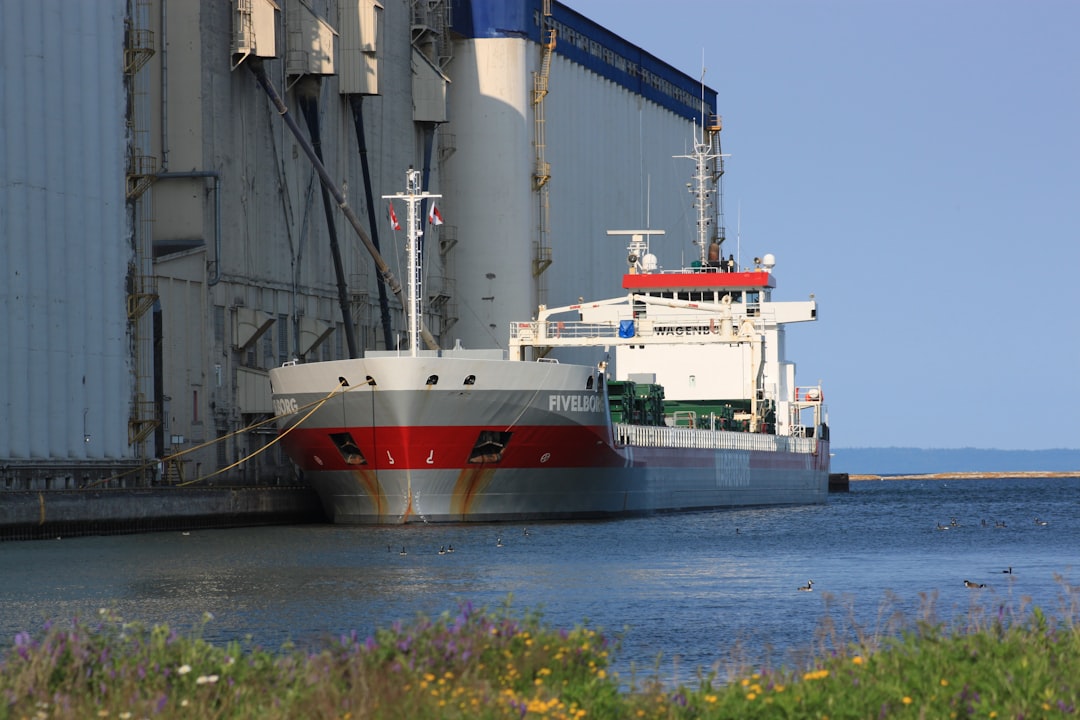
Navigating the vast expanse of the Atlantic Ocean has long been a critical component of global trade and commerce. The Atlantic serves as a vital artery for the transportation of goods between continents, connecting North America, Europe, South America, and Africa. As one of the busiest maritime routes in the world, it facilitates the movement of a diverse array of cargo, from raw materials to finished products.
The significance of this oceanic highway cannot be overstated, as it plays a pivotal role in shaping economic relationships and fostering international trade. The complexities of Atlantic waters navigation are underscored by the need for efficient routing strategies that can accommodate the ever-increasing volume of maritime traffic. With advancements in technology and a growing awareness of environmental concerns, the landscape of cargo ship navigation is evolving.
This article delves into the traditional methods of routing cargo ships in the Atlantic, the challenges faced by these methods, and the emerging alternatives that promise to enhance efficiency and sustainability in maritime operations.
Key Takeaways
- Traditional cargo ship routes in the Atlantic face challenges like congestion and environmental impact.
- Alternative routes offer benefits including reduced travel time and lower fuel consumption.
- Technological advancements enhance navigation safety and route optimization.
- Environmental considerations are critical for sustainable Atlantic waters navigation.
- Future trends focus on efficiency, security, and minimizing economic and ecological footprints.
Traditional Cargo Ship Routing in the Atlantic
Historically, traditional cargo ship routing in the Atlantic has relied on established shipping lanes that have been used for decades. These routes are often dictated by geographical features, prevailing winds, and ocean currents, which have been meticulously charted over time. Major shipping lanes typically connect key ports such as New York, London, Rotterdam, and Hamburg, forming a network that facilitates the flow of goods across the ocean.
The predictability of these routes has made them a staple for shipping companies, providing a sense of reliability in an otherwise unpredictable environment. However, while these traditional routes have served their purpose well, they are not without their drawbacks. The reliance on fixed pathways can lead to congestion in certain areas, particularly during peak shipping seasons.
Additionally, these routes may not always account for changing weather patterns or emerging geopolitical tensions that could impact navigation. As global trade continues to expand, there is a growing need to reassess these established routes and explore more dynamic alternatives that can better accommodate the demands of modern shipping.
Challenges and Limitations of Traditional Routing
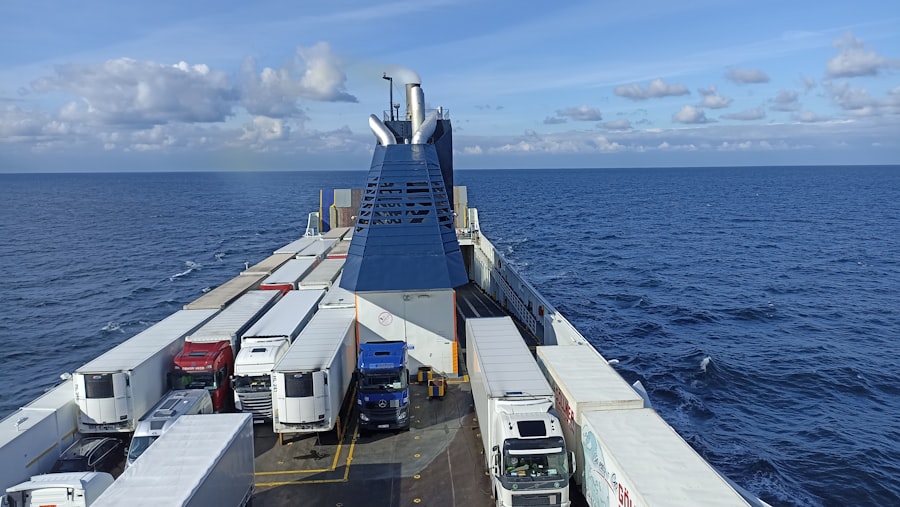
The challenges associated with traditional cargo ship routing in the Atlantic are multifaceted. One significant issue is the increasing congestion in key shipping lanes, which can lead to delays and increased operational costs for shipping companies. As more vessels compete for space in these established routes, the risk of collisions and accidents also rises, posing safety concerns for crews and cargo alike.
Furthermore, the environmental impact of prolonged idling and slow speeds in congested areas cannot be overlooked, as it contributes to higher emissions and fuel consumption.
Weather patterns in the Atlantic can be unpredictable, with storms and rough seas posing significant risks to navigation.
Traditional routes may not always provide the safest passage during adverse weather conditions, forcing ships to navigate through hazardous waters or delay their journeys altogether. This lack of adaptability can result in increased costs and logistical challenges for shipping companies, highlighting the need for more innovative routing solutions that prioritize safety and efficiency.
Alternative Routes and Corridors in the Atlantic
In response to the challenges posed by traditional routing methods, alternative routes and corridors are gaining traction among shipping companies operating in the Atlantic. These new pathways are designed to optimize navigation by taking advantage of less congested areas and more favorable weather conditions. For instance, some vessels are now exploring routes that bypass heavily trafficked regions, allowing them to maintain higher speeds and reduce transit times.
One notable example is the emergence of Arctic shipping routes as viable alternatives for certain cargo shipments. As climate change continues to alter ice patterns in the Arctic region, previously inaccessible waterways are becoming navigable during certain months of the year. This shift presents an opportunity for shipping companies to explore new corridors that could significantly shorten transit times between Europe and Asia.
However, these alternative routes also come with their own set of challenges, including environmental concerns and geopolitical considerations that must be carefully navigated.
Benefits of Alternative Routes for Cargo Ship Navigation
| Routing Alternative | Distance (nautical miles) | Estimated Transit Time (days) | Fuel Consumption (tons) | Average Speed (knots) | Weather Risk Level | Port Congestion Level |
|---|---|---|---|---|---|---|
| North Atlantic Route (via English Channel) | 3,200 | 12 | 450 | 11 | Medium | High |
| Mid-Atlantic Route (direct crossing) | 2,800 | 10 | 400 | 12 | High (storm season) | Medium |
| South Atlantic Route (via Canary Islands) | 3,500 | 13 | 480 | 11 | Low | Low |
| Great Circle Route (polar route) | 2,600 | 9 | 420 | 13 | Very High (ice risk) | Low |
The adoption of alternative routes in Atlantic waters navigation offers several compelling benefits for cargo ship operations. One of the most significant advantages is the potential for reduced transit times. By avoiding congested shipping lanes and taking advantage of more direct pathways, vessels can reach their destinations more quickly, enhancing overall supply chain efficiency.
This time savings can translate into lower operational costs for shipping companies and improved service levels for customers. Additionally, alternative routes can contribute to enhanced safety for vessels navigating through less crowded waters. With fewer ships on these pathways, the risk of collisions and accidents diminishes significantly.
This not only protects valuable cargo but also ensures the safety of crew members aboard these vessels. Furthermore, by optimizing routing strategies to avoid adverse weather conditions, shipping companies can mitigate risks associated with rough seas and storms, further enhancing safety measures.
Environmental Considerations in Atlantic Waters Navigation
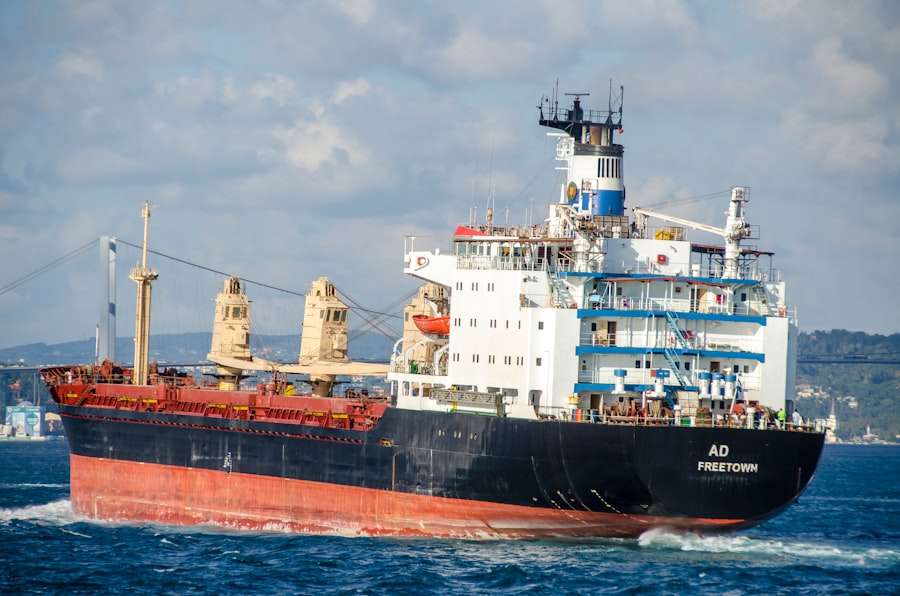
As global awareness of environmental issues continues to grow, the impact of cargo ship navigation on marine ecosystems has come under increased scrutiny. Traditional routing methods often lead to higher emissions due to prolonged idling and slow speeds in congested areas. In contrast, alternative routes that prioritize efficiency can help reduce fuel consumption and greenhouse gas emissions associated with maritime transport.
Moreover, navigating through less congested waters can minimize disturbances to marine life and habitats. Shipping companies are increasingly recognizing their responsibility to operate sustainably and are seeking ways to mitigate their environmental footprint.
Technological Advancements in Cargo Ship Routing
The landscape of cargo ship routing is being transformed by technological advancements that enhance navigation capabilities. Innovations such as advanced satellite tracking systems and real-time weather monitoring tools enable shipping companies to make informed decisions about routing options. These technologies allow vessels to adjust their courses dynamically based on changing conditions, optimizing transit times while ensuring safety.
Additionally, artificial intelligence (AI) is playing an increasingly important role in cargo ship routing. AI algorithms can analyze vast amounts of data related to weather patterns, ocean currents, and vessel traffic to recommend optimal routes for individual ships. This level of precision not only improves efficiency but also helps shipping companies respond proactively to potential challenges that may arise during a voyage.
Safety and Security Measures in Atlantic Waters Navigation
Safety and security remain paramount concerns in Atlantic waters navigation. As shipping companies explore alternative routes and corridors, they must also implement robust safety measures to protect their vessels and crews from potential threats. This includes investing in advanced navigation systems that provide real-time information about nearby vessels and potential hazards.
Moreover, security measures must address both physical threats such as piracy and cyber threats that target maritime operations. Shipping companies are increasingly adopting comprehensive security protocols that encompass both onboard safety training for crew members and cybersecurity measures to safeguard critical navigation systems from potential attacks.
Economic Impacts of Alternative Cargo Ship Routes
The economic implications of adopting alternative cargo ship routes in the Atlantic are significant. By reducing transit times and operational costs through optimized routing strategies, shipping companies can enhance their competitiveness in an increasingly globalized market. This efficiency not only benefits individual companies but also has broader implications for international trade as a whole.
Furthermore, alternative routes can stimulate economic growth in regions previously underserved by traditional shipping lanes. As new corridors open up opportunities for trade with emerging markets, local economies stand to benefit from increased access to global supply chains. This shift can lead to job creation and infrastructure development in areas that were once overlooked by major shipping operations.
Future Trends and Developments in Atlantic Waters Navigation
Looking ahead, several trends are poised to shape the future of cargo ship navigation in Atlantic waters. The continued evolution of technology will likely play a central role in optimizing routing strategies further. As advancements in AI and machine learning continue to progress, shipping companies will be able to leverage data-driven insights to enhance decision-making processes related to navigation.
Additionally, there is a growing emphasis on sustainability within the maritime industry. As environmental regulations become more stringent, shipping companies will need to prioritize eco-friendly practices in their operations. This may include investing in cleaner fuel alternatives or exploring innovative vessel designs that reduce emissions while maintaining efficiency.
The Importance of Efficient and Sustainable Cargo Ship Routing in the Atlantic
In conclusion, efficient and sustainable cargo ship routing in the Atlantic is essential for meeting the demands of global trade while minimizing environmental impacts. As traditional methods face challenges related to congestion and inflexibility, alternative routes offer promising solutions that enhance safety and efficiency. The integration of technological advancements further empowers shipping companies to navigate these waters with greater precision.
Ultimately, the future of Atlantic waters navigation hinges on a commitment to innovation and sustainability. By embracing new routing strategies that prioritize both economic viability and environmental stewardship, the maritime industry can continue to thrive while safeguarding the delicate ecosystems that underpin its operations. The importance of efficient cargo ship routing cannot be overstated; it is a cornerstone of global commerce that will shape economic relationships for generations to come.
In exploring the various cargo ship routing alternatives across the Atlantic, it’s essential to consider the impact of geographical and environmental factors on shipping efficiency. A related article that delves into these aspects can be found at MyGeoQuest, where it discusses innovative routing strategies and their implications for the shipping industry.
WATCH THIS! The $10 Trillion Secret: What Happens If The Strait of Gibraltar Closes For Good
FAQs
What are cargo ship routing alternatives in the Atlantic?
Cargo ship routing alternatives in the Atlantic refer to different navigational paths that vessels can take across the Atlantic Ocean. These alternatives are considered to optimize travel time, fuel consumption, safety, and environmental impact.
Why are routing alternatives important for cargo ships in the Atlantic?
Routing alternatives are important because they help ship operators avoid adverse weather conditions, reduce fuel costs, minimize delays, and comply with maritime regulations. They also contribute to safer and more efficient maritime transportation.
What factors influence the choice of routing alternatives for cargo ships in the Atlantic?
Factors include weather patterns (such as storms and hurricanes), ocean currents, sea ice presence, geopolitical considerations, port congestion, fuel prices, and environmental regulations like emission control areas.
How do weather conditions affect cargo ship routing in the Atlantic?
Severe weather such as hurricanes, storms, and rough seas can force ships to alter their routes to ensure safety. Routing alternatives help avoid these hazardous conditions, reducing the risk of accidents and cargo damage.
Are there specific routes commonly used for cargo ships crossing the Atlantic?
Yes, common routes include the northern transatlantic route between North America and Europe, the southern route near the Azores, and routes passing through the Caribbean and Gulf of Mexico. The choice depends on destination, weather, and operational considerations.
How do environmental regulations impact cargo ship routing in the Atlantic?
Environmental regulations, such as emission control areas (ECAs), require ships to limit sulfur emissions and other pollutants. Ships may choose routes that minimize time spent in ECAs or use cleaner fuels, influencing routing decisions.
Can cargo ship routing alternatives help reduce fuel consumption?
Yes, selecting optimal routes that take advantage of favorable currents and avoid adverse weather can reduce fuel consumption, lowering operational costs and environmental impact.
What technologies assist in determining cargo ship routing alternatives?
Technologies include satellite weather forecasting, GPS navigation, Automatic Identification Systems (AIS), route optimization software, and real-time oceanographic data to help plan efficient and safe routes.
Do cargo ship routing alternatives affect delivery times?
Yes, choosing the most efficient route can reduce transit time, while avoiding delays caused by bad weather or port congestion. However, sometimes longer routes are chosen to ensure safety or comply with regulations.
Are there risks associated with changing cargo ship routes in the Atlantic?
Changing routes can introduce risks such as unfamiliar navigational hazards, increased fuel consumption if the detour is long, and potential delays. However, these risks are balanced against safety and operational benefits.