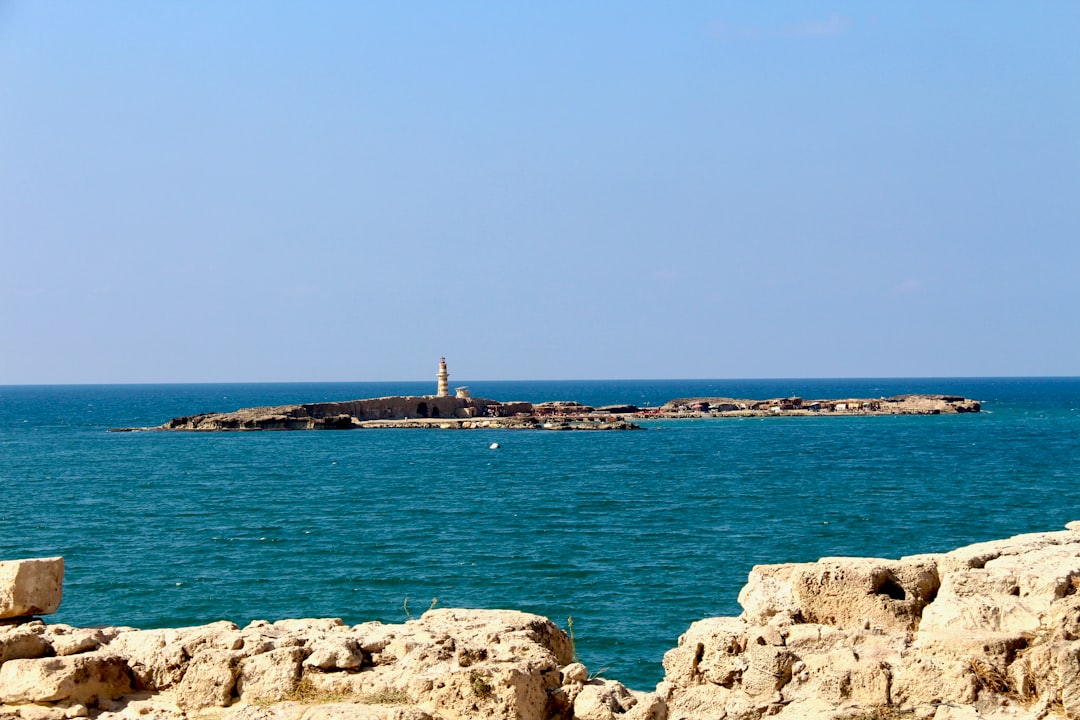
The Strait of Hormuz is a narrow waterway that serves as a critical juncture for global trade and energy transportation. It connects the Persian Gulf with the Gulf of Oman and the Arabian Sea, making it one of the most strategically significant maritime passages in the world. Approximately 20% of the world’s oil supply passes through this strait, underscoring its vital role in the global economy.
The strait’s geographical position not only facilitates the movement of oil tankers but also serves as a conduit for liquefied natural gas (LNG) shipments, making it indispensable for energy security. The importance of the Strait of Hormuz extends beyond its role in energy transportation. It is a focal point for international relations, with various nations vying for influence in the region.
The strait’s significance is further amplified by its proximity to several key countries, including Iran, Oman, and the United Arab Emirates. As a result, any disruption in this waterway can have far-reaching implications, affecting not only regional stability but also global markets and diplomatic relations.
Key Takeaways
- The Strait of Hormuz is a critical chokepoint for global oil and gas trade, with about 20% of the world’s oil passing through it.
- The strait has been a historically significant waterway, dating back to ancient times and playing a crucial role in trade and military strategies.
- Navigating the strait presents challenges such as narrow shipping lanes, heavy maritime traffic, and potential security threats.
- Geopolitical tensions in the region, including conflicts between Iran and other countries, have the potential to disrupt shipping and trade in the strait.
- Environmental concerns in the strait include oil spills, pollution, and the impact of maritime activities on marine life.
Historical Significance of the Strait of Hormuz
Historically, the Strait of Hormuz has been a vital trade route for centuries, dating back to ancient civilizations. It has served as a passage for merchants and traders who transported goods such as spices, textiles, and precious metals between the East and West. The strategic importance of this waterway was recognized long before the modern era, as it facilitated cultural exchanges and economic interactions among diverse societies.
In more recent history, the Strait of Hormuz has been at the center of geopolitical conflicts and power struggles. The discovery of vast oil reserves in the Persian Gulf during the 20th century transformed the strait into a focal point for international energy interests. The Iran-Iraq War in the 1980s and subsequent tensions involving Iran have highlighted the strait’s vulnerability to military confrontations.
These historical events have shaped the contemporary landscape of international relations, making the Strait of Hormuz a symbol of both opportunity and conflict.
Navigational Challenges in the Strait of Hormuz
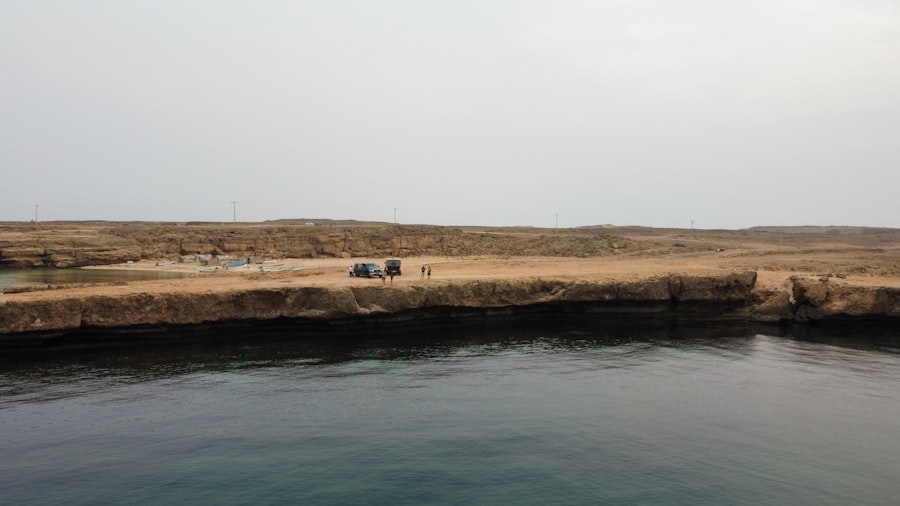
Navigating the Strait of Hormuz presents a unique set of challenges for maritime operators. The strait is relatively narrow, measuring only about 21 miles at its narrowest point, which can lead to congestion as numerous vessels traverse this critical passage daily. The high volume of traffic increases the risk of accidents, grounding, and collisions, necessitating careful navigation and coordination among ships.
Additionally, environmental factors such as strong currents and unpredictable weather conditions can complicate navigation in the strait. The presence of shallow waters and underwater hazards further adds to the complexity of maritime operations. As a result, vessels must adhere to strict navigational protocols and maintain constant communication with maritime authorities to ensure safe passage through this vital waterway.
Geopolitical Tensions and the Strait of Hormuz
| Country | Geopolitical Tensions | Impact on Strait of Hormuz |
|---|---|---|
| Iran | High | Threats to close the strait |
| United States | Elevated | Increased military presence |
| Saudi Arabia | Concerning | Seeking international support |
| Oman | Monitoring | Efforts to maintain neutrality |
The geopolitical landscape surrounding the Strait of Hormuz is fraught with tension, primarily due to the competing interests of regional powers and global superpowers. Iran’s strategic positioning along the strait has made it a key player in regional politics, often leading to confrontations with other nations, particularly the United States and its allies. The Iranian government has repeatedly asserted its control over the strait, threatening to block it in response to perceived threats or sanctions.
These geopolitical tensions have significant implications for global security and energy markets. Any disruption in the flow of oil through the Strait of Hormuz can lead to skyrocketing prices and economic instability worldwide. The potential for military conflict in this region remains a constant concern for policymakers, as nations grapple with balancing their interests while ensuring freedom of navigation in this crucial maritime corridor.
Shipping and Trade in the Strait of Hormuz
The shipping industry relies heavily on the Strait of Hormuz for transporting oil and gas from the Gulf states to international markets. Major oil-producing countries such as Saudi Arabia, Iraq, and Kuwait depend on this waterway to export their resources efficiently. The strait serves as a lifeline for these economies, facilitating trade with countries across Asia, Europe, and beyond.
In addition to oil shipments, the Strait of Hormuz is also vital for transporting other goods and commodities. The region’s ports are bustling hubs of activity, handling not only energy products but also consumer goods, machinery, and raw materials. The interconnectedness of global trade means that any disruption in shipping through this strait can have ripple effects throughout supply chains, impacting industries far removed from the region itself.
Environmental Concerns in the Strait of Hormuz

The environmental implications of shipping activities in the Strait of Hormuz are significant and warrant careful consideration. The high volume of maritime traffic increases the risk of oil spills and other environmental disasters that can have devastating effects on marine ecosystems. The delicate balance of life in these waters is threatened by pollution from ships, including ballast water discharge and waste disposal.
Moreover, military tensions in the region raise concerns about potential conflicts that could lead to environmental catastrophes. The use of military force or naval blockades could result in catastrophic spills or damage to marine habitats. As awareness grows regarding climate change and environmental sustainability, there is an increasing call for stricter regulations governing shipping practices in this ecologically sensitive area.
Safety and Security Measures for Navigating the Strait of Hormuz
Given its strategic importance and navigational challenges, safety and security measures are paramount for vessels operating in the Strait of Hormuz. Maritime authorities have implemented various protocols to enhance safety standards and mitigate risks associated with navigation in this busy waterway. These measures include regular monitoring of vessel traffic through advanced radar systems and satellite technology.
Additionally, international naval forces often conduct patrols in the region to ensure freedom of navigation and deter potential threats. Collaborative efforts among nations aim to enhance maritime security by sharing intelligence and coordinating responses to incidents that may arise in or around the strait. These safety measures are essential not only for protecting vessels but also for maintaining stability in a region marked by geopolitical tensions.
International Regulations and the Strait of Hormuz
International regulations play a crucial role in governing activities within the Strait of Hormuz. The United Nations Convention on the Law of the Sea (UNCLOS) establishes guidelines for maritime navigation, territorial waters, and exclusive economic zones. These regulations are designed to promote safe passage through international waters while respecting the rights of coastal states.
However, differing interpretations of these regulations by various nations can lead to disputes and tensions. As countries navigate their interests within this framework, ongoing dialogue and cooperation are necessary to ensure that international regulations are upheld while addressing security concerns.
Alternative Routes to Avoid the Strait of Hormuz
In light of geopolitical tensions and navigational challenges associated with the Strait of Hormuz, some shipping companies are exploring alternative routes to bypass this critical passage. One such option is the use of overland pipelines that transport oil and gas directly from producing countries to markets without relying on maritime routes. These pipelines can reduce dependence on the strait while providing a more secure means of transportation.
Another alternative involves utilizing longer maritime routes around Africa’s Cape of Good Hope or through other waterways. While these options may increase transit times and costs, they offer shippers a way to mitigate risks associated with navigating through potentially volatile regions. As global trade dynamics evolve, these alternative routes may become increasingly viable for companies seeking greater security in their supply chains.
Impact of the Strait of Hormuz on Global Energy Markets
The significance of the Strait of Hormuz extends beyond regional borders; it has profound implications for global energy markets. Fluctuations in oil prices are often closely tied to developments within this waterway. Any threat or disruption to shipping through the strait can lead to immediate spikes in oil prices due to fears over supply shortages.
Moreover, changes in production levels from Gulf states can influence global energy dynamics significantly. For instance, decisions made by OPEC members regarding production cuts or increases can reverberate throughout international markets, affecting everything from fuel prices at gas stations to broader economic indicators. As such, understanding the intricacies of how the Strait of Hormuz operates is essential for stakeholders across various sectors.
Future Prospects for Navigating Around the Strait of Hormuz
Looking ahead, navigating around the Strait of Hormuz will likely continue to be shaped by geopolitical developments, technological advancements, and environmental considerations. As tensions persist in the region, shipping companies may increasingly prioritize safety by exploring alternative routes or investing in technologies that enhance navigation efficiency. Furthermore, ongoing discussions surrounding energy diversification may influence how countries approach their reliance on oil transported through this strait.
As renewable energy sources gain traction globally, there may be shifts in demand patterns that could alter shipping dynamics over time. In conclusion, while the Strait of Hormuz remains a critical artery for global trade and energy transportation today, its future will depend on a complex interplay between geopolitical realities, technological innovations, environmental stewardship, and evolving market demands. Stakeholders must remain vigilant as they navigate these challenges while striving for stability within this vital maritime corridor.
In the context of exploring alternative routes to bypass the Strait of Hormuz, it’s essential to consider the geopolitical and logistical implications of such endeavors. An insightful article that delves into the strategic significance of the Strait and potential alternatives can be found on MyGeoQuest. This article provides a comprehensive analysis of the current maritime routes and discusses innovative solutions that could mitigate the risks associated with the Strait of Hormuz. For a deeper understanding of these alternatives, you can read the related article on MyGeoQuest.
WATCH THIS! One Narrow Strait Holds Global Economy Hostage
FAQs
What is the Strait of Hormuz?
The Strait of Hormuz is a narrow waterway located between the Persian Gulf and the Gulf of Oman. It is one of the most strategically important chokepoints in the world, through which a significant portion of the world’s oil supply is transported.
Why would someone want to bypass the Strait of Hormuz?
There are several reasons why someone might want to bypass the Strait of Hormuz, including geopolitical tensions in the region, the risk of maritime incidents, and potential disruptions to the flow of oil and other goods.
How can one bypass the Strait of Hormuz?
There are several alternative routes that can be taken to bypass the Strait of Hormuz, including using the pipeline infrastructure in the region, utilizing alternative shipping routes such as the Cape of Good Hope, or exploring the possibility of overland transportation options.
What are the potential challenges of bypassing the Strait of Hormuz?
Bypassing the Strait of Hormuz may present challenges such as increased transportation costs, longer transit times, and the need to navigate through potentially less secure or more politically unstable regions.
What are the implications of bypassing the Strait of Hormuz?
Bypassing the Strait of Hormuz could have significant economic and geopolitical implications, as it may impact global oil prices, regional security dynamics, and the overall stability of the Middle East.