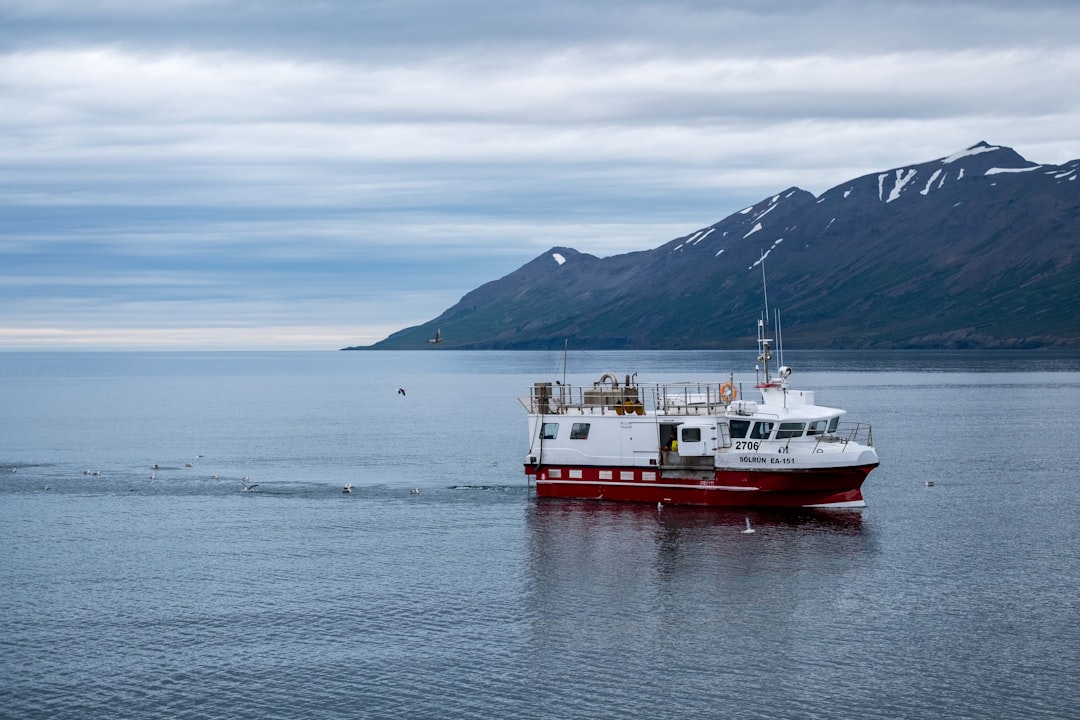
Navigating the Arctic waters presents a unique set of challenges that require specialized knowledge and skills. The Arctic region, characterized by its extreme weather conditions, shifting ice patterns, and remote locations, demands a high level of preparedness from mariners. As climate change continues to alter the landscape of the Arctic, the opportunities for navigation and exploration are increasing, but so too are the risks associated with these ventures.
Understanding the complexities of Arctic navigation is essential for ensuring the safety of crew members and the success of maritime operations in this harsh environment. The allure of the Arctic has drawn explorers, researchers, and commercial interests alike, all eager to tap into its resources and uncover its mysteries. However, the unpredictable nature of Arctic waters can turn a seemingly straightforward journey into a perilous endeavor.
Mariners must be equipped with not only the right tools and technology but also a deep understanding of the environmental factors at play. This article delves into the myriad challenges faced by those navigating these icy waters, emphasizing the importance of safety and preparedness in ensuring successful voyages.
Key Takeaways
- Arctic navigation presents unique challenges including extreme cold, ice hazards, and limited communication options.
- Crew safety is critical, with risks such as cold water immersion and hypothermia requiring specialized training and equipment.
- Effective emergency response and rescue operations depend on preparedness and reliable navigation and communication systems.
- Compliance with regulations and adherence to best practices are essential for safe Arctic maritime operations.
- Maintaining crew health and well-being in harsh Arctic conditions is vital for successful and safe voyages.
The Unique Challenges of Arctic Navigation
The Arctic is a region defined by its extreme conditions, which pose significant challenges to navigation. One of the most pressing issues is the presence of sea ice, which can vary dramatically in thickness and extent from year to year. This variability makes it difficult for navigators to predict safe routes, as ice can shift unexpectedly, creating hazards that were not present just hours before.
Additionally, the long periods of darkness during winter months can complicate navigation further, as visibility is severely reduced. Another challenge is the remoteness of the Arctic region. Many areas are far from established ports or rescue services, meaning that any maritime operation must be self-sufficient and well-prepared for emergencies.
The lack of infrastructure can hinder communication and support, making it imperative for crews to have contingency plans in place. As more vessels venture into these waters, understanding and addressing these unique challenges becomes increasingly critical for ensuring safe navigation.
Crew Safety Concerns in Arctic Waters
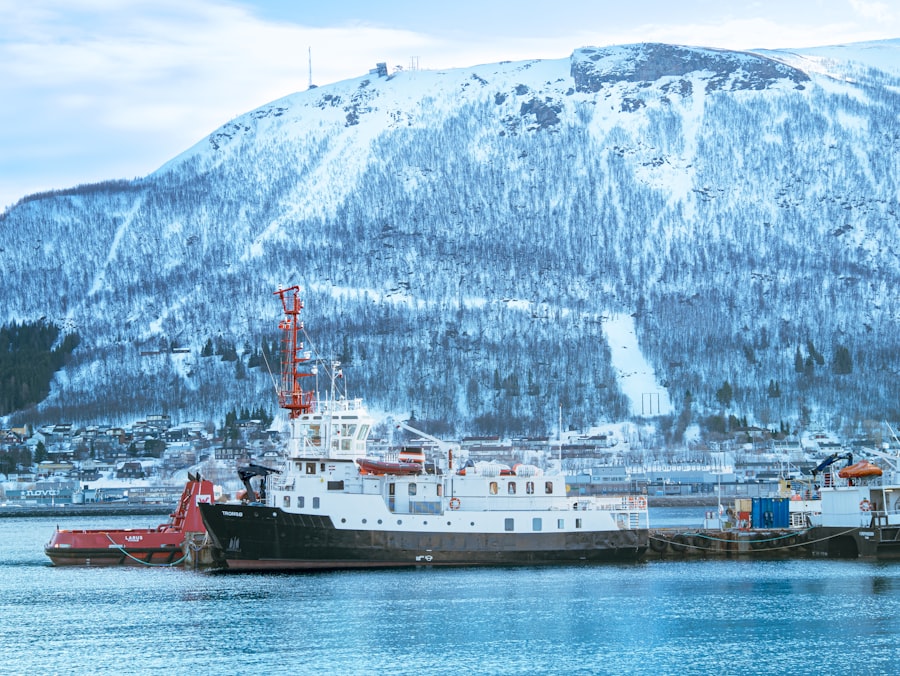
Crew safety is paramount when navigating the treacherous waters of the Arctic. The combination of extreme cold, unpredictable weather patterns, and potential ice hazards creates an environment where even experienced mariners must remain vigilant. The psychological toll of operating in such isolation can also affect crew morale and decision-making abilities.
Therefore, fostering a culture of safety and awareness is essential for any team operating in these conditions. Moreover, the physical demands placed on crew members cannot be overlooked. The cold temperatures require specialized clothing and gear to prevent frostbite and other cold-related injuries.
Additionally, the risk of accidents increases in icy conditions, necessitating rigorous training in safety protocols and emergency procedures. By prioritizing crew safety through comprehensive training and support systems, maritime operations can significantly reduce the risks associated with navigating Arctic waters.
Cold Water Immersion and Hypothermia
Cold water immersion is one of the most significant threats faced by crews operating in Arctic waters. When individuals are exposed to frigid temperatures, their bodies can quickly lose heat, leading to hypothermia—a potentially life-threatening condition. Even a brief immersion in icy water can result in rapid onset of hypothermia, making it crucial for crew members to understand the risks and take preventive measures.
To combat this threat, crews must be trained in recognizing the early signs of hypothermia and how to respond effectively. This includes knowing how to assist a colleague who has fallen overboard and understanding the importance of getting them out of the water as quickly as possible. Additionally, wearing appropriate thermal protection gear can significantly reduce the risk of cold water immersion injuries.
By emphasizing education and preparedness regarding cold water immersion, maritime operations can enhance crew safety in these challenging environments.
Ice Hazards and Collision Risks
| Safety Concern | Description | Impact on Crew | Mitigation Measures | Frequency |
|---|---|---|---|---|
| Extreme Cold Exposure | Prolonged exposure to sub-zero temperatures and wind chill | Hypothermia, frostbite, reduced dexterity | Thermal protective clothing, heated shelters, regular breaks | High |
| Ice Navigation Hazards | Risk of hull damage or entrapment in sea ice | Physical injury, vessel damage, delayed rescue | Icebreaker escort, advanced navigation systems, crew training | Moderate |
| Limited Search and Rescue (SAR) Access | Remote location with sparse SAR infrastructure | Delayed emergency response, increased fatality risk | Emergency communication devices, onboard medical training | High |
| Fatigue and Mental Stress | Long voyages with harsh conditions and isolation | Reduced alertness, impaired decision-making | Shift rotations, psychological support, adequate rest periods | High |
| Equipment Failure | Malfunction of heating, navigation, or communication systems | Exposure to hazards, loss of situational awareness | Regular maintenance, redundancy systems, crew training | Moderate |
Ice hazards present a constant threat to vessels navigating Arctic waters. The presence of icebergs, pack ice, and brash ice can create dangerous conditions that may lead to collisions or grounding incidents. Navigators must be adept at interpreting ice charts and using radar technology to detect ice formations in real-time.
However, even with advanced technology, the unpredictable nature of ice movement can pose significant challenges. Collisions with ice can result in severe damage to vessels, jeopardizing not only the ship but also the safety of its crew. Therefore, it is essential for crews to maintain a heightened awareness of their surroundings and to have contingency plans in place should they encounter unexpected ice hazards.
Regular drills and simulations can help prepare crew members for potential collision scenarios, ensuring they are ready to respond effectively should such situations arise.
Communication and Navigation Equipment
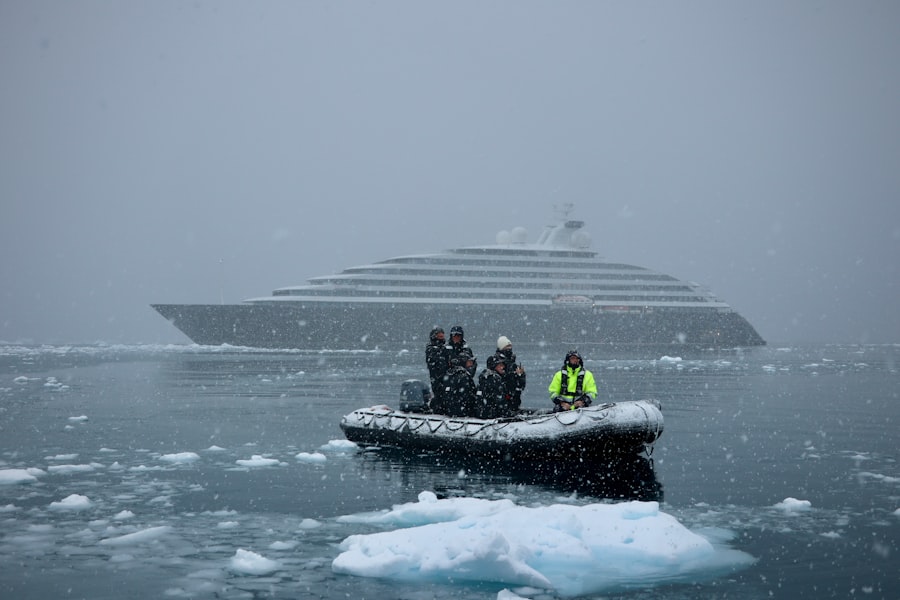
Effective communication and navigation equipment are vital components for safe operations in Arctic waters. Given the remoteness of many areas within the Arctic region, reliable communication systems are essential for maintaining contact with other vessels and shore-based support teams. Satellite communication technology has become increasingly important in ensuring that crews can stay connected even in isolated locations.
In addition to communication tools, advanced navigation equipment is crucial for safely traversing icy waters. GPS systems, radar technology, and electronic charting systems provide valuable information about a vessel’s position and surrounding hazards. However, reliance on technology alone is not sufficient; crews must also possess traditional navigation skills to ensure they can navigate effectively should electronic systems fail.
By combining modern technology with foundational navigation skills, crews can enhance their safety while operating in challenging Arctic environments.
Emergency Response and Rescue Operations
In the event of an emergency in Arctic waters, having a well-coordinated response plan is essential for ensuring crew safety. The remote nature of the region means that rescue operations may take longer than anticipated, making it imperative for vessels to be prepared for self-rescue scenarios. This includes having emergency supplies on board, such as life rafts, flares, and first aid kits.
Training exercises that simulate emergency situations can help crews develop their response skills and build confidence in their ability to handle crises. Additionally, establishing clear communication protocols with nearby vessels or rescue organizations can facilitate quicker response times during emergencies. By prioritizing emergency preparedness and response planning, maritime operations can significantly enhance crew safety in Arctic waters.
Training and Preparedness for Arctic Navigation
Training is a cornerstone of safe navigation in Arctic waters. Crews must undergo rigorous training programs that cover a wide range of topics, including ice navigation techniques, emergency response procedures, and survival skills in extreme conditions. This training should be ongoing to ensure that crew members remain up-to-date with best practices and new technologies.
Moreover, simulations that replicate real-life scenarios can provide invaluable experience for crew members. These exercises allow teams to practice their skills in a controlled environment while fostering teamwork and communication among crew members. By investing in comprehensive training programs tailored specifically for Arctic navigation, maritime operations can significantly improve their crews’ preparedness for the unique challenges they will face.
Regulatory Compliance and Best Practices
Navigating Arctic waters requires adherence to various regulations designed to protect both crew members and the fragile environment of the region. International agreements such as the Polar Code set forth guidelines for safe operations in polar waters, addressing issues such as vessel design standards, crew training requirements, and environmental protection measures. In addition to regulatory compliance, adopting best practices within maritime operations can further enhance safety in Arctic navigation.
This includes conducting thorough risk assessments before voyages, implementing robust safety management systems, and fostering a culture of continuous improvement among crew members. By prioritizing compliance with regulations while also embracing best practices, maritime operators can create safer working environments for their crews.
Crew Health and Well-being in Arctic Environments
The health and well-being of crew members are critical considerations when operating in Arctic environments. The extreme cold can take a toll on physical health, leading to conditions such as frostbite or respiratory issues due to dry air. Additionally, mental health challenges may arise from isolation or prolonged periods away from family and friends.
To support crew well-being, operators should implement programs that promote physical fitness and mental health awareness. Providing access to counseling services or recreational activities can help mitigate stressors associated with long voyages in harsh conditions.
Mitigating Crew Safety Concerns in Arctic Waters
Navigating Arctic waters presents a complex array of challenges that require careful consideration and preparation. From understanding ice hazards to ensuring effective communication systems are in place, every aspect of maritime operations must prioritize crew safety. By investing in comprehensive training programs, adhering to regulatory standards, and fostering a culture of safety awareness among crew members, operators can significantly mitigate risks associated with navigating these treacherous waters.
As climate change continues to reshape the Arctic landscape, opportunities for exploration and resource extraction will likely increase. However, with these opportunities come heightened responsibilities to ensure that crew members are protected from the unique dangers posed by this environment. By taking proactive measures to address safety concerns and promote well-being among crews, maritime operations can navigate Arctic waters with confidence while safeguarding their most valuable asset—their people.
Concerns regarding crew safety in Arctic shipping have become increasingly prominent as more vessels navigate these treacherous waters. A related article that delves into the challenges and solutions for ensuring the safety of crews in this harsh environment can be found at com/sample-page/’>this link
It discusses the various risks involved and the measures that can be implemented to protect those working in Arctic conditions.
FAQs
What are the main safety concerns for crews on Arctic shipping routes?
The primary safety concerns include extreme cold temperatures, ice hazards, limited search and rescue infrastructure, unpredictable weather conditions, and the risk of vessel damage or grounding due to ice.
How does extreme cold affect the safety of Arctic shipping crews?
Extreme cold can lead to hypothermia, frostbite, and reduced dexterity, making routine tasks more dangerous. It also affects equipment functionality and increases the risk of mechanical failures.
Why is ice a significant hazard for Arctic shipping?
Sea ice can damage hulls, impede navigation, and cause vessels to become trapped or crushed. Ice conditions can change rapidly, making route planning and real-time navigation challenging.
What measures are in place to improve crew safety in Arctic shipping?
Measures include specialized ice-strengthened vessels, crew training for cold-weather operations, use of icebreaker escorts, enhanced communication systems, and adherence to international regulations like the Polar Code.
How does limited search and rescue infrastructure impact crew safety?
The remoteness of the Arctic means fewer rescue resources and longer response times in emergencies, increasing the risk to crew members if accidents occur.
Are there international regulations governing Arctic shipping safety?
Yes, the International Maritime Organization (IMO) has established the Polar Code, which sets mandatory safety and environmental standards for ships operating in polar waters.
What training do Arctic shipping crews typically receive to handle safety risks?
Crews receive training in cold-weather survival, ice navigation, emergency response, use of specialized equipment, and first aid tailored to Arctic conditions.
How do weather conditions in the Arctic affect crew safety?
Rapidly changing weather, including storms, fog, and low visibility, can complicate navigation and increase the risk of accidents, making vigilance and preparedness essential.
What role do technology and equipment play in enhancing crew safety in Arctic shipping?
Advanced navigation systems, ice radar, satellite communication, and ice-strengthened ship designs help crews avoid hazards and maintain safety in challenging Arctic environments.
Why is crew health monitoring important in Arctic shipping?
Monitoring helps detect cold-related illnesses early, ensures physical and mental well-being, and supports timely medical intervention, which is critical given the isolation and harsh conditions.