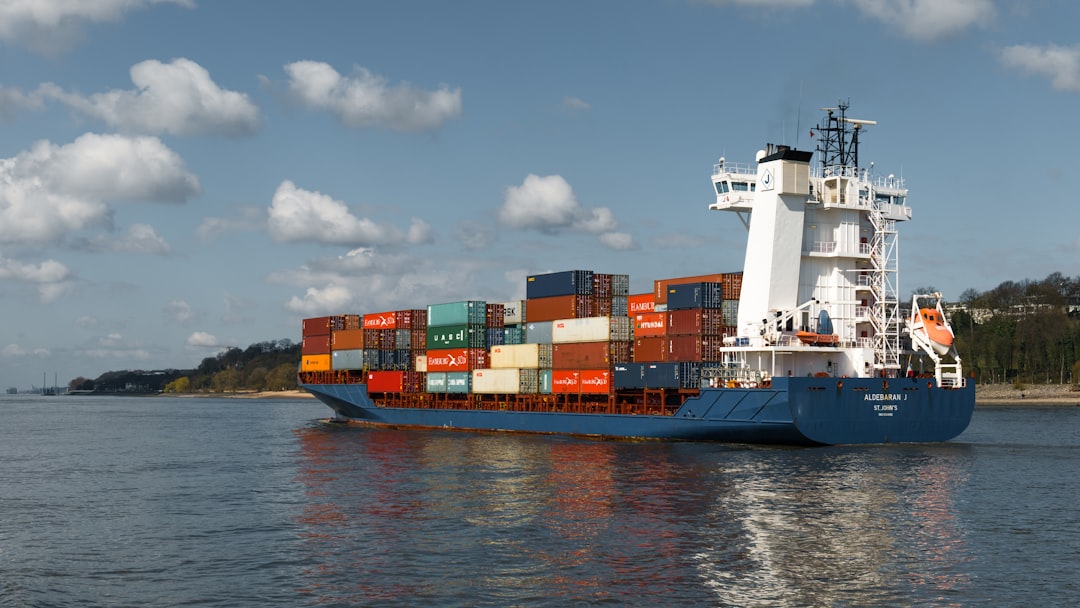
Arctic shipping has experienced increased activity following ice cap reduction and the emergence of new maritime passages.
These exclusions address unique environmental hazards, political instability, and operational dangers present in remote polar regions.
Shipping operators must evaluate multiple insurance products to secure appropriate coverage. Arctic shipping insurance exclusions differ substantially between providers and policy types. Standard exclusions typically encompass ice damage, severe weather events, and conflict-related losses.
The variation in exclusion terms requires comprehensive policy analysis before conducting Arctic operations. Shipping companies must collaborate with insurers to identify coverage limitations and evaluate operational risk exposure. This process enables informed risk management decisions and ensures adequate protection for vessels, cargo, and crew members.
Key Takeaways
- Arctic shipping faces unique environmental and legal challenges that impact operations and insurance needs.
- War risk insurance is crucial for protecting vessels against geopolitical and conflict-related threats in the Arctic.
- Insurance providers play a key role in assessing and mitigating the diverse risks associated with Arctic shipping.
- International agreements and regulations significantly influence Arctic shipping practices and insurance coverage.
- Effective risk management and understanding insurance claims complexities are essential for sustainable Arctic shipping operations.
The Impact of Environmental Conditions on Arctic Shipping
The environmental conditions in the Arctic are among the most challenging for shipping operations. The region is characterized by extreme cold, unpredictable weather patterns, and shifting ice formations, all of which can pose significant risks to vessels navigating these waters. Icebergs, pack ice, and brash ice can create hazardous situations that require specialized vessels and equipment to navigate safely.
Furthermore, the remoteness of the Arctic means that rescue operations are often limited, increasing the stakes for shipping companies operating in this region. In addition to physical hazards, environmental conditions also influence the regulatory landscape surrounding Arctic shipping. As climate change continues to alter the Arctic environment, new shipping routes are becoming accessible, prompting discussions about safety standards and environmental protection measures.
The International Maritime Organization (IMO) has been actively involved in establishing guidelines for safe navigation in polar waters, but the implementation of these regulations can be inconsistent. Shipping companies must remain vigilant and adaptable to these changing conditions to ensure compliance and minimize risks associated with their operations.
The Importance of War Risk Insurance in Arctic Shipping
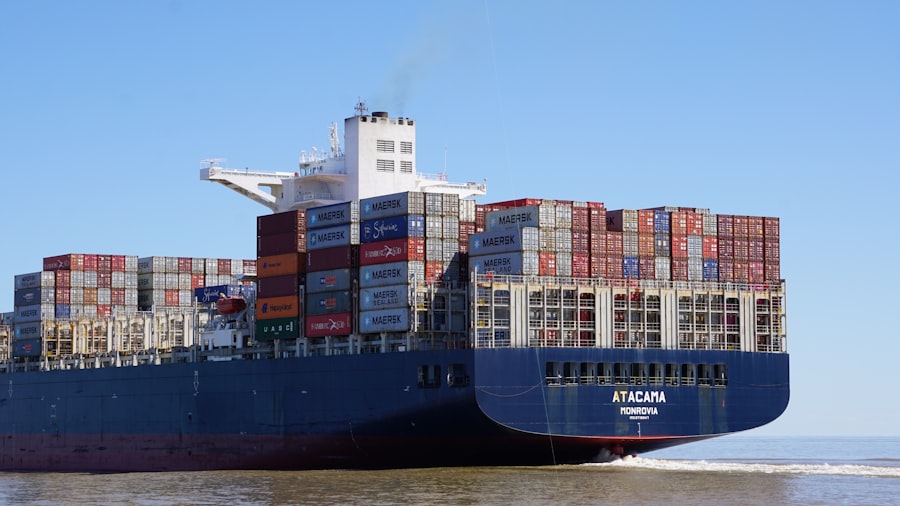
War risk insurance is a critical component of Arctic shipping operations, given the geopolitical tensions that can arise in this strategically important region. The Arctic is not only rich in natural resources but also serves as a potential battleground for territorial disputes among nations. As a result, shipping companies must consider the possibility of war-related incidents when planning their operations.
War risk insurance provides coverage for losses resulting from acts of war, terrorism, or civil unrest, which can be particularly relevant in the context of Arctic shipping. The importance of war risk insurance is underscored by recent events that have highlighted the vulnerabilities of maritime operations in politically sensitive areas. Shipping companies must assess their exposure to these risks and determine whether their existing insurance policies provide adequate coverage.
In many cases, specialized war risk insurance policies may be necessary to address the unique challenges posed by Arctic navigation. By securing appropriate coverage, shipping companies can protect their investments and ensure that they are prepared for any potential disruptions caused by geopolitical tensions.
Navigating the Legal and Regulatory Challenges of Arctic Shipping
The legal and regulatory landscape surrounding Arctic shipping is complex and multifaceted. Various international treaties and agreements govern maritime activities in polar regions, including the United Nations Convention on the Law of the Sea (UNCLOS) and the Polar Code established by the IMO. These regulations aim to promote safe navigation while protecting the fragile Arctic environment.
However, compliance with these regulations can be challenging for shipping companies due to the diverse legal frameworks that may apply depending on the specific route taken. In addition to international regulations, national laws also play a significant role in shaping Arctic shipping operations. Countries with territorial claims in the Arctic may impose their own regulations on vessels operating within their waters, leading to potential conflicts and confusion for shipping companies.
Navigating these legal challenges requires a thorough understanding of both international and national laws, as well as ongoing communication with legal experts who specialize in maritime law. By staying informed about regulatory developments, shipping companies can better position themselves to operate safely and legally in this dynamic environment.
Assessing the Risks of Arctic Shipping
| Metric | Description | Typical Exclusions | Impact on Arctic Shipping |
|---|---|---|---|
| War Risk Coverage | Insurance protection against losses from war, invasions, hostilities, and related perils | Acts of war, civil war, rebellion, revolution, insurrection, and piracy | Often excluded or limited due to geopolitical tensions in Arctic regions |
| Geographical Exclusions | Specific areas where war risk coverage does not apply | High-risk zones such as disputed Arctic territories or areas with military activity | Limits coverage for vessels operating in certain Arctic sea routes |
| Political Risk | Risks arising from government actions affecting shipping operations | Confiscation, nationalization, or blockade related to war or conflict | Increases uncertainty for Arctic shipping ventures |
| Premium Adjustments | Changes in insurance cost due to war risk factors | Higher premiums or surcharges for Arctic routes with war risk exclusions | Raises operational costs for Arctic shipping companies |
| Claims Handling | Procedures for claims related to war risk incidents | Claims denied if incident falls under war risk exclusions | Potential financial exposure for shipowners in Arctic waters |
Assessing the risks associated with Arctic shipping is a critical step for companies looking to operate in this challenging environment. The unique combination of environmental hazards, geopolitical tensions, and regulatory complexities creates a multifaceted risk landscape that requires careful evaluation.
This proactive approach enables them to identify vulnerabilities and develop strategies to mitigate potential losses. In addition to environmental and geopolitical risks, operational risks must also be considered when assessing Arctic shipping operations. These may include equipment failures, crew safety concerns, and logistical challenges related to remote locations.
By taking a comprehensive approach to risk assessment, shipping companies can develop robust contingency plans that address potential disruptions and ensure business continuity. This level of preparedness not only protects assets but also enhances overall operational efficiency in an increasingly competitive market.
The Role of Insurance Providers in Arctic Shipping
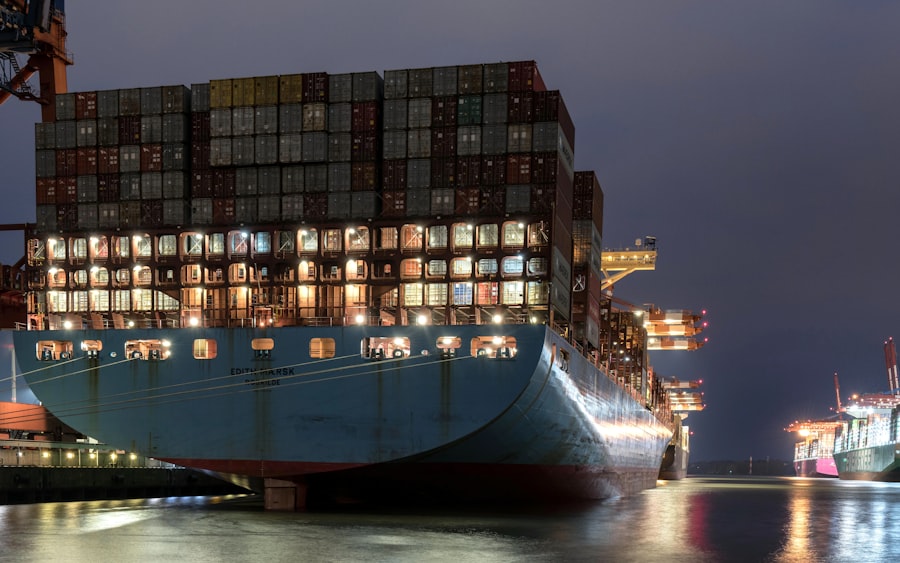
Insurance providers play a vital role in supporting Arctic shipping operations by offering tailored coverage options that address the unique risks associated with this environment. Given the complexities involved in insuring Arctic voyages, insurers must have a deep understanding of both maritime operations and the specific challenges posed by polar navigation. This expertise allows them to develop policies that provide adequate protection while also considering the evolving nature of risks in the region.
Moreover, insurance providers often collaborate with shipping companies to assess their individual needs and develop customized solutions. This partnership approach enables insurers to offer more than just financial protection; they can also provide valuable insights into risk management practices and best operational strategies for navigating Arctic waters. By fostering strong relationships with their clients, insurance providers can help ensure that shipping companies are well-equipped to handle the challenges of Arctic navigation while minimizing potential losses.
Understanding War Risk Insurance Coverage in Arctic Shipping
War risk insurance coverage is particularly nuanced in the context of Arctic shipping due to the region’s geopolitical significance. This type of insurance typically covers losses resulting from acts of war or terrorism but may also include provisions for civil commotion or political unrest. Given the potential for territorial disputes among nations with interests in the Arctic, shipping companies must carefully evaluate their exposure to these risks when determining their insurance needs.
Understanding the specific terms and conditions of war risk insurance policies is crucial for shipping companies operating in the Arctic. Coverage limits, exclusions, and premium costs can vary significantly between providers, making it essential for companies to conduct thorough research before selecting an insurer. Additionally, as geopolitical dynamics shift over time, shipping companies should regularly review their war risk insurance coverage to ensure it remains adequate for their operational needs.
Mitigating Risks in Arctic Shipping Operations
Mitigating risks in Arctic shipping operations requires a multifaceted approach that encompasses both proactive planning and responsive strategies. One key aspect is investing in specialized vessels designed for polar navigation, which can enhance safety and operational efficiency in icy waters. These vessels are equipped with reinforced hulls and advanced navigation systems that enable them to navigate challenging conditions more effectively.
In addition to vessel design, training crew members on best practices for operating in Arctic environments is essential for minimizing risks. Comprehensive training programs should cover topics such as ice navigation techniques, emergency response protocols, and environmental protection measures. By equipping crews with the knowledge and skills necessary to handle potential challenges, shipping companies can significantly reduce the likelihood of accidents or incidents during Arctic voyages.
The Future of Arctic Shipping and Insurance
The future of Arctic shipping is poised for significant transformation as climate change continues to reshape the region’s landscape. As ice melts and new routes become accessible, opportunities for increased maritime traffic will likely arise. However, this growth will also bring new challenges related to safety, environmental protection, and regulatory compliance.
Shipping companies must remain agile and adaptable to navigate this evolving landscape effectively. Insurance providers will also need to evolve alongside changes in Arctic shipping practices. As new risks emerge and existing ones become more pronounced, insurers will be tasked with developing innovative coverage solutions that address these challenges.
Collaboration between shipping companies and insurers will be crucial in shaping policies that not only protect against traditional risks but also account for emerging threats associated with climate change and geopolitical tensions.
The Role of International Agreements in Arctic Shipping and Insurance
International agreements play a pivotal role in shaping the framework for Arctic shipping operations and insurance practices. Treaties such as UNCLOS establish guidelines for maritime activities while promoting cooperation among nations with interests in the region. These agreements help create a stable environment for shipping operations by providing clarity on territorial claims and navigational rights.
Furthermore, international organizations like the IMO are instrumental in developing regulations that enhance safety standards for polar navigation. The Polar Code is an example of such an initiative aimed at ensuring environmentally responsible practices while safeguarding human life at sea. By adhering to these international agreements, shipping companies can demonstrate their commitment to responsible operations while benefiting from a more predictable regulatory environment.
Navigating the Complexities of Arctic Shipping and Insurance Claims
Navigating the complexities of insurance claims related to Arctic shipping can be a daunting task for companies operating in this challenging environment. The unique risks associated with polar navigation often lead to intricate claims processes that require thorough documentation and evidence gathering. Shipping companies must be prepared to provide detailed information about incidents or losses incurred during voyages to facilitate successful claims.
Additionally, understanding the specific terms of insurance policies is crucial when filing claims related to Arctic operations. Exclusions or limitations outlined in policies may impact a company’s ability to recover losses fully. Therefore, maintaining open communication with insurers throughout the claims process is essential for ensuring a smooth resolution.
By being proactive in managing claims and understanding their rights under their insurance policies, shipping companies can better navigate the complexities associated with Arctic shipping operations.
In the context of Arctic shipping, understanding the nuances of insurance exclusions, particularly regarding war risk, is crucial for maritime operators. A related article that delves into these complexities can be found at this link. It provides valuable insights into how geopolitical tensions can impact insurance coverage in the challenging Arctic environment.
FAQs
What is Arctic shipping insurance?
Arctic shipping insurance is a specialized type of marine insurance that covers vessels operating in the Arctic region. It provides protection against risks unique to the harsh and remote Arctic environment, including ice damage, extreme weather, and limited rescue options.
Why are war risk exclusions important in Arctic shipping insurance?
War risk exclusions are important because they define the circumstances under which the insurer will not cover losses related to war, hostilities, or armed conflict. Given the geopolitical sensitivities and potential military activities in the Arctic, these exclusions clarify the insurer’s liability in case of war-related incidents.
What typically constitutes a war risk exclusion in Arctic shipping insurance policies?
War risk exclusions generally exclude coverage for damage or loss caused by war, invasion, acts of foreign enemies, hostilities, civil war, rebellion, revolution, insurrection, or military or usurped power. This means insurers will not pay claims arising from these events.
Are there any special considerations for war risk coverage in the Arctic compared to other regions?
Yes, the Arctic’s strategic importance and increasing military presence can lead to heightened war risk. Insurers may impose stricter exclusions or require additional premiums for war risk coverage in the Arctic compared to other regions due to these factors.
Can shipowners purchase additional war risk insurance for Arctic voyages?
Yes, shipowners can often purchase separate war risk insurance policies or endorsements to cover risks excluded under standard Arctic shipping insurance. This additional coverage can protect against losses from war-related incidents.
How do war risk exclusions affect claims in the event of a conflict in the Arctic?
If a loss or damage occurs due to a war risk event excluded by the policy, the insurer typically denies the claim. Shipowners must rely on any additional war risk coverage they have purchased or bear the financial loss themselves.
What steps can shipowners take to mitigate war risk in Arctic shipping?
Shipowners can conduct thorough risk assessments, stay informed about geopolitical developments, purchase appropriate war risk insurance, and implement security measures onboard. They may also avoid high-risk areas during times of conflict.
Is war risk coverage included by default in all Arctic shipping insurance policies?
No, war risk coverage is often excluded by default and must be purchased separately. Policyholders should carefully review their insurance contracts to understand the scope of coverage and exclusions related to war risks.
How does the presence of war risk exclusions impact the cost of Arctic shipping insurance?
War risk exclusions can lower the base premium of Arctic shipping insurance since certain high-risk scenarios are not covered. However, if additional war risk coverage is purchased, it typically increases the overall insurance cost.
Where can shipowners find more information about war risk exclusions in Arctic shipping insurance?
Shipowners can consult their insurance brokers, underwriters, and legal advisors for detailed information. Industry publications, maritime insurance associations, and regulatory bodies also provide guidance on war risk exclusions and coverage options.