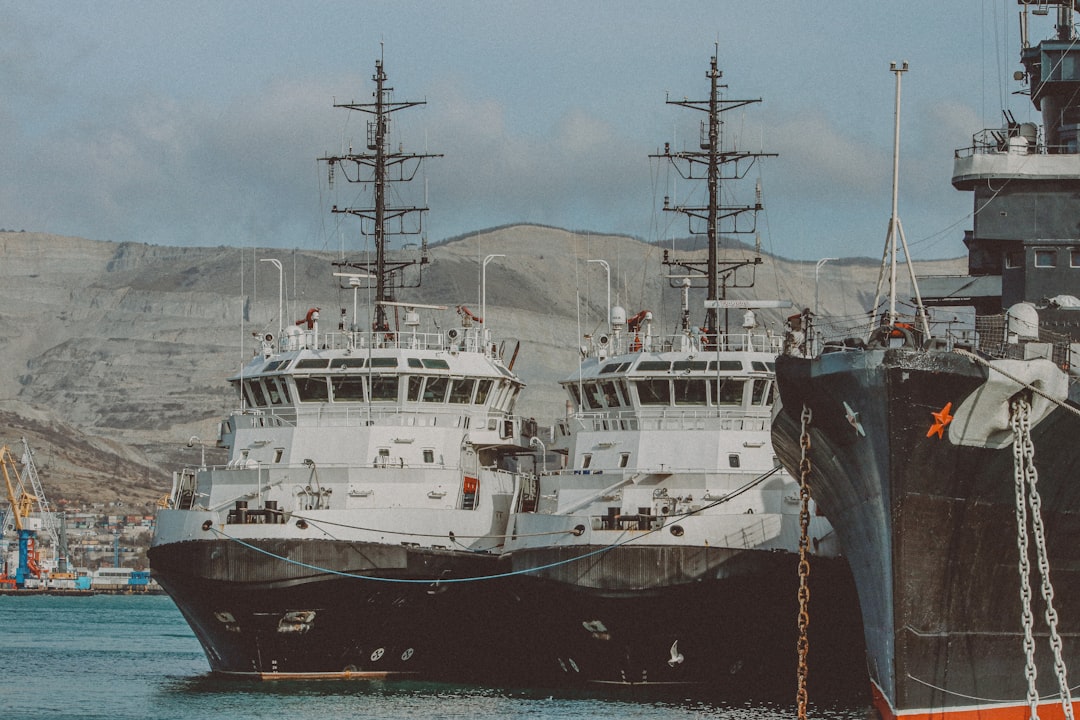
Naval vessels, the majestic guardians of maritime domains, are increasingly finding themselves on the front lines of a new kind of warfare. The oceans, historically theaters of pitched battles between fleets, are now also the hunting grounds for threats that operate from the shadows and employ unconventional tactics. This article will explore the multifaceted challenge of facing asymmetric threats at sea, examining the nature of these challenges and the evolving strategies and technologies employed by navies to counter them.
The landscape of naval warfare has undergone a profound transformation. Gone are the days when the primary concern was a head-on clash with a similarly sized and equipped adversary. Today, naval forces must contend with a hydra of unconventional adversaries who exploit vulnerabilities and leverage advantages that traditional military doctrines often struggle to address. These asymmetric threats are characterized by their willingness to operate outside established norms of warfare, their often-limited resources, and their capacity to inflict disproportionate damage through innovative and unpredictable means.
Defining the Asymmetric Adversary
The asymmetric adversary is not a monolithic entity; rather, it represents a spectrum of actors and motivations. They can range from state-sponsored non-state actors, employing a meticulously planned campaign of subversion, to loosely organized groups or even individuals with access to sophisticated, albeit perhaps commercially available, technologies. Their strength lies not in matching an opponent gun-for-gun, but in their ability to find and exploit the weakest link in a seemingly impenetrable chain. Think of a skilled climber scaling a sheer cliff face; they don’t attack the mountain head-on but seek out the existing cracks and handholds.
The Nature of Asymmetric Attacks
Asymmetric attacks on naval vessels are as varied as the adversaries themselves. They can manifest as:
Swarming Attacks
One of the most concerning manifestations of asymmetric naval warfare is the swarming attack. This involves the coordinated deployment of a large number of relatively small, often unmanned or lightly armed vessels, overwhelming a larger, more heavily armed warship through sheer numbers and unpredictable maneuverability. These swarms can be composed of everything from fast attack craft armed with anti-ship missiles to simpler, mass-produced drones equipped with explosives. The psychological impact of being encircled and attacked by a sea of small craft can be significant, even if individual units pose a limited threat.
Improvised Explosive Devices (IEDs) and Mines
The ubiquitous nature of explosives allows asymmetric actors to deploy IEDs and mines in innovative ways. These can be anchored to the seabed, deployed from small boats, or even attached directly to the hull of a target vessel by divers or submersible drones. The indiscriminate nature of mines and the potential for stealthy deployment of IEDs make them a persistent and challenging threat to naval operations in littoral waters and chokepoints.
Suicide Attacks and Human Torpedoes
The tragic effectiveness of suicide attacks, a tactic honed in land-based conflicts, has been adapted for the maritime environment. Suicide boats, often laden with explosives and directed by remote control or by a dedicated operative, can pose a significant threat to stationary or slow-moving naval assets. Similarly, the historical threat of human torpedoes, now potentially augmented by modern submersible technology, can present a stealthy and devastating means of attack.
Cyber and Electronic Warfare
In the digital age, the battlefield extends into the electromagnetic spectrum and the intricate networks that govern modern naval operations. Asymmetric adversaries are increasingly leveraging cyberattacks to disrupt communication systems, compromise sensor data, or even gain control of vessel systems. Electronic warfare, including jamming, spoofing, and signals intelligence, can blind sensors, disrupt navigation, and sow confusion among a warship’s crew. This form of attack is particularly insidious, as its effects can be subtle and difficult to attribute.
Asymmetric threats to naval vessels have become increasingly relevant in modern maritime security discussions. A related article that delves into the complexities of these threats and their implications for naval operations can be found at My Geo Quest. This resource provides insights into how unconventional tactics and technologies are reshaping naval warfare, highlighting the need for adaptive strategies in response to evolving challenges at sea.
Vulnerabilities Exposed: The Weak Points of Naval Platforms
While naval vessels are designed for rugged, often hostile environments, they possess inherent vulnerabilities that asymmetric threats are adept at exploiting. These vulnerabilities are not necessarily design flaws but rather unavoidable characteristics of operating large, complex platforms in a dynamic and often contested maritime space.
The “Big and Slow” Problem
Larger naval vessels, while possessing formidable offensive and defensive capabilities, can also be perceived as “big and slow” targets. Their size and inherent inertia make them less agile and more susceptible to being outmaneuvered by smaller, faster craft. This is particularly true in confined littoral waters where high-speed maneuvers are more challenging. The sheer mass that provides stability and protection can also become a liability when rapid evasive action is paramount.
Sensor Limitations and the “Blind Spot”
Naval sensors, while sophisticated, are not infallible. They have limited ranges, can be affected by environmental conditions (such as fog or heavy seas), and can be spoofed or jammed. Asymmetric threats often operate at the edge of or just outside the effective range of many sensor systems, allowing them to approach undetected. Furthermore, the sheer volume of data generated by a warship’s sensor suite can create information overload, making it difficult to identify and track low-signature threats.
Reliance on Complex Systems
Modern naval vessels are intricate ecosystems of interconnected electronic and mechanical systems. While this complexity enables advanced capabilities, it also creates potential points of failure. A successful cyberattack or a precisely targeted kinetic strike on a critical system can cripple a vessel’s operational effectiveness. The interlocking nature of these systems means that a single compromised component can have cascading effects throughout the platform.
The Human Element
Despite advancements in automation, the human element remains central to naval operations. Fatigue, stress, and the potential for human error can all be exploited by adversaries. Psychological operations, propaganda, and the constant threat of attack can degrade crew morale and performance. Moreover, the training and readiness of crews to deal with unconventional threats is a critical factor in their ability to respond effectively.
Countering the Shadow: Evolving Naval Strategies
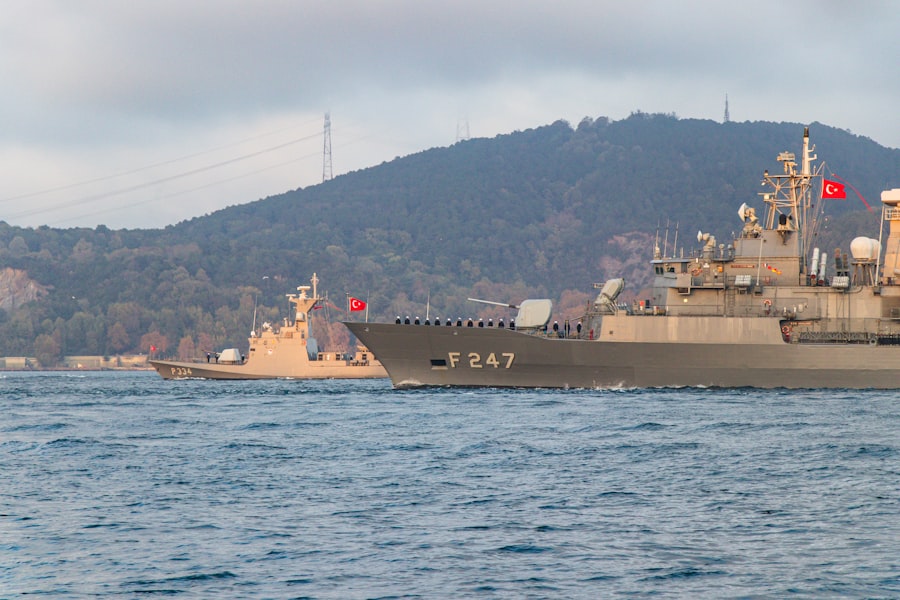
The challenge of asymmetric threats has compelled navies worldwide to fundamentally rethink their strategies and operational doctrines. The focus has shifted from simply projecting power to a more nuanced approach that emphasizes adaptability, resilience, and the integration of diverse capabilities.
Enhanced Situational Awareness
A cornerstone of effective counter-asymmetric warfare is achieving and maintaining superior situational awareness. This involves integrating data from a multitude of sensors, including radar, sonar, electro-optical systems, and even intelligence, surveillance, and reconnaissance (ISR) platforms. The goal is to create a comprehensive and real-time understanding of the battlespace, identifying potential threats long before they become an immediate danger.
The Integrated Sensor Network
Modern navies are investing heavily in networked sensor systems that can share information across platforms and command centers. This creates a more robust and resilient picture of the operating environment, reducing the reliance on any single sensor or platform. Think of it as weaving a net of awareness; if one thread is broken, the rest of the net still provides coverage.
Open-Source Intelligence (OSINT) and Human Intelligence (HUMINT)
In addition to traditional military intelligence, navies are increasingly leveraging OSINT and HUMINT. This involves monitoring public information sources, social media, and cultivating human sources to gain insights into the intentions and capabilities of potential adversaries. This “eyes and ears” approach can provide early warnings of developing threats.
Proactive Engagement and Deterrence
Rather than solely reacting to attacks, navies are increasingly adopting proactive engagement strategies. This involves maintaining a visible presence in contested areas, conducting patrols, and engaging with local populations to deter hostile actors and establish a sense of security. The aim is to make it more difficult for asymmetric threats to organize and operate with impunity.
Forward Presence and Patrols
A consistent naval presence in key maritime regions acts as a visible deterrent. By operating in areas where threats are known to emerge, navies can disrupt enemy planning and provide a rapid response capability should an attack commence.
Maritime Interdiction Operations (MIO) and Security Cooperation
Engaging in MIO and building security cooperation with regional partners are crucial for disrupting the flow of weapons and illicit materials that can fuel asymmetric threats. Working collaboratively with other nations enhances collective security and expands the reach of surveillance and interdiction.
Layered Defense and Force Protection
Naval forces are implementing layered defense strategies to protect vessels from a variety of threats. This involves deploying multiple defensive systems that can engage targets at different ranges and with different methods.
Layered Anti-Submarine and Anti-Surface Warfare
This involves employing a suite of weapons systems – including torpedoes, surface-to-air missiles, and close-in weapon systems – designed to counter a range of threats from both beneath and on the surface of the water.
Non-Lethal and Electronic Warfare Capabilities
Beyond kinetic solutions, navies are investing in non-lethal capabilities, such as acoustic devices or directed energy weapons, which can deter or disable threats without causing significant damage or loss of life. Electronic warfare capabilities are also crucial for disrupting enemy communications and sensor systems.
Technological Innovations: The Double-Edged Sword
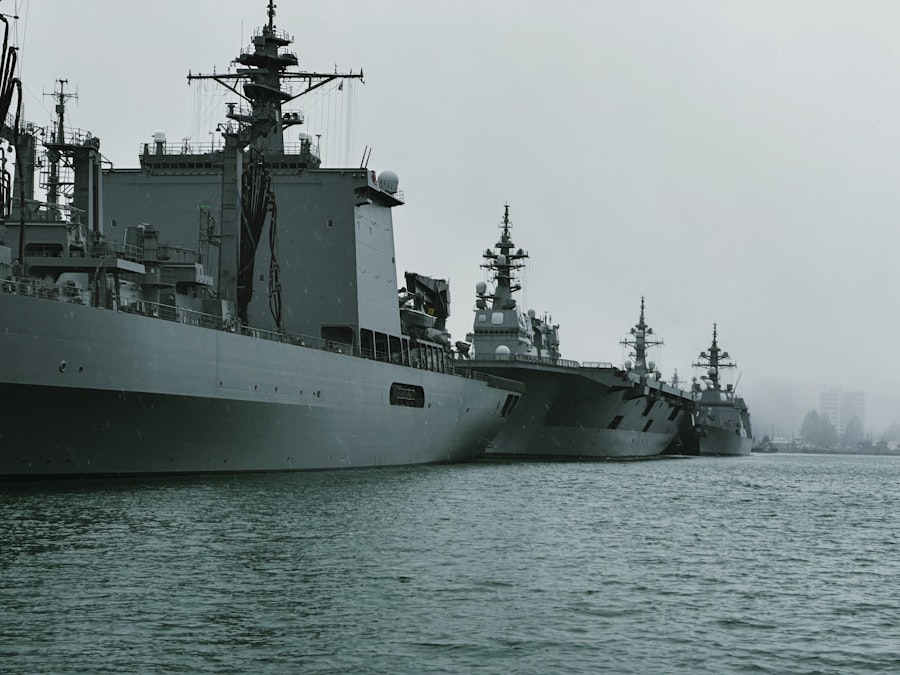
Technology plays a pivotal role in both the creation and the mitigation of asymmetric naval threats. While adversaries leverage commercially available or adapted technologies, navies are pushing the boundaries of innovation to stay ahead. However, this also means that advancements in naval technology can inadvertently provide new tools for adversaries.
Unmanned Systems: A Dual-Use Revolution
Unmanned vehicles, both aerial (UAVs) and maritime (UMVs), represent a significant technological development. For naval forces, they offer enhanced ISR capabilities, force protection through remote reconnaissance, and the potential to deliver weapons payloads without risking human lives. However, these same systems can be adapted by adversaries for reconnaissance, swarm attacks, or even as guided munitions.
The Rise of Autonomous Systems
The increasing autonomy of unmanned systems allows them to operate for extended periods without direct human control, making them attractive for both offensive and defensive roles. Navies are developing complex algorithms to enable swarming behaviors and coordinated operations for their own unmanned assets, while simultaneously defending against similar enemy deployments.
Counter-UAS and Counter-UMV Technologies
Developing effective countermeasures against enemy unmanned systems is a critical area of research and development. This involves a combination of electronic warfare, kinetic interceptors, and detection systems designed to neutralize these airborne and surface threats.
Advanced Weaponry and Defensive Systems
Naval warfare is witnessing the development of increasingly sophisticated weaponry. This includes hypersonic missiles, directed energy weapons, and advanced missile defense systems. These technologies are designed to provide greater range, speed, and precision, allowing naval vessels to engage threats more effectively.
Directed Energy Weapons (DEWs)
DEWs, such as lasers and high-power microwaves, offer the potential for near-instantaneous engagement with unlimited magazine depth. They are particularly effective against small, fast-moving targets like drones and small boats.
Hypersonic Missile Defense
The emergence of hypersonic missiles, which fly at extremely high speeds and maneuver unpredictably, presents a significant challenge for traditional missile defense systems. Navies are investing heavily in developing new interceptor technologies and sensor capabilities to counter this emerging threat.
Cyber Resilience and Network Security
Given the increasing reliance on networked systems, ensuring cyber resilience and network security is paramount. This involves implementing robust cybersecurity protocols, conducting regular vulnerability assessments, and training personnel in cyber defense.
Secure Communication Networks
Protecting the integrity and confidentiality of naval communication networks is crucial. This involves employing advanced encryption techniques, intrusion detection systems, and stringent access controls.
Information Warfare and Deception Operations
Understanding and countering enemy information warfare operations, including propaganda and disinformation campaigns, is also a critical aspect of modern naval strategy. This can involve developing capabilities for deception operations to mislead or confuse adversaries.
Asymmetric threats to naval vessels have become increasingly relevant in modern maritime security discussions, particularly in light of evolving tactics employed by non-state actors and rogue nations. For a deeper understanding of these challenges, you can explore an insightful article that delves into the complexities of maritime warfare and the implications for naval strategy. This resource offers valuable perspectives on how traditional naval forces can adapt to counter these unconventional threats. To read more, visit this article.
The Human Factor: Training and Adaptation
| Threat Type | Description | Potential Impact | Countermeasures | Examples |
|---|---|---|---|---|
| Swarm Attacks | Multiple small, fast boats attacking simultaneously | Overwhelm defenses, cause damage through coordinated strikes | Automated defense systems, rapid response teams, electronic jamming | 2000 USS Cole attack, Yemeni coast incidents |
| Improvised Explosive Devices (IEDs) | Explosives placed in waterways or on small vessels | Damage hull integrity, cause casualties | Mine detection sonar, underwater drones, patrols | Persian Gulf mine incidents |
| Suicide Attacks | Attackers using vessels or divers to ram or detonate near ships | Severe damage or sinking of vessels | Perimeter security, early detection radar, armed patrols | USS Cole bombing, attack on MV Limburg |
| Cyber Attacks | Hacking into ship systems to disrupt operations | Navigation errors, weapon system failures, communication loss | Cybersecurity protocols, system redundancies, crew training | Reported attacks on naval communication networks |
| Unmanned Aerial Vehicles (UAVs) | Use of drones for reconnaissance or attack | Surveillance, targeting, or direct attacks on vessels | Anti-drone systems, electronic warfare, physical interception | Drone incursions in contested maritime zones |
While technology provides the tools, it is the human element that ultimately determines the effectiveness of naval responses to asymmetric threats. Rigorous training, adaptability, and a strong command structure are essential for maintaining operational readiness.
Adapting Training Regimes
Traditional naval training often focused on scenarios mirroring peer-on-peer conflict. However, the reality of asymmetric warfare demands a shift in focus. Training programs must now incorporate realistic simulations of swarming attacks, drone assaults, and cyber intrusions.
Realistic Adversary Mimicry
Training environments are increasingly designed to mimic the tactics and capabilities of asymmetric adversaries. This includes the use of simulated low-signature craft, sophisticated electronic warfare jamming, and coordinated drone exercises.
Stress Inoculation and Psychological Preparedness
Naval personnel must be psychologically prepared to operate under the constant threat of unpredictable attacks. Training scenarios often incorporate elements of surprise, confusion, and high-stress situations to build resilience and improve decision-making under pressure.
Cultivating Adaptable Crews
The ability to adapt and innovate under pressure is a hallmark of successful naval operations against asymmetric threats. Crews must be empowered to deviate from standard operating procedures when necessary and to develop novel solutions to unforeseen challenges.
Empowering Junior Officers and Enlisted Personnel
In fast-paced, unpredictable engagements, the ability of junior personnel to assess situations and make independent decisions can be critical. Naval doctrines are evolving to empower these individuals, fostering a culture of initiative and rapid problem-solving.
Continuous Learning and Skill Development
The threat landscape is constantly evolving, requiring naval personnel to engage in continuous learning and skill development. This includes staying abreast of new technologies, understanding emerging threat tactics, and refining operational procedures.
The Importance of Joint and Interagency Operations
Asymmetric threats often blur the lines between military and civilian domains. Therefore, effective responses often require seamless coordination between naval forces, other branches of the military, and civilian agencies.
Integrated Command and Control
Establishing integrated command and control structures that allow for efficient information sharing and coordinated action between different military services and civilian organizations is crucial for presenting a unified front against asymmetric threats.
Interagency Collaboration in Maritime Security
Navies must work closely with coast guards, law enforcement agencies, and intelligence services to identify, disrupt, and counter threats that operate across the maritime domain. This collaboration ensures a comprehensive approach to maritime security.
The challenge of naval vessels operating under asymmetric threats is a dynamic and evolving one. It demands constant vigilance, continuous adaptation, and a willingness to embrace innovative solutions. The oceans will undoubtedly remain a vital domain, and the navies that sail them must be prepared to navigate not only the waves, but also the hidden currents of unconventional warfare. The battles of the future may not always be fought with broadsides and torpedoes, but with the cunning application of ingenuity and the relentless pursuit of ever-evolving deterrence.
FAQs
What are asymmetric threats to naval vessels?
Asymmetric threats to naval vessels refer to unconventional tactics and weapons used by adversaries that differ from traditional naval warfare. These threats often involve smaller, faster, and less expensive platforms or methods designed to exploit vulnerabilities in larger, more technologically advanced ships.
What types of asymmetric threats do naval vessels commonly face?
Naval vessels commonly face asymmetric threats such as small boat swarms, suicide attacks, underwater mines, unmanned aerial vehicles (drones), cyber attacks, and guerrilla-style tactics. These threats aim to disrupt, damage, or destroy naval assets without engaging in direct, large-scale combat.
How do asymmetric threats impact naval operations?
Asymmetric threats complicate naval operations by requiring increased vigilance, adaptability, and specialized countermeasures. They can limit the freedom of movement, increase the risk of damage or loss, and necessitate changes in tactics, training, and technology to effectively detect and neutralize these threats.
What measures are taken to defend naval vessels against asymmetric threats?
Defensive measures include enhanced surveillance and reconnaissance, electronic warfare systems, close-in weapon systems (CIWS), improved ship design for survivability, deployment of unmanned systems for early threat detection, and comprehensive crew training focused on rapid response to unconventional attacks.
Why are asymmetric threats considered a significant challenge for modern navies?
Asymmetric threats are significant because they allow smaller or less technologically advanced adversaries to challenge powerful naval forces effectively and unpredictably. These threats exploit the complexity and reliance on technology in modern naval vessels, making traditional defense strategies less effective and requiring continuous innovation in countermeasures.