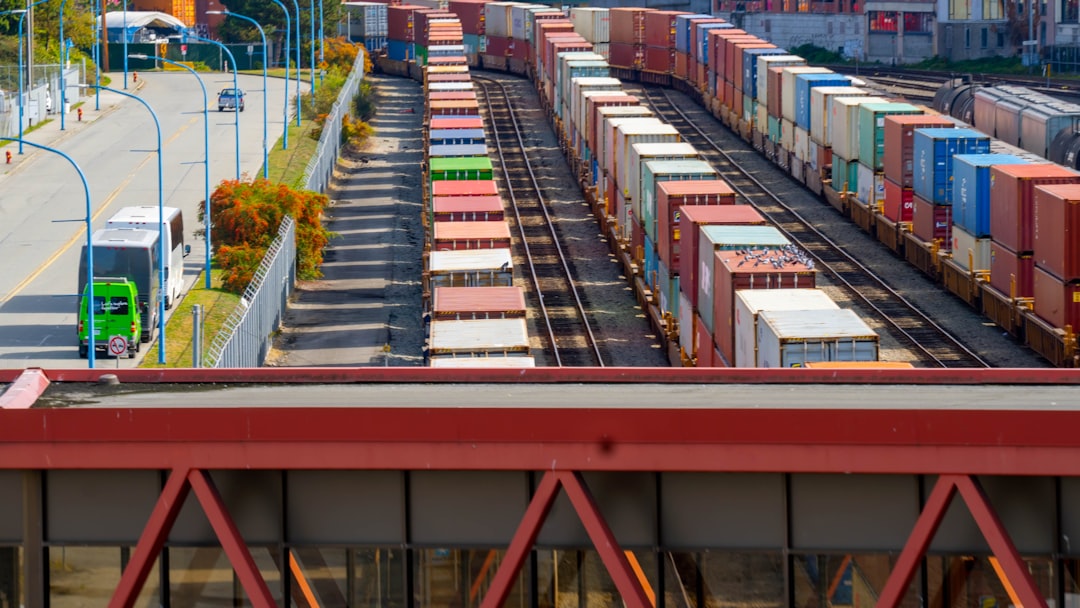
The European logistics landscape presents a complex tapestry of opportunities and challenges. While its integrated market fosters efficient trade, inherent vulnerabilities, ranging from geopolitical shifts to natural disasters, pose significant risks. Effective mitigation strategies are paramount for businesses seeking to maintain operational continuity and deliver goods reliably across the continent. This article explores key risk categories and outlines practical approaches to fortify logistics operations against potential disruptions.
The European Union, with its diverse geography, intricate regulatory frameworks, and dynamic geopolitical environment, creates a unique context for logistics risk assessment. Companies operating within or through Europe must recognize that a “one-size-fits-all” approach to risk management is insufficient. The sheer volume of goods transported daily, combined with often just-in-time (JIT) delivery requirements, magnifies the impact of any disruption.
Geo-Political and Economic Instability
Political upheavals, trade disputes, and economic downturns can act as powerful headwinds for logistics operations. The ongoing conflict in Ukraine, for instance, has demonstrated the profound impact of geopolitical events on supply chains, leading to re-routing, increased transportation costs, and commodity shortages. Similarly, economic crises can reduce consumer demand, impact cargo volumes, and strain financing for logistics providers.
Regulatory Shifts and Trade Barriers
Frequent changes in customs regulations, environmental mandates, or labor laws within individual European nations or the EU bloc can create bureaucratic hurdles and increase compliance costs. The complexities of Brexit, for example, introduced new customs procedures and border checks, significantly altering trade flows between the UK and the EU. Businesses must remain agile and frequently review their compliance strategies to avoid legal penalties and operational delays.
Currency Fluctuations and Inflation
A volatile economic climate, characterized by significant currency fluctuations or rampant inflation, directly impacts logistics costs. Fuel prices, labor wages, and equipment expenses can escalate rapidly, eroding profit margins and making long-term planning challenging. Hedging strategies and flexible pricing models become crucial defenses against such financial instability.
Natural Disasters and Climate Change Impacts
The European continent is increasingly susceptible to various natural phenomena, from extreme weather events to seismic activity. The escalating frequency and intensity of these events, often attributed to climate change, present an evolving threat to logistics infrastructure and operations.
Flooding and Storms
Heavy rainfall, exacerbated by altered weather patterns, can lead to widespread flooding, disrupting road, rail, and port operations. Severe storms, including windstorms and blizzards, can cause road closures, damage infrastructure, and ground air freight. The ripple effect of such events can extend far beyond the immediate impact zone, creating bottlenecks across entire networks.
Heatwaves and Wildfires
Rising temperatures in Southern Europe can lead to heat-related operational restrictions, such as speed limits for rail transport due to heat stress on tracks, or limitations on driver working hours. The increased prevalence of wildfires, particularly in forested regions, can directly threaten logistics hubs, warehouses, and transport routes, leading to significant asset damage and operational halts.
Infrastructure and Security Vulnerabilities
The physical infrastructure that underpins European logistics – roads, railways, ports, airports, and warehouses – is a critical asset but also presents inherent vulnerabilities. Security threats, ranging from cyberattacks to cargo theft, add another layer of complexity.
Bottlenecks and Congestion
Key transit points, such as major ports (e.g., Rotterdam, Hamburg), Alpine tunnels, and urban delivery zones, are frequently prone to congestion. This leads to delays, increased fuel consumption, and higher operational costs. Aging infrastructure in some regions can also contribute to breakdowns and maintenance-related disruptions.
Cyber Security Threats
The increasing digitalization of logistics operations, from supply chain management software to automated warehousing, makes the sector a prime target for cyberattacks. Data breaches, ransomware attacks, or system failures can paralyze operations, compromise sensitive information, and inflict significant financial and reputational damage.
Cargo Theft and Organized Crime
Despite advancements in security technologies, cargo theft remains a persistent threat across Europe. High-value goods, electronics, pharmaceuticals, and consumer products are often targeted by organized criminal groups, particularly at unsecured parking areas, warehouses, and during transit.
In the realm of logistics risk management in Europe, understanding the complexities of supply chain vulnerabilities is crucial for businesses aiming to enhance their operational resilience. A related article that delves into this topic is available at MyGeoQuest, where you can find insights and strategies to effectively mitigate risks associated with logistics operations across the continent.
Implementing Robust Risk Mitigation Strategies
Mitigating logistics risks requires a proactive, multi-faceted approach. Companies must move beyond reactive measures and embed risk management into their strategic planning and operational processes.
Diversification and Redundancy
A cornerstone of effective risk mitigation is to avoid over-reliance on single points of failure. Just as an investor diversifies a portfolio, a logistics manager must diversify their operational capabilities.
Multi-modal Transport Solutions
Instead of exclusive reliance on road transport, consider incorporating rail, inland waterways, and short-sea shipping where feasible. This strategy reduces dependence on a single mode, offers alternative routes during disruptions, and can also contribute to sustainability goals. For example, moving goods by barge along the Rhine reduces road congestion and offers a resilient alternative during adverse weather.
Geographically Dispersed Warehousing
Establishing warehouses and distribution centers in different geographical locations reduces the impact of localized disruptions. If one facility is affected by a natural disaster or labor strike, operations can be shifted to an alternative location, minimizing service interruptions. This redundancy acts as a buffer, ensuring continuous supply.
Multiple Supplier and Carrier Networks
Relying on a single logistics provider or a limited number of raw material suppliers can be precarious. Developing strong relationships with multiple carriers and cultivating a diverse supplier base creates resilience. Should one partner face operational issues, an alternative can be quickly engaged, preventing a complete standstill. This strategy is akin to having multiple keys for a lock; if one breaks, others are still available.
Advanced Technology and Data Analytics
Leveraging technology offers powerful tools for anticipating, monitoring, and responding to logistics risks. Data-driven insights can transform reactive measures into proactive interventions.
Predictive Analytics and AI for Route Optimization
Artificial intelligence (AI) and machine learning (ML) can analyze vast datasets, including historical weather patterns, traffic data, geopolitical incidents, and market trends, to predict potential disruptions. This enables dynamic route optimization, allowing companies to preemptively adjust transport plans around anticipated bottlenecks or adverse conditions. Imagine AI acting as a sophisticated radar, scanning the horizon for storms before they arrive.
Real-time Visibility and Tracking
Implementing advanced tracking technologies, such as GPS, IoT sensors, and blockchain, provides end-to-end visibility of goods in transit. This allows for real-time monitoring of location, temperature, humidity, and security status. In the event of an incident, this immediate information is critical for rapid response and recovery, akin to having eyes and ears on the ground at all times.
Cyber Security Infrastructure
Robust cyber security measures, including strong firewalls, intrusion detection systems, regular vulnerability assessments, and employee training, are non-negotiable. Furthermore, incident response plans must be in place to quickly contain and neutralize cyber threats, minimizing their impact on logistics operations. Treat your digital defenses as the digital walls of your fortress.
Collaborative Planning and Communication
Effective risk mitigation is rarely a solitary endeavor. It requires seamless collaboration across internal departments and with external partners.
Cross-functional Risk Management Teams
Establishing interdisciplinary teams comprising representatives from logistics, procurement, IT, legal, and sales ensures a holistic view of potential risks. These teams can develop comprehensive risk registers, conduct regular risk assessments, and formulate integrated mitigation strategies that consider various operational facets.
Partnering with Local Experts and Authorities
Engaging with local logistics providers, customs brokers, and governmental agencies provides invaluable insights into regional specificities, regulatory changes, and emerging threats. Strong relationships with these stakeholders can facilitate quicker resolution of issues and access to critical information during crises. Local knowledge is a golden key in navigating complex terrains.
Clear Crisis Communication Protocols
Developing clear and concise communication protocols is essential for managing disruptions effectively. This includes establishing communication channels (e.g., dedicated hotlines, secure messaging platforms), defining roles and responsibilities for communication, and preparing templated messages for various scenarios. Transparent and timely communication with customers, suppliers, and internal teams during a crisis can maintain trust and minimize confusion.
Embracing Resilience as a Core Competency
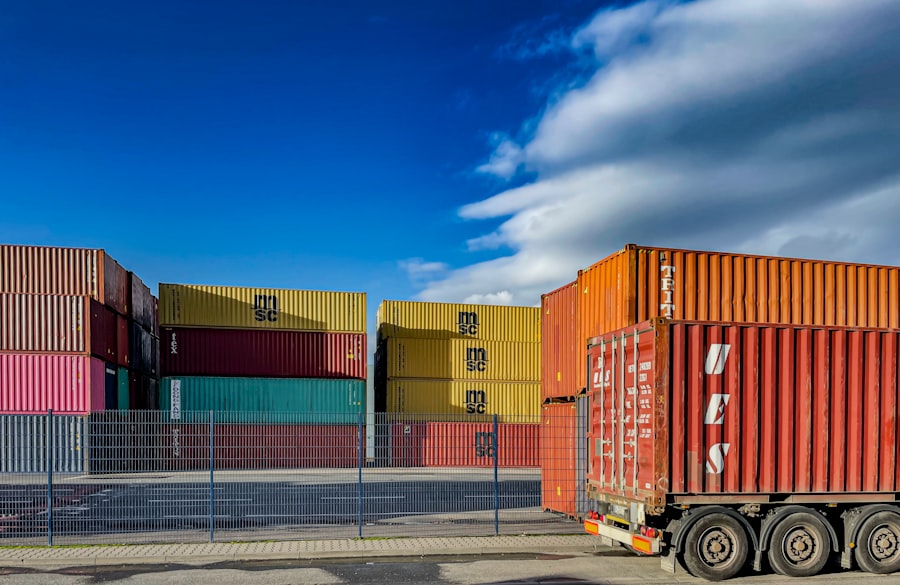
For businesses operating in Europe, mitigating logistics risks is not merely a task but a continuous journey toward building resilience. The ability to adapt, recover, and even thrive in the face of adversity is becoming a distinguishing characteristic of successful enterprises.
Continuous Monitoring and Review
The European risk landscape is dynamic. What constitutes a minor risk today could become a major threat tomorrow. Therefore, risk assessment and mitigation strategies must be continuously monitored, reviewed, and updated. Regular drills, scenario planning, and post-incident analysis provide valuable learning opportunities to refine processes and improve preparedness. This is an ongoing battle, not a one-time skirmish.
Investment in Training and Development
A well-trained workforce is a crucial asset in risk mitigation. Investing in training programs that cover areas such as emergency response, cyber security awareness, supply chain analytics, and regulatory compliance empowers employees to identify and address risks effectively. Human foresight and problem-solving remain indispensable, even amidst technological advancements.
Building a Culture of Resilience
Ultimately, embedding a culture of resilience throughout the organization is perhaps the most powerful mitigation strategy. This means fostering an environment where risk awareness is high, continuous improvement is valued, and adaptability is championed. When every employee understands their role in maintaining supply chain integrity, the entire enterprise becomes more robust and capable of weathering any storm that the dynamic European logistics environment may present.
FAQs

What is logistics risk management in Europe?
Logistics risk management in Europe involves identifying, assessing, and mitigating risks associated with the transportation, storage, and distribution of goods across European countries. It aims to ensure supply chain continuity and minimize disruptions caused by factors such as regulatory changes, geopolitical issues, natural disasters, or operational failures.
What are common risks faced in European logistics?
Common risks include customs delays due to varying regulations, transportation disruptions from strikes or infrastructure issues, compliance with EU and local laws, currency fluctuations, cybersecurity threats, and environmental factors like extreme weather impacting routes and delivery schedules.
How do companies manage cross-border logistics risks in Europe?
Companies manage cross-border risks by staying updated on regulatory requirements, using advanced tracking and communication technologies, partnering with reliable local carriers, implementing contingency plans, and ensuring proper documentation and customs clearance procedures are followed.
What role does technology play in logistics risk management in Europe?
Technology plays a crucial role by providing real-time tracking, predictive analytics for risk assessment, automated compliance checks, and enhanced communication tools. These technologies help companies anticipate potential disruptions and respond quickly to minimize impact.
Are there specific regulations in Europe that impact logistics risk management?
Yes, regulations such as the EU Customs Code, GDPR for data protection, transportation safety standards, and environmental directives significantly impact logistics risk management. Compliance with these regulations is essential to avoid fines, delays, and reputational damage.