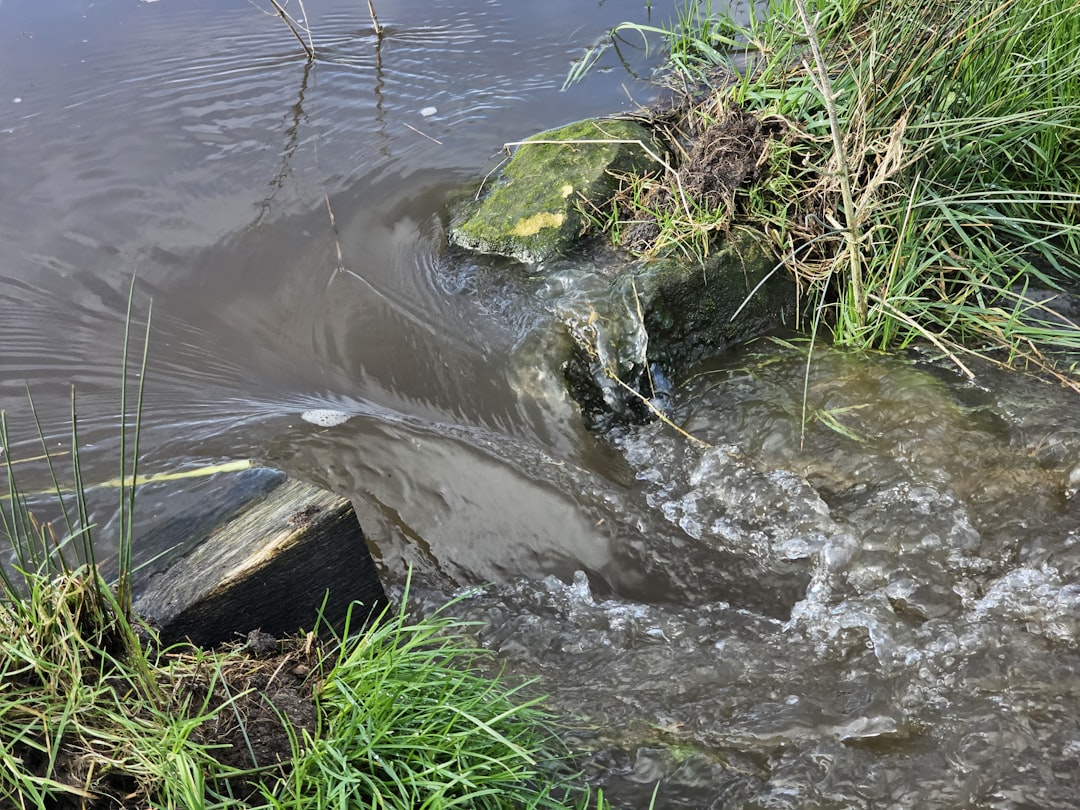
Combined Sewer Overflow (CSO) is a significant environmental issue that arises in urban areas where stormwater and sewage are channeled through a single pipe system. During periods of heavy rainfall or snowmelt, these systems can become overwhelmed, leading to the discharge of untreated sewage and stormwater directly into nearby water bodies. This phenomenon not only poses a threat to aquatic ecosystems but also endangers public health, as the overflow can introduce harmful pathogens and pollutants into recreational waters and drinking supplies.
The complexity of CSO systems lies in their design, which was established in the late 19th and early 20th centuries when cities prioritized efficient waste disposal over environmental considerations. The implications of CSO extend beyond immediate environmental concerns. The overflow events can lead to significant economic costs, including increased treatment expenses for municipalities and potential liabilities from health-related incidents.
Furthermore, the presence of CSO can diminish the quality of life in affected communities, as polluted waterways can deter recreational activities such as swimming, fishing, and boating. Understanding the mechanics of CSO is crucial for developing effective strategies to mitigate its impacts and protect both human health and the environment.
Key Takeaways
- CSO occurs when stormwater and wastewater overwhelm the capacity of combined sewer systems, leading to discharge of untreated sewage into water bodies.
- CSO has significant negative impacts on the water quality of the Great Lakes, leading to contamination, harmful algal blooms, and threats to public health and aquatic life.
- Current efforts to mitigate CSO in the Great Lakes region include infrastructure upgrades, public education, and the development of green infrastructure solutions.
- Green infrastructure solutions, such as rain gardens and permeable pavement, can help reduce CSO by capturing and treating stormwater at its source.
- Wastewater treatment plants play a crucial role in mitigating CSO by treating and disinfecting sewage before it is discharged into water bodies.
The Impact of CSO on the Great Lakes
The Great Lakes, comprising Lakes Superior, Michigan, Huron, Erie, and Ontario, are among the largest freshwater systems in the world. They serve as a vital resource for drinking water, recreation, and industry for millions of people.
When untreated sewage is discharged into the Great Lakes, it can lead to harmful algal blooms, which deplete oxygen levels and produce toxins that are detrimental to aquatic life and human health. These blooms can also disrupt local economies that rely on tourism and fishing. Moreover, the impact of CSO on the Great Lakes is not limited to immediate pollution events.
The long-term effects can include the degradation of water quality and habitat loss for various species. Fish populations may decline due to increased nutrient loading and habitat destruction, while other aquatic organisms may struggle to survive in altered ecosystems. The cumulative effects of repeated CSO events can lead to a decline in biodiversity and disrupt the ecological balance within these vital freshwater systems.
Current Efforts to Mitigate CSO in the Great Lakes Region
In response to the challenges posed by CSO, various stakeholders, including government agencies, non-profit organizations, and local communities, have initiated efforts to mitigate its impact on the Great Lakes. One of the primary strategies involves upgrading existing infrastructure to better manage stormwater and sewage. Many municipalities are investing in separating combined sewer systems into distinct stormwater and wastewater systems to prevent overflow events during heavy rainfall.
Additionally, public awareness campaigns have been launched to educate residents about the importance of reducing stormwater runoff and minimizing pollution. These initiatives often encourage community members to adopt practices such as rainwater harvesting, proper disposal of hazardous materials, and maintaining green spaces that can absorb excess rainwater. By fostering a sense of responsibility among residents, these efforts aim to create a collective approach to mitigating CSO impacts.
Green Infrastructure Solutions for CSO
| Green Infrastructure Solutions for CSO | Metrics |
|---|---|
| Number of Green Infrastructure Projects Implemented | 25 |
| Reduction in Combined Sewer Overflows (CSO) | 50% |
| Volume of Stormwater Managed | 1 million gallons |
| Percentage of Impervious Surfaces Converted to Green Spaces | 30% |
Green infrastructure has emerged as a promising solution for addressing CSO challenges in urban areas surrounding the Great Lakes. This approach emphasizes the use of natural processes to manage stormwater effectively while enhancing urban landscapes. Techniques such as rain gardens, permeable pavements, green roofs, and bioswales are designed to capture and absorb rainwater before it enters the sewer system.
By allowing water to infiltrate into the ground rather than overwhelming combined sewer systems, these solutions can significantly reduce the frequency and volume of CSO events. Moreover, green infrastructure offers additional benefits beyond CSO mitigation. It enhances urban aesthetics, improves air quality, and provides habitats for wildlife.
Communities that implement green infrastructure projects often experience increased property values and improved public health outcomes due to reduced flooding and better water quality. As cities continue to grapple with the challenges posed by climate change and urbanization, green infrastructure presents a sustainable pathway toward resilient urban environments.
The Role of Wastewater Treatment Plants in Mitigating CSO
Wastewater treatment plants (WWTPs) play a critical role in managing CSO events by treating sewage before it is released into water bodies. However, during heavy rainfall or snowmelt periods when combined sewer systems overflow, WWTPs can become overwhelmed as well. To address this issue, many facilities are investing in upgrades that enhance their capacity to handle peak flows while ensuring that treated effluent meets regulatory standards.
In addition to capacity improvements, WWTPs are increasingly adopting advanced treatment technologies that can better remove pollutants from wastewater. These technologies include membrane bioreactors, advanced oxidation processes, and nutrient removal systems that target specific contaminants often found in CSO discharges. By improving treatment efficiency and effectiveness, WWTPs can significantly reduce the environmental impact of CSOs on the Great Lakes.
Community Engagement in CSO Mitigation
Community engagement is essential for successful CSO mitigation efforts in the Great Lakes region. Local residents often possess valuable knowledge about their neighborhoods’ unique challenges and opportunities related to stormwater management. By involving community members in decision-making processes, municipalities can develop more effective strategies that reflect local needs and priorities.
Engagement initiatives may include public meetings, workshops, and educational programs that inform residents about CSO issues and encourage their participation in mitigation efforts. For example, community-led clean-up events or tree-planting initiatives can foster a sense of ownership over local waterways while promoting environmental stewardship. When residents feel empowered to take action, they are more likely to support policies and practices that contribute to long-term solutions for CSO challenges.
Policy and Regulation for CSO Mitigation in the Great Lakes
Effective policy and regulation are crucial components of any comprehensive strategy aimed at mitigating CSO impacts on the Great Lakes. Federal legislation such as the Clean Water Act provides a framework for regulating discharges into navigable waters and sets standards for water quality. However, enforcement at the state and local levels is equally important for ensuring compliance with these regulations.
Many states within the Great Lakes region have developed specific policies targeting CSO management. These policies often require municipalities to create long-term control plans that outline strategies for reducing overflow events while improving overall water quality. By establishing clear guidelines and accountability measures, policymakers can drive progress toward mitigating CSOs and protecting the health of the Great Lakes ecosystem.
Innovative Technologies for CSO Monitoring and Control
The advancement of technology has opened new avenues for monitoring and controlling CSO events effectively. Innovative solutions such as real-time monitoring systems allow municipalities to track rainfall patterns, sewer flow rates, and water quality parameters continuously. This data enables operators to make informed decisions about when to release treated effluent or implement emergency measures during overflow events.
Additionally, predictive modeling tools can help cities anticipate potential overflow scenarios based on historical data and weather forecasts. By simulating various conditions, municipalities can identify vulnerabilities within their sewer systems and prioritize infrastructure improvements accordingly. These technological advancements not only enhance operational efficiency but also contribute to more proactive management of CSOs.
Collaborative Approaches to CSO Mitigation
Collaboration among various stakeholders is essential for addressing the complex challenges posed by CSOs in the Great Lakes region. Partnerships between government agencies, non-profit organizations, academic institutions, and community groups can facilitate knowledge sharing and resource pooling. Such collaborative efforts often lead to more comprehensive solutions that consider multiple perspectives and expertise.
For instance, joint initiatives may involve research projects aimed at understanding the ecological impacts of CSOs or developing innovative technologies for monitoring water quality.
By working together toward common goals, stakeholders can amplify their impact on mitigating CSOs effectively.
Funding and Financing for CSO Mitigation Projects
Securing adequate funding is a critical challenge for municipalities seeking to implement effective CSO mitigation projects in the Great Lakes region. Traditional funding sources such as federal grants or state loans may not always cover the full costs associated with upgrading infrastructure or implementing green solutions. As a result, cities are increasingly exploring alternative financing mechanisms to support their initiatives.
Public-private partnerships (PPPs) have emerged as a viable option for financing large-scale projects aimed at reducing CSOs. These collaborations allow municipalities to leverage private investment while sharing risks associated with project implementation. Additionally, innovative financing tools such as green bonds or impact investing can attract funding from environmentally conscious investors looking to support sustainable initiatives that yield both social and financial returns.
The Future of CSO Mitigation in the Great Lakes
The future of Combined Sewer Overflow mitigation in the Great Lakes region hinges on continued innovation, collaboration, and community engagement. As climate change intensifies weather patterns leading to more frequent heavy rainfall events, cities must adapt their strategies accordingly. This may involve not only upgrading existing infrastructure but also embracing new technologies that enhance monitoring capabilities and treatment efficiency.
Furthermore, fostering a culture of environmental stewardship within communities will be essential for sustaining long-term progress in mitigating CSOs. By empowering residents through education and engagement initiatives, municipalities can cultivate a sense of responsibility toward protecting local waterways. Ultimately, a multifaceted approach that combines technological advancements with community involvement will be key to ensuring the health of the Great Lakes for future generations.
One significant issue affecting the Great Lakes is the problem of combined sewer overflow (CSO), which can lead to pollution and environmental degradation. For a deeper understanding of this topic, you can read more about it in the article available at this link. Addressing CSO is crucial for the health of the Great Lakes ecosystem and the communities that rely on its waters.
WATCH THIS! The Great Lakes Are Dying: The $6 Trillion Lie That’s Killing America’s Water
FAQs
What is a combined sewer overflow (CSO)?
A combined sewer overflow (CSO) occurs when a combined sewer system, which is designed to collect rainwater runoff, domestic sewage, and industrial wastewater in the same pipe, becomes overwhelmed during heavy rainfall or snowmelt. This can result in the discharge of untreated sewage and stormwater into nearby water bodies.
How does CSO impact the Great Lakes?
CSO can have a significant impact on the Great Lakes by introducing pollutants, bacteria, and other contaminants into the water. This can degrade water quality, harm aquatic life, and pose risks to human health.
What are the causes of CSO in the Great Lakes region?
CSO in the Great Lakes region is primarily caused by aging infrastructure, urbanization, and increasing frequency of heavy rainfall events due to climate change. These factors can overwhelm the capacity of combined sewer systems, leading to overflows.
What are the potential solutions to reduce CSO in the Great Lakes?
Potential solutions to reduce CSO in the Great Lakes region include investing in infrastructure upgrades, implementing green infrastructure practices, such as rain gardens and permeable pavement, and promoting water conservation to reduce the volume of wastewater entering the sewer system during heavy rainfall events.
What are the regulatory measures in place to address CSO in the Great Lakes?
Regulatory measures to address CSO in the Great Lakes region include the Clean Water Act, which requires municipalities to develop long-term control plans for CSO mitigation, and the Great Lakes Restoration Initiative, which provides funding for projects aimed at improving water quality in the Great Lakes.