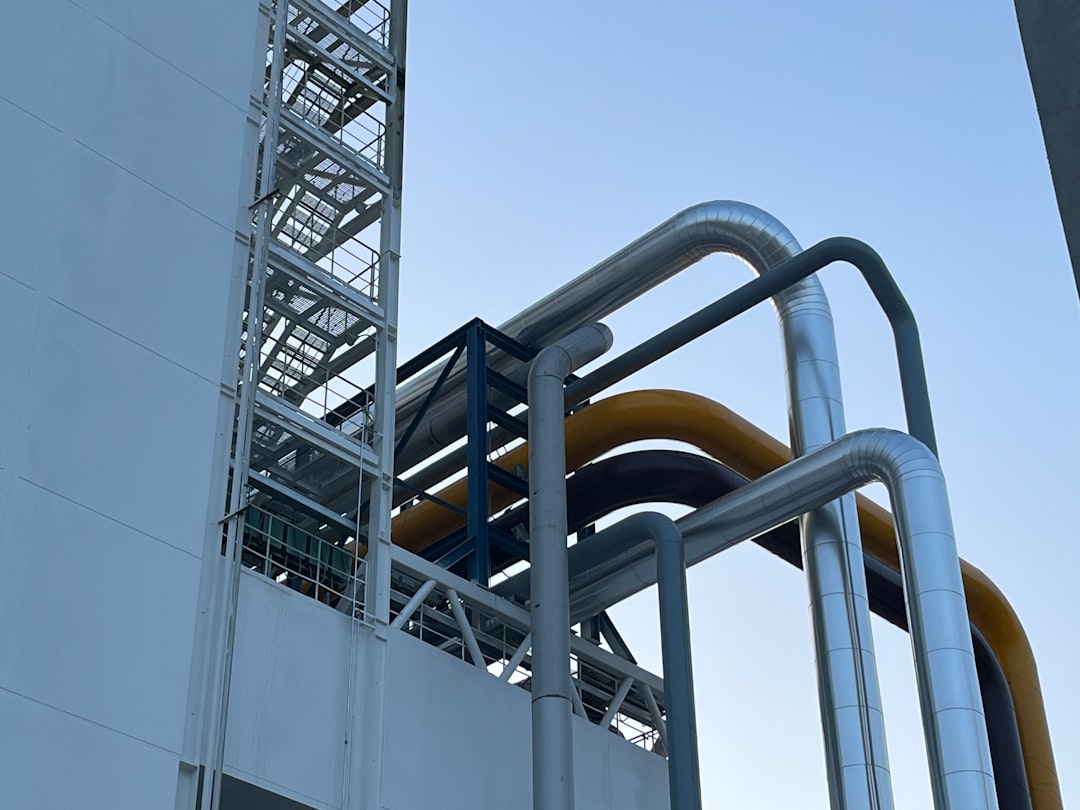
The Mississippi River, a dominant hydrological feature of North America, acts as a vital artery for industrial activity, particularly for the refining sector. Refineries nestled along its banks draw significant volumes of water for process cooling, a fundamental operation in their complex chemical transformations. This extensive reliance, however, introduces a myriad of challenges, transforming what appears to be a readily available resource into a complex management puzzle. This article delves into the intricate cooling water challenges faced by Mississippi River refineries, exploring their multifaceted nature and the strategies employed to mitigate their impact.
Refineries are essentially colossal chemical factories, transforming crude oil into a spectrum of valuable products, from gasoline to lubricants. The processes involved – distillation, cracking, reforming, and more – generate substantial amounts of heat. Without efficient heat removal, these reactions would spiral out of control, leading to equipment damage, safety hazards, and product degradation. Cooling water, in essence, acts as the refinery’s thermal regulator, a constant, silent partner in the intricate dance of chemical engineering. The recent developments in the Mississippi River infrastructure have significantly improved transportation efficiency.
Heat Exchange Mechanisms
At the core of refinery cooling lies the principle of heat exchange. Hot process streams are routed through heat exchangers where they transfer their thermal energy to cooler water. This heated water is then either sent for further treatment and discharge or, more commonly, circulated through cooling towers to dissipate the absorbed heat into the atmosphere. This continuous cycle ensures that process temperatures remain within optimal operating windows.
Economic and Operational Imperatives
Efficient cooling water management is not merely an environmental dictate; it is an economic and operational imperative. Inefficient cooling can lead to reduced product yields, increased energy consumption (for example, higher pumping costs), and premature equipment failure. Moreover, regulatory penalties for exceeding discharge limits further underscore the financial consequences of suboptimal cooling water practices.
The Mississippi River plays a crucial role in the operations of various refineries along its banks, particularly concerning the management of cooling water. An insightful article that delves into the environmental impacts and regulatory challenges faced by these facilities can be found at My Geo Quest. This resource provides a comprehensive overview of how refineries utilize river water for cooling purposes and the implications this has for local ecosystems.
Water Scarcity and Quality Concerns
While the Mississippi River may appear an inexhaustible reservoir, the reality for refineries is far more nuanced. The sheer volume of withdrawals, coupled with the river’s inherent variability, presents significant challenges related to both quantity and quality.
Fluctuations in River Levels
The Mississippi, a river of immense scale, is also a river of dynamic moods. Its levels fluctuate dramatically throughout the year, influenced by seasonal precipitation, snowmelt, and upstream dam operations. During periods of drought or prolonged low flow, refineries face the tangible threat of insufficient water intake, jeopardizing their operational capacity. Imagine a refinery as a massive, thirsty beast; during low-flow periods, its drinking straw struggles to reach the diminishing water, threatening its very existence.
Sedimentation and Turbidity
The Mississippi is renowned for its high sediment load, a testament to its vast drainage basin. This sediment, composed of silt, clay, and organic matter, translates directly into high turbidity for the abstracted water. This can lead to increased wear and tear on pumps, fouling of heat exchangers, and the necessity for more intensive and costly pre-treatment processes before the water can be effectively utilized for cooling. Consider the sediment as a relentless saboteur, slowly but surely choking the arteries of the cooling system.
Chemical Contamination
As a recipient of agricultural runoff, industrial discharges, and urban wastewater, the Mississippi River carries a cocktail of dissolved and suspended contaminants. These can include nutrients (nitrogen and phosphorus), pesticides, heavy metals, and various organic compounds. Even at low concentrations, these contaminants can pose significant challenges to cooling water systems. They can contribute to corrosion, accelerate biofouling, and necessitate the use of specialized and often expensive chemical treatments.
Biofouling: A Persistent and Costly Adversary
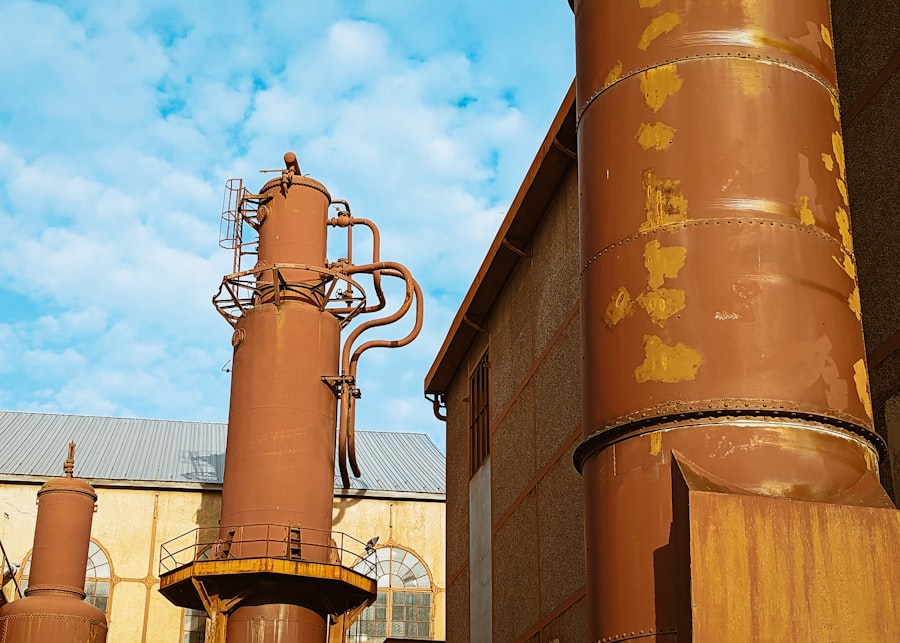
Biofouling, the undesirable accumulation of microorganisms on surfaces in contact with water, is a pervasive and insidious problem for Mississippi River refineries. The warm, nutrient-rich waters of the river provide an ideal breeding ground for bacteria, algae, fungi, and even macro-organisms like mussels.
Impact on Heat Transfer Efficiency
The primary consequence of biofouling is a drastic reduction in heat transfer efficiency. The insulating layer of biological material on heat exchanger surfaces acts as a barrier, preventing effective heat dissipation from the process streams. This forces the refinery to either increase cooling water flow rates, leading to higher pumping costs and water usage, or accept higher process temperatures, which can negatively impact product quality and equipment longevity.
Corrosion Under Deposits
Biofouling typically occurs in conjunction with other forms of fouling, such as scaling and particulate deposition. This creates a highly localized, anoxic (oxygen-depleted) environment beneath the biofilm. These conditions are conducive to microbially influenced corrosion (MIC), a particularly aggressive form of corrosion that can lead to pitting, leaks, and premature equipment failure. MIC is a silent assassin, slowly eroding the integrity of vital components.
Mitigation Strategies
Refineries employ a multi-pronged approach to combat biofouling. This typically includes physical cleaning methods (e.g., brushing, high-pressure jetting), chemical biocides (e.g., chlorine, bromine), and increasingly, non-oxidizing biocides and dispersants. The choice of biocide is critical, requiring careful consideration of its efficacy against the prevalent microbial species, its environmental impact, and its compatibility with other water treatment chemicals.
Scaling, Corrosion, and Other Fouling Phenomena
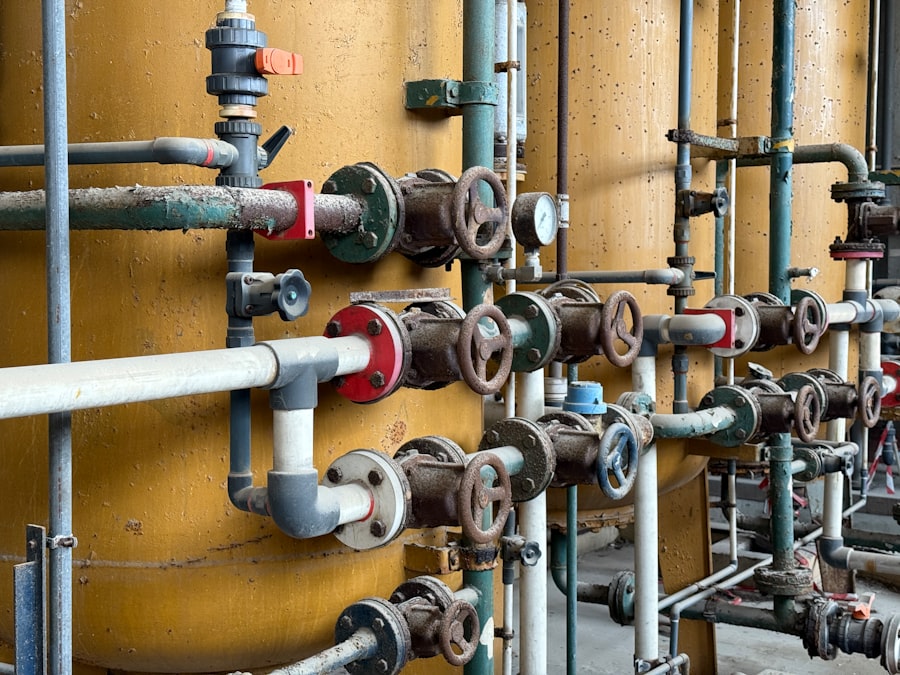
Beyond biofouling, Mississippi River water, with its inherent dissolved solids and fluctuating characteristics, presents fertile ground for other forms of fouling and corrosion, each posing its own set of challenges.
Mineral Scaling
The Mississippi River carries a significant dissolved mineral load, primarily calcium and magnesium salts. As water cycles through cooling towers, evaporation concentrates these minerals, pushing their concentrations above saturation limits. This leads to the precipitation and deposition of scale – hard, insulating layers – on heat exchanger surfaces. Common scales include calcium carbonate (limestone), calcium sulfate, and silica. Scaling acts like a blanket, suffocating the heat exchange process.
Types of Corrosion
Corrosion, the electrochemical degradation of metals, is an ever-present threat to cooling water systems. In addition to MIC, refineries contend with various types of corrosion:
- Pitting Corrosion: Localized attack on metal surfaces, leading to small, deep holes. Often exacerbated by biofilms and localized differences in oxygen concentration.
- Crevice Corrosion: Occurs in confined spaces where oxygen access is limited, leading to acidic conditions and localized attack.
- General Corrosion: Uniform thinning of metal surfaces, typically indicative of acidic or highly corrosive water conditions.
- Galvanic Corrosion: Occurs when two dissimilar metals are in electrical contact within the same electrolyte, with the more active metal corroding preferentially.
The combined assault of these corrosion mechanisms can significantly shorten the lifespan of cooling system components, leading to costly repairs and downtime.
Particulate Fouling
Suspended solids from the river—silt, clay, sand, and organic debris—can accumulate on heat exchanger surfaces, particularly in areas of low flow or where flow patterns are disrupted. This particulate fouling, while less tenacious than scale or biofilm, still contributes to reduced heat transfer and can create sites for localized corrosion or scaling.
The Mississippi River plays a crucial role in the operations of various refineries along its banks, particularly concerning the management of cooling water. Refineries often rely on the river for a steady supply of water to regulate temperatures during the refining process, which is essential for maintaining efficiency and safety. For a deeper understanding of the environmental implications and regulatory challenges associated with this practice, you can read a related article that discusses these issues in detail. To explore this further, check out the article on cooling water management.
Regulatory Compliance and Environmental Stewardship
| Metric | Value | Unit | Notes |
|---|---|---|---|
| Cooling Water Intake Flow | 150,000 | gallons per minute | Average flow rate for refinery cooling systems |
| Water Temperature Inlet | 75 | °F | Temperature of Mississippi River water entering the system |
| Water Temperature Outlet | 95 | °F | Temperature of water discharged back to the river |
| Cooling Water Usage | 1,200,000 | gallons per day | Total daily water consumption for cooling |
| Thermal Discharge Limit | 10 | °F increase | Maximum allowed temperature increase per environmental regulations |
| pH Level of Discharge | 7.5 | pH units | Neutral to slightly alkaline, within regulatory limits |
| Cooling Tower Evaporation Loss | 5,000 | gallons per day | Water lost due to evaporation in cooling towers |
| Makeup Water Source | Mississippi River | N/A | Primary source for makeup water in cooling system |
Refineries operating on the Mississippi River are subject to stringent environmental regulations governing water abstraction and discharge. Adhering to these regulations is not only a legal obligation but also a fundamental aspect of corporate social responsibility and environmental stewardship.
NPDES Permitting
The National Pollutant Discharge Elimination System (NPDES) permit program, established under the Clean Water Act, dictates the maximum allowable concentrations of various pollutants that can be discharged into navigable waters. For refineries, this extends to thermal discharges (temperature limits), chemical contaminants (e.g., chlorine residuals, heavy metals), and suspended solids. Each refinery’s permit is tailored to its specific operations and the characteristics of its receiving water body.
Thermal Pollution Concerns
While cooling water’s primary function is to remove heat, discharging heated water back into the river can itself be a form of pollution. Elevated river temperatures can reduce dissolved oxygen levels, harm aquatic life, and disrupt ecosystem balance. Refineries must therefore ensure that their discharged water meets strict temperature limits, often employing diffuser systems or alternative cooling technologies to minimize thermal impact.
Water Conservation and Reuse Initiatives
Driven by both regulatory pressure and economic incentives, many refineries are actively pursuing water conservation and reuse strategies. This can involve:
- Optimizing Cooling Tower Operations: Enhancing cycles of concentration to minimize blowdown volumes.
- Wastewater Recycling: Treating internal refinery wastewater streams to a quality suitable for reuse in non-critical applications, such as cooling tower makeup.
- Air Cooling: Utilizing air-cooled heat exchangers where feasible, reducing reliance on water for cooling.
- Greywater Reuse: Exploring the potential for using treated municipal wastewater as a supplementary source of cooling water.
These initiatives represent a shift towards a more circular economy within the refinery, treating water not as a disposable commodity but as a valuable resource to be conserved.
Advanced Cooling Water Management Strategies
To address the complex and escalating challenges, refineries are increasingly adopting advanced cooling water management strategies that combine technological innovation with sophisticated monitoring and analytical approaches.
Real-Time Monitoring and Control
The days of batch testing and reactive treatment are gradually giving way to real-time monitoring of key cooling water parameters. Sensors can continuously track pH, conductivity, dissolved oxygen, temperature, and even microbial activity. This data, fed into sophisticated control systems, allows for proactive adjustments to chemical dosages, blowdown rates, and other operational parameters, optimizing treatment effectiveness and minimizing chemical consumption.
Predictive Analytics and Machine Learning
The vast amounts of data generated by modern refinery operations are ripe for analysis using predictive analytics and machine learning algorithms. These tools can identify subtle trends, anticipate potential issues (such as impending scaling or increased corrosion rates), and recommend optimal intervention strategies. Imagine a cooling system that can “learn” from its historical performance, adjusting its parameters with an almost prescient understanding of impending problems.
Non-Chemical and Green Technologies
While chemical treatments remain essential, there is a growing interest in non-chemical and environmentally friendly alternatives. These include:
- Physical Water Treatment Devices: Technologies like electromagnetic devices or ultrasonic systems that aim to inhibit scale formation or dislodge biofilms without chemical additives.
- Bioremediation: Utilizing specific microbial strains to consume or neutralize contaminants in the cooling water.
- Advanced Filtration: Employing microfiltration, ultrafiltration, or reverse osmosis to remove suspended solids and dissolved contaminants, thereby reducing the need for chemical treatment and increasing cycles of concentration.
These “green” technologies represent a future where refineries can achieve effective cooling with a reduced environmental footprint, aligning operations with broader sustainability goals.
The Mississippi River presents both an opportunity and a formidable challenge for the refineries that rely on its waters. The constant battle against water scarcity, quality degradation, biofouling, scaling, and corrosion demands an intricate balance of engineering prowess, chemical expertise, and environmental stewardship. As regulatory pressures intensify and environmental awareness grows, the adoption of advanced monitoring, predictive analytics, and sustainable cooling technologies will become increasingly crucial. The river, a silent witness to industry, continues to shape the future of cooling water management, pushing refineries towards ever more innovative and responsible practices.
WATCH THIS! 🚨CRACKING: Why America’s $5 Trillion Dam is Failing Right Now
FAQs
What is refinery cooling water in the context of the Mississippi River?
Refinery cooling water refers to the water sourced from the Mississippi River that is used to absorb and dissipate heat generated during various refining processes in oil refineries located along the river.
Why is the Mississippi River used for refinery cooling water?
The Mississippi River provides a large, reliable supply of water that can be used to cool equipment and processes in refineries. Its volume and flow rate make it suitable for industrial cooling needs.
How is cooling water from the Mississippi River used in refineries?
Cooling water is typically drawn from the river, circulated through heat exchangers or cooling towers to absorb heat from refinery processes, and then either returned to the river or treated before discharge.
Are there environmental concerns related to using Mississippi River water for refinery cooling?
Yes, concerns include thermal pollution (discharging heated water back into the river), potential chemical contamination, and impacts on aquatic ecosystems. Refineries must comply with environmental regulations to minimize these effects.
What regulations govern the use of Mississippi River water for refinery cooling?
The use of river water for cooling is regulated by federal and state agencies, including the Environmental Protection Agency (EPA) under the Clean Water Act, which sets limits on water withdrawal and discharge quality to protect water resources.
How do refineries minimize environmental impact when using cooling water?
Refineries employ technologies such as cooling towers to reduce thermal discharge, treat water to remove contaminants before release, and monitor water quality to ensure compliance with environmental standards.
Can the use of Mississippi River water for cooling affect local water availability?
While refineries withdraw significant volumes of water, the Mississippi River’s large flow generally supports these uses without major impacts on water availability. However, during droughts or low flow conditions, water use may be restricted.
Is the cooling water reused within refineries?
Many refineries use closed-loop cooling systems that recycle cooling water to reduce overall water consumption and minimize environmental discharge.
What role does the Mississippi River play in supporting industrial activities like refining?
The river provides essential water resources for cooling, processing, and transportation, making it a critical natural asset for the operation of refineries and other industries along its banks.
How is the temperature of discharged cooling water monitored?
Refineries are required to monitor the temperature of water discharged back into the Mississippi River to ensure it does not exceed regulatory limits designed to protect aquatic life.