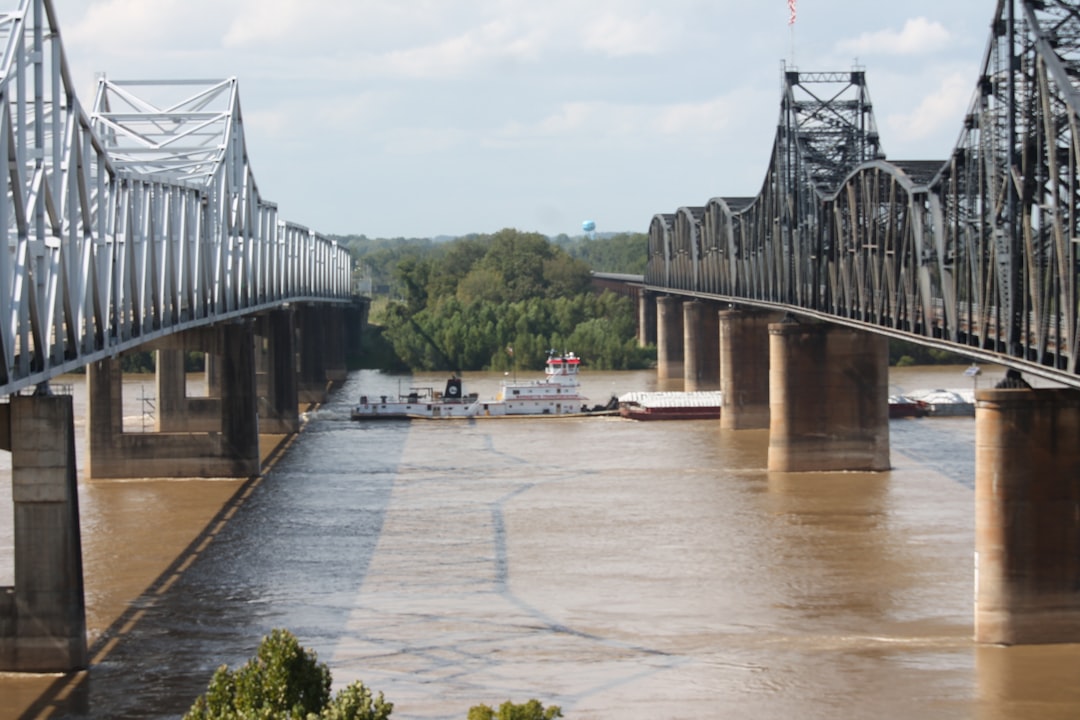
The Mississippi River, a vital artery of North American commerce, ecology, and human settlement, presents unique challenges for redundancy planning. Its immense scale, dynamic hydrology, and critical role in the continent’s infrastructure necessitate comprehensive strategies to ensure continuity of operations, ecological function, and human well-being in the face of disruptions. This article explores the multifaceted approaches undertaken to bolster the resilience of the Mississippi River system.
The Mississippi River is more than just a waterway; it is a complex, interconnected system whose failure or significant impairment would have cascading consequences across the United States. Understanding its fundamental contributions is the first step in appreciating the criticality of redundancy planning. The recent developments in the Mississippi River infrastructure have significantly improved transportation and trade efficiency.
Economic Engine
The Mississippi River serves as a primary conduit for the movement of goods, connecting the industrial heartland to global markets. Its navigability is paramount.
- Agricultural Transport: Over 60% of US grain exports travel via the Mississippi River system, making it a critical link in the global food supply chain. Barges offer a cost-effective and energy-efficient mode of transport for bulk commodities.
- Industrial Raw Materials: Coal, petroleum products, chemicals, and building materials are regularly transported, fueling industries throughout the river basin and beyond. Disruptions can cause widespread supply chain bottlenecks and increased costs.
- Commercial Fisheries: The river and its tributaries support a significant commercial fishing industry, providing livelihoods and contributing to regional economies.
Ecological Keystone
Beyond its economic functions, the Mississippi River is a biodiversity hotspot, supporting a vast array of flora and fauna. Its ecological integrity is crucial for regional and continental ecosystems.
- Wetland Habitats: The river’s floodplain and delta create extensive wetlands, serving as critical breeding grounds and migration stopovers for numerous bird species, fish, and amphibians.
- Water Quality Regulation: Natural riverine processes, including riparian zones and floodplains, help filter pollutants and regulate water quality, benefiting downstream communities and ecosystems.
- Biodiversity Support: The river basin harbors a significant percentage of North American freshwater species. Its health is directly linked to the health of countless interconnected ecosystems.
Social and Cultural Nexus
The Mississippi River has shaped human settlement, culture, and identity throughout its history. Communities along its banks depend on it for water, recreation, and a sense of place.
- Water Supply: Numerous cities and agricultural operations draw their water directly from the Mississippi River or its interconnected aquifers.
- Recreation and Tourism: The river supports diverse recreational activities, from fishing and boating to scenic cruises, contributing to local economies and quality of life.
- Cultural Heritage: The river has inspired countless works of art, literature, and music, embodying a significant part of American cultural heritage.
The Mississippi River redundancy planning strategy is crucial for ensuring the resilience of the region against potential flooding and other environmental challenges. A related article that delves deeper into the implications and strategies for managing river systems can be found at this link: Mississippi River Management Strategies. This article provides valuable insights into the ongoing efforts to enhance flood control measures and improve infrastructure along the river, making it a pertinent resource for understanding the broader context of redundancy planning in this vital waterway.
Challenges to Mississippi River Continuity
Despite its immense importance, the Mississippi River system faces a multitude of threats that can compromise its continuity. These challenges demand robust redundancy strategies.
Natural Hazards
The dynamic nature of the Mississippi River basin makes it susceptible to a range of natural phenomena that can disrupt its functions.
- Flooding: Annual flood cycles, exacerbated by extreme weather events, can inundate vast areas, damage infrastructure, and disrupt navigation. Historic floods, such as the Great Mississippi Flood of 1927 and the Midwest floods of 1993, underscore this vulnerability.
- Drought: Conversely, prolonged droughts can reduce water levels, impeding navigation, concentrating pollutants, and stressing ecosystems. The low water levels observed in 2022 and 2023 significantly disrupted barge traffic.
- Hurricanes and Tropical Storms: For the lower Mississippi, severe weather events originating in the Gulf of Mexico can bring storm surges, high winds, and heavy rainfall, impacting the delta and coastal infrastructure.
- Earthquakes: The New Madrid Seismic Zone, located beneath the Mississippi Valley, poses a credible threat of significant seismic activity capable of altering river channels, damaging dams, and destroying infrastructure.
Anthropogenic Pressures
Human activities, while often benefitting from the river, also introduce significant challenges to its long-term continuity and resilience.
- Infrastructure Failure: The extensive network of locks, dams, levees, and bridges along the Mississippi River is subject to aging, mechanical failure, or damage from impacts. A failure in key infrastructure can halt navigation or impede water flow.
- Pollution: Industrial discharges, agricultural runoff, and urban wastewater contribute to water quality degradation, impacting ecological health and potentially human water supplies.
- Habitat Degradation: Channelization, dredging, and land-use changes in the floodplain have altered natural river processes, leading to habitat loss and reduced biodiversity.
- Climate Change Impacts: Shifting precipitation patterns, increased frequency of extreme weather events, and sea-level rise (particularly in the delta) are projected to exacerbate existing challenges and introduce new ones.
Infrastructure Redundancy and Enhancements
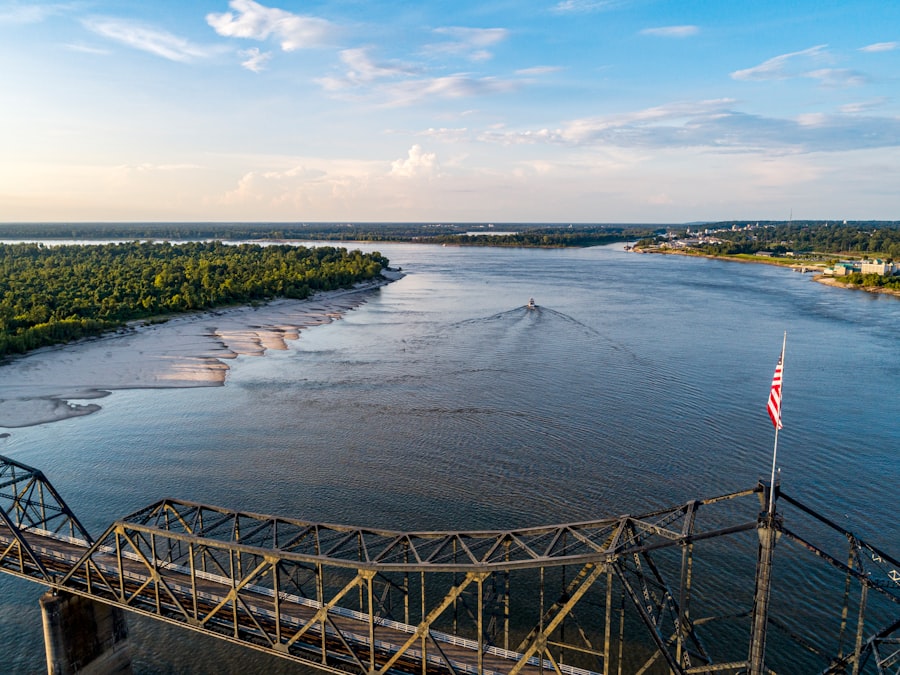
A cornerstone of redundancy planning for the Mississippi River system lies in strengthening and diversifying its physical infrastructure. This involves both hardening existing assets and developing alternative pathways.
Levee Systems and Floodway Management
Levees are the primary defense against flooding for many communities, but their design and management are critical for systemic resilience.
- Continuous Monitoring and Maintenance: Regular inspection, repair, and upgrades of levee systems are essential to prevent breaches. This includes vegetation management, erosion control, and structural integrity assessments.
- Setback Levees and Floodplain Restoration: In certain areas, strategically setting back levees allows the river to access portions of its floodplain during high-water events, reducing pressure on main levees and providing ecological benefits.
- Flood Control Structures: Dams and reservoirs on tributaries regulate flow into the main stem, acting as hydraulic shock absorbers during flood events. The Old River Control Structure, for instance, prevents the Mississippi from diverting down the Atchafalaya River.
- Diversion Systems: Controlled diversions, like those in the Louisiana delta, can route floodwaters and sediment into coastal wetlands, reducing flood risk on the main channel and contributing to ecological restoration.
Navigation Infrastructure Resilience
Ensuring continuous navigation requires robust locks, dams, and reliable channel maintenance.
- Modernization of Locks and Dams: Many locks and dams on the Mississippi are aging, some operating beyond their intended design life. Upgrading these structures to increase capacity, improve reliability, and withstand modern stressors is a critical investment. This often involves larger lock chambers and more robust materials.
- Redundant Lock Chambers: Where feasible, constructing parallel lock chambers allows for continued navigation even if one chamber is out of service for maintenance or repair.
- Dredging and Channel Maintenance: Regular dredging is vital to maintain authorized navigation depths, particularly after flood events that deposit significant sediment. This ensures passageway for commercial vessels.
- Automated Information Systems: Real-time data on water levels, depths, and potential hazards is crucial for safe and efficient navigation. Advanced systems provide pilots and operators with critical information.
Operational Redundancy and Emergency Response
Beyond physical infrastructure, sophisticated operational planning and a robust emergency response framework are essential for maintaining continuity during disruptions.
Real-time Monitoring and Predictive Modeling
Information is power, especially when dealing with a dynamic system like the Mississippi River.
- Hydrologic Gauging Networks: An extensive network of stream gauges provides real-time data on river levels, flow rates, and precipitation across the basin. This data is the foundation for all predictive models.
- Advanced Forecasting Models: Hydrologic models predict future river stages and flows, allowing for several days or weeks of advance warning for potential floods or low water conditions. These models integrate weather forecasts, historical data, and basin characteristics.
- Remote Sensing Technologies: Satellite imagery, LiDAR, and drone technology provide valuable data on floodplain inundation, levee integrity, and ice formation, complementing ground-based observations.
Coordinated Emergency Response Protocols
Effective response to disruptions requires seamless collaboration among numerous agencies and stakeholders.
- Incident Command Systems: Establishing clear command structures and communication protocols ensures an organized and efficient response during emergencies, such as a major oil spill or a levee breach.
- Cross-Jurisdictional Agreements: The Mississippi River traverses multiple states. Agreements and memoranda of understanding between state and federal agencies facilitate coordinated actions, resource sharing, and legal frameworks for emergency response.
- Training and Drills: Regular exercises involving federal, state, and local emergency responders test preparedness plans, identify weaknesses, and improve interagency coordination.
- Public Communication Strategies: Clear, timely, and accurate communication with the public during emergencies is vital for safety, informed decision-making, and maintaining public trust.
The Mississippi River redundancy planning strategy is crucial for ensuring the resilience of the region’s infrastructure against natural disasters. A related article discusses innovative approaches to flood management and infrastructure resilience, highlighting the importance of strategic planning in mitigating risks. For more insights on this topic, you can read the article here: innovative flood management strategies. This resource provides valuable information that complements the ongoing efforts to enhance the Mississippi River’s management and safety.
Ecological Redundancy and Restoration
| Metric | Description | Current Status | Target/Goal | Notes |
|---|---|---|---|---|
| Number of Redundant Waterway Routes | Count of alternative navigable routes along the Mississippi River | 3 major alternative routes identified | Maintain at least 3 viable routes | Includes Illinois River and Ohio River as alternatives |
| Backup Infrastructure Facilities | Number of backup pumping stations and locks | 15 operational backup facilities | Increase to 20 by 2026 | Focus on critical choke points |
| Emergency Response Time | Average time to deploy redundancy measures during disruption | 48 hours | Reduce to 24 hours | Improved coordination with local agencies planned |
| Annual Redundancy Drills Conducted | Number of drills simulating river disruptions | 2 drills per year | 4 drills per year | Increase training frequency for better preparedness |
| Funding Allocated for Redundancy Planning | Annual budget dedicated to redundancy strategy | 15 million | 25 million | Planned increase to support infrastructure upgrades |
| Stakeholder Engagement Sessions | Number of meetings with local communities and industries | 6 sessions annually | 12 sessions annually | Enhance collaboration and feedback mechanisms |
Redundancy planning for the Mississippi River extends beyond human-centric infrastructure to encompass the resilience of its natural systems, which in turn support human activities.
Wetland and Floodplain Restoration
Restoring natural riverine processes contributes significantly to the river’s overall resilience.
- Sediment Diversions: In the lower Mississippi River delta, engineered sediment diversions aim to reconnect the river to its wetlands, allowing sediment and freshwater to rebuild deteriorating land and create new habitat, thereby buffering against storm surge and sea-level rise.
- Riparian Buffer Zones: Protecting and restoring vegetation along riverbanks helps stabilize soil, filter runoff, and provide critical aquatic habitat, improving water quality and mitigating erosion.
- Oxbow Lake Restoration: Reconnecting historical oxbow lakes and side channels to the main river creates diverse aquatic habitats and provides refuge for fish and other species during high or low water conditions.
Biodiversity Conservation
Protecting and enhancing the diversity of life in the Mississippi River system is an investment in its long-term stability.
- Species Management Plans: Targeted conservation efforts for endangered or threatened species, such as the pallid sturgeon, help maintain ecological balance and prevent critical population declines.
- Invasive Species Control: Managing and mitigating the spread of invasive species, such as Asian carp, which can outcompete native species and disrupt food webs, is crucial for ecosystem health.
- Habitat Connectivity: Ensuring that diverse habitats are connected allows species to move and adapt in response to environmental changes, increasing the overall resilience of populations.
Future Considerations and Adaptive Management
The dynamic nature of the Mississippi River and the accelerating pace of environmental change necessitate a forward-looking and adaptable approach to redundancy planning.
Climate Change Adaptation
Anticipating and responding to projected climate impacts is paramount for long-term continuity.
- Dynamic Design Standards: Infrastructure projects should incorporate future climate projections, such as increased flood magnitudes, more intense droughts, and rising sea levels, into their design life. This means building for a future, not just the past.
- Water Management Strategies: Developing flexible water management plans that can respond to increased variability in precipitation and flow is critical. This may involve revisiting operating rules for reservoirs and exploring new water storage options.
- Coastal Protection Measures: For the lower Mississippi, integrated coastal protection plans that combine natural and engineered solutions are essential to protect critical infrastructure and communities from the combined threats of sea-level rise and storm surge. This includes barrier islands, robust levees, and ecosystem restoration.
Integrated River Basin Governance
The scale and complexity of the Mississippi River system demand comprehensive, basin-wide governance and planning.
- Interstate and Federal Cooperation: Fostering stronger collaboration among the numerous states, federal agencies (e.g., US Army Corps of Engineers, EPA, USGS), and tribal nations within the basin is fundamental for holistic management. You, the reader, are likely to observe that parochial interests can sometimes impede basin-wide solutions.
- Sustainable Funding Mechanisms: Ensuring consistent and adequate funding for maintenance, upgrades, and new redundancy projects is a persistent challenge that requires long-term political commitment and innovative financial strategies.
- Public Engagement and Education: Informing and engaging the public on the importance of redundancy planning and the challenges facing the Mississippi River can build support for necessary investments and foster community resilience.
In conclusion, redundancy planning for the Mississippi River is not a luxury but an existential necessity. It is the architectural blueprint for ensuring that this colossal river, the very spine of a continent, continues to perform its indispensable functions in the face of inevitable disruptions. By investing in robust infrastructure, intelligent operational protocols, ecological restoration, and adaptive management, we collectively endeavor to safeguard the continuity of this vital natural and economic asset for generations to come.
WATCH THIS! 🚨CRACKING: Why America’s $5 Trillion Dam is Failing Right Now
FAQs
What is the Mississippi River redundancy planning strategy?
The Mississippi River redundancy planning strategy is a comprehensive approach designed to ensure the continuous operation and management of critical infrastructure and transportation routes along the Mississippi River. It involves creating backup systems, alternative routes, and contingency plans to mitigate disruptions caused by natural disasters, accidents, or other emergencies.
Why is redundancy planning important for the Mississippi River?
Redundancy planning is crucial for the Mississippi River because it is a major transportation artery for goods and commodities in the United States. Disruptions can have significant economic impacts, affecting supply chains, trade, and local communities. Redundancy ensures that there are alternative options to maintain flow and operations during emergencies.
What types of infrastructure are considered in the redundancy planning strategy?
The strategy considers various types of infrastructure including locks and dams, bridges, ports, levees, and transportation networks such as railroads and highways that run parallel or connect to the river. It also includes communication systems and emergency response facilities.
Who is responsible for implementing the Mississippi River redundancy planning strategy?
Implementation typically involves multiple stakeholders including federal agencies like the U.S. Army Corps of Engineers, state and local governments, transportation authorities, and private sector partners. Coordination among these entities is essential for effective planning and response.
How does the redundancy planning strategy address natural disasters?
The strategy includes risk assessments and the development of contingency plans to handle floods, hurricanes, ice jams, and other natural events. It emphasizes strengthening infrastructure resilience, establishing alternative transportation routes, and ensuring rapid response capabilities.
Are there environmental considerations in the redundancy planning strategy?
Yes, environmental impacts are considered to balance infrastructure needs with ecosystem preservation. The strategy aims to minimize ecological disruption while maintaining operational redundancy, often incorporating sustainable practices and habitat protection measures.
How often is the Mississippi River redundancy planning strategy updated?
The strategy is periodically reviewed and updated based on new data, technological advancements, and lessons learned from past incidents. Updates ensure that the plan remains effective and responsive to emerging risks and changing conditions.
Can the redundancy planning strategy help in economic recovery after a disruption?
Yes, by ensuring alternative routes and backup systems are in place, the strategy helps reduce downtime and economic losses. It supports quicker recovery of transportation and commerce, which is vital for regional and national economies.
Where can I find more information about the Mississippi River redundancy planning strategy?
More information can be found through official sources such as the U.S. Army Corps of Engineers, state transportation departments, and regional planning organizations involved in Mississippi River management. Public reports and planning documents are often available online.