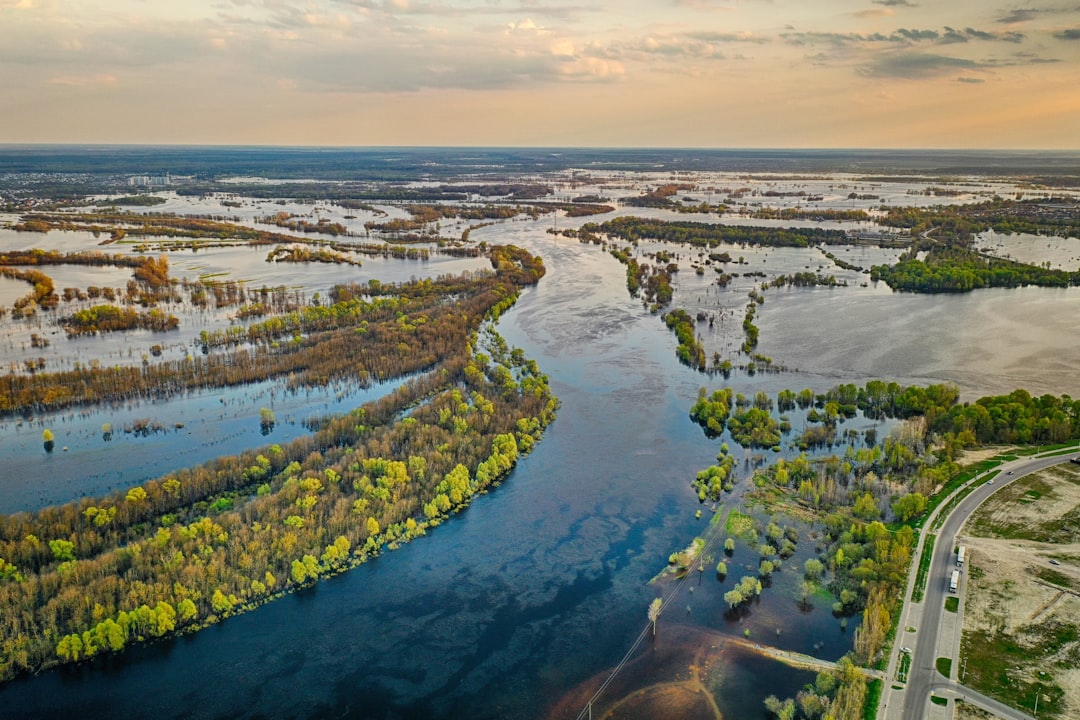
The Mississippi River, a colossal artery bisecting the North American continent, serves not only as a vital transportation route but also as a critical conduit for a vast network of energy infrastructure. Beneath its storied waters and traversing its extensive floodplain lie thousands of miles of pipelines, transporting crude oil, natural gas, refined petroleum products, and other petrochemicals. This intricate web is indispensable to the nation’s energy supply, yet it also presents a complex tapestry of risks, primarily in the event of a pipeline failure. This article delves into the assessment of these risks, examining the factors contributing to them, the potential consequences, and the mitigation strategies in place.
The sheer density and complexity of pipeline infrastructure crossing or running parallel to the Mississippi River are staggering. Imagine a vast, invisible circulatory system, continuously moving the lifeblood of our industrial society. The recent developments in the Mississippi River infrastructure have significantly improved transportation efficiency.
Extensive Coverage and Diverse Products
From its headwaters in Minnesota to its delta in Louisiana, the Mississippi River acts as a nexus for numerous pipeline systems. These pipelines are not monolithic; they vary significantly in age, material, diameter, and the specific commodities they transport. You, the reader, might be surprised to learn that pipelines ranging from a few inches to several feet in diameter carry everything from raw natural gas, often under immense pressure, to highly viscous crude oil and even anhydrous ammonia. This diversity in product adds another layer of complexity to risk assessment, as each substance presents unique hazards in the event of a release.
Interconnected Systems and Critical Chokepoints
The pipelines traversing the Mississippi often belong to larger, interconnected systems, frequently crossing state lines and connecting major production regions with consumption hubs. These river crossings represent critical chokepoints, bottlenecks where the failure of a single pipeline can have disproportionately large consequences due to the concentration of infrastructure and the environmental sensitivity of the river itself. Think of these crossings as vital bridge supports; if one fails, the entire structure is compromised.
The Mississippi River pipeline infrastructure poses significant risks that have been highlighted in various studies and articles. One such article discusses the environmental and economic implications of pipeline failures in this critical region. For more in-depth information on this topic, you can read the article at My Geo Quest, which explores the vulnerabilities and potential impacts of pipeline infrastructure along the Mississippi River.
Factors Contributing to Pipeline Risk
Understanding the potential for failure requires an examination of the various stressors and vulnerabilities inherent in pipeline operations, particularly in the dynamic environment of the Mississippi River.
Age and Material Degradation
Many pipelines beneath the Mississippi have been in service for decades, some dating back to the mid-20th century. While built to rigorous standards of their time, these older pipelines are susceptible to age-related degradation. You might compare it to an antique car: while still functional, it requires more frequent and diligent inspection.
Corrosion: An Invisible Enemy
Internal and external corrosion remains a primary threat. External corrosion is exacerbated by the often-wet, brackish, and anaerobic conditions beneath the river, which can create an environment conducive to microbial corrosion or galvanic corrosion, particularly when cathodic protection systems are compromised. Internally, the corrosive nature of the transported products, coupled with the presence of water or other impurities, can lead to pitting and thinning of the pipe walls.
Fatigue and Stress Cracking
Repeated pressure cycles, environmental stressors (such as seismic activity or riverbed movement), and even manufacturing defects can contribute to fatigue cracking over extended periods. This silent insidious process can propagate to a critical size, leading to sudden failure.
Environmental Dynamics of the Mississippi River
The Mississippi is not a static entity; it is a powerful, constantly evolving force of nature. Its dynamic character introduces significant challenges for pipeline integrity.
Riverbed Scour and Sedimentation
The river’s powerful currents constantly reshape its bed. Scour, the erosion of sediment around and beneath pipelines, can expose previously buried sections, making them vulnerable to external damage from debris, vessel anchors, or even increased external pressure. Conversely, sedimentation can bury pipelines excessively, making inspection and repairs more challenging and potentially creating localized stress points if the pipeline is not adequately supported. Imagine a river as a constantly shifting blanket; sometimes it reveals, sometimes it smothers.
Flood Events and Bank Erosion
Periodic major flood events further amplify risks. High water levels and increased current velocities can exert significant forces on pipelines, especially those located in unstable bank areas or shallow crossings. Bank erosion, a common occurrence along the Mississippi, can undermine pipeline supports or even entirely expose sections of line, putting them at risk of rupture.
External Threats and Operational Incidents
Beyond degradation and natural forces, human activity and operational shortcomings also contribute to pipeline risk.
Third-Party Damage
Accidental damage from external sources, particularly during dredging operations, anchor drops from barges or vessels, or construction activities, remains a leading cause of pipeline incidents. Despite stringent regulations and communication protocols, human error and lack of awareness can lead to catastrophic breaches. You, the reader, can visualize this as a delicate instrument being unexpectedly struck by a clumsy hand.
Operational Errors and Equipment Malfunctions
While less frequent than other causes, human error during pipeline operations (e.g., incorrect valve alignments, over-pressurization) or the malfunction of critical equipment (e.g., pumps, control systems) can also initiate a failure sequence. Modern control systems and training protocols aim to minimize these occurrences, but the potential always exists.
Potential Consequences of Pipeline Failure
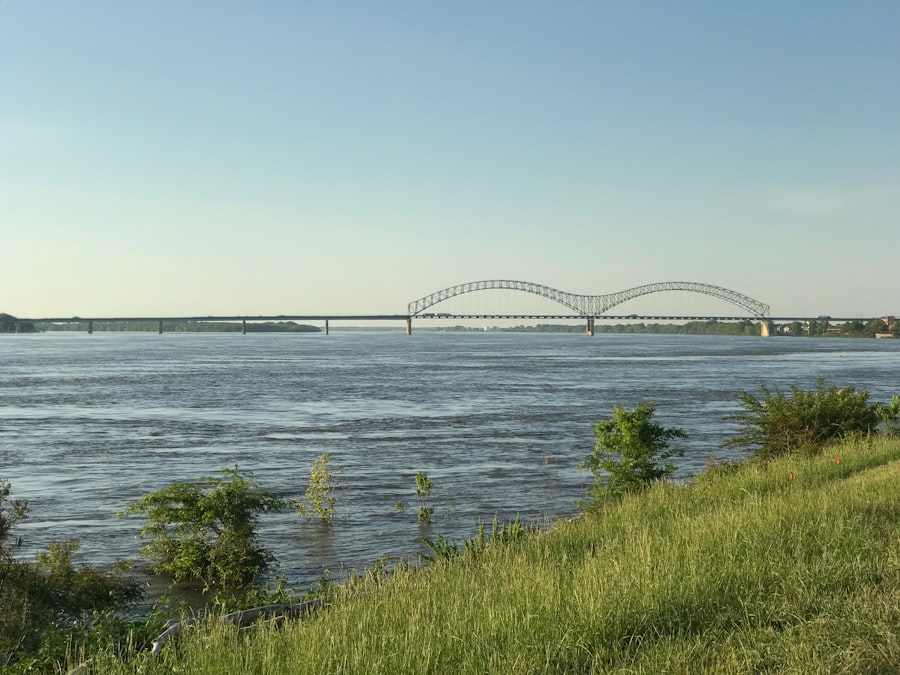
A pipeline rupture along the Mississippi River has far-reaching consequences, extending beyond the immediate environmental impact. These ramifications ripple through ecological, economic, and social spheres.
Environmental Catastrophe
The most immediate and visible consequence of a pipeline breach is environmental devastation.
Water Contamination and Biodiversity Loss
A spill of crude oil or other hazardous materials directly into the Mississippi River would have devastating effects on aquatic ecosystems. Oil spreads rapidly, coating the river surface, smothering organisms, and disrupting photosynthesis. Persistent toxic components can bioaccumulate, entering the food chain and impacting fish, birds, and other wildlife. For natural gas, while not directly polluting in the same way, a leak carries explosion and fire risks, posing a threat to localized ecosystems. Imagine a vital organ being suddenly poisoned.
Impact on Drinking Water Sources
Numerous communities along the Mississippi rely on the river for their public and industrial water supply. A significant contaminant release would necessitate the shutdown of water intakes, potentially disrupting access to potable water for millions of people. The economic cost of ensuring alternative water supplies and the long-term impact on water quality would be immense.
Economic Disruption and Property Damage
Beyond environmental impacts, pipeline failures carry significant economic repercussions.
Supply Chain Disruption
A major pipeline carrying essential fuels or petrochemicals, once ruptured, can lead to immediate and widespread supply chain disruptions. This can result in increased transportation costs (as alternative methods are sought), fuel shortages, and price volatility, impacting industries and consumers across vast regions. The economic bloodstream of the nation would be momentarily clotted.
Clean-up and Remediation Costs
The financial burden of responding to and cleaning up a pipeline spill is astronomical. This includes the deployment of boom systems, skimmers, absorbents, specialized personnel, and the long-term monitoring and remediation of contaminated sediments and shorelines. These costs can easily run into hundreds of millions or even billions of dollars, often borne by the pipeline operator but ultimately impacting consumers.
Public Safety and Community Impact
While less common, certain pipeline failures pose direct threats to human life and community well-being.
Explosions and Fires
Natural gas pipelines, in particular, present a significant risk of explosion and fire if a leak ignites. Such incidents can cause immediate fatalities, severe injuries, and extensive property damage to nearby homes and businesses. Even liquid product pipelines can ignite if conditions are right, leading to similar devastating outcomes. Think of it as a fuse being lit in an unpredictable manner.
Evacuations and Long-Term Health Concerns
Significant spills may necessitate the evacuation of residents in affected areas due to air quality concerns or the direct presence of hazardous materials. Long-term health issues for first responders and residents exposed to persistent contaminants are also a significant concern, often leading to prolonged stress and uncertainty within affected communities.
Mitigation Strategies and Regulatory Framework
Recognizing these profound risks, a comprehensive framework of regulations, advanced technologies, and operational practices is in place to minimize the likelihood and impact of pipeline failures.
Regulatory Oversight and Compliance
In the United States, the Pipeline and Hazardous Materials Safety Administration (PHMSA) is the primary federal agency responsible for regulating pipeline safety. Its regulations cover design, construction, operation, maintenance, and emergency response for hazardous liquid and natural gas pipelines.
Inspection and Integrity Management Programs
Pipeline operators are mandated to implement rigorous integrity management programs. These programs include systematic inspections using advanced technologies such as “smart pigs” (in-line inspection tools that travel inside the pipeline to detect corrosion, cracks, and other anomalies) and hydrostatic testing (pressurizing the pipeline with water to detect leaks). These are essentially internal doctors, constantly checking the health of the pipeline from within.
Right-of-Way Monitoring and Public Awareness
Regular aerial and ground patrols of pipeline rights-of-way are conducted to detect signs of external damage, encroachment, or environmental changes that could affect pipeline integrity. Operators also conduct public awareness campaigns to educate excavators and the general public about the location of pipelines and the importance of calling “811” before digging.
Advanced Technologies for Risk Reduction
Technological advancements play a crucial role in enhancing pipeline safety.
Leak Detection Systems
Sophisticated leak detection systems, utilizing pressure sensors, flow meters, and even fiber optic cables, are continuously monitoring pipelines for anomalies that could indicate a leak. These systems provide early warning, enabling operators to shut down sections of the pipeline and minimize release volumes.
Enhanced Pipeline Coatings and Cathodic Protection
Modern pipelines employ advanced external coatings to protect against corrosion, often combined with cathodic protection systems that apply an electrical current to halt the corrosive process. These systems act as an invisible shield, constantly defending the pipeline’s metal integrity.
Emergency Preparedness and Response
Despite all preventative measures, failures can occur. Robust emergency preparedness and response plans are therefore paramount.
Spill Response Plans and Drills
Pipeline operators are required to develop comprehensive spill response plans, detailing procedures for containment, recovery, and cleanup. Regular drills and exercises, often involving federal, state, and local agencies, are conducted to ensure readiness and coordination.
Collaboration and Interagency Coordination
Effective response to a major pipeline incident along the Mississippi River mandates seamless collaboration between pipeline operators, PHMSA, the Environmental Protection Agency (EPA), the U.S. Coast Guard, state environmental agencies, and local emergency services. This multi-layered approach ensures a unified and efficient response effort.
The ongoing discussions about the Mississippi River pipeline infrastructure risk have highlighted the need for comprehensive assessments and strategic planning. A related article that delves deeper into the implications of these risks can be found here, where experts analyze the potential environmental impacts and economic considerations. Understanding these factors is crucial for stakeholders involved in the management and development of pipeline systems along this vital waterway. For more insights, you can read the article at this link.
Conclusion
| Metric | Value | Unit | Description |
|---|---|---|---|
| Total Pipeline Length | 1,200 | miles | Length of pipelines crossing or near the Mississippi River |
| Number of Pipeline Crossings | 45 | count | Number of pipeline crossings over the Mississippi River and its tributaries |
| Pipeline Age (Average) | 35 | years | Average age of pipelines in the Mississippi River region |
| Corrosion Incidents (Last 5 Years) | 12 | incidents | Reported corrosion-related pipeline failures or leaks |
| Leak Detection Response Time | 45 | minutes | Average time to detect and respond to leaks |
| Flood Risk Level | High | category | Risk level of flooding impacting pipeline infrastructure |
| Seismic Risk Level | Moderate | category | Risk level of earthquakes affecting pipeline integrity |
| Annual Maintenance Budget | 15 | million | Annual budget allocated for pipeline maintenance and risk mitigation |
| Emergency Response Drills | 4 | per year | Number of emergency response drills conducted annually |
The Mississippi River’s pipeline infrastructure, while undeniably vital for national energy security and economic prosperity, represents a significant array of risks. These risks stem from the age and material degradation of pipelines, the dynamic and often aggressive environmental conditions of the river itself, and the persistent threat of external interference and operational shortcomings. The potential consequences of a pipeline failure – from environmental devastation and ecological collapse to economic disruption and threats to public safety – are profound.
However, a robust and continually evolving framework of regulatory oversight, integrity management programs, advanced technological solutions, and comprehensive emergency preparedness strategies are in place to mitigate these risks. As you, the reader, consider the vastness of this network, remember that constant vigilance, continuous investment in infrastructure upgrades, and a commitment to safety are the cornerstones of ensuring the reliable and safe operation of this subterranean labyrinth beneath America’s most iconic river. The delicate balance between energy needs and environmental protection, as reflected in the Mississippi River’s pipeline infrastructure, remains a critical and ongoing challenge demanding unwavering attention.
WATCH THIS! 🚨CRACKING: Why America’s $5 Trillion Dam is Failing Right Now
FAQs
What is the Mississippi River pipeline infrastructure?
The Mississippi River pipeline infrastructure consists of a network of pipelines that transport oil, natural gas, and other petroleum products across and along the Mississippi River. These pipelines are critical for energy distribution in the central United States.
Why is the Mississippi River pipeline infrastructure considered at risk?
The infrastructure is considered at risk due to factors such as aging pipelines, potential corrosion, natural disasters like flooding, and the possibility of accidental damage from construction or shipping activities. These risks can lead to leaks, spills, or ruptures.
What are the potential environmental impacts of pipeline failures in the Mississippi River?
Pipeline failures can result in oil or chemical spills that contaminate water sources, harm aquatic ecosystems, and affect wildlife. Such incidents can also disrupt local communities and require costly cleanup efforts.
How is pipeline safety monitored along the Mississippi River?
Pipeline safety is monitored through regular inspections, maintenance, use of advanced detection technologies, and adherence to federal and state regulations. Agencies like the Pipeline and Hazardous Materials Safety Administration (PHMSA) oversee safety standards.
What measures are in place to mitigate risks to the Mississippi River pipeline infrastructure?
Measures include routine integrity assessments, corrosion control, emergency response planning, public awareness programs, and investment in modernizing pipeline materials and technology to enhance durability and safety.
Who is responsible for managing and maintaining the pipeline infrastructure?
Pipeline operators and energy companies are responsible for the management and maintenance of the infrastructure. Regulatory bodies at the federal and state levels provide oversight and enforce safety regulations.
How can the public stay informed about pipeline risks and safety near the Mississippi River?
The public can stay informed through government websites, public notices, community meetings, and by contacting pipeline operators. Many agencies provide resources and updates on pipeline safety and emergency procedures.
What should be done in case of a suspected pipeline leak or emergency?
If a leak or emergency is suspected, individuals should immediately evacuate the area, avoid using electronic devices or open flames, and contact emergency services and the pipeline operator to report the incident.