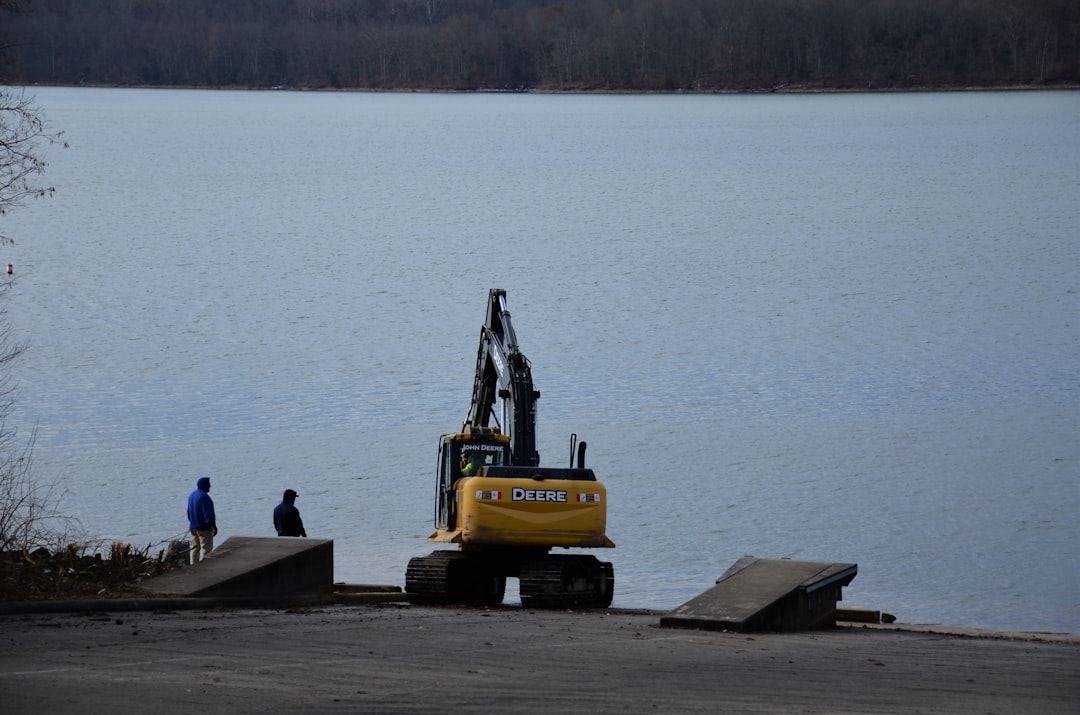
The Mississippi River, a colossal artery of commerce and culture, demands constant vigilance and prodigious effort to remain navigable and safe. Its shifting sands, ever-present debris, and dynamic hydrology present a relentless challenge to the dedicated individuals tasked with its maintenance. For the crews on the front lines, particularly those involved in dredging, surveying, and structural repairs, the concept of a standard workweek has become a relic of a bygone era. They are grappling with an ever-increasing demand for overtime, a situation that, while financially beneficial to some, raises significant concerns about burnout, operational efficiency, and the long-term sustainability of their vital work.
The Mississippi River is a living entity, its moods and movements dictating the pace of human activity along its banks. From its headwaters in Minnesota to its delta in the Gulf of Mexico, it is a conduit for a vast spectrum of economic activity, including agriculture, shipping, and tourism. The maintenance crews, often employed by federal agencies such as the U.S. Army Corps of Engineers or by private contractors working in partnership, are the unsung orchestrators of this complex ballet. Their responsibilities are manifold and extend far beyond simply clearing blockages. The recent developments in the Mississippi River infrastructure have significantly improved transportation efficiency.
Dredging: A Perpetual Battle Against Sedimentation
One of the most arduous and consistent tasks is dredging. The river’s natural propensity to deposit sediment, particularly after major flood events, continuously threatens navigation channels. Without constant dredging, these channels would quickly become too shallow for commercial vessels, bringing a significant portion of the nation’s economy to a standstill. Imagine, if you will, the riverbed as a constantly shifting canvas, and the dredges as massive, industrial erasers, meticulously removing layers of accumulated earth. This is not a static endeavor; the river never truly settles.
Infrastructure Integrity: Guardians of the Levy Systems
Another critical aspect of their work involves the inspection and repair of the extensive network of levees, dams, and other hydraulic structures that line the river. These structures, built over decades, are the bulwark against the river’s destructive power during periods of high water. A breach in a levee can have catastrophic consequences, as evidenced by historical events. The crews are constantly monitoring for signs of wear and tear, erosion, animal burrowing, and structural fatigue, acting as the river’s vigilant physicians, diagnosing and treating its ailments before they become life-threatening.
Debris Removal: Clearing the River’s Arteries
The river also acts as a giant conveyor belt for natural and man-made debris. Large tree trunks, dislodged structures, and an unfortunate array of discarded items become hazards to navigation and can impede the flow of water. These crews are the river’s sanitation engineers, removing these obstructions to ensure a clear path for vessels and to prevent damage to infrastructure. It’s a continuous clean-up operation, akin to constantly sweeping a perpetually dusty floor.
In light of the recent discussions surrounding the Mississippi River maintenance crew’s overtime, it’s important to consider the broader implications of such practices on infrastructure management. For a comprehensive overview of the challenges faced by maintenance crews and the impact of overtime on operational efficiency, you can read the related article at My Geo Quest. This article delves into the intricacies of river maintenance and the crucial role that dedicated crews play in ensuring the safety and functionality of our waterways.
The Overtime Conundrum: A Double-Edged Sword
The escalating demands on these maintenance crews have led to a significant reliance on overtime hours. While this provides a welcome boost to individual incomes, it simultaneously introduces a host of operational challenges and potential long-term consequences.
Financial Incentives Versus Physical Toll
For many crew members, the prospect of increased earnings is a powerful motivator. Overtime often translates to a substantial increase in their take-home pay, allowing them to better support their families or pursue personal financial goals. This is particularly true in an industry where base salaries, while competitive, may not always reflect the extreme demands of the work. However, this financial boon comes at a significant physical and mental cost. You, the reader, might imagine the toll of sustained physical labor in often challenging environmental conditions, day in and day out, for weeks on end.
Burnout and Its Ramifications
Extended workdays and weeks, coupled with the inherent dangers and stressful nature of the work, significantly increase the risk of burnout. Symptoms such as chronic fatigue, reduced job satisfaction, increased irritability, and even physical ailments can become prevalent. Burnout not only affects the individual’s well-being but also has direct implications for operational efficiency and safety. A fatigued crew member is more prone to errors, which in a high-risk environment like river maintenance, can have severe consequences, impacting equipment, infrastructure, and even human lives.
Recruitment and Retention Challenges
The reliance on overtime can also exacerbate recruitment and retention challenges. While the financial incentives might attract some, the grueling hours and demanding lifestyle can deter others, particularly younger generations seeking a more balanced work-life dynamic. The industry faces a constant need for skilled personnel, and the current operational model may inadvertently create a revolving door effect, where new hires, once exposed to the reality of the work, quickly seek less demanding employment.
Factors Driving the Increase in Overtime
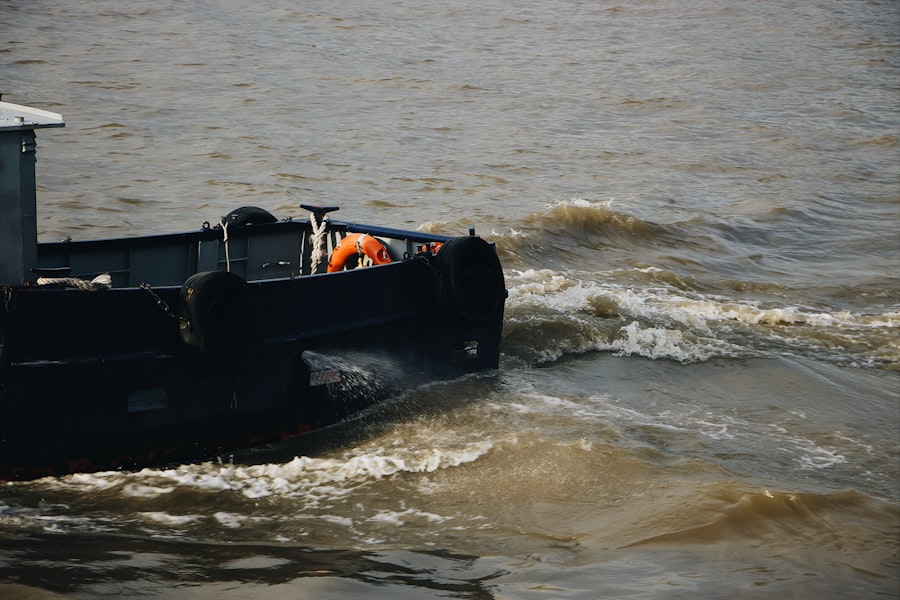
Several converging factors contribute to the escalating need for overtime among Mississippi River maintenance crews. These factors are often interconnected, creating a complex web of challenges.
Environmental Volatility: The River’s Shifting Moods
Climate change and altered weather patterns are directly impacting the Mississippi River’s hydrology. More frequent and intense flood events lead to increased sedimentation, greater debris loads, and higher stress on existing infrastructure. Conversely, periods of prolonged drought can necessitate increased dredging to maintain adequate depths for navigation. The river’s increasingly unpredictable behavior demands a more agile and responsive maintenance effort, often requiring immediate, long-duration interventions. It’s as if the river has become a more temperamental beast, requiring constant attention.
Aging Infrastructure: A Legacy of Responsibility
Much of the Mississippi River’s infrastructure, including many of its levees and lock and dam systems, is decades old and requires ongoing maintenance and rehabilitation. While efforts are underway to modernize and upgrade these systems, the sheer scale of the task means that existing structures continue to demand significant attention. This aging infrastructure acts as a perpetual patient, requiring constant monitoring and periodic emergency care, often outside of standard working hours.
Staffing Shortages: A Persistent Undercurrent
Many government agencies and private contractors involved in river maintenance face persistent staffing shortages. This can be attributed to various factors, including an aging workforce, difficulties in attracting new talent to physically demanding roles, and, in some cases, budgetary constraints that limit the number of permanent positions. When fewer hands are available to perform the same amount of work, the remaining personnel are inevitably required to work longer hours to compensate.
Funding Fluctuations: The Ebb and Flow of Resources
The availability of funding for river maintenance projects can fluctuate significantly, often tied to political cycles and economic conditions. While emergency funding may be released in response to major events, consistent, long-term funding for preventative maintenance and workforce expansion can be elusive. This inconsistent resource allocation forces crews to maximize their output during periods of increased funding, often through extended overtime, in anticipation of future budgetary uncertainties.
Mitigation Strategies and Future Outlook
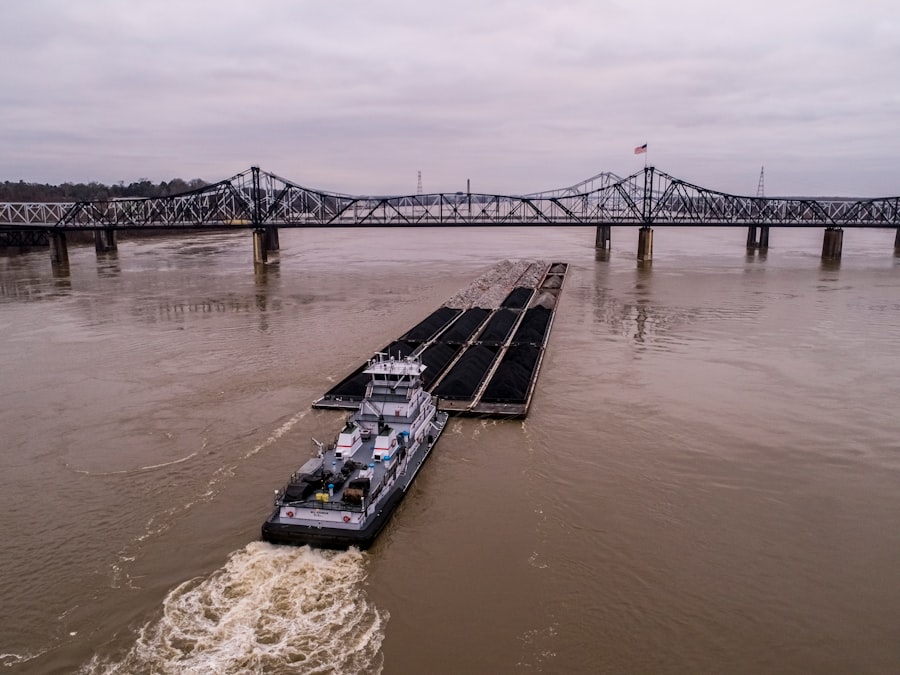
Addressing the overtime challenge requires a multi-pronged approach that tackles both immediate symptoms and underlying causes. A sustainable solution necessitates a commitment to long-term planning and investment.
Investing in Technology and Automation
Technological advancements offer a promising avenue for reducing the reliance on manual labor and enhancing efficiency. Drones with advanced sensors can rapidly survey large areas for damage or sedimentation, reducing the time and resources required for traditional surveying methods. Autonomous dredging equipment, while still in its nascent stages, could revolutionize this labor-intensive process. You can envision a future where sophisticated robotic systems complement human crews, taking on some of the more repetitive or hazardous tasks.
Workforce Development and Training Programs
Addressing staffing shortages requires a concerted effort to attract and retain skilled personnel. This involves developing robust recruitment campaigns, offering competitive compensation packages, and investing in comprehensive training programs. Apprenticeships and partnerships with vocational schools can help cultivate the next generation of river maintenance professionals, ensuring a steady pipeline of talent.
Predictive Maintenance and Proactive Planning
Moving from a reactive to a proactive maintenance model can significantly reduce the need for emergency overtime. Implementing advanced data analytics and predictive modeling can help anticipate potential problems, such as areas prone to sedimentation or structural vulnerabilities, allowing for scheduled interventions rather than urgent, unplanned responses. This is akin to moving from firefighting to fire prevention.
Consistent and Adequate Funding
Ultimately, the long-term sustainability of Mississippi River maintenance hinges on consistent and adequate funding. Stable budgetary allocations enable agencies and contractors to plan effectively, invest in necessary equipment, and maintain appropriate staffing levels, reducing the need for crews to constantly operate in “crisis mode.” Advocating for and securing sustained financial commitments is paramount to ensuring the continued navigability and safety of this vital national asset. The Mississippi River is not merely a waterway; it is a fundamental pillar of national infrastructure, and its upkeep necessitates a commensurate level of investment and appreciation for the dedication of those who safeguard it.
WATCH THIS! 🚨CRACKING: Why America’s $5 Trillion Dam is Failing Right Now
FAQs
What is the Mississippi River maintenance crew responsible for?
The Mississippi River maintenance crew is responsible for maintaining navigational channels, repairing infrastructure such as locks and dams, dredging to ensure safe passage for vessels, and managing flood control systems along the river.
Why does the Mississippi River maintenance crew work overtime?
The crew often works overtime to address urgent repairs, respond to emergency situations like flooding or infrastructure damage, and to complete critical maintenance tasks that cannot be delayed without impacting river navigation and safety.
How is overtime for the Mississippi River maintenance crew regulated?
Overtime for the maintenance crew is regulated according to federal labor laws and agency policies, ensuring that employees are compensated fairly for hours worked beyond their standard schedules.
What impact does overtime have on the maintenance of the Mississippi River?
Overtime allows the maintenance crew to complete essential work promptly, minimizing disruptions to river traffic and enhancing safety. It helps in managing unexpected issues and maintaining the river’s infrastructure effectively.
Who oversees the Mississippi River maintenance crew?
The maintenance crew is typically overseen by the U.S. Army Corps of Engineers, which manages the river’s infrastructure and navigational systems.
Are there any challenges associated with overtime for the maintenance crew?
Challenges can include worker fatigue, increased labor costs, and scheduling difficulties. Proper management is necessary to balance workload and maintain safety standards.
How can the public learn about Mississippi River maintenance activities?
Information about maintenance activities is often available through the U.S. Army Corps of Engineers’ website, public notices, and local government communications related to river navigation and infrastructure projects.