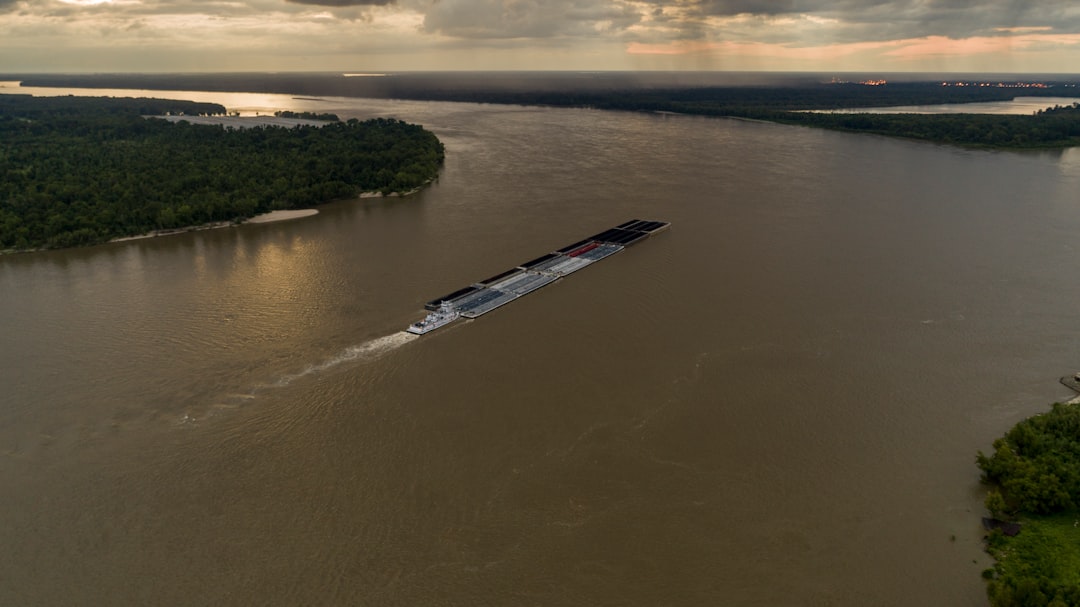
The Mississippi River, a colossal artery of the United States, is facing a critical juncture. Decades of underinvestment and mounting environmental pressures have brought its vital infrastructure to the precipice of widespread failure. This isn’t a distant, abstract threat; it is a palpable danger poised to disrupt commerce, agriculture, and the very rhythm of American life. From its navigational channels to its aging locks and dams, the lifelines of this mighty river are weakening, threatening to clog the veins of the nation’s economy.
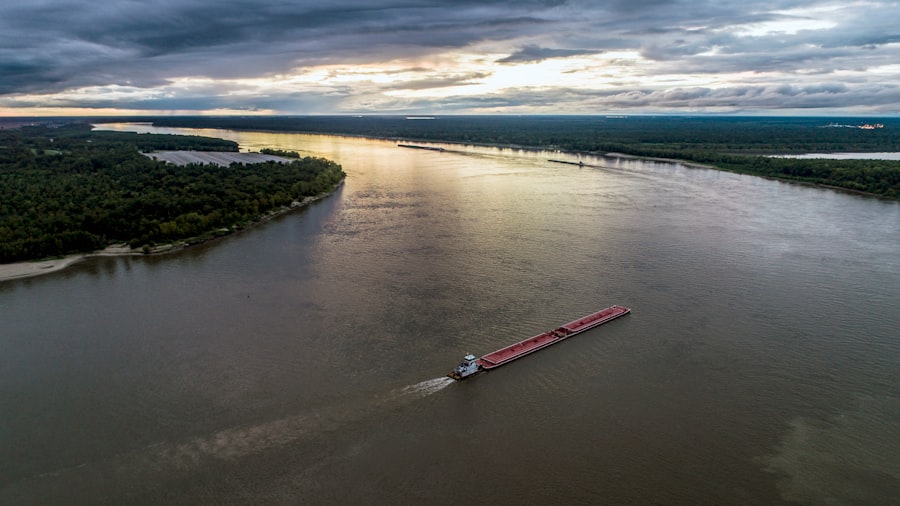
The Mississippi River system, a sprawling network of waterways, serves as a liquid highway for an immense volume of goods. Barges, the workhorses of American freight, ferry everything from grain and coal to chemicals and petroleum products. However, the efficiency of this crucial trade route is being severely compromised by a cascade of infrastructural deficiencies. Navigational channels, the very pathways for these barges, are often inadequately maintained, choked by sediment and threatened by low water levels.
Dredging: The Unseen Labor
The constant accumulation of silt and sediment is an inevitable consequence of natural processes, but the fight against it requires constant and robust dredging operations. The Mississippi River’s sediment load is substantial, and if these navigational channels are not regularly deepened and widened, they become shallower and narrower, restricting the size and number of barges that can transit. This is akin to a highway becoming progressively narrower, forcing traffic to slow to a crawl or even halt entirely. Funds for essential dredging projects have historically been inconsistent, leading to opportunistic, rather than comprehensive, maintenance. When dredging is delayed or insufficient, the economic consequences are immediate. Barges may be forced to carry lighter loads, increasing the per-unit cost of transportation, or worse, entire sections of the river may become impassable, rerouting vital supply chains.
The Specter of Low Water Levels
Climate change is an increasingly potent factor exacerbating the navigational challenges. Prolonged droughts and altered precipitation patterns have led to alarmingly low water levels on the Mississippi. When the river’s water volume shrinks, the depth of the navigational channels diminishes, directly impacting the draft of barges. This forces operators to reduce their cargo, a significant economic blow. Imagine a cargo ship trying to navigate a shallow coastal bay during an extreme low tide; the risks of grounding and the severely limited capacity are stark parallels. The economic implications ripple outwards. Farmers find it harder and more expensive to ship their crops to market, impacting their livelihoods and the affordability of food for consumers. Industries reliant on bulk raw materials face increased transportation costs, which can translate into higher prices for manufactured goods.
The recent infrastructure failures along the Mississippi River have raised significant concerns about the aging systems that support this vital waterway. An insightful article that delves into the implications of these failures and explores potential solutions can be found at this link. It highlights the urgent need for investment and modernization to ensure the river’s continued role in transportation, commerce, and environmental sustainability.
The Backbone of Agriculture: Locks and Dams in Disrepair
Further inland, the intricate system of locks and dams that govern the flow and navigability of the Upper Mississippi River is the backbone of agricultural transport. These monumental structures, engineering marvels of their time, are now showing their age. Their deterioration poses a profound threat to the efficient movement of grain from America’s breadbasket to domestic and international markets.
Aging Infrastructure: A ticking time bomb
Many of the locks and dams on the Mississippi were constructed in the mid-20th century, under the River and Harbor Act of 1930. While built for longevity, they are now decades past their intended service life. The constant barrage of water, ice, and heavy barge traffic takes an immense toll. Components are corroding, concrete is spalling, and machinery is experiencing wear and tear. Each lock and dam is a vital link in a chain, and a failure at any single point can have cascading consequences, effectively shutting down entire stretches of the river. The analogy is that of a vital organ in the human body failing, with systemic repercussions.
The Lockage Bottleneck: A Costly Delay
When a lock experiences mechanical failure or requires extensive maintenance, it creates significant delays for river traffic. A single lock can take hours to operate, and when one is out of service, barges queue up, forming mile-long lines. These delays translate into increased operational costs for shipping companies, ultimately passed on to producers and consumers. Furthermore, the inability to efficiently move agricultural products can lead to storage problems and potential spoilage, impacting the availability and price of essential food staples. The economic impact of just a few days of closure on a major lock can be in the millions of dollars.
The Threat of Catastrophic Failure
Beyond the chronic issues of wear and tear, there is the ever-present, albeit less frequent, risk of catastrophic failure. The collapse of a lock or dam, though unlikely in the immediate term, would be a disaster of unprecedented proportions. The sudden, uncontrolled release of water could devastate downstream communities, cause immense environmental damage, and effectively sever a critical transportation artery for an extended period. The potential for such an event, however remote, underscores the urgency of addressing the systemic aging of this infrastructure.
Waterways as Arteries: Water Supply and Flood Control
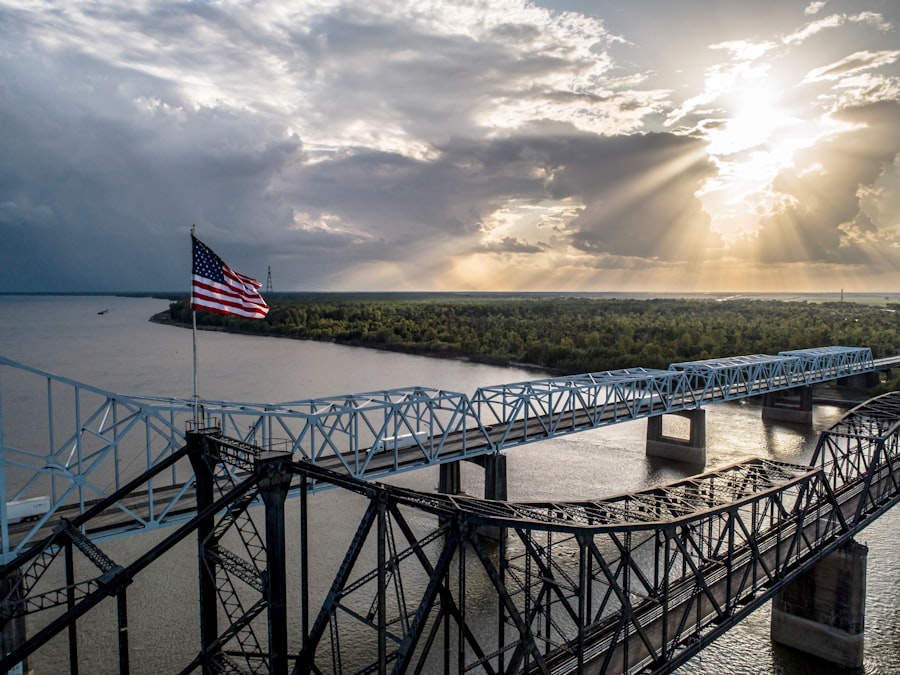
The Mississippi River is not merely a conduit for commerce; it is also a critical source of fresh water for millions of people and a crucial component of flood control systems for numerous communities. The health and integrity of its infrastructure are therefore intrinsically linked to public safety and well-being.
Municipal Water Dependency: A Thirsty Nation
The river serves as the primary or secondary water source for numerous municipalities across multiple states. Drinking water treatment facilities, industrial processes, and agricultural irrigation systems all rely on its consistent and clean flow. Aging water intake structures, pumping stations, and treatment infrastructure, often located along the riverbanks, are also vulnerable to neglect. If these systems fail, it could lead to widespread water shortages, impacting the quality of life and economic activity in affected regions. Imagine a household suddenly finding its taps dry; the disruption is immediate and profound.
Flood Control Systems: A Fragile Shield
The river’s flood control infrastructure, including levees, spillways, and pumping stations, is designed to protect vast populated areas from the destructive power of floods. These systems, like the locks and dams, are subject to the ravages of time and environmental stress. Levees can erode, pumping stations can fail, and spillways may not be adequate to handle extreme weather events, which are becoming more frequent due to climate change. The catastrophic flooding experienced in parts of the Mississippi basin in recent decades serves as a stark reminder of the potential consequences of inadequate flood control infrastructure. The river, when unchecked, can transform from a benefactor into a devastating force.
Environmental Impacts: A Strained Ecosystem
The functionality of river infrastructure also has significant environmental implications. Dams, while essential for navigation and hydropower, can alter natural river flows, impacting fish migration patterns and aquatic ecosystems. Levees can disrupt wetland habitats. Continued neglect of locks and dams can lead to increased erosion and sedimentation, further altering the river’s natural processes. The ecosystem, like a finely tuned machine, relies on the predictable functioning of its parts. When those parts begin to falter, the entire system is thrown out of balance.
The Economic Imperative: The Cost of Inaction
The decision to address the deteriorating Mississippi River infrastructure is not merely an environmental or logistical one; it is a deeply economic one. The cost of inaction, in the long run, far outweighs the investment required for comprehensive repairs and upgrades.
Supply Chain Vulnerabilities: A Domino Effect
A significant failure within the Mississippi River system could trigger a domino effect across national supply chains. The disruption to agriculture, manufacturing, and energy sectors would be profound. Businesses would face increased costs, potential shutdowns, and an inability to meet consumer demand. The interconnectedness of the modern economy means that a problem on the Mississippi is not a localized issue; it is a national vulnerability. Consider a major artery in the human body becoming blocked; the entire system suffers.
Agricultural Sector Strain: Feeding the Nation
The agricultural sector, a cornerstone of the American economy, is particularly reliant on the Mississippi for transporting its products. Delays and increased costs associated with river transport can significantly impact farmers’ profitability, potentially leading to reduced production and higher food prices for consumers. Investing in the infrastructure that allows farmers to efficiently get their goods to market is an investment in food security and economic stability.
Industrial Competitiveness: Global Stakes
For industries that rely on bulk raw materials or export finished goods via the river, the efficiency of the Mississippi is crucial to their global competitiveness. If transportation costs rise due to infrastructure failures, American industries will struggle to compete with international counterparts operating with more efficient logistical networks. This can lead to a decline in domestic manufacturing and job losses.
The recent infrastructure failures along the Mississippi River have raised significant concerns about the region’s ability to manage flood risks and maintain vital transportation routes. A related article discusses the implications of these failures on local economies and the environment, highlighting the urgent need for investment in sustainable infrastructure. For more insights on this critical issue, you can read the full article here.
The Path Forward: Investment and Modernization
| Metric | Value | Description |
|---|---|---|
| Number of Levee Failures | 15 | Levee breaches reported along the Mississippi River during major flood events |
| Length of Levees | 3,500 miles | Total length of levees protecting the Mississippi River basin |
| Age of Infrastructure | 50-100 years | Average age range of levees and flood control structures |
| Annual Maintenance Budget | 1.2 billion | Estimated yearly funding allocated for maintenance and repairs |
| Flood Events Causing Failures | 3 major events (last 20 years) | Number of significant flood events leading to infrastructure failure |
| Population at Risk | 2 million | People living in flood-prone areas along the Mississippi River |
| Economic Impact (Annual) | 5 billion | Estimated economic losses due to infrastructure failure and flooding |
Addressing the looming crisis on the Mississippi River requires a multi-faceted approach, centered on sustained investment, strategic modernization, and a renewed commitment to the vital role this waterway plays in the nation’s prosperity.
Sustained Federal Funding: A Necessary Commitment
Consistent and substantial federal funding is paramount. This requires moving beyond the cycle of stopgap measures and implementing long-term investment strategies. Funding must be allocated not just for emergency repairs but for comprehensive upgrades and preventative maintenance. This is akin to a homeowner not just patching a leaky roof but investing in a complete structural overhaul to prevent future disasters.
Technological Advancements: Embracing the Future
The modernization of locks and dams should incorporate technological advancements to improve efficiency and reduce maintenance requirements. This could include automated systems, more robust materials, and innovative engineering solutions. Embracing new technologies can ensure that the infrastructure not only meets current needs but is also resilient to future challenges.
Public-Private Partnerships: Shared Responsibility
Exploring public-private partnerships can help leverage private sector expertise and investment to accelerate much-needed upgrades. These collaborations can create innovative funding models and efficient project execution, ensuring that the vital arteries of the Mississippi are maintained for generations to come.
A Call to Action: Securing a Vital Artery
The Mississippi River is more than just a body of water; it is a lifeline, an economic engine, and a symbol of American ingenuity. Allowing its infrastructure to crumble is to risk severing these essential connections. It is time for a concerted effort, a national commitment, to invest in and revitalize this critical artery. The future of American commerce, agriculture, and the well-being of millions depend on it. The reader, as a citizen and stakeholder in this nation’s economic health, must recognize the gravity of this situation and advocate for the necessary actions to secure the future of this invaluable American resource.
WATCH NOW ▶️ SHOCKING: Mississippi: The $12 Trillion Lie Revealed
FAQs
What caused the Mississippi River infrastructure failure?
The Mississippi River infrastructure failure was primarily caused by aging levees and flood control systems that were unable to withstand extreme weather events and rising water levels. Structural weaknesses, lack of maintenance, and increased pressure from heavy rainfall contributed to the failure.
What areas were most affected by the Mississippi River infrastructure failure?
The areas most affected were communities along the Mississippi River, particularly in states like Louisiana, Mississippi, Arkansas, and Missouri. Flooding led to property damage, displacement of residents, and disruptions to transportation and commerce.
How does the Mississippi River infrastructure failure impact the economy?
The failure disrupts shipping and transportation along the river, which is a critical commercial waterway for agricultural products, raw materials, and manufactured goods. Flood damage also incurs high repair costs and affects local businesses and agriculture, leading to economic losses.
What measures are being taken to prevent future Mississippi River infrastructure failures?
Efforts include reinforcing and upgrading levees, improving flood control systems, investing in modern monitoring technology, and implementing better maintenance programs. Federal and state agencies are also working on long-term flood risk management and emergency response planning.
How can residents stay informed and prepared for Mississippi River infrastructure failures?
Residents can stay informed through local government alerts, the National Weather Service, and the U.S. Army Corps of Engineers. Preparing emergency kits, having evacuation plans, and understanding flood risk maps are important steps for personal safety during infrastructure failures.