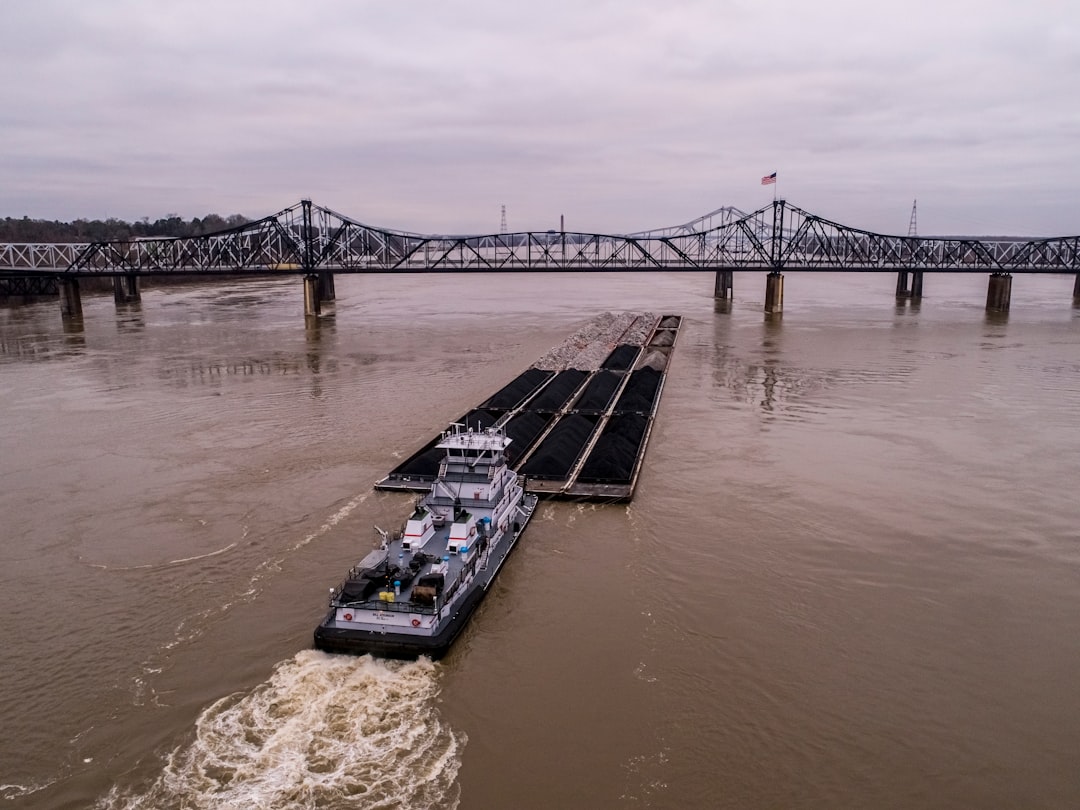
The Mississippi River, a vital artery of North America, is currently experiencing a significant low-water crisis. This monumental waterway, often described as the “lifeblood of America,” is struggling to sustain its usual flow, triggering a cascade of economic, environmental, and ecological challenges. The implications of this diminished state are far-reaching, affecting industries that rely on its navigability, communities dependent on its water resources, and the delicate ecosystems that call it home.
The Mississippi River, a force of nature shaping the continent’s geography and economy, is seeing its levels plummet to alarming lows. This is not a fleeting drought, but a sustained reduction in water volume that has brought the river system to a critical juncture. The consequences are immediate and palpable, impacting everything from barge traffic to the very shape of the riverbed.
Historical Context of Mississippi River Flows
The Mississippi River has always been a dynamic entity, subject to natural fluctuations in precipitation and snowmelt. Historically, periods of low water have occurred, but the current situation exhibits characteristics that distinguish it as a particularly severe and prolonged event. Understanding past patterns helps to contextualize the severity of today’s challenges. For instance, significant low-water events in the past, such as those experienced in the 1930s and again in the early 2000s, offer benchmarks against which to measure the current crisis. However, scientific consensus points to a confluence of factors, including persistent drought conditions in key watershed regions and potentially altered climate patterns, contributing to the current predicament. Climate change models suggest that such extreme events may become more frequent and intense, necessitating a reevaluation of our relationship with this vital waterway.
Measuring the Severity: Gauges and Trends
The United States Geological Survey (USGS) and the U.S. Army Corps of Engineers act as the river’s vital sign monitors, charting its ebb and flow through a network of gauges. These instruments, strategically placed along the Mississippi’s extensive length, provide real-time data that paints a stark picture. Current readings, in many sections, are significantly below historical averages, sometimes reaching levels not seen in decades. These metrics are not mere numbers; they are indicators of a system under immense strain. For example, a gauge reading at a particular locality might be several feet lower than it was precisely one year ago, and even more so compared to its average for this time of year. Such sustained declines are particularly concerning for the long-term health of the river. Trends indicating a consistent downward trajectory over multiple years, rather than isolated dips, are what truly define this as a crisis.
Upstream Influences: The Headwaters’ Dilemma
The health of the Mississippi River is intrinsically linked to the health of its upstream tributaries, particularly the Missouri and Ohio Rivers. These mighty tributaries are like the intricate network of veins that feed the heart, and when they are compromised, the entire system suffers. Drought conditions in the upper reaches of the Mississippi watershed, including states like Montana, North Dakota, Minnesota, and the Canadian provinces that contribute to these headwaters, are a primary driver of the current low-water crisis. Reductions in precipitation and snowpack in these regions translate directly to a diminished volume of water entering the main stem of the Mississippi. This upstream scarcity acts like a bottleneck, constricting the flow of the entire river system.
The ongoing low water crisis along the Mississippi River has raised significant concerns about navigation, agriculture, and ecosystems in the region. For a deeper understanding of the implications and potential solutions to this pressing issue, you can read a related article that explores the challenges faced by communities and industries reliant on the river. To learn more, visit this article.
The Economic Ripples: A Slowing Business Engine
The Mississippi River is not merely a natural wonder; it is a crucial engine of commerce. Its navigable channels facilitate the transportation of an immense volume of goods, and when its waters recede, this economic engine begins to sputter and stall. The impact is felt across numerous sectors, from agriculture to manufacturing, leading to increased costs, supply chain disruptions, and economic uncertainty.
The Backbone of American Commerce: Barge Transportation
Barges are the workhorses of the Mississippi River, carrying millions of tons of commodities annually. These flat-bottomed vessels are incredibly efficient for moving bulk goods like grain, coal, petroleum products, and chemicals. However, low water levels pose a significant operational challenge. Barges require a certain depth of water to navigate safely. As the water recedes, the channel effectively narrows, forcing barges to carry lighter loads or forcing them to wait for conditions to improve. This is akin to a six-lane highway suddenly being reduced to two lanes, creating logjams and slowing down the flow of traffic.
Impact on Agricultural Exports
The agricultural sector is particularly vulnerable. The Mississippi River is a primary conduit for exporting American-grown grains, such as corn and soybeans, to global markets. Low water levels can impede the movement of these crops from inland farms to export terminals, leading to delays. Farmers face the prospect of storing their harvested crops longer than anticipated, incurring additional costs and potentially missing optimal market windows. This can translate to lower incomes for farmers and higher prices for consumers worldwide, as the cost of transporting these essential food staples rises due to the river’s reduced capacity.
Supply Chain Disruptions and Increased Costs
Beyond agriculture, numerous industries rely on the Mississippi for their supply chains. Manufacturers ship raw materials and finished goods along its length. Energy producers transport coal and petroleum. When barge traffic is curtailed, these industries face increased logistical challenges and higher transportation costs. Businesses may be forced to seek alternative, more expensive modes of transport, such as rail or trucking, or face production delays. This ripple effect can lead to increased prices for a wide array of goods, impacting consumers across the nation.
Industrial Operations Under Strain
Industries situated along the Mississippi River, particularly those that require substantial water for their operations, are also facing direct challenges. Power plants, chemical facilities, and manufacturing plants often draw significant amounts of water from the river for cooling and processing. When water levels are critically low, these facilities may face shortages, forcing them to curtail operations or implement water-saving measures. This can lead to reduced energy production, impacting power grids, or necessitate costly adaptations for industrial processes.
Ecological Reverberations: A Thirsty Ecosystem
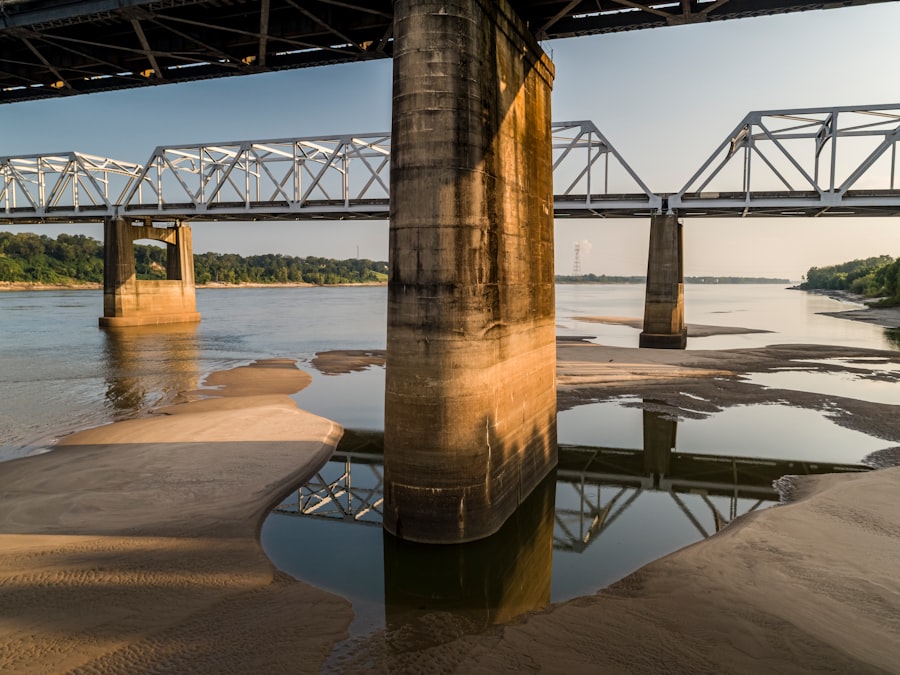
The Mississippi River is a complex and diverse ecosystem, supporting a rich tapestry of aquatic life and providing crucial habitats for countless species. The current low-water crisis is placing immense stress on these delicate ecological balances. Fish populations, migratory birds, and riparian habitats are all feeling the profound effects of a diminished river.
Aquatic Life Under Pressure
Fish, amphibians, and countless invertebrates that thrive in the Mississippi’s waters are directly impacted by the reduced flow and altered habitat. Lower water levels can lead to increased water temperatures, reduced dissolved oxygen levels, and a concentration of pollutants. This creates a more challenging environment for aquatic organisms, potentially leading to fish kills and a decline in biodiversity. Specific species, such as those that rely on particular water depths for spawning or shelter, are especially vulnerable. For example, certain catfish species require deep holes to overwinter, and if these areas become too shallow and warm, their survival is jeopardized.
Bird Migration Routes Threatened
The Mississippi River corridor is a critical flyway for millions of migratory birds. Wetlands and shallow water areas along the river serve as vital resting and feeding grounds for these travelers. As these habitats shrink and disappear due to low water, birds face increased difficulty in finding adequate resources to sustain their arduous journeys. This can lead to higher mortality rates during migration and impact breeding success in subsequent seasons. The visual spectacle of countless birds winging their way along the river becomes a more desperate scramble for survival.
Wetland Health and Riparian Zones
Wetlands and the riparian zones (the vegetated areas along the riverbanks) are integral components of the Mississippi River ecosystem. These areas are often inundated or nourished by the river’s ebb and flow. Low water levels can lead to the desiccation of wetlands, turning vibrant marshlands into dry, cracked earth. This loss of habitat impacts not only aquatic life but also the terrestrial species that depend on these wetland environments. Riparian vegetation, crucial for bank stability and providing shade to the water, can also suffer from prolonged exposure and lack of moisture, further degrading the river’s protective buffer.
Mitigation and Adaptation: Charting a Course Forward
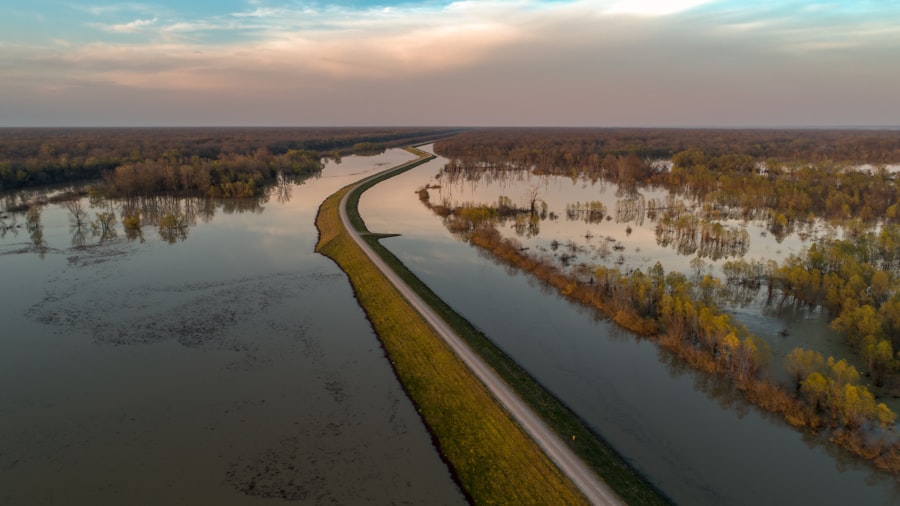
Addressing the Mississippi River’s low-water crisis requires a multi-pronged approach, involving immediate mitigation efforts and long-term adaptation strategies. Recognizing the complexity of the challenges, stakeholders are exploring various solutions to manage the situation and build resilience for the future.
Immediate Response: Dredging and Water Management
In the short term, efforts are being made to maintain navigable channels through dredging operations. Dredging involves removing sediment that accumulates on the riverbed, effectively deepening the channel to allow for continued barge traffic. This is a costly and labor-intensive process, but it is a crucial measure to alleviate immediate economic pressures. Additionally, various water management strategies, such as coordinated releases from upstream reservoirs, are being considered and implemented to try and supplement the river’s flow during critical periods. This involves a delicate balancing act, as reservoir water is often used for multiple purposes, including hydropower generation and municipal water supply.
Long-Term Solutions: Watershed Management and Conservation
Looking beyond immediate fixes, the focus shifts to long-term solutions that address the root causes of the crisis and build resilience. This includes enhanced watershed management practices, such as promoting reforestation, reducing impervious surfaces in urban areas, and implementing agricultural practices that improve soil health and water retention. Water conservation efforts across all sectors, from household use to industrial processes, are also paramount. Educating the public about the importance of water and encouraging responsible consumption are vital components of this strategy.
Infrastructure Improvements and Innovation
Investing in infrastructure that can better withstand low-water conditions is also a critical consideration. This might involve developing new barge designs that can operate in shallower water, or exploring innovative water storage and management technologies. Research into drought-resistant crops and alternative agricultural practices that require less water could also play a significant role in adapting to a potentially drier future. The goal is to create a more robust and adaptable river system.
The ongoing low water crisis affecting the Mississippi River has raised significant concerns about navigation and the local economy. As drought conditions persist, many industries that rely on the river for transport are feeling the impact. For a deeper understanding of the challenges posed by this environmental issue, you can read a related article that explores the implications of low water levels on commerce and ecosystems. Check it out here to learn more about this pressing situation.
A Call to Action: Preserving a National Treasure
| Metric | Value | Details |
|---|---|---|
| Water Level (St. Louis Gauge) | 0.5 feet | Record low level as of 2023 summer |
| Navigation Impact | Over 50% reduction | Significant barge traffic delays and restrictions |
| Economic Impact | Thousands of tons of cargo delayed | Disruption in agricultural and industrial shipments |
| Duration of Low Water Crisis | 3+ months | From late spring to early fall 2023 |
| Environmental Impact | Increased risk of fish kills | Reduced habitat and oxygen levels in water |
| Average Flow Rate | ~50,000 cubic feet per second | Significantly below historical average of ~150,000 cfs |
The Mississippi River faces a critical juncture, and its future depends on the collective actions taken today. This is not solely an issue for the states that border the river; it is a national concern that demands attention and cooperation. Each individual, community, and industry has a role to play in safeguarding this invaluable resource for generations to come.
The Role of Policy and Governance
Effective policy and robust governance are essential to navigating this crisis. This involves enacting regulations that promote sustainable water use, investing in research and monitoring, and fostering collaboration among federal, state, and local agencies. International cooperation may also be necessary, as the river’s watershed extends beyond national borders. Policies that incentivize water conservation and penalize wasteful practices will be crucial in driving behavioral change.
Public Awareness and Citizen Stewardship
Raising public awareness about the magnitude of the Mississippi River’s low-water crisis is a vital first step. Understanding the interconnectedness of the river system and its importance to our lives can inspire individual action. Simple steps, such as reducing personal water consumption, participating in local conservation initiatives, and advocating for sound environmental policies, can collectively make a significant difference. Citizens become stewards of this precious resource when they understand its value.
A Shared Responsibility for a Living Legacy
The Mississippi River is more than just a body of water; it is a living legacy, a testament to the power and beauty of nature, and a cornerstone of American prosperity. The current low-water crisis serves as a stark reminder of our dependence on natural systems and the profound impact of human activity. By embracing a spirit of shared responsibility, we can work together to navigate these challenging times, preserve the health of this vital artery, and ensure that the Mississippi continues to flow, strong and vibrant, for centuries to come. The decisions made today will echo through the landscape for generations, shaping the destiny of both the river and the nation it sustains.
WATCH NOW ▶️ SHOCKING: Mississippi: The $12 Trillion Lie Revealed
FAQs
What is causing the low water levels in the Mississippi River?
The low water levels in the Mississippi River are primarily caused by a combination of drought conditions, reduced rainfall, and increased water usage upstream. Climate change and seasonal weather patterns also contribute to fluctuations in water levels.
How does the low water crisis affect transportation on the Mississippi River?
Low water levels hinder navigation by making it difficult for barges and ships to pass through certain sections of the river. This can lead to delays, increased transportation costs, and disruptions in the supply chain for goods transported via the river.
What are the environmental impacts of the Mississippi River low water crisis?
The low water levels can harm aquatic ecosystems by reducing habitat availability, increasing water temperatures, and concentrating pollutants. This stresses fish and other wildlife populations and can lead to long-term ecological damage.
How are local communities and industries affected by the low water levels?
Communities that rely on the river for drinking water, agriculture, and industry may face shortages or increased costs. Industries such as agriculture, shipping, and manufacturing that depend on the river for transportation and water supply can experience operational challenges.
What measures are being taken to address the Mississippi River low water crisis?
Efforts to address the crisis include water conservation initiatives, dredging to deepen navigation channels, improved water management practices, and monitoring of weather and river conditions. Long-term strategies also focus on climate resilience and sustainable water use policies.