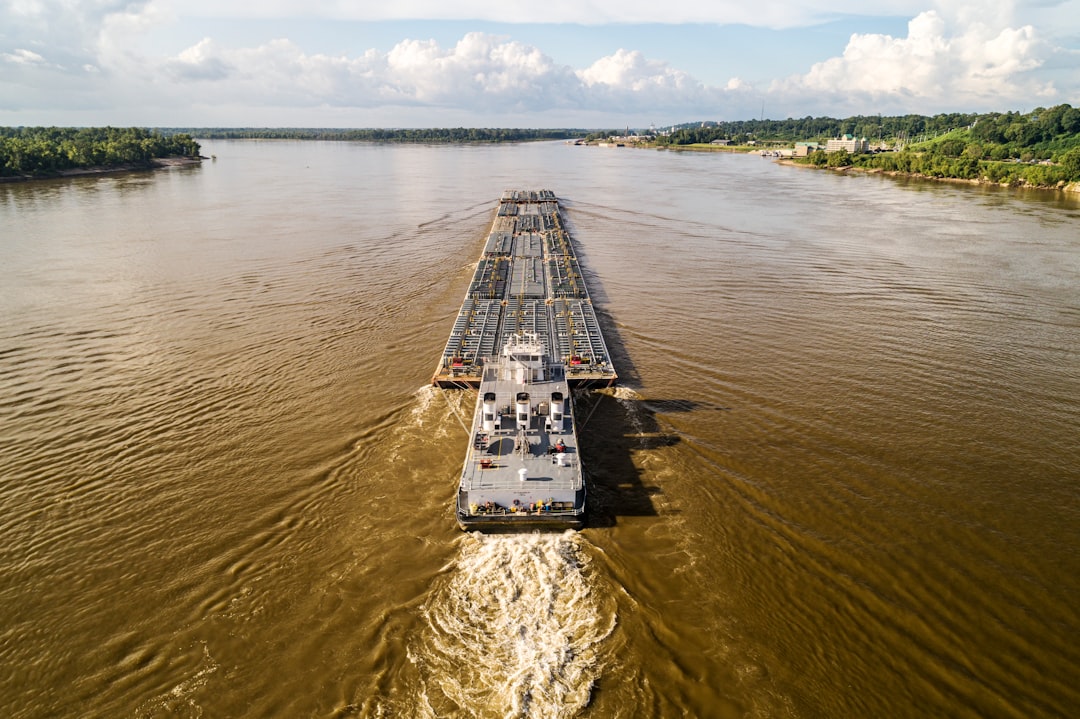
The Mississippi River, a colossal artery traversing the North American continent, has long been a source of sustenance and commerce, but also of profound risk. Its immense power, particularly during periods of high flow, poses an existential threat to the communities nestled along its banks. In response to this perennial challenge, the United States Army Corps of Engineers (USACE) has undertaken monumental efforts to safeguard these populations and critical infrastructure. Among these, the construction of emergency sills stands as a testament to human ingenuity and perseverance in the face of natural forces. This article will explore the necessity, design, implementation, and future implications of these crucial flood protection measures.
The Mississippi River basin encompasses over 1.2 million square miles, draining 31 states and two Canadian provinces. This vast watershed channels an immense volume of water, particularly during spring melt and heavy rainfall events, towards the Gulf of Mexico. The river’s natural inclination to meander and its capacity to transport vast quantities of sediment contribute to a dynamic and unpredictable environment. Understanding these fundamental hydrological characteristics is the first step in comprehending the need for advanced flood control strategies. The recent developments in the Mississippi River infrastructure have significantly improved transportation efficiency.
A River’s Dual Nature: Lifeblood and Destroyer
For centuries, indigenous communities and later European settlers have recognized the Mississippi’s dual nature. While it provides fertile land for agriculture and a vital transportation corridor, its periodic overflows can decimate towns, displace populations, and inflict billions of dollars in damages. The destructive potential of the Mississippi is not merely a historical footnote but a recurring contemporary threat.
The Levee System: A First Line of Defense
For over a century, a comprehensive system of levees has been the primary defense against Mississippi River flooding. These earthen embankments, stretching for thousands of miles, effectively contain the river’s flow under normal conditions. However, extreme flood events can test the limits of even the most robust levee systems, leading to overtopping or breaches with catastrophic consequences. The Great Mississippi Flood of 1927 stands as a stark reminder of the limitations of relying solely on perimeter defenses.
The Challenge of Sedimentation
The Mississippi carries a prodigious sediment load, a natural consequence of its journey through diverse geological landscapes. This sediment, often referred to as the “river’s blood,” continually reshapes its bed and banks. While this process is fundamental to the river’s geomorphology, it also creates challenges for flood control. Sedimentation can raise the riverbed, effectively reducing the capacity of levees and increasing flood risk. Therefore, any long-term flood management strategy must account for the dynamic interplay between water flow and sediment transport.
The recent emergency sill construction along the Mississippi River has garnered significant attention due to its critical role in flood management and environmental protection. For a deeper understanding of the challenges and strategies involved in this project, you can read a related article that provides insights into the engineering techniques and ecological considerations at play. Check it out here: Mississippi River Emergency Sill Construction.
The Dawn of a New Strategy: Emergency Sill Construction
Recognizing the limitations of existing flood control infrastructure, particularly in the face of increasingly severe weather patterns, USACE developed a novel approach: the emergency sill. This concept, often employed in critical areas like the Old River Control Structure, functions as a submerged barrier designed to regulate water distribution and prevent catastrophic avulsions – instances where the river would abandon its established course for a shorter, steeper path to the sea.
The Old River Control Structure: A Precedent
The Old River Control Structure (ORCS) in Louisiana serves as a foundational example of a large-scale engineering intervention to manage the Mississippi’s flow. Constructed in the mid-20th century, its primary purpose is to prevent the Mississippi River from changing its course to the Atchafalaya River. This historic engineering marvel demonstrated the feasibility and necessity of directly influencing the river’s hydraulics to protect downstream communities and infrastructure, including the port of New Orleans. The ORCS acts as a gatekeeper, ensuring a controlled distribution of water between the two river systems.
The Problem of Headcutting
A primary driver for emergency sill construction is the phenomenon of “headcutting.” Headcutting occurs when a river rapidly erodes its bed upstream, often due to a sudden change in gradient or flow velocity. This process can lead to the uncontrolled deepening and widening of a channel, potentially undermining existing structures and triggering a cascade of erosional events. In critical areas, headcutting could threaten the integrity of vital infrastructure and exacerbate flood risks.
Proactive Measures: A Shift in Approach
Traditional flood control often focused on reactive measures – responding to a flood event after it had begun. The emergency sill strategy represents a shift towards a more proactive and preventative approach. By placing these submerged structures in strategic locations, USACE aims to control the river’s erosional forces before they spiral out of control, thereby mitigating future flood events and protecting existing infrastructure.
Engineering Resilience: Design and Implementation
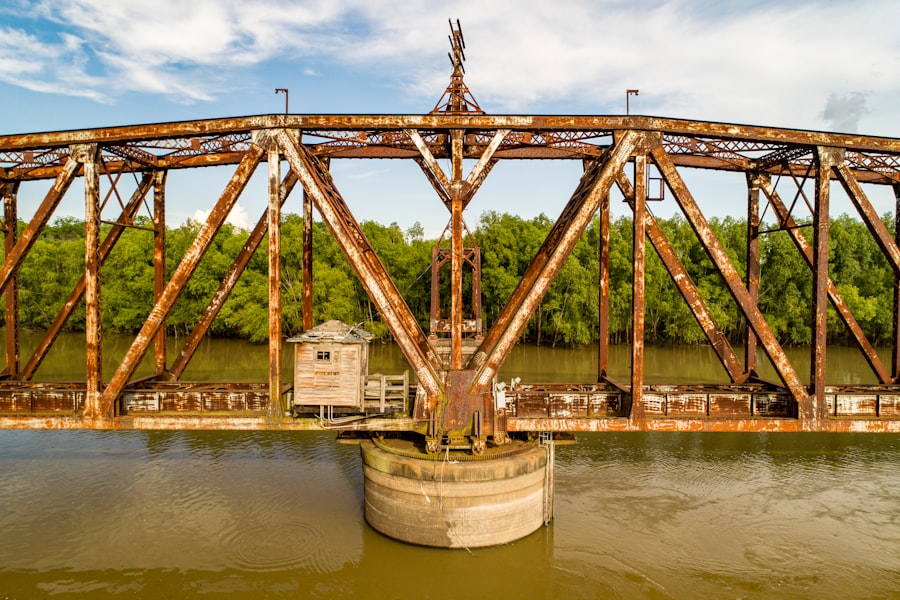
The design and construction of emergency sills are complex undertakings, necessitating a deep understanding of fluvial geomorphology, hydraulics, and materials science. Each sill is tailored to its specific location, considering factors such as riverbed composition, flow dynamics, and potential scour.
The Anatomy of a Sill: Submerged Strength
An emergency sill is typically a linear, submerged structure constructed across a river channel. These sills are often composed of durable materials such as rock, concrete, or gabions (wire mesh cages filled with rock). The specific material choice depends on the erosional forces it is designed to withstand and the available resources. Their primary function is to create a localized increase in bed elevation, thereby reducing flow velocity and preventing further downcutting.
Strategic Placement: Where and Why
The placement of emergency sills is not arbitrary. Extensive hydraulic modeling and geomorphological analysis precede any construction. Sills are strategically positioned in areas identified as susceptible to headcutting or where existing infrastructure is particularly vulnerable to erosion. These locations often coincide with critical junctures in the river system, where changes in channel geometry or sediment transport could trigger undesirable outcomes. Imagine these sills as sutures, meticulously placed to mend a tearing fabric before it unravels completely.
Construction Challenges: Battling the Current
The construction of submerged structures in a dynamic river environment presents significant challenges. Contractors must contend with powerful currents, shifting sediment, and variable water depths. Specialized equipment, including barges, dredges, and heavy-duty cranes, are often employed to transport and place construction materials with precision. The timing of construction is also critical, often requiring operations during periods of lower flow to minimize interference from the river’s formidable power.
Environmental Considerations: A Balancing Act
While critical for flood protection, the construction of emergency sills must also consider potential environmental impacts. The Mississippi River ecosystem is incredibly diverse, supporting a wide array of flora and fauna. Mitigative measures are often incorporated into project designs, such as avoiding spawning grounds during critical periods, minimizing turbidity through best management practices, and creating habitat features where appropriate. The goal is to achieve a delicate balance between engineering necessities and ecological stewardship.
A Shield in the Water: The Impact of Emergency Sills
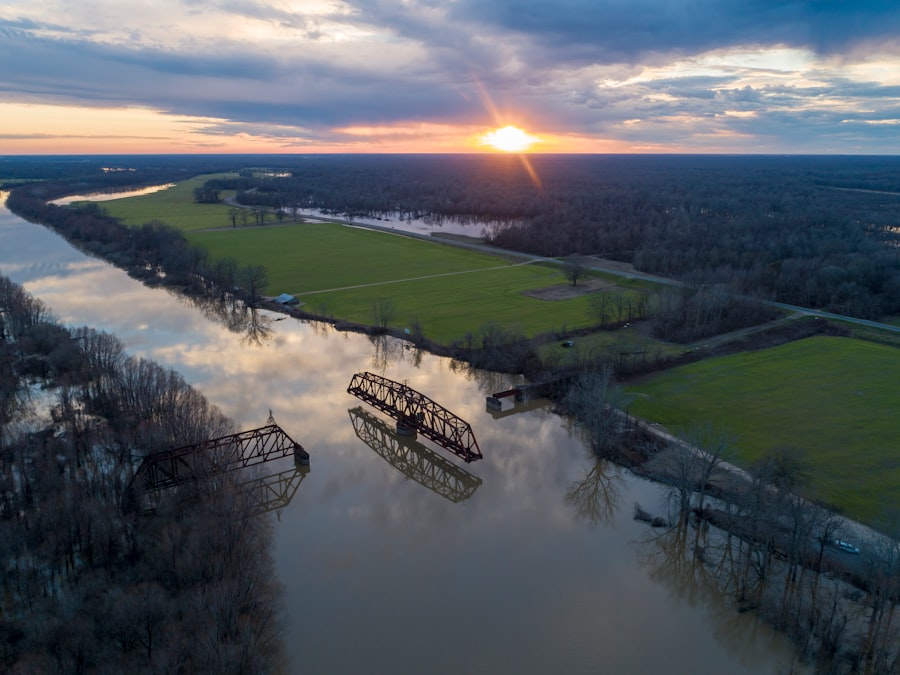
The completion of emergency sills represents a significant advancement in flood control capabilities along the Mississippi River. These structures act as an invisible shield, silently working beneath the surface to safeguard communities and the national economy.
Preventing Avulsions and Protecting Infrastructure
The most direct impact of emergency sills is their ability to prevent catastrophic avulsions. By stabilizing the riverbed and controlling erosional processes, sills mitigate the risk of the river carving a new, potentially destructive, path. This protection extends to vital infrastructure, including bridges, pipelines, navigation channels, and industrial facilities, which are all susceptible to damage from uncontrolled channel migration. Consider them as deep-seated anchors, holding the river’s dynamic course firmly in place.
Enhancing Levee System Reliability
While levees remain the front line of defense, emergency sills indirectly enhance their reliability. By mitigating headcutting and stabilizing the riverbed upstream, sills reduce the pressure on downstream levee systems, making them less susceptible to undermining and increasing their overall resilience during flood events. The absence of uncontrolled erosion means the river is less likely to deliver a knockout blow to these critical earthen barriers.
Economic and Societal Benefits
The economic and societal benefits of preventing major floods are immeasurable. A single flood event can cause billions of dollars in damages, displace hundreds of thousands of people, and disrupt vital transportation and agricultural networks for extended periods. By investing in preventative measures like emergency sills, society avoids these catastrophic costs and safeguards the livelihoods of millions who depend on the Mississippi River. The economic ripple effects of a stable river system extend far beyond its immediate vicinity, impacting national supply chains and global commerce.
Long-Term Management Considerations
The effectiveness of emergency sills is not a one-time achievement. Long-term management and monitoring are crucial to ensure their continued functionality. This includes regular inspections, maintenance, and potentially modifications as the river’s dynamics continue to evolve. Sedimentation around the sills, for example, may necessitate periodic dredging to maintain their intended hydraulic function.
The recent emergency sill construction along the Mississippi River has raised concerns about its impact on local ecosystems and flood management strategies. For a deeper understanding of the implications of this project, you can read a related article that explores the challenges and benefits of such infrastructure developments. This insightful piece provides valuable context and can be found here.
The Future of Flood Control: Adapting to a Changing Climate
| Metric | Value | Unit | Description |
|---|---|---|---|
| Project Start Date | March 2023 | Date | Commencement of emergency sill construction |
| Estimated Completion Date | December 2024 | Date | Projected end of construction activities |
| Sill Length | 1,200 | feet | Total length of the emergency sill structure |
| Construction Material | Concrete and Steel | N/A | Primary materials used for sill construction |
| Water Flow Reduction | 15 | percent | Expected reduction in water velocity near the sill |
| Flood Risk Mitigation | High | N/A | Level of flood risk reduction anticipated |
| Budget Allocation | 85,000,000 | USD | Funds allocated for the emergency sill project |
| Environmental Impact Assessment | Completed | Status | Environmental review status for the project |
| Contractor | ABC Construction Co. | N/A | Lead contractor for the emergency sill construction |
| Monitoring Stations Installed | 5 | units | Number of stations monitoring water levels and flow |
The challenges posed by the Mississippi River are not static. Climate change is expected to exacerbate existing risks, leading to more frequent and intense rainfall events, which in turn will generate higher and more prolonged flood pulses. This necessitates a continuous evolution of flood control strategies.
Climate Change and Increased Flood Risk
Scientific consensus indicates that climate change will intensify the hydrological cycle. This translates to a higher probability of extreme precipitation events, leading to increased runoff and, consequently, higher flood stages on the Mississippi River. Emergency sills, designed for robustness against historical flood events, may need to be reevaluated and potentially enhanced to contend with these future scenarios. The river, already a formidable opponent, is expected to grow stronger.
Integrated Floodplain Management
Beyond structural solutions like emergency sills, the future of flood control lies in integrated floodplain management. This holistic approach combines engineering solutions with non-structural measures such as land-use planning, zoning regulations, and the preservation of natural floodplains. Allowing rivers more room to spread during high flows can reduce pressure on artificial structures and enhance ecological resilience.
Continuous Research and Innovation
The relentless power of the Mississippi demands continuous research and innovation in flood control technologies and methodologies. This includes exploring advanced materials, optimizing hydraulic designs, and leveraging data analytics and remote sensing to improve prediction and response capabilities. The river is a living, breathing entity, and our protective measures must also be dynamic and adaptable.
Community Engagement and Preparedness
Ultimately, the effectiveness of any flood control strategy hinges on strong community engagement and preparedness. Educating residents about flood risks, developing robust emergency response plans, and fostering a culture of resilience are indispensable components of a comprehensive flood management framework. Emergency sills provide critical protection, but they are one piece of a larger, interwoven societal effort towards safety and sustainability along the Mississippi. The success of these monumental engineering projects is intrinsically linked to the preparedness of the human communities they are designed to protect.
WATCH THIS! 🚨CRACKING: Why America’s $5 Trillion Dam is Failing Right Now
FAQs
What is the Mississippi River emergency sill construction?
The Mississippi River emergency sill construction is a rapid engineering project aimed at building a temporary underwater barrier, or sill, to control water flow and prevent flooding or damage to critical infrastructure along the river.
Why was the emergency sill construction needed on the Mississippi River?
The emergency sill was needed to address urgent concerns such as rising water levels, erosion, or threats to levees and navigation channels that could lead to flooding or disruption of river traffic.
Where along the Mississippi River is the emergency sill being constructed?
The specific location varies depending on the emergency, but it is typically constructed at strategic points along the river where water control is critical, such as near levees, locks, or vulnerable riverbanks.
Who is responsible for the construction of the emergency sill?
The U.S. Army Corps of Engineers usually leads the construction of emergency sills on the Mississippi River, often in coordination with state and local agencies.
How is the emergency sill constructed?
Construction involves placing large rocks, concrete, or other materials on the riverbed to create a submerged barrier that alters water flow. The process is expedited to respond quickly to the emergency situation.
What materials are used in the emergency sill construction?
Common materials include riprap (large stones), concrete blocks, steel sheet piles, and sometimes specialized geotextiles to stabilize the riverbed and ensure durability.
How long does the emergency sill construction take?
The duration depends on the severity of the emergency and site conditions but is generally completed as quickly as possible, often within days to weeks, to mitigate immediate risks.
Is the emergency sill a permanent structure?
No, emergency sills are typically temporary measures designed to address immediate threats. They may be removed or replaced with permanent solutions once the emergency is resolved.
What impact does the emergency sill have on river navigation?
While the sill may alter water flow and depth, efforts are made to minimize disruption to navigation. Notices to mariners are issued to inform about any changes or restrictions.
How does the emergency sill help prevent flooding?
By controlling the flow and distribution of water, the sill reduces pressure on levees and vulnerable areas, helping to prevent breaches and subsequent flooding.
Are there environmental concerns related to emergency sill construction?
Yes, construction can impact aquatic habitats and water quality. Environmental assessments are conducted, and mitigation measures are implemented to minimize negative effects.
Can the emergency sill construction be used in other rivers?
Yes, similar emergency sill techniques can be applied to other rivers facing urgent water control challenges, though designs are tailored to specific river conditions.