
The Mighty Mississippi River, a vital artery of North America, plays an indispensable role in shaping the agricultural export economy of the United States. Its vast watershed, encompassing over 40% of the continental United States, acts as a colossal funnel, collecting the bounty of American farms and channeling it towards global markets. This intricate relationship between geography, infrastructure, and commerce underpins a significant portion of the nation’s economic prosperity and global food security.
The Mississippi River, extending approximately 2,340 miles from its source at Lake Itasca, Minnesota, to its mouth in the Gulf of Mexico, represents more than just a hydrological feature; it functions as the backbone of an extensive inland waterway system. This system, encompassing tributaries like the Missouri, Ohio, Arkansas, and Illinois rivers, creates an interconnected web of navigable routes critical for bulk commodity transport. The recent developments in the Mississippi River infrastructure have significantly improved transportation efficiency.
The Scale of Agricultural Movement
Annually, tens of millions of tons of agricultural products, primarily grains and oilseeds, traverse the Mississippi River system. This movement is not merely a logistical convenience; it is an economic imperative. The sheer volume of goods moved by barge far surpasses the capacity of alternative transportation methods, such as rail or truck, both in terms of cost-effectiveness and environmental footprint.
Barge Transport: Efficiency and Economy
Barges, the workhorses of the Mississippi, are uniquely suited for bulk agricultural transport. A single barge can carry the equivalent of 15 jumbo rail cars or 60 semi-trailer trucks. This exponential efficiency translates directly into lower transportation costs for farmers and exporters, ultimately making American agricultural products more competitive on the international stage. The slow, steady pace of barge travel, while seemingly unhurried, belies its critical economic role.
The Mississippi River plays a crucial role in the agricultural export economy of the United States, serving as a vital transportation route for goods such as corn, soybeans, and wheat. For a deeper understanding of how this waterway influences agricultural trade and the economy, you can read a related article that explores the dynamics of this essential trade route at MyGeoQuest. This resource provides valuable insights into the challenges and opportunities faced by farmers and exporters who rely on the river for their livelihoods.
Agricultural Heartland and Riverine Embrace
The fertile lands bordering the Mississippi River and its tributaries form the heartland of American agriculture. The rich alluvial soils, deposited over millennia by the river’s meandering course, provide an ideal environment for cultivating a diverse array of crops. This confluence of ideal growing conditions and a readily accessible transport network creates an unparalleled advantage for American farmers.
Corn and Soybeans: The Primary Cargo
Corn and soybeans dominate the agricultural tonnage moved along the Mississippi. The vast majority of these crops, grown primarily in the “Corn Belt” states like Iowa, Illinois, Indiana, and Missouri, find their way to export terminals along the Lower Mississippi. These two commodities alone represent a substantial portion of the global trade in feed grains and oilseeds, with the Mississippi acting as the conduit.
Other Key Agricultural Products
While corn and soybeans reign supreme, other agricultural products also rely heavily on the Mississippi River for transport. Wheat, rice, cotton, and various agricultural inputs, such as fertilizers, are also significant components of the river’s cargo. The adaptability of the barge system allows for the efficient movement of diverse bulk commodities, reinforcing its central role in the agricultural supply chain.
Infrastructure and Maintenance: The Constant Battle
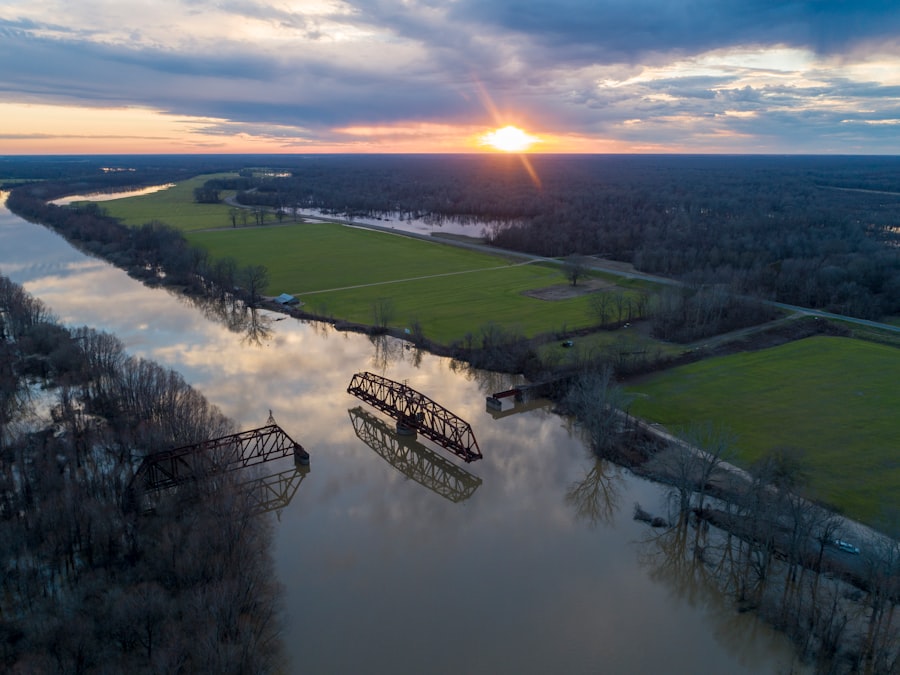
The continued functionality of the Mississippi River as an agricultural transport corridor is not a given; it requires perpetual investment in infrastructure and ongoing maintenance. Locks and dams, dredging operations, and navigational aids are all crucial components that ensure the smooth flow of commerce.
Locks and Dams: Orchestrating the River’s Flow
The system of locks and dams along the Upper Mississippi and its tributaries plays a critical role in maintaining navigable depths and allowing barges to traverse changes in elevation. These engineering marvels, while slowing transit times, are indispensable for extending the navigability of the river far upstream into the agricultural heartland. Their aging infrastructure, however, presents a significant challenge and requires substantial investment for modernization and repair.
Dredging and Channel Maintenance
The river’s natural tendency to deposit sediment necessitates constant dredging to maintain adequate channel depths for large barges. Without regular dredging, sandbars and shoals would impede navigation, disrupting the flow of agricultural goods and increasing transportation costs. This ongoing battle against nature is a hallmark of maintaining the river’s utility as a commercial artery.
Port Facilities: Gateways to Global Markets
Along the Lower Mississippi, particularly in Louisiana, a sophisticated network of export grain terminals stands as the final staging ground for agricultural products before their journey across oceans. These terminals, equipped with massive storage facilities and high-speed loading capabilities, are critical nodes in the global agricultural supply chain. Their efficiency directly impacts the competitiveness of American food exports.
Economic Impact and Global Reach

The Mississippi River’s contribution to the agricultural export economy is not merely logistical; it has profound economic ramifications, reverberating through local communities, national markets, and global trade. It serves as a lifeline for landlocked agricultural regions, connecting them to international demand.
Job Creation and Economic Activity
The entire ecosystem surrounding the Mississippi’s agricultural transport generates significant employment. This includes farmers, barge operators, longshoremen, grain elevator workers, and countless others in supporting industries such as equipment manufacturing and repair. The economic activity spurred by the river’s role is a powerful engine of regional and national prosperity.
Enhancing Global Food Security
By facilitating the efficient and cost-effective movement of vast quantities of food, the Mississippi River plays a direct role in enhancing global food security. American agricultural exports, largely carried by the river, feed millions around the world, mitigating food shortages and stabilizing international markets. Without this fluvial conduit, the global food supply chain would face unprecedented challenges.
Contributing to the U.S. Trade Balance
Agricultural exports represent a significant positive contribution to the U.S. trade balance. The efficiency afforded by the Mississippi River system in moving these commodities to market helps to maintain this competitive advantage. In a complex global economy, the river’s role as a silent, powerful economic driver remains paramount.
The Mississippi River plays a crucial role in the agricultural export economy of the United States, serving as a vital transportation route for goods such as corn, soybeans, and wheat. Recent discussions around the sustainability of this trade route highlight the importance of maintaining the river’s infrastructure and addressing environmental concerns. For a deeper understanding of how the Mississippi River influences agricultural exports, you can read this insightful article on the topic. Check it out here to explore the intricate relationship between the river and the agricultural sector.
Challenges and Future Outlook
| Metric | Value | Unit | Year | Notes |
|---|---|---|---|---|
| Annual Agricultural Export Volume | 120 | Million Metric Tons | 2023 | Includes soybeans, corn, wheat, and cotton |
| Value of Agricultural Exports | 85 | Billion | 2023 | Export value through Mississippi River ports |
| Percentage of US Agricultural Exports via Mississippi River | 60 | Percent | 2023 | Share of total US agricultural exports |
| Top Export Commodity | Soybeans | N/A | 2023 | Largest volume commodity exported |
| Number of Barges Transporting Agricultural Goods | 15,000 | Units per year | 2023 | Estimated annual barge traffic |
| Economic Impact on Regional Economy | 120 | Billion | 2023 | Includes jobs, income, and related industries |
Despite its enduring importance, the Mississippi River system faces a series of challenges that could impact its future efficacy as an agricultural export conduit. Addressing these issues will be crucial for maintaining its vital role.
Aging Infrastructure: A Looming Concern
The advanced age of many locks and dams, some dating back to the 1930s, presents a significant and growing concern. Deterioration and potential failures could lead to costly delays and disruptions in agricultural transport. Modernization projects and consistent funding for maintenance are essential to prevent severe economic consequences.
Climate Change and Hydrological Variability
The impacts of climate change, manifest in more frequent and intense weather events, pose significant threats. Increased flooding can disrupt navigation, while prolonged droughts can lead to dangerously low water levels, both impeding barge traffic. Adapting to these hydrological variabilities will require innovative solutions in river management and infrastructure design.
Competition from Other Transport Modes
While barges remain the most cost-effective for bulk agricultural transport, competition from rail and even, to a lesser extent, trucking persists. Investments in rail infrastructure and efficiency could, in some cases, offer alternative routes, though for sheer volume, the river remains unmatched. Continued investment in port and terminal facilities, as well as waterway maintenance, is critical to maintaining the river’s competitive edge.
Environmental Stewardship
The immense commercial activity on the river must be balanced with robust environmental stewardship. Concerns about water quality, impacts on aquatic ecosystems, and the long-term health of the watershed are paramount. Sustainable practices in agriculture and transportation are increasingly sought to ensure the river remains a healthy and productive resource for generations to come.
In conclusion, the Mississippi River is far more than a geographical feature; it is an economic phenomenon, a logistical marvel, and an indispensable engine of the American agricultural export economy. Its intricate network of waterways, coupled with continuous investment in infrastructure and dedicated economic planning, ensures that the bounty of America’s heartland continues to reach tables worldwide. The challenges it faces are substantial, but the imperative to maintain this vital artery, this silent giant of commerce, remains undiminished. Its waters carry not just crops, but the very economic lifeblood of a nation and a significant portion of the global food supply.
WATCH THIS! 🚨CRACKING: Why America’s $5 Trillion Dam is Failing Right Now
FAQs
What is the significance of the Mississippi River in agricultural exports?
The Mississippi River is a crucial transportation route for agricultural exports in the United States. It serves as a major waterway for shipping crops such as soybeans, corn, and wheat from the Midwest to international markets via the Gulf of Mexico.
Which agricultural products are primarily exported via the Mississippi River?
The primary agricultural products exported through the Mississippi River include soybeans, corn, wheat, rice, and cotton. These commodities are transported by barges to ports where they are loaded onto ocean-going vessels.
How does the Mississippi River support the U.S. agricultural economy?
The river supports the agricultural economy by providing an efficient and cost-effective transportation system. This helps farmers and exporters move large quantities of crops to global markets, enhancing trade opportunities and economic growth in the agricultural sector.
What infrastructure exists along the Mississippi River to facilitate agricultural exports?
The Mississippi River features a network of locks, dams, ports, and terminals designed to handle bulk agricultural shipments. Key ports such as the Port of New Orleans and the Port of South Louisiana are equipped to load grain onto ships for export.
What challenges affect agricultural exports via the Mississippi River?
Challenges include fluctuating water levels, maintenance of locks and dams, weather-related disruptions, and competition from other transportation modes. These factors can impact the efficiency and cost of moving agricultural goods.
How does the Mississippi River impact global food supply?
By enabling the export of large volumes of U.S. agricultural products, the Mississippi River plays a vital role in feeding global populations. It helps maintain steady supplies of staple crops in international markets.
Are there environmental concerns related to agricultural exports on the Mississippi River?
Yes, concerns include water pollution from agricultural runoff, habitat disruption from shipping activities, and the impact of infrastructure development on river ecosystems. Efforts are ongoing to balance economic benefits with environmental protection.
What role do barges play in the Mississippi River agricultural export economy?
Barges are the primary mode of transportation on the river for agricultural goods. They are cost-effective for moving large quantities of bulk commodities and are essential to the export supply chain.
How does the Mississippi River connect to other transportation networks?
The river links to railroads, highways, and inland waterways, creating an integrated transportation system that facilitates the movement of agricultural products from farms to export terminals efficiently.
What economic impact does the Mississippi River agricultural export economy have on local communities?
The export economy supports jobs in farming, transportation, port operations, and related industries. It contributes significantly to the economic vitality of communities along the river corridor.