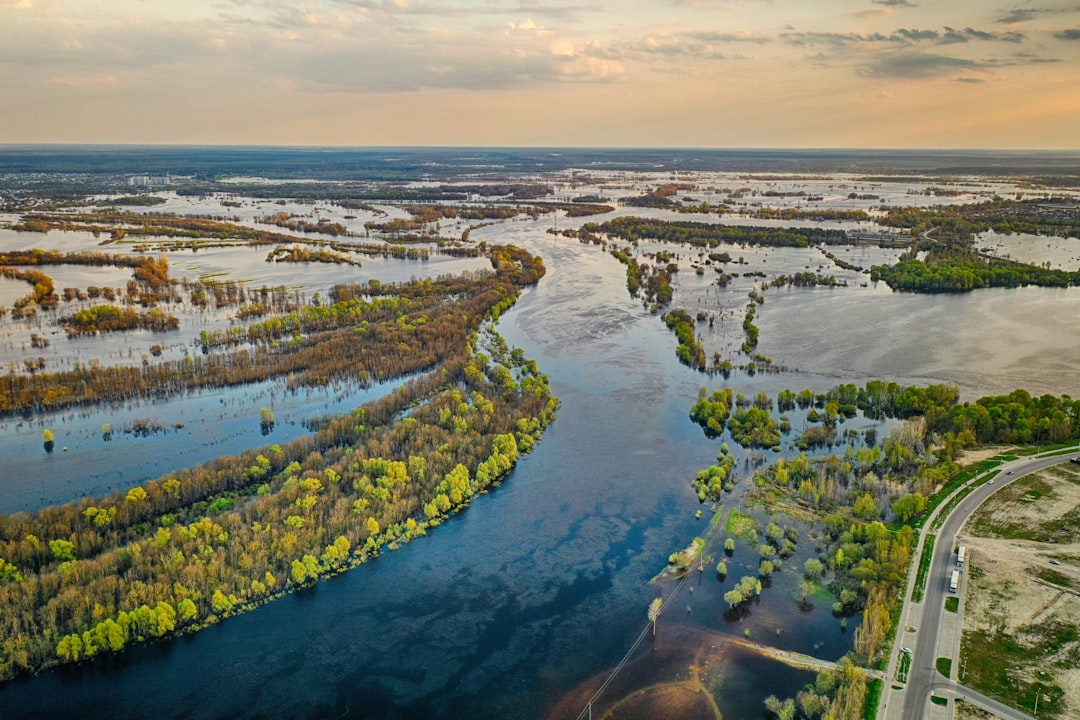
The Mississippi River, a colossal artery of North America, pulsates through the heart of the continent, touching more than a dozen states and providing a lifeline for millions. From its humble beginnings in Lake Itasca, Minnesota, to its grand delta emptying into the Gulf of Mexico, this river serves as a hydrologic behemoth, a transportation corridor, and, critically, a primary source of drinking water for over 18 million people. However, this vital resource faces a growing crisis, a confluence of environmental pressures and human activities that threaten its ability to sustain life and livelihoods. Understanding the intricacies of this challenge is paramount, for the health of the Mississippi directly mirrors the health of the communities it serves.
The sheer scale of the Mississippi’s contribution to human well-being is difficult to overstate. It is not merely a geographic feature but a foundational element of the nation’s infrastructure, supporting agriculture, industry, and municipal services. Yet, the river’s capacity to continue fulfilling these roles is being eroded by centuries of human interaction, many of which have inadvertently polluted and degraded its waters. The recent developments in the Mississippi River infrastructure have significantly improved transportation efficiency.
Agricultural Runoff: A Persistent Problem
One of the most pervasive threats to the Mississippi’s water quality originates from the vast agricultural landscapes that flank its basin. The extensive use of fertilizers and pesticides on farms, while boosting crop yields, has a downstream consequence that ripples through the entire river system.
Nitrogen and Phosphorus Overload
Readers should understand that when heavy rains occur, excess nitrogen and phosphorus, fundamental components of agricultural fertilizers, are washed from fields into smaller tributaries. These tributaries then feed into the larger Mississippi, carrying their burden of nutrients with them. This influx of nutrients acts as a super-fertilizer for aquatic ecosystems, but with detrimental effects. It fuels the rapid growth of algae, a phenomenon known as an algal bloom.
Hypoxia and the Dead Zone
The decomposition of these massive algal blooms consumes vast quantities of dissolved oxygen in the water, a process known as hypoxia. This oxygen depletion makes it impossible for most aquatic life to survive, creating “dead zones.” The most prominent example is the recurring hypoxic zone in the Gulf of Mexico, a direct consequence of agricultural runoff carried by the Mississippi. This annual oceanic wound represents a stark illustration of the river’s compromised health. Imagine, if you will, the river as a conduit, and the nutrients as a poison slowly accumulating at the terminus, choking out life.
Industrial Discharges and Legacy Pollution
Beyond agriculture, industrial activities have historically contributed, and in some cases continue to contribute, to the Mississippi’s water quality woes. While regulations have tightened over the decades, the river still bears the scars of past practices and faces ongoing challenges from current industrial operations.
Persistent Organic Pollutants (POPs)
Historically, industries along the Mississippi discharged a range of chemicals, including PCBs (polychlorinated biphenyls) and DDT (dichlorodiphenyltrichloroethane), which are now recognized as persistent organic pollutants (POPs). These chemicals do not easily break down in the environment and can accumulate in the food chain, posing risks to both aquatic life and humans who consume contaminated fish. Though their use is largely banned, their legacy persists in river sediments, acting as a slow-release contamination capsule.
Emerging Contaminants
In the present day, a new set of challenges arises from “emerging contaminants,” a broad category that includes pharmaceuticals, personal care products, and industrial chemicals. These substances, often discharged in treated or untreated wastewater, are not always captured by conventional water treatment processes and their long-term effects on ecosystems and human health are still being fully understood. Their subtle presence is like a whisper in the water, easily overlooked but potentially insidious.
The Mississippi River drinking water crisis has raised significant concerns about the safety and quality of water for millions of residents. For a deeper understanding of the ongoing challenges and potential solutions related to this issue, you can read the article titled “Navigating the Mississippi River Water Quality Crisis” on MyGeoQuest. This article provides insights into the factors contributing to the crisis and explores various strategies being implemented to ensure safe drinking water for communities along the river. For more information, visit this link.
The Impact on Drinking Water Quality and Public Health
For the millions who rely on the Mississippi River for their drinking water, the accumulation of pollutants represents a tangible and immediate threat. Water treatment plants along the river work diligently to purify its waters, but the increasing burden of contaminants significantly complicates their task and raises concerns about the complete removal of all harmful substances.
Challenges for Water Treatment Plants
Water treatment facilities face a constant battle against the diverse array of pollutants flowing through the river. The presence of agricultural nutrients, industrial chemicals, and emerging contaminants necessitates sophisticated and often costly treatment processes.
Algal Toxins
The increased frequency and intensity of algal blooms in the Mississippi and its tributaries pose a direct threat to drinking water. Certain types of algae produce toxins, known as cyanotoxins, which are harmful to humans and can cause liver damage, neurological problems, and skin irritation. Removing these toxins requires specialized treatment techniques, adding complexity and expense to the water purification process. Imagine the water treatment plant as a frontline defender, constantly adapting its weaponry to fight an ever-evolving enemy.
Disinfection Byproducts (DBPs)
Another significant concern arises during the disinfection stage of water treatment. When disinfectants, such as chlorine, react with organic matter present in the raw river water (including decaying algae and other natural organic materials), they can form disinfection byproducts (DBPs). Some DBPs are known carcinogens and are regulated by environmental agencies. The higher the organic load in the raw water, the greater the potential for DBP formation, presenting a difficult balancing act for water utilities.
Socioeconomic and Equity Considerations
The drinking water crisis in the Mississippi River basin is not merely an environmental problem; it also carries significant socioeconomic and equity dimensions. Vulnerable communities, often those with limited resources, may bear a disproportionate burden of the associated health risks and economic costs.
Infrastructure Disparities
Smaller, rural communities along the river often lack the financial resources to upgrade their water treatment infrastructure to effectively manage increasingly complex contamination issues. This can lead to disparities in water quality, with some residents having access to safer drinking water than others. The very lifeline of these communities can become a source of inequity.
Health Disparities
Chronic exposure to low levels of certain contaminants in drinking water can contribute to long-term health problems. If marginalized communities consistently receive less thoroughly treated water due to infrastructure limitations, this could exacerbate existing health disparities and create new ones.
Climate Change: An Amplifying Factor
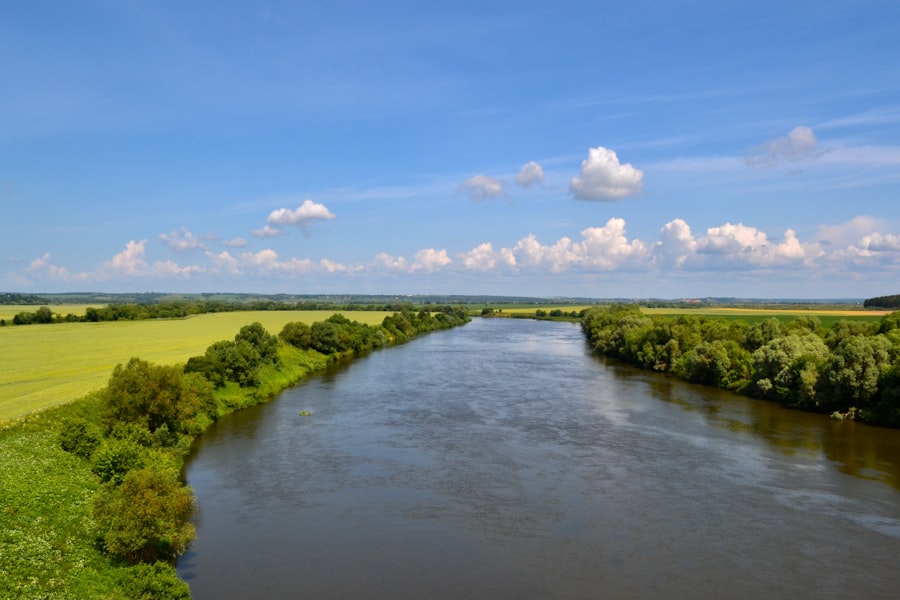
The ongoing crisis in the Mississippi River is not occurring in a vacuum. Climate change is acting as an amplifying factor, exacerbating existing problems and introducing new complexities to the challenge of providing safe drinking water.
Increased Precipitation and Runoff
Scientific projections indicate that many parts of the Mississippi River basin will experience more frequent and intense precipitation events. These heavier rainfalls will lead to increased agricultural runoff, flushing even greater quantities of nutrients and pesticides into the river system.
Elevated Sediment Loads
Beyond nutrient pollution, heavy rainfall also increases erosion, leading to higher sediment loads in the river. This sediment can carry adsorbed pollutants, making water treatment more difficult and potentially leading to turbidity issues that affect water clarity and aesthetic quality. Consider the river as a conduit, and heavy rains as a powerful broom, sweeping more and more unwanted elements into its flow.
Drought and Low Flows
Conversely, other regions within the basin may experience increased drought conditions and lower river flows. Low flow events concentrate pollutants, making the existing contamination more potent. Furthermore, during periods of drought, communities may be forced to draw water from alternative, potentially lower-quality, sources or implement water restrictions. This dual threat of extreme wet and extreme dry conditions presents a complex management challenge.
A Path Forward: Solutions and Strategies
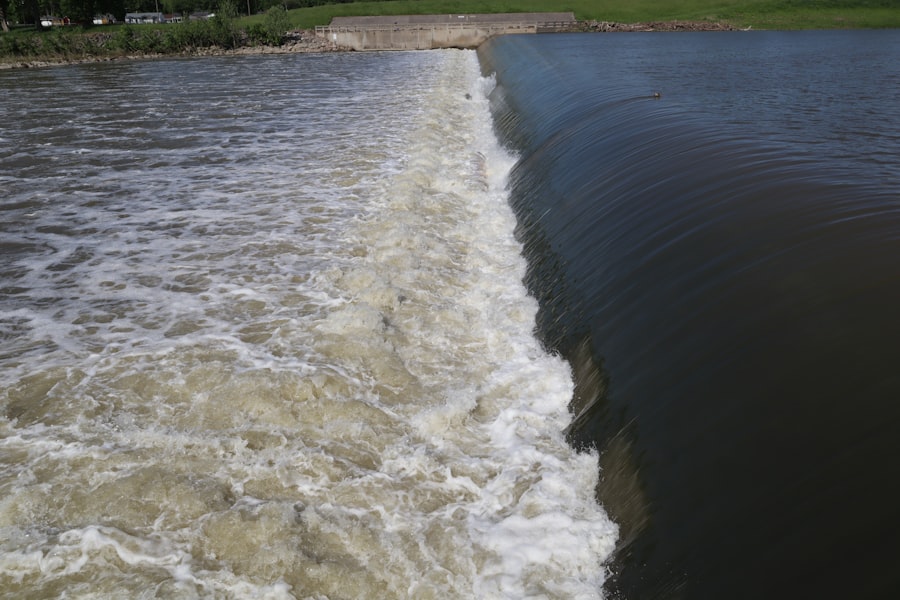
Addressing the Mississippi River’s drinking water crisis requires a multi-faceted and collaborative approach involving government agencies, agricultural stakeholders, industries, and individual citizens. There is no single silver bullet, but rather a tapestry of interconnected solutions.
Source Water Protection
Perhaps the most effective long-term strategy is to prevent pollutants from entering the river in the first place through robust source water protection initiatives. This involves a comprehensive approach to land management and pollution prevention throughout the entire watershed.
Best Management Practices (BMPs) in Agriculture
Encouraging and incentivizing farmers to adopt Best Management Practices (BMPs) is critical. These practices include precision agriculture (applying fertilizers only where and when needed), cover cropping (planting non-cash crops to reduce erosion and nutrient runoff), riparian buffers (planting vegetation along streambanks to filter runoff), and improved manure management. These are the defensive walls against pollution at its source.
Wastewater Infrastructure Upgrades
Investing in modernizing and upgrading municipal wastewater treatment plants along the river is essential. This includes improving technologies for removing emerging contaminants and minimizing disinfection byproduct formation.
Investing in Water Treatment Technology
While source water protection is paramount, water treatment will always be a necessary line of defense. Continued investment in advanced water treatment technologies is crucial for ensuring safe drinking water.
Advanced Oxidation Processes (AOPs)
Newer technologies, such as advanced oxidation processes (AOPs), are proving effective at breaking down a wide range of contaminants, including complex organic compounds and emerging contaminants that traditional methods may miss.
Membrane Filtration
Membrane filtration technologies, including reverse osmosis and nanofiltration, offer highly effective removal of particulates, microorganisms, and dissolved solids, providing a robust barrier against many pollutants. These technologies act as increasingly fine sieves, catching even the smallest impurities.
Policy and Regulatory Frameworks
Strong and consistently enforced environmental policies and regulatory frameworks are the backbone of any successful effort to protect the Mississippi River. These frameworks must be adaptable to new scientific understanding and evolving environmental challenges.
Integrated Water Resource Management
Adopting an integrated water resource management approach recognizes the interconnectedness of surface water and groundwater and manages them holistically, rather than as separate entities. This ensures a more comprehensive and sustainable approach to water stewardship. Think of it as moving beyond a piecemeal strategy to a symphony of coordinated actions.
Cross-Jurisdictional Collaboration
Given the vastness of the Mississippi River basin, effective solutions require unprecedented collaboration among states, federal agencies, and tribal nations. Collaborative planning, data sharing, and resource allocation are essential to addressing a problem that transcends political boundaries. The river knows no state lines, and our solutions must reflect that reality.
The Mississippi River, a testament to nature’s power and a cradle of civilization, faces an existential test. Its capacity to provide clean drinking water, a fundamental human right, is increasingly challenged by a complex interplay of human activities and environmental changes. The decisions made today, the investments undertaken, and the collaborations fostered will determine the fate of this majestic river and the millions of lives it sustains. The health of the Mississippi is not merely an environmental concern; it is a human imperative.
WATCH THIS! 🚨CRACKING: Why America’s $5 Trillion Dam is Failing Right Now
FAQs
What is the Mississippi River drinking water crisis?
The Mississippi River drinking water crisis refers to the contamination and pollution issues affecting the river, which serves as a primary source of drinking water for millions of people. This crisis involves the presence of harmful pollutants such as agricultural runoff, industrial waste, and harmful algal blooms that compromise water quality and safety.
What are the main causes of the Mississippi River drinking water crisis?
The main causes include agricultural runoff containing fertilizers and pesticides, industrial discharges, untreated sewage, and urban stormwater runoff. These pollutants contribute to nutrient overloads, leading to harmful algal blooms and the presence of toxins in the water supply.
How does the crisis affect public health?
Contaminated drinking water can lead to a range of health issues, including gastrointestinal illnesses, neurological disorders, and long-term chronic diseases. Exposure to toxins from harmful algal blooms, such as microcystins, can be particularly dangerous, especially for vulnerable populations like children and the elderly.
Which areas are most affected by the Mississippi River drinking water crisis?
Communities along the Mississippi River, especially those relying directly on the river for their drinking water, are most affected. This includes cities and towns in states such as Minnesota, Wisconsin, Iowa, Illinois, Missouri, Kentucky, Tennessee, Arkansas, Mississippi, and Louisiana.
What measures are being taken to address the crisis?
Efforts to address the crisis include improving wastewater treatment infrastructure, implementing better agricultural practices to reduce runoff, monitoring water quality more rigorously, and increasing public awareness. Federal and state agencies are also working on regulations and funding to mitigate pollution sources.
Can individuals do anything to help improve the Mississippi River water quality?
Yes, individuals can help by reducing the use of fertilizers and pesticides on their property, properly disposing of household chemicals, supporting local conservation efforts, and advocating for stronger environmental protections and water quality standards.
Is the Mississippi River water safe to drink currently?
Water safety varies by location and time, depending on pollution levels and treatment effectiveness. Many municipal water systems treat river water to meet safety standards, but occasional contamination events can pose risks. It is important to stay informed through local water quality reports and advisories.
What role does agriculture play in the Mississippi River drinking water crisis?
Agriculture is a significant contributor to the crisis due to runoff containing nitrogen and phosphorus from fertilizers and animal waste. These nutrients promote excessive algae growth, which can produce toxins harmful to human health and complicate water treatment processes.
How does climate change impact the Mississippi River drinking water crisis?
Climate change can exacerbate the crisis by increasing the frequency and intensity of heavy rainfall events, leading to more runoff and pollution entering the river. Warmer temperatures also promote the growth of harmful algal blooms, further degrading water quality.
Where can I find more information about the Mississippi River drinking water crisis?
Reliable information can be found through government agencies such as the Environmental Protection Agency (EPA), the U.S. Geological Survey (USGS), state environmental departments, and reputable environmental organizations focused on water quality and conservation.