
The Mississippi River, a colossal artery of commerce for the United States, has recently experienced significant disruptions that are sending ripples through the global agricultural market. Not only is this transportation superhighway a vital link for domestic distribution, but it also serves as a critical conduit for exporting American grain to feed the world. When this vital waterway falters, the consequences are felt far beyond the riverbanks, impacting the livelihoods of farmers, the stability of food prices, and the intricate web of international trade.
The primary catalyst for the recent disruptions has been a prolonged period of exceptionally low water levels on the Mississippi River. This natural phenomenon, exacerbated by drought conditions in key upstream regions, has transformed the once mighty river into a more shallow and sluggish stream. Imagine a six-lane highway with significant portions of lanes closed due to construction – that is precisely the situation unfolding on the Mississippi, albeit on a much grander scale.
Drought as a Precursor
The scarcity of rainfall in the Upper Mississippi River basin and its tributaries has been the root cause of the declining water levels. Months of below-average precipitation have starved the river of its usual replenishment, leading to a gradual but consistent decrease in its depth and width. This drought is not an isolated incident but rather part of a larger pattern of increasingly erratic weather systems, a chilling testament to the growing unpredictability of our climate.
Barges Grounded and Capacities Reduced
The direct impact of these low water levels is the inability of fully loaded barges to navigate the river safely. Barges, the workhorses of the Mississippi River transportation system, are designed to operate within a specific draft, or how deeply they sit in the water. As the riverbed becomes more exposed, barges risk grounding on submerged obstacles, leading to costly delays, potential damage, and the necessity of reducing cargo loads. This reduction in capacity is akin to a cargo ship being forced to leave half its containers at port – a direct loss of potential revenue and efficiency.
The Economic Calculus of Reduced Tonnage
Each barge on the Mississippi can carry the equivalent of approximately 60 truckloads of grain. When barges cannot be fully loaded, the ripple effect is immediate and significant. Farmers and grain elevators are left with a surplus of grain that cannot be moved efficiently to export terminals. This not only ties up capital but also creates storage pressure and can force farmers to sell at lower prices due to market gluts. The economic calculus here is stark: less cargo moved equals less revenue generated throughout the entire supply chain.
Navigational Channels Navigating Uncertainty
The United States Army Corps of Engineers plays a crucial role in maintaining the navigational channels of the Mississippi River. They employ dredging operations to remove sediment and ensure a minimum depth for commercial traffic. However, even with continuous dredging, the sheer scale of the low water problem has put immense strain on these efforts. Dredging becomes a Sisyphean task when the river’s natural inflow is insufficient to counteract evaporation and reduced discharge.
The Limits of Dredging
While dredging can provide temporary relief by deepening critical sections of the channel, it is not a permanent solution to a system-wide water deficit. The cost of maintaining adequate depths becomes astronomical, and the effectiveness of dredging is diminished when the river’s overall volume is so low. The Corps is essentially trying to bail out a sinking ship with a teacup when the water is receding at an alarming rate.
Recent disruptions along the Mississippi River have raised concerns about U.S. grain exports, as the river serves as a crucial artery for transporting agricultural products. The article on MyGeoQuest discusses the implications of these disruptions on the supply chain and the potential economic impact on farmers and exporters. For more in-depth analysis, you can read the article here: MyGeoQuest.
Bottlenecks at Export Terminals: The Damming of a Flow
The Mississippi River’s disruption has created significant bottlenecks at the crucial export terminals, particularly along the Gulf Coast. These facilities are designed to efficiently receive grain from barges and load it onto massive ocean-going vessels bound for international markets. When the flow of barges is reduced and delayed, these terminals operate at a fraction of their capacity, creating a massive backlog of grain waiting to be shipped.
Reduced Barge Traffic, Reduced Elevator Throughput
The most direct consequence of fewer navigable barges is a reduced throughput at grain elevators and export facilities. These operations are engineered for a steady stream of supply. When that stream becomes a trickle, the machinery sits idle, workers are underutilized, and the entire logistical machinery grinds to a halt. This is akin to a restaurant having all its tables set but no food to serve the waiting patrons.
The Imbalance of Supply and Demand
This reduced flow creates a stark imbalance between the supply of grain at the farm gate and the demand from overseas buyers. The United States is a major player in the global grain market, accounting for a substantial portion of the world’s corn, soybean, and wheat exports. When this supply chain falters, it creates vacuums that other exporting nations may struggle to fill, leading to price volatility and potential food security concerns in importing countries.
Ocean Vessel Detentions and Increased Shipping Costs
The ripple effect extends to the ocean-going vessels waiting to be loaded. With grain taking longer to reach the terminals, these vessels face significant demurrage charges – fees incurred for delays beyond the agreed-upon loading time. This adds a substantial cost to the export process, which is often passed on to the end consumer. The frustration for shipping companies is palpable, as their expensive assets are rendered immobile due to upstream logistical failures.
The Competitive Disadvantage for US Exporters
The increased shipping costs and extended timelines associated with Mississippi River disruptions place American grain exporters at a competitive disadvantage. Buyers in international markets will inevitably look for more reliable and cost-effective sources of supply. This could lead to a long-term erosion of market share for US agricultural products, a significant blow to the US balance of trade.
Impact on Global Food Prices and Security: A Global Tremor
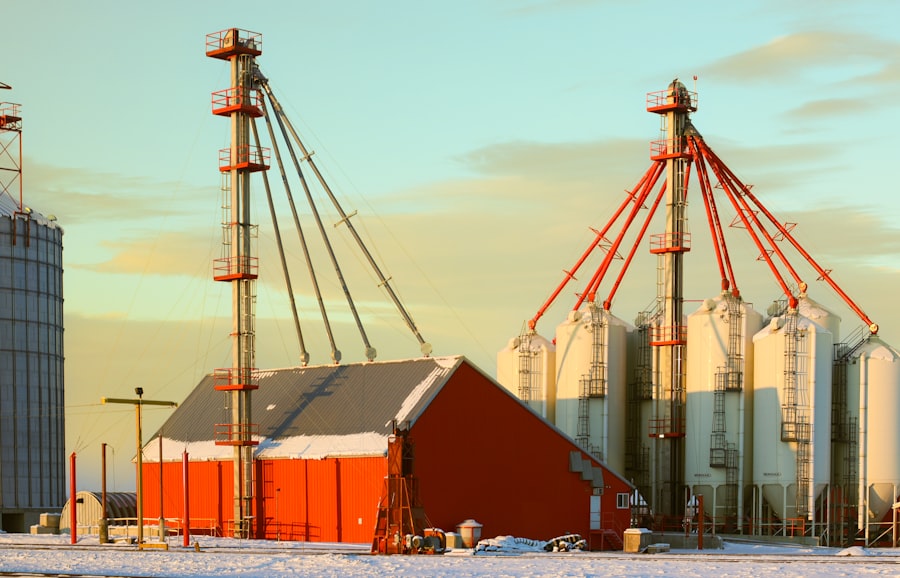
The United States’ role as a leading agricultural exporter means that disruptions to its supply chain have far-reaching implications for global food prices and security. The Mississippi River acts as a thermometer for the world’s grain supply, and when it overheats with problems, the global market feels the heat.
Volatility in Commodity Markets
The uncertainty surrounding the availability and timely delivery of US grain directly contributes to volatility in global commodity markets. Futures prices for corn, soybeans, and wheat can fluctuate wildly as traders and consumers react to news of barge delays, water levels, and export restrictions. This unpredictability makes it difficult for businesses in the food sector to plan and can lead to a cascade of price increases throughout the food value chain.
The Producer’s Gamble
Farmers, who operate on tight margins, are particularly vulnerable to this price volatility. They invest heavily in seed, fertilizer, and labor with the expectation of a certain return. When unforeseen disruptions to export markets occur, these returns can be significantly diminished, putting their farms at risk. It is a gamble where the dice are heavily influenced by factors beyond their control.
Food Security Concerns in Importing Nations
For many developing nations, dependable access to affordable imported grains is critical for food security. When major agricultural exporters like the United States experience export disruptions, these nations can face shortages and rising prices, potentially leading to increased hunger and malnutrition. The Mississippi River, in this context, is not just a commercial waterway but a lifeline for millions around the world.
The Interconnectedness of the Global Food System
This situation underscores the profound interconnectedness of the global food system. A natural event in the heartland of America can have a direct impact on the dinner plates of families thousands of miles away. The Mississippi River disruption serves as a stark reminder that the stability of our agricultural exports is a matter of global importance.
Farmers Bearing the Brunt: The Unseen Cost of the Crisis
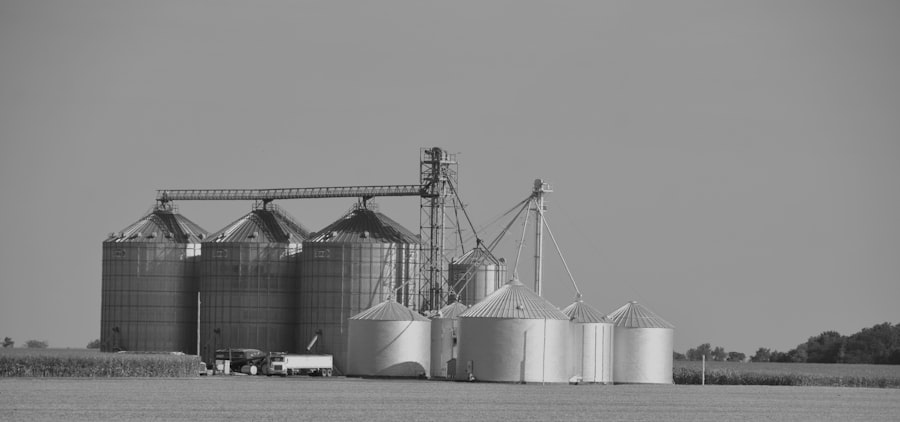
While the headlines often focus on the international market implications, it is the American farmer, the bedrock of this agricultural powerhouse, who often bears the brunt of these logistical nightmares. They are the first to feel the squeeze when their harvest cannot reach its intended destination.
Storage Challenges and Shrinking Margcoffers
With limited export capacity, farmers are increasingly faced with the challenge of storing their harvested grain. Many may not have adequate on-farm storage, forcing them to rely on commercial elevators which can fill up quickly. This not only incurs additional costs for storage but also ties up capital that could otherwise be used for planting future crops or investing in farm improvements. The grain sits, an unsold asset, slowly eroding the farmer’s financial stability.
The Deterioration of Stored Grain
Furthermore, prolonged storage can lead to grain deterioration, affecting its quality and market value. This is particularly concerning for crops like corn, which can be susceptible to spoilage if not stored properly. The farmer’s hard work and investment are at risk of diminishing in value while sitting in silos.
Reduced Purchasing Power and Farm Investment
The inability to sell grain at optimal times and prices directly impacts farmers’ purchasing power. They may be forced to delay or forgo essential farm investments, such as purchasing new equipment, seeds, or fertilizers for the next planting season. This can create a downward cycle, impacting the long-term viability of their farms and the overall productivity of American agriculture.
The Long-Term Health of Rural Communities
The economic health of individual farms is intrinsically linked to the vitality of rural communities. When farmers struggle, local businesses, suppliers, and service providers also suffer. The Mississippi River disruption, therefore, has a tangible impact on the economic fabric of vast swathes of middle America.
Recent disruptions along the Mississippi River have raised concerns about the impact on U.S. grain exports, as the river serves as a vital transportation route for agricultural products. The challenges faced by shipping companies could lead to delays and increased costs, affecting farmers and the broader economy. For a deeper understanding of the implications of these disruptions, you can read a related article that explores the situation in detail. To learn more, visit this informative article.
Solutions and Resilience: Charting a Course Forward
| Metric | Value | Unit | Notes |
|---|---|---|---|
| Average Daily Grain Export Volume | 1.2 | Million Metric Tons | Pre-disruption average via Mississippi River |
| Duration of Disruption | 10 | Days | Period of significant navigation blockage |
| Estimated Export Volume Loss | 8 | Million Metric Tons | Grain exports delayed or lost due to disruption |
| Impact on Export Prices | 5 | Percent Increase | Price increase due to supply chain constraints |
| Alternative Transport Usage Increase | 30 | Percent | Increase in rail and truck shipments during disruption |
| Mississippi River Grain Export Share | 60 | Percent | Share of total US grain exports via Mississippi River |
Addressing the ongoing disruptions on the Mississippi River requires a multi-faceted approach that acknowledges both immediate needs and long-term solutions. The goal is not just to weather the current storm but to build a more resilient agricultural supply chain for the future.
Investing in Infrastructure and Water Management
Long-term solutions must include significant investments in repairing and upgrading aging infrastructure along the Mississippi River, including locks and dams. Furthermore, more comprehensive water management strategies are needed to address drought conditions and ensure adequate water flow during critical periods. This could involve exploring innovative water conservation techniques upstream and improving the efficiency of water usage in agriculture itself.
The Importance of a Sustainable Water Future
A sustainable water future for the Mississippi River is paramount. This requires a delicate balance between the needs of navigation, agriculture, ecosystems, and human consumption. It demands a holistic approach that considers the entire watershed, not just the immediate impact on a single waterway.
Diversifying Transportation Options
While the Mississippi River is a cost-effective mode of transport for grain, over-reliance on a single channel can be a vulnerability. Exploring and investing in alternative transportation methods, such as expanding rail capacity and improving road infrastructure leading to alternative ports, can provide crucial backup options during river disruptions. This is akin to having multiple escape routes planned in case of an emergency.
The Strategic Advantage of Redundancy
Redundancy in transportation infrastructure is not an extravagance but a strategic necessity. It allows for greater flexibility and resilience when faced with unexpected challenges. The current situation highlights the limitations of a system heavily dependent on one primary artery.
Climate Change Adaptation and Mitigation
Ultimately, the increased frequency and intensity of extreme weather events, including droughts, are linked to climate change. Addressing the root causes of these climate-related issues through mitigation and adaptation strategies is crucial for long-term agricultural stability. This involves a global commitment to reducing greenhouse gas emissions and developing agricultural practices that are more resilient to changing environmental conditions.
Acknowledging the Bigger Picture
Ignoring the broader implications of climate change in addressing agricultural supply chain disruptions would be akin to treating a symptom while ignoring the underlying disease. The Mississippi River’s struggles are a powerful indicator of a larger environmental challenge that demands our collective attention and action. The future of American grain exports, and indeed global food security, depends on our ability to adapt and mitigate these pressing environmental realities.
WATCH NOW ▶️ SHOCKING: Mississippi: The $12 Trillion Lie Revealed
FAQs
What caused the disruption to grain exports on the Mississippi River?
The disruption to grain exports on the Mississippi River was caused by factors such as severe weather conditions, infrastructure issues, or logistical challenges affecting river navigation and port operations.
How does the Mississippi River impact U.S. grain exports?
The Mississippi River is a critical transportation route for U.S. grain exports, enabling efficient movement of large quantities of corn, soybeans, and other grains from inland farms to international markets via Gulf Coast ports.
Which types of grains are most affected by the Mississippi River disruption?
Corn and soybeans are the primary grains affected by disruptions on the Mississippi River, as they constitute the majority of U.S. grain exports transported through this waterway.
What are the potential economic impacts of the Mississippi River disruption on grain exports?
Disruptions can lead to delays in shipments, increased transportation costs, reduced export volumes, and potential losses for farmers and exporters, which may also affect global grain supply and prices.
What measures are being taken to address the Mississippi River grain export disruption?
Authorities and industry stakeholders may implement measures such as dredging to improve navigation, adjusting shipping schedules, utilizing alternative transportation routes, and coordinating with port operators to mitigate the disruption’s impact.