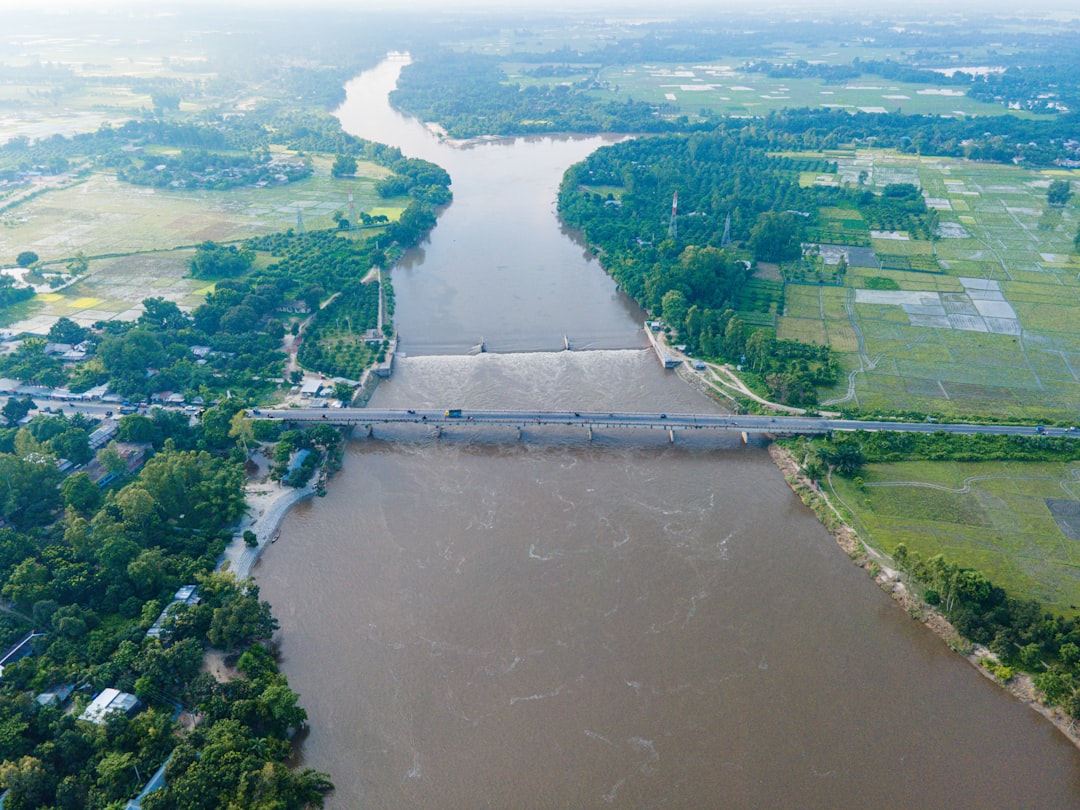
The Mississippi River, a colossal artery of North America, embodies a crucial case study in the escalating challenge of compound climate events. This intricate network of waterways, stretching over 2,300 miles from its Minnesota headwaters to the Gulf of Mexico, is not merely a conduit for water; it is a complex ecological, economic, and social system perpetually interacting with an evolving climate. Understanding the Mississippi’s vulnerability to these synergistic climate phenomena is paramount for informed policy-making and resilient community planning.
The Mississippi River basin, encompassing over 40% of the continental United States, is a stage upon which multiple climate stressors converge. Unlike isolated weather events, compound climate events arise when two or more extreme weather or climate phenomena occur simultaneously or in close succession, or when their combined impacts are significantly greater than the sum of their individual effects. For the Mississippi, this often manifests as a cruel duality: excessive precipitation leading to floods, followed by prolonged droughts that deplete water resources. The recent developments in the Mississippi River infrastructure have significantly improved transportation efficiency.
Increased Precipitation and Flash Floods
Over recent decades, a discernable trend of increased precipitation has emerged across portions of the Mississippi River basin, particularly in the upper and middle sections. This shift in rainfall patterns is a direct consequence of a warming atmosphere’s enhanced capacity to hold moisture.
Atmospheric Rivers and Their Influence
Atmospheric rivers, narrow bands of concentrated moisture in the atmosphere, play a significant role in delivering intense precipitation to the basin. When these moisture plumes collide with favorable meteorological conditions, they can unleash torrents of rain, often exceeding the absorption capacity of the land.
Urbanization and Impervious Surfaces
The expansion of urban centers throughout the basin has exacerbated flood risks. Impervious surfaces, such as roads and buildings, prevent rainwater from infiltrating the ground, leading to rapid runoff and increased flood peaks. This urban hydrological modification effectively shortens the “response time” of the river system to heavy rainfall.
Prolonged Droughts and Water Scarcity
Conversely, the Mississippi has also experienced periods of severe and prolonged drought, particularly in its lower basin. These droughts represent the flip side of the basin’s climate coin, posing equally devastating challenges.
Agricultural Impacts and Irrigation Demands
Agriculture, a cornerstone of the basin’s economy, is profoundly affected by drought. Farmers, heavily reliant on the Mississippi and its tributaries for irrigation, face significant crop losses, threatening food security and regional economies. The increased demand for irrigation water during dry spells places additional stress on already dwindling reserves.
Navigation Challenges and Economic Disruptions
Low water levels caused by drought impede navigation, a vital economic activity on the Mississippi. Barges, carrying billions of dollars worth of commodities annually, require sufficient draft to operate. When water levels drop, barges must reduce their cargo or cease operations altogether, leading to substantial economic losses and supply chain disruptions.
Recent studies have highlighted the increasing frequency of compound climate events affecting the Mississippi River, emphasizing the need for comprehensive management strategies. For a deeper understanding of how these events interact and impact the region, you can read a related article that discusses the implications of climate change on river ecosystems and flood risks. For more information, visit this article.
The Ripple Effect: Ecosystem and Infrastructure Impacts
The interplay of floods and droughts creates a complex web of ripple effects that extend far beyond the immediate hydrological challenges. Both extremes exert significant pressure on the Mississippi’s diverse ecosystems and critical infrastructure.
Ecosystem Disruption and Biodiversity Loss
The delicate balance of the Mississippi’s ecosystems is particularly vulnerable to compound climate events. The abrupt shifts between deluge and drought can fundamentally alter habitats and threaten species survival.
Wetland Degradation and Habitat Alteration
Wetlands, natural filters and flood buffers, are severely impacted. During floods, excessive sedimentation can smother vegetation, while during droughts, desiccation can destroy critical breeding grounds and nursery areas for fish and wildlife. This loss of wetland function reduces the river’s natural resilience.
Fish Migration and Spawning Impairment
Fish species, many of which are migratory, rely on specific flow regimes for spawning and larval development. Floods can disorient fish and scour spawning beds, while droughts can block migration routes and concentrate pollutants, leading to fish kills. The overall reproductive success of many species is thus compromised.
Infrastructure Vulnerability and Resilience Challenges
The vast network of infrastructure along the Mississippi, built to manage and harness its power, is increasingly at risk from these extreme events. Engineers and planners face the formidable task of designing and maintaining systems that can withstand both unprecedented floods and chronic water scarcity.
Levee Systems and Floodwall Strain
Levee systems, a primary defense against flooding, are put under immense strain during prolonged high-water events. Saturation of levee foundations can lead to instability, while overtopping can result in catastrophic breaches. Repeated stress from fluctuating water levels accelerates their degradation.
Port Facilities and Transportation Networks
Port facilities and associated transportation networks are directly impacted by water level fluctuations. Docks designed for specific water elevations become inaccessible during floods or droughts, disrupting cargo handling and logistics. Roads and rail lines along the river are also vulnerable to inundation during high water and subsidence during prolonged dry periods.
Socioeconomic Vulnerabilities and Disparities
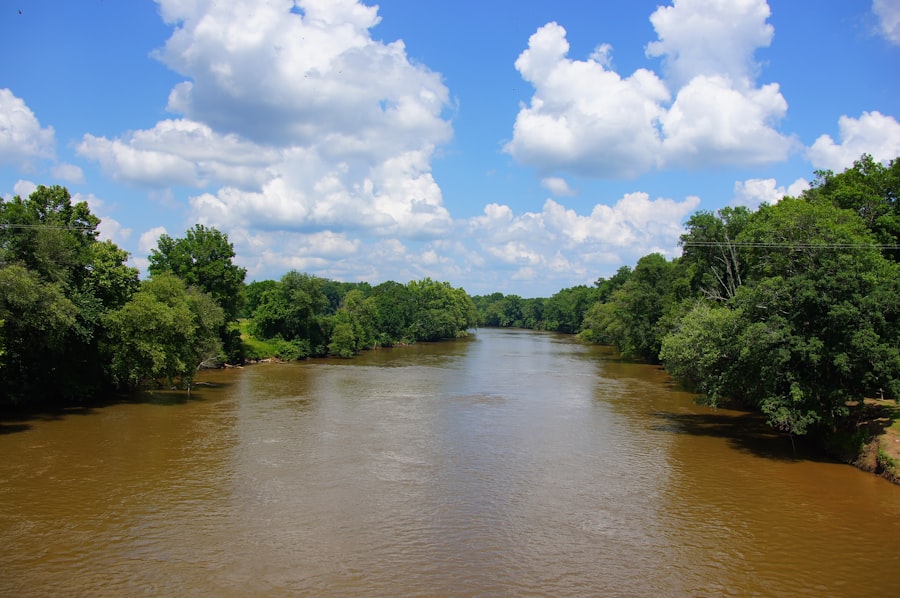
The impacts of compound climate events on the Mississippi River are not uniformly distributed. Existing socioeconomic disparities exacerbate the vulnerabilities of certain communities and populations. The river, a metaphor for life and sustenance, can also become a source of immense hardship.
Disproportionate Impacts on Low-Income Communities
Low-income communities, often situated in floodplains due to historical land-use patterns and lower property values, bear a disproportionate burden during flood events. These communities frequently have limited resources for recovery and relocation.
Access to Resources and Emergency Services
During extreme weather events, low-income communities often face challenges in accessing critical resources such as clean water, temporary housing, and emergency healthcare. Evacuation plans can be difficult to implement without reliable transportation or alternative accommodation options.
Long-Term Economic Recovery and Displacement
The economic fallout from floods and droughts can be devastating for these communities, leading to job losses, business closures, and long-term displacement. The cycle of poverty can be reinforced as recovery efforts are slow and inadequate.
Agricultural Sector and Farmer Resilience
The agricultural sector, the economic backbone of many rural communities in the basin, is particularly exposed to the vagaries of compound climate events. Farmers, often operating on tight margins, face significant financial risks.
Crop Failure and Income Instability
Consecutive years of crop failure due to floods or droughts can lead to severe income instability for farmers. Without adequate insurance or government support, these events can push farms into bankruptcy, with cascading impacts on local economies.
Mental Health Impacts and Stress
The chronic stress associated with managing weather-related risks, coupled with the financial pressures of unpredictable harvests, can have significant mental health impacts on farmers and their families. The future of generational farming is increasingly uncertain.
Adapting to a Changing River: Strategies for Resilience
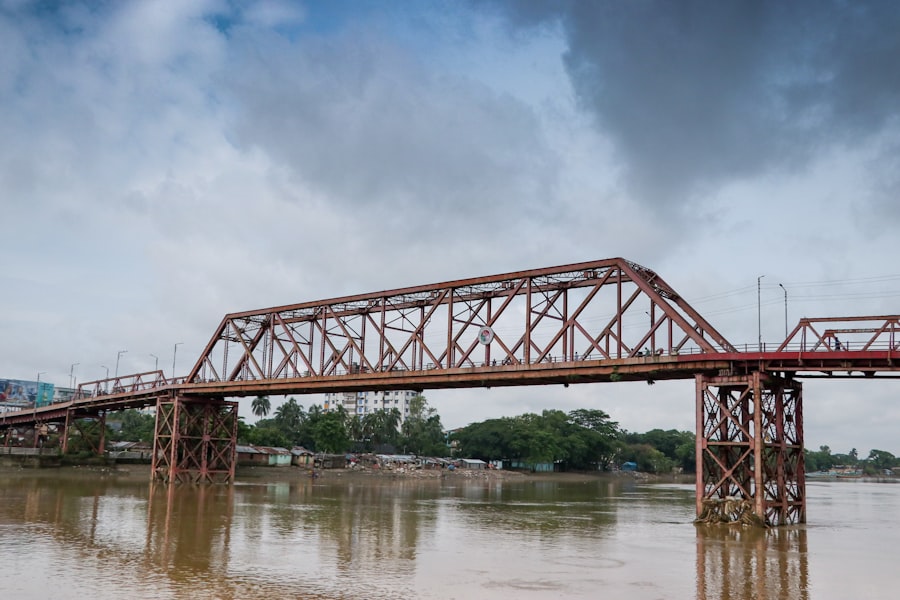
Addressing the complexities of compound climate events on the Mississippi River requires a multi-faceted and adaptive approach. Ignoring the river’s changing behavior is no longer an option; we must learn to dance with the river, not against it.
Integrated Water Management Approaches
Moving beyond fragmented approaches to water management is crucial. An integrated strategy considers the entire basin as a single hydrological unit, recognizing the interconnectedness of upstream and downstream impacts.
Natural Infrastructure and Green Solutions
Investing in natural infrastructure, such as wetland restoration, reforestation, and permeable pavement, can significantly enhance the basin’s resilience. These “green” solutions not only mitigate flooding and drought impacts but also provide numerous co-benefits, including improved water quality and enhanced biodiversity.
Demand-Side Management and Water Conservation
Implementing robust demand-side management strategies, particularly in agricultural and industrial sectors, is vital during periods of drought. Promoting water-efficient irrigation technologies and incentivizing conservation practices can reduce overall water consumption.
Advanced Forecasting and Early Warning Systems
Improved data collection, modeling, and forecasting capabilities are essential for providing timely warnings and enabling proactive responses to impending climate extremes.
Real-Time Monitoring and Data Integration
Deploying an extensive network of real-time sensors for precipitation, river levels, and soil moisture throughout the basin can provide critical data for operational decisions. Integrating this data with satellite imagery and historical records offers a more comprehensive picture.
Public Communication and Community Engagement
Effective communication of early warnings to affected communities is paramount. This includes utilizing diverse communication channels and ensuring that messages are clear, actionable, and accessible to all demographic groups, particularly those with limited resources.
Policy Frameworks and Governance Mechanisms
Robust policy frameworks and effective governance mechanisms are the bedrock of any successful adaptation strategy. These must be flexible enough to respond to scientific advancements and evolving climatic conditions.
Interstate Cooperation and Regional Planning
Given the trans-state nature of the Mississippi, interstate cooperation and regional planning are indispensable. Collaborative efforts to develop shared water management strategies, flood control measures, and drought mitigation plans are essential. The river, after all, recognizes no political boundaries.
Funding Mechanisms and Investment in Resilience
Securing sustained funding for infrastructure upgrades, natural infrastructure projects, and research initiatives is critical. Governments, private entities, and international organizations must prioritize investment in resilience-building measures to protect the economic and social vitality of the basin.
The Mississippi River, historically a symbol of American resilience and prosperity, now stands as a stark reminder of the global climate challenge. Its story, a narrative of floods and droughts, of ecological stress and economic strain, is a microcosm of the planetary struggle against climate change. By understanding and proactively addressing the complexities of compound climate events in this vital river basin, we can forge a more resilient future, not just for the Mississippi, but for other river systems around the world facing similar pressures. The lessons learned here can serve as a blueprint for adaptation, demonstrating that collaboration, innovation, and a fundamental shift in our relationship with natural systems are not merely aspirations but necessities.
WATCH THIS! 🚨CRACKING: Why America’s $5 Trillion Dam is Failing Right Now
FAQs
What are compound climate events in the context of the Mississippi River?
Compound climate events refer to the occurrence of two or more climate-related hazards happening simultaneously or in close succession, which together have a greater impact than each event individually. In the Mississippi River context, this could involve combinations of flooding, drought, heatwaves, and storms affecting the river basin.
Why are compound climate events significant for the Mississippi River region?
The Mississippi River basin is a critical area for agriculture, transportation, and ecosystems. Compound climate events can exacerbate flooding, disrupt water supply, damage infrastructure, and impact economic activities, making it essential to understand and prepare for these complex risks.
What factors contribute to compound climate events along the Mississippi River?
Factors include changing precipitation patterns, increased frequency of extreme weather events, land use changes, and river management practices. Climate change is intensifying these factors, leading to more frequent and severe compound events.
How do compound climate events affect flooding in the Mississippi River?
When heavy rainfall coincides with saturated soils or snowmelt, or when storm surges coincide with high river levels, the risk and severity of flooding increase significantly. These overlapping conditions can overwhelm flood defenses and lead to widespread damage.
Can compound climate events impact agriculture in the Mississippi River basin?
Yes, compound events such as drought followed by intense rainfall can damage crops, reduce yields, and disrupt planting and harvesting schedules. These events can also affect soil health and water availability for irrigation.
What measures are being taken to manage compound climate risks in the Mississippi River area?
Efforts include improved forecasting and monitoring systems, integrated water resource management, infrastructure upgrades, and community preparedness programs. Research is ongoing to better understand compound events and develop adaptive strategies.
How does climate change influence the frequency of compound climate events in the Mississippi River region?
Climate change is increasing the likelihood of extreme weather events and altering hydrological cycles, which can lead to more frequent and intense compound events such as simultaneous flooding and heatwaves or droughts followed by heavy storms.
Where can I find more information about climate risks and the Mississippi River?
Reliable sources include the U.S. Geological Survey (USGS), National Oceanic and Atmospheric Administration (NOAA), Environmental Protection Agency (EPA), and academic research institutions focusing on climate science and hydrology.