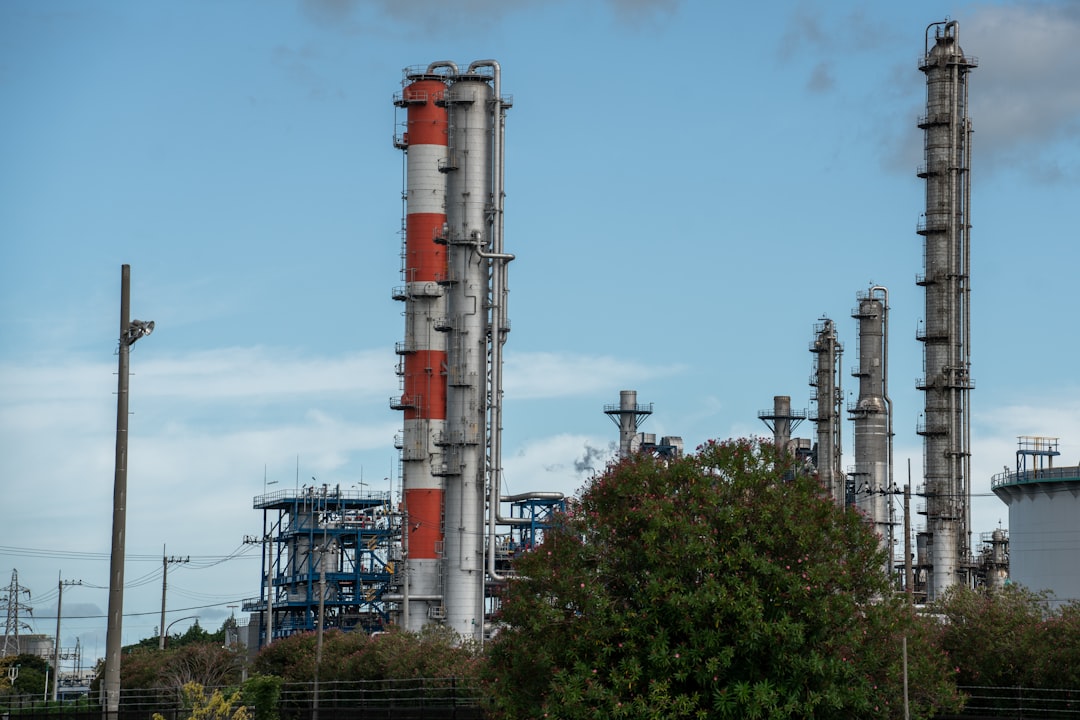
The Mississippi River, a 2,340-mile-long aquatic artery, serves not only as a vital transportation route but also as a crucible of industrial activity. Along its meandering course, a dense concentration of chemical plants has emerged, forming a pivotal component of the nation’s manufacturing landscape. These facilities, often strategically located to leverage abundant resources and efficient logistics, frequently prioritize the utilization of local feedstock. This approach, driven by economic and environmental considerations, underpins the operational philosophy of numerous chemical plants in the region, including the archetypal Mississippi River Chemical Plant.
The decision to incorporate local feedstock into a chemical plant’s operational matrix is rarely arbitrary; rather, it is a carefully calculated strategy that offers a multitude of advantages. Think of it as a chef sourcing ingredients from a nearby farm – the freshness is palpable, and the journey is short. For a chemical plant, this translates into tangible benefits that reverberate throughout its entire value chain. The recent developments in the Mississippi River infrastructure have significantly improved transportation efficiency.
Economic Imperatives
One of the most compelling reasons for prioritizing local feedstock lies in its direct impact on a plant’s financial health. The cost of raw materials often represents a significant portion of a chemical plant’s operating expenses.
Reduced Transportation Costs
Imagine the logistical nightmare and associated expenditures of transporting millions of tons of raw materials across thousands of miles. The expenditure would be astronomical, a perpetual drain on resources. By contrast, a plant drawing its feedstock from nearby sources drastically minimizes transportation costs. This saving is not merely a transient benefit; it is a recurring advantage that significantly boosts profit margins over the long term. Consider, for instance, a petrochemical plant situated adjacent to an oil refinery. The crude oil, a primary feedstock, undergoes initial processing steps at the refinery, and the resulting intermediate products are then piped directly to the chemical plant, circumventing costly rail, truck, or marine transport. This symbiotic relationship, a kind of industrial umbilical cord, ensures a steady and economical supply.
Minimized Lead Times and Inventory Holdings
Dependence on distant suppliers often necessitates holding larger inventories to mitigate the risks associated with extended shipping times, unforeseen delays, or disruptions in the supply chain. This translates into increased warehousing costs, higher capital tied up in inventory, and potential obsolescence. Local feedstock, however, offers a more agile solution. Shorter distances mean quicker deliveries, enabling plants to operate with leaner inventory levels, a principle akin to just-in-time manufacturing. This operational efficiency acts as a financial shock absorber, allowing the plant to respond more flexibly to market fluctuations and demand shifts.
Enhanced Price Stability
Global commodity markets are notorious for their volatility, making long-term financial planning a challenging endeavor. Sourcing feedstock locally can sometimes offer a buffer against these global price swings, particularly if the local supply chain is less exposed to international geopolitical events or speculative trading. While not an absolute guarantee, it introduces an element of predictability that can be invaluable in a capital-intensive industry.
The Mississippi River has long been a crucial artery for transportation and industry, and its chemical plants play a significant role in the production of various feedstocks essential for manufacturing. For a deeper understanding of the environmental and economic impacts of these facilities, you can explore a related article that discusses the intricacies of chemical production along the river. To read more, visit this article.
Environmental and Sustainability Considerations
Beyond economics, the utilization of local feedstock aligns seamlessly with a growing emphasis on environmental stewardship and sustainable industrial practices. In an era where corporate responsibility is increasingly scrutinized, this approach offers a compelling narrative.
Reduced Carbon Footprint
Every mile a feedstock travels contributes to its carbon footprint, primarily through fuel consumption for transportation. By minimizing these distances, a chemical plant demonstrably reduces its greenhouse gas emissions. This reduction is not insignificant; it is a tangible contribution to mitigating climate change, a global imperative. Companies can showcase this commitment in their sustainability reports, bolstering their reputation and demonstrating a forward-thinking approach to environmental management.
Support for Local Economies and Ecosystems
Embracing local feedstock often translates into a deeper integration with the regional economy. This can involve supporting local farmers, resource extraction companies, or transportation networks. This symbiotic relationship fosters economic resilience within the community and can lead to mutually beneficial partnerships. Moreover, by reducing the reliance on vast global supply chains, chemical plants can lessen their environmental impact on far-flung ecosystems, concentrating their efforts on managing the immediate environmental effects within their operating vicinity.
Case Study: Bio-Based Feedstock Integration
The Mississippi River Chemical Plant, like many modern facilities, has begun to explore and integrate bio-based feedstocks into its operations. This represents a significant pivot, moving away from an exclusive reliance on petrochemicals towards a more sustainable and renewable resource base.
Agricultural Byproducts as Raw Materials
The fertile plains bordering the Mississippi River are a bountiful source of agricultural produce. The byproducts of these agricultural activities, once considered waste, are increasingly being re-evaluated as valuable feedstock.
Corn Stover and Sugarcane Bagasse
Consider the vast quantities of corn stover left behind after harvest or the sugarcane bagasse generated during sugar processing. These lignocellulosic materials are rich in cellulose, hemicellulose, and lignin, components that can be broken down and converted into a diverse array of chemicals, including biofuels, bioplastics, and specialty chemicals. The Mississippi River Chemical Plant, strategically positioned within this agricultural heartland, can access these resources with relative ease, transforming what was once an disposal challenge into a valuable input. This circular economy model, where agricultural “waste” becomes industrial “feedstock,” exemplifies the principles of sustainability.
Agricultural Waste Glycerol
The booming biodiesel industry, particularly prevalent in agricultural regions, produces a significant amount of crude glycerol as a byproduct. While refined glycerol has numerous applications, crude glycerol often represents a disposal challenge. The Mississippi River Chemical Plant, recognizing this opportunity, can invest in technologies to purify and upgrade this crude glycerol, transforming it into a valuable chemical precursor for various downstream products. This not only reduces waste but also creates a new revenue stream from an otherwise problematic byproduct.
Technical and Logistical Considerations

While the benefits of local feedstock are compelling, their implementation is not without its technical and logistical complexities. It requires a nuanced understanding of supply chain dynamics, process engineering, and resource management.
Feedstock Variability and Quality Control
Unlike highly refined petrochemical feedstocks, bio-based materials can exhibit greater variability in composition and quality. This heterogeneity can pose challenges for chemical processes, potentially impacting product yield, purity, and consistency.
Pre-treatment and Standardization
To mitigate these issues, chemical plants investing in bio-based feedstocks often need to implement robust pre-treatment processes. These may include mechanical separation, chemical hydrolysis, or enzymatic degradation to standardize the feedstock and make it suitable for subsequent chemical conversions. Think of it as preparing raw ingredients for a complex recipe; inconsistencies at the outset can derail the entire process. Investing in advanced analytical techniques for continuous quality monitoring is also crucial to ensure process stability and product quality.
Supply Chain Resilience
While local sourcing generally reduces overall transportation distances, it still necessitates a robust and reliable local supply chain. This involves forging strong relationships with local suppliers, establishing clear contractual agreements, and developing contingency plans for unforeseen disruptions, such as adverse weather events impacting agricultural harvests. Diversity in sourcing, even within a local radius, can further enhance supply chain resilience.
The Mississippi River region has become a focal point for discussions surrounding chemical plant feedstock, particularly due to its strategic location and access to various resources. Recent developments in this area highlight the importance of sustainable practices in the chemical industry. For further insights, you can explore a related article that delves into the implications of these practices on local ecosystems and economies. To read more about this topic, visit this article for a comprehensive overview.
Future Outlook and Innovation
| Parameter | Value | Unit | Notes |
|---|---|---|---|
| Feedstock Type | Ethylene | – | Primary raw material for chemical production |
| Feedstock Volume | 500,000 | tons/year | Annual intake at the plant |
| Feedstock Purity | 99.5 | % | Purity level of ethylene feedstock |
| Water Usage | 2,000,000 | gallons/day | Water drawn from Mississippi River for processing |
| Effluent Discharge | 1,200,000 | gallons/day | Wastewater released back to the river after treatment |
| CO2 Emissions | 150,000 | tons/year | Estimated carbon dioxide emissions from feedstock processing |
| Energy Consumption | 1,000,000 | MMBtu/year | Energy used in feedstock processing |
The trajectory of the Mississippi River Chemical Plant, and indeed the broader chemical industry, points towards continued innovation in feedstock utilization. The imperative to reduce environmental impact, coupled with ongoing advancements in green chemistry and biotechnology, will further accelerate this trend.
Advanced Analytical and Processing Technologies
The development of advanced analytical techniques, such as real-time spectroscopy and chromatography, will enable more precise characterization and control of diverse feedstocks. Simultaneously, breakthroughs in biomass conversion technologies, including catalytic pyrolysis, gasification, and fermentation, will unlock new pathways for transforming complex raw materials into high-value chemicals. These innovations will be the engines of future growth, allowing plants to extract more value from an ever-wider array of local resources.
Collaborative Ecosystems
The future success of chemical plants leveraging local feedstock will increasingly rely on the cultivation of collaborative ecosystems. This involves partnerships with agricultural producers, waste management companies, research institutions, and technology developers. Imagine a network of interconnected entities, each playing a vital role in optimizing resource utilization and fostering a circular economy. This integrated approach, a tapestry woven from diverse expertise, will be instrumental in overcoming challenges and unlocking new opportunities.
In conclusion, the Mississippi River Chemical Plant’s focus on utilizing local feedstock is a strategic imperative driven by economic, environmental, and societal considerations. It is a testament to the industry’s evolving understanding of its role within the broader ecosystem, transitioning from a linear model of resource consumption to a more circular and sustainable paradigm. As the world navigates the complexities of resource scarcity and climate change, the embrace of local feedstock, particularly bio-based alternatives, will undoubtedly become a cornerstone of resilient and responsible chemical manufacturing along the majestic Mississippi.
WATCH THIS! 🚨CRACKING: Why America’s $5 Trillion Dam is Failing Right Now
FAQs
What is a chemical plant feedstock?
Chemical plant feedstock refers to the raw materials or substances that are used as inputs in chemical manufacturing processes. These feedstocks undergo chemical reactions to produce various chemical products.
Why is the Mississippi River important for chemical plant feedstock?
The Mississippi River is a vital transportation route for chemical plant feedstocks because it provides access to raw materials such as crude oil, natural gas, and agricultural products. Its extensive waterway system allows for efficient shipment of these materials to chemical plants located along the river.
What types of feedstock are commonly used in chemical plants along the Mississippi River?
Common feedstocks include petroleum derivatives, natural gas liquids, agricultural products like corn and soybeans, and various minerals. These materials are processed to produce chemicals, plastics, fertilizers, and other industrial products.
How do chemical plants along the Mississippi River receive their feedstock?
Feedstocks are typically transported via barges, ships, pipelines, and railroads along the Mississippi River. The river’s navigable waters enable large volumes of raw materials to be delivered efficiently to chemical manufacturing facilities.
Are there environmental concerns related to chemical plant feedstock along the Mississippi River?
Yes, there are environmental concerns such as potential spills, emissions, and water pollution associated with the handling and processing of chemical feedstocks. Regulatory agencies monitor and enforce safety and environmental standards to minimize risks.
What role does the Mississippi River play in the chemical industry’s supply chain?
The Mississippi River serves as a critical logistics corridor that connects feedstock suppliers with chemical plants and distribution centers. It supports the supply chain by enabling cost-effective and large-scale transportation of raw materials.
Can feedstock availability along the Mississippi River impact chemical production?
Yes, the availability and cost of feedstock transported via the Mississippi River can directly affect chemical production levels, pricing, and the overall competitiveness of chemical plants in the region.
What measures are taken to ensure the safe transport of chemical plant feedstock on the Mississippi River?
Safety measures include strict regulations on vessel operations, regular inspections, emergency response plans, and the use of specialized equipment to prevent and respond to spills or accidents during transport.