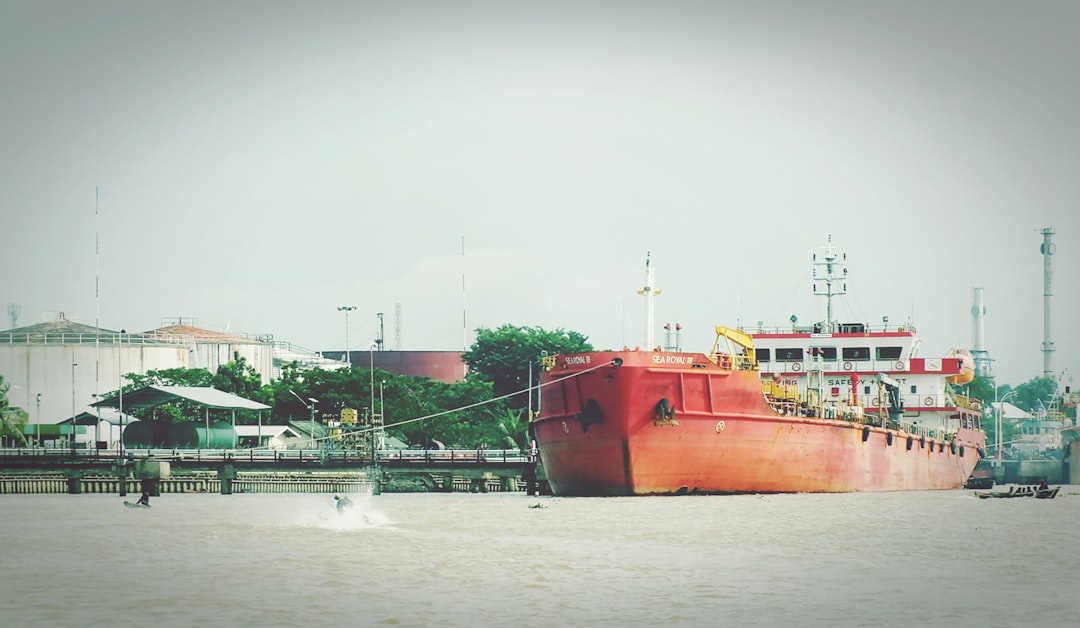
The Mississippi River, a crucial artery for American commerce, has recently experienced a significant surge in barge rates, a development that is sending ripples through various sectors of the economy. This spike, a complex phenomenon driven by a confluence of factors, represents a formidable challenge for shippers and consumers alike. Understanding the intricacies of this rate increase is vital for navigating the current economic landscape and for anticipating future trends.
The recent surge in Mississippi River barge rates is not a singular event but rather the culmination of several interconnected factors that have converged to create a perfect storm for transportation costs. These drivers, like different tributaries feeding into a mighty river, have combined to elevate the cost of moving goods along this vital waterway.
Inconsistent Water Levels: The River’s Pulse
A primary catalyst for the increased barge rates has been the persistent issue of fluctuating water levels on the Mississippi River. Unlike a predictable pipeline, the river’s depth is a dynamic entity, susceptible to the whims of weather patterns.
Drought Conditions: A Shallow Undertow
Prolonged periods of drought in the upper Mississippi basin have been a significant contributor to plummeting water levels. When rain is scarce, the river’s volume diminishes, creating shallower channels. Barges, especially when heavily laden, require a certain depth to operate safely and efficiently. Reduced depths necessitate lighter loads, which indirectly influtes costs. Operators must compensate for the reduced carrying capacity per barge by dispatching more vessels for the same amount of cargo, thereby increasing the overall demand for barge services and, consequently, driving up rates. This “economic butterfly effect” means that a lack of rainfall thousands of miles away can directly impact the price of goods on store shelves.
Freeze-Thaw Cycles: Navigational Obstacles
In certain seasons, particularly during winter and early spring, unpredictable freeze-thaw cycles can also impact river navigability. Ice formation can restrict passage, and the melting process can create unpredictable surges and eddies. Navigating these conditions requires more cautious operation, potentially slowing down transit times and increasing the risk of delays. These delays translate directly into higher operational costs for barge companies, which are then passed on to shippers.
Increased Demand for Transportation: A Swelling Current
Beyond the physical limitations of the river itself, a robust and increasing demand for barge transportation has placed additional pressure on the market, further exacerbating the rate surge.
Agricultural Exports: The Breadbasket on the Move
The agricultural sector remains a cornerstone of the Mississippi River’s freight traffic. With strong global demand for American-produced grains and other commodities, the need to move these goods from inland farms to export terminals has intensified. Barges are the most cost-effective mode for transporting bulk agricultural products, and when export volumes surge, so does the demand for the barges to carry them. This increased demand creates a seller’s market for barge capacity.
Petrochemical and Energy Product Movements: The Flow of Industry
In addition to agriculture, the movement of petrochemicals, fertilizers, and other energy-related products constitutes a significant portion of Mississippi River barge traffic. Growth in these industries, coupled with shifts in global energy markets, can lead to a greater reliance on barge transport for raw materials and finished products. As these sectors ramp up their operations, the competition for available barge capacity intensifies, pushing rates upward.
Regulatory and Operational Challenges: Navigational Hurdles
The operational landscape for barge transportation is not static; it is also influenced by evolving regulatory environments and day-to-day operational challenges.
Inland Waterways Trust Fund Contributions: A Necessary Expense
The Inland Waterways Trust Fund is a critical mechanism for financing improvements and maintenance of the nation’s lock and dam systems, essential components for maintaining navigability on rivers like the Mississippi. While vital for long-term reliability, changes in contribution rates or the allocation of these funds can impact the overall cost structure for barge operators. Shippers often bear the brunt of these increased financial obligations.
Lock and Dam Maintenance and Repairs: Bottlenecks in the System
The aging infrastructure of the lock and dam system along the Mississippi River presents ongoing challenges. Scheduled maintenance and unexpected repairs can lead to temporary closures or reduced operating capacity at key navigation points. These “bottlenecks” act as a dam on the flow of commerce, creating congestion and increasing transit times. When a vital lock undergoes repairs, barges can be held up for extended periods, creating a backlog of vessels and significantly impacting schedules and costs. This is akin to a single lane closure on a major highway during rush hour, causing widespread delays and frustration.
Fuel Price Volatility: The Cost of Propulsion
The price of fuel is a direct and significant cost component for any transportation industry, and barge operations are no exception. Fluctuations in global energy markets can have an immediate and pronounced impact on barge rates.
Global Oil Market Dynamics: The Ripple Effect at Sea and on the River
The price of diesel fuel, the primary energy source for most towboats, is intrinsically linked to global crude oil prices. Geopolitical events, supply and demand imbalances, and speculation in oil markets can cause rapid and substantial swings in fuel costs. When fuel prices spike, barge operators must recoup these increased expenses, and this is typically reflected in higher freight rates. The interconnectedness of global energy markets means that events occurring thousands of miles away can directly impact the cost of transporting goods domestically.
Refining Margins and Distribution Costs: The Journey to the Tank
Beyond the raw cost of crude oil, refining margins and the cost of distributing fuel to the barges also play a role. These factors, influenced by market competition and logistical efficiencies, can further contribute to the overall expense of powering the barge fleet.
The recent spike in barge rates along the Mississippi River has raised concerns among shippers and agricultural producers alike. For a deeper understanding of the factors contributing to this surge, you can read a related article that explores the economic implications and potential future trends in the barge transportation industry. Check it out here: MyGeoQuest.
Impact on Various Industries: The Widening Gyre
The spike in Mississippi River barge rates is not an isolated economic anomaly; it is a phenomenon with far-reaching consequences that impact a diverse range of industries, creating a widening gyre of economic effects.
The recent spike in barge rates along the Mississippi River has raised concerns among shipping companies and agricultural producers alike. This surge can be attributed to various factors, including fluctuating water levels and increased demand for transportation. For a deeper understanding of the implications of these changes, you can read a related article that explores the economic impact on the shipping industry. To learn more, visit this article for insights and analysis.
Agricultural Sector: A Heavy Burden on Farmers and Exporters
For the agricultural sector, the Mississippi River is not merely a waterway but the lifeblood of its export market. The increased barge rates act as a heavy burden, pressing down on the already tight margins of farmers and exporters.
Reduced Profitability for Farmers: A Squeezed Lemon
Farmers, often operating on thin profit margins, are the first to feel the pinch. Higher shipping costs reduce the net revenue they receive for their crops. This can lead to decreased investment in future planting seasons, potentially impacting U.S. agricultural output in the long run. The increased cost of getting their product to market can make it less competitive against producers in other countries who do not face the same logistical challenges.
Increased Costs for Grain and Feed: A Chain Reaction of Price Hikes
Grain elevators and companies that process agricultural products also face higher operational costs due to the increased barge rates. These costs are then passed on to consumers in the form of higher prices for animal feed, edible oils, and other food products. The ripple effect means that the cost of raising livestock, for instance, can increase significantly.
Challenges in International Competitiveness: Facing a Stronger Tide
The United States is a major global exporter of agricultural commodities. When domestic transportation costs rise dramatically, it can make American products less competitive in international markets. Foreign buyers may seek out suppliers in countries with lower shipping expenses, impacting U.S. market share and export volumes.
Manufacturing and Industrial Sectors: The Strain on Supply Chains
Manufacturers and industrial companies across various sectors are also feeling the strain of higher barge rates, particularly those relying on the Mississippi River for the transportation of raw materials and finished goods.
Higher Input Costs for Manufacturers: A Constricting Flow
Many manufacturing processes rely on the timely and cost-effective delivery of raw materials such as coal, metals, chemicals, and petroleum products. When the cost of transporting these inputs increases due to higher barge rates, it directly inflates the manufacturers’ production costs. This can lead to reduced profitability and potentially higher prices for manufactured goods.
Increased Freight Costs for Finished Products: A Barrier to Market Access
Similarly, the cost of transporting finished manufactured goods to market also rises. This can make it more difficult for manufacturers to reach customers, particularly those located in regions far from the river. The increased freight expense can also make domestic products more expensive compared to imported alternatives.
Disruptions to Just-In-Time Inventory Systems: A Strained Jenga Tower
Many modern manufacturing operations rely on “just-in-time” inventory systems, aiming to minimize holding costs by receiving materials and shipping products precisely when needed. Higher barge rates can introduce significant unpredictability and delays into these systems, straining the delicate balance and potentially leading to production slowdowns or stockouts.
Energy Sector: The Cost of Powering the Nation
The energy sector, a major user of barge transportation for coal, petroleum products, and chemicals, is also significantly impacted by the surge in rates.
Increased Cost of Coal Transportation: Fueling Higher Electricity Bills
Coal, a significant fuel source for electricity generation in many parts of the U.S., is frequently transported via barge. Increased barge rates translate directly into higher costs for coal producers, which are then passed on to utility companies and, ultimately, to consumers in the form of higher electricity bills.
Higher Costs for Refined Petroleum Products: Affecting Multiple Industries
Refined petroleum products, such as gasoline, diesel fuel, and jet fuel, are also moved in large volumes by barge. Higher barge rates can contribute to increased costs for these essential commodities, impacting transportation costs across all sectors of the economy.
Impact on Chemical and Fertilizer Industries: A Multiplier Effect
The chemical and fertilizer industries rely heavily on barge transportation for the movement of raw materials and finished products. Increased barge rates can lead to higher production costs for fertilizers, impacting agricultural yields and food prices. Similarly, the cost of various industrial chemicals can rise, affecting a wide array of manufacturing processes.
Economic Consequences and Consumer Impact: The Broadening Ripples
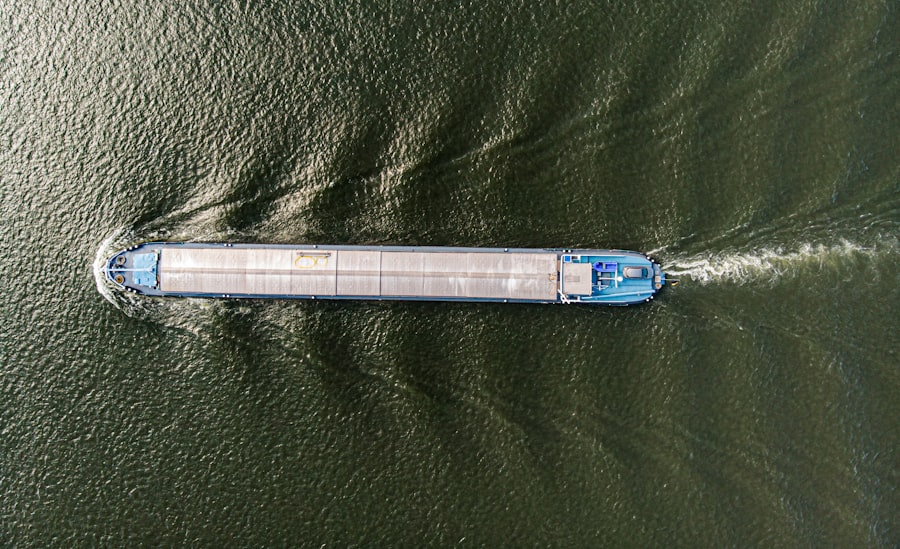
The spike in Mississippi River barge rates is not merely a logistical challenge for businesses; it translates into tangible economic consequences and directly impacts the wallets of consumers across the nation. The ripples from these increased transportation costs spread outwards, affecting the broader economic landscape.
Inflationary Pressures: The Rising Tide of Prices
One of the most immediate and pervasive economic consequences of increased barge rates is their contribution to inflationary pressures. As businesses face higher costs for transportation of both inputs and outputs, they are often compelled to pass these increases on to consumers in the form of higher prices for goods and services.
Food Prices: A Staple Strain
Given the significant role of barge transportation in the agricultural supply chain, consumers are likely to see an increase in the prices of staple food items, including grains, cereals, and products derived from them. This can have a disproportionate impact on lower-income households, for whom food constitutes a larger portion of their budget.
Energy Costs: Lighting the Home and Filling the Tank
As discussed previously, increased barge rates for coal and petroleum products can lead to higher electricity and fuel prices. This means that everything from heating homes to commuting to work becomes more expensive.
Manufactured Goods: The Cost of Everyday Items
The increased cost of transporting raw materials and finished products for manufacturers can lead to higher prices for a wide array of everyday items, from clothing and electronics to building materials and automobiles.
Reduced Consumer Spending Power: A Diminished Capacity
When prices rise across a broad spectrum of goods and services, consumers find that their purchasing power is diminished. The same amount of money buys less than it did before, forcing households to make difficult choices about their spending.
Impact on Discretionary Spending: The First to Be Cut
Discretionary spending, which includes non-essential purchases like entertainment, dining out, and leisure activities, is often the first to be curtailed when household budgets are squeezed. This can have a negative impact on businesses in the service sector.
Savings and Investment: A Tentative Future
When households are struggling to meet basic needs due to rising prices, their capacity to save and invest for the future is also reduced. This can have long-term implications for economic growth and individual financial security.
Trade Balance Considerations: A Shifting Global Scale
The impact of higher barge rates can also extend to the nation’s trade balance. When U.S. goods become more expensive to export due to increased transportation costs, it can lead to a decrease in export volumes.
Decreased Export Competitiveness: A Less Appealing Proposition
As mentioned earlier, a decline in export competitiveness can reduce the demand for American products in international markets. This can hurt U.S. businesses that rely on exports and negatively impact the overall trade balance.
Potential Increase in Imports: A More Attractive Alternative
Conversely, if imported goods become relatively cheaper due to lower transportation costs in other countries, there might be an increase in imports. This can further widen the trade deficit.
Mitigation Strategies and Future Outlook: Charting a Course Forward

Navigating the complexities of increased Mississippi River barge rates requires a strategic approach from both the public and private sectors. Proactive measures and an understanding of potential future trends are crucial for mitigating the current challenges and fostering greater resilience in the waterway transportation system.
Infrastructure Investment and Modernization: Fortifying the Foundation
Investing in and modernizing the nation’s inland waterway infrastructure is paramount for addressing the root causes of many of the current issues. This includes a sustained commitment to the Inland Waterways Trust Fund and strategic investments in lock and dam upgrades.
Upgrading Locks and Dams: Enhancing Throughput
Modernizing aging locks and dams can significantly improve their efficiency and capacity. This can lead to reduced transit times, fewer delays, and the ability to handle larger barge tows, thereby increasing overall throughput on the river. Imagine widening a narrow bottleneck to allow a greater flow of traffic.
Dredging and Channel Maintenance: Ensuring a Clear Passage
Consistent and effective dredging of the river channel is essential to maintain adequate depths for barge navigation, especially during periods of low water. This ensures that barges can operate at their full capacity without as many restrictions.
Investing in Digital Infrastructure: Streamlining Operations
The implementation of digital technologies, such as advanced sensors, real-time tracking systems, and predictive analytics, can help optimize barge operations, improve communication, and enhance overall efficiency. This can contribute to more predictable transit times and better resource allocation.
Diversification of Transportation Modes: Spreading the Load
While barges are often the most cost-effective mode for bulk commodities, exploring and encouraging diversification of transportation modes can help alleviate pressure on the river system.
Rail Capacity Expansion: An Alternative Artery
Investing in and enhancing the capacity of the nation’s rail network can provide a viable alternative for transporting certain types of goods, especially when barge rates are exceptionally high. This offers shippers greater flexibility and can help balance the demand across different transportation infrastructures.
Trucking and Intermodal Solutions: Connecting the Dots
While trucking is generally more expensive for long-haul bulk movements, it plays a crucial role in connecting inland areas to river terminals and ports. Strengthening intermodal capabilities, which combine different modes of transport, can optimize the overall supply chain.
Policy and Regulatory Adjustments: Guiding the Current
Government policies and regulatory frameworks play a significant role in shaping the transportation landscape. Considering adjustments to policies can help foster a more stable and efficient environment for barge transportation.
Reviewing Trust Fund Contributions and Allocations: Ensuring Equity
A periodic review of contribution rates to the Inland Waterways Trust Fund and how these funds are allocated can ensure that the system remains equitable and effective in supporting necessary infrastructure projects.
Streamlining Permitting Processes: Accelerating Progress
Expediting permitting processes for infrastructure upgrades and maintenance projects can help ensure that essential work is completed in a timely manner, minimizing disruptions to navigation.
Incentivizing Barge Fleet Modernization: Driving Efficiency
Government incentives could be considered to encourage barge operators to invest in newer, more fuel-efficient, and environmentally friendly vessels. This can lead to long-term cost savings and reduced environmental impact.
Market-Based Solutions and Contractual Agreements: Building Resilience
Businesses can also adopt market-based solutions and explore different contractual agreements to navigate the volatility of barge rates.
Long-Term Contracts: Securing Predictable Rates
For shippers who rely heavily on barge transportation, entering into long-term contracts with barge operators can provide more predictable rates and better cost certainty, insulating them from short-term market fluctuations.
Hedging and Risk Management: Planning for Uncertainty
Companies can explore financial instruments and risk management strategies, such as hedging commodity prices, to mitigate the impact of fuel price volatility on their transportation costs.
Strategic Sourcing of Raw Materials: Reducing Dependence
Where feasible, manufacturers can explore diversifying their sourcing of raw materials to reduce their dependence on a single transportation mode or geographic region.
The future outlook for Mississippi River barge rates will likely remain intertwined with meteorological patterns, global economic conditions, and the ongoing investments in infrastructure. While spikes are not uncommon, a concerted effort by all stakeholders – government, industry, and consumers – to address the underlying drivers and implement sustainable solutions will be crucial in navigating the currents of this vital artery of American commerce. The river, like the economy it serves, requires careful management and foresight to ensure its continued vitality and prosperity.
WATCH NOW ▶️ SHOCKING: Mississippi: The $12 Trillion Lie Revealed
FAQs
What causes barge rate spikes on the Mississippi River?
Barge rate spikes on the Mississippi River are typically caused by factors such as increased demand for shipping, low water levels, weather disruptions, infrastructure issues, and changes in fuel prices. These factors can reduce barge capacity or increase operational costs, leading to higher rates.
How do low water levels affect barge transportation on the Mississippi River?
Low water levels reduce the navigable depth of the river, limiting the size and load capacity of barges. This can cause delays, reduce the number of barges that can operate simultaneously, and increase transportation costs, contributing to rate spikes.
Who are the primary users of barge transportation on the Mississippi River?
The primary users include agricultural producers, chemical manufacturers, coal suppliers, and other industries that rely on bulk transportation of commodities such as grain, petroleum products, coal, and chemicals along the Mississippi River.
What impact do barge rate spikes have on the economy?
Barge rate spikes can increase the cost of transporting goods, which may lead to higher prices for commodities and products. This can affect supply chains, reduce competitiveness for exporters, and increase costs for industries dependent on river transport.
Are there any measures to mitigate barge rate spikes on the Mississippi River?
Measures include improving river infrastructure, such as locks and dams, enhancing water management to maintain navigable depths, increasing fleet capacity, and using alternative transportation modes when necessary. Coordination among stakeholders and investment in technology also help reduce rate volatility.