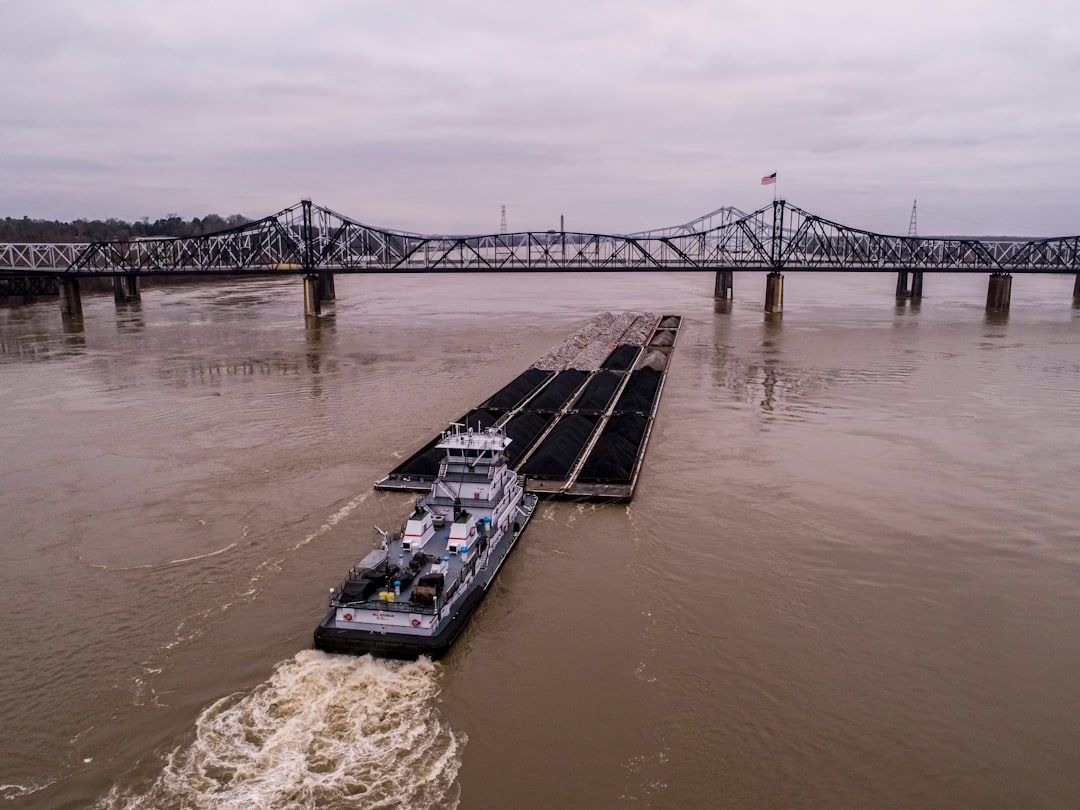
The Mississippi River, often referred to as the “Father of Waters,” serves as a vital artery for commerce in the United States. Its vast network of navigable channels facilitates the efficient movement of raw materials, agricultural products, and manufactured goods. Central to this intricate logistical ballet is the Mississippi River Barge Lightering Fleet, a specialized segment of the inland maritime industry responsible for optimizing waterway transport. This article will delve into the operational intricacies, economic significance, and environmental advantages of this crucial fleet, providing a comprehensive understanding of its role in American commerce.
The recent developments in the Mississippi River infrastructure have significantly improved transportation and trade efficiency.
The term “lightering” in a riverine context refers to the transfer of cargo from one vessel to another, typically a larger vessel to smaller barges, or vice-versa, in order to adjust draft or navigate shallow waterways. The Mississippi River Barge Lightering Fleet is comprised of a diverse array of specialized vessels and equipment designed to execute these transfers safely and efficiently. Unlike oceangoing lightering operations, which often involve large tankers transferring crude oil at sea, riverine lightering is primarily concerned with bulk commodities and precise draft management within constrained waterways.
Purpose of Lightering
The primary purpose of lightering on the Mississippi River is to overcome draft restrictions. As you, the discerning reader, can appreciate, the depth of the river fluctuates significantly due to seasonal changes, rainfall, and dredging operations. These variations can limit the cargo capacity of standard towboats and barges.
Navigating Shallow Channels
When water levels are low, fully loaded barges may draw too much water to safely traverse certain sections of the river. Lightering allows a portion of the cargo to be offloaded into smaller, shallower-draft barges, enabling the original tow to continue its journey. This process is akin to a camel shedding some of its burden to cross a desert oasis.
Optimizing Tow Size
Lightering can also be employed to optimize the size of a tow. Larger tows, while more efficient in terms of economies of scale, may not be able to access all destinations or navigate tight bends. By lightering a portion of the cargo, the main tow can be reduced in size, allowing for greater maneuverability and access to shallower ports.
Fleet Composition and Equipment
The Mississippi River Barge Lightering Fleet is a complex ecosystem of specialized vessels and equipment. The core components include specialized towboats, push boats, and various types of barges.
Specialized Towboats and Push Boats
While standard towboats are used for general cargo movement, lightering operations often utilize towboats with enhanced maneuvering capabilities and sometimes those equipped for pumping liquid bulk cargoes. Push boats, smaller and more agile, are frequently employed to position individual barges during transfer operations. Their role is akin to a shepherd guiding individual sheep within a larger flock.
Barges for Lightering
A variety of barges are utilized in lightering. Open-hopper barges are common for dry bulk commodities like grain, coal, and aggregates. Tank barges are used for liquid bulk such as petroleum products and chemicals. Deck barges, with their flat surfaces, can be used for project cargo or equipment. The selection of the barge type is dictated by the nature of the cargo being transferred.
Transfer Equipment
The actual transfer of cargo involves specialized equipment. For dry bulk, this often includes conveyor systems, cranes with grabs, and sometimes pneumatic systems. For liquid bulk, intricate networks of hoses, pumps, and manifold systems are employed, requiring careful monitoring to prevent spills and ensure safety.
The Mississippi River barge lightering fleet plays a crucial role in the transportation of goods along one of America’s most vital waterways. For a deeper understanding of the logistics and operations involved in this industry, you can read a related article that explores the intricacies of barge transportation and its economic impact. For more information, visit this article.
Operational Mechanics: The Art of Cargo Transfer
The execution of a lightering operation is a carefully choreographed process demanding precision, communication, and adherence to stringent safety protocols. It is not merely the shifting of weight but a calculated maneuver designed to maintain the flow of commerce.
Planning and Coordination
Before any cargo is moved, extensive planning and coordination are undertaken. This involves communication between shipping companies, vessel operators, port authorities, and the lightering fleet.
Route Assessment and Draft Prediction
River conditions, including current draft limitations, weather forecasts, and potential navigational hazards, are meticulously assessed. Hydrologists’ predictions of river levels are critical in determining when and where lightering will be necessary. This foresight prevents potential grounding incidents and delays, mirroring the careful planning of a chess grandmaster.
Cargo Manifest and Transfer Plan
A detailed cargo manifest is reviewed, identifying the type, quantity, and specific characteristics of the cargo. A comprehensive transfer plan is developed, outlining the sequence of cargo movement, the vessels involved, and the specific equipment to be used.
Execution of Lightering Operations
The physical execution of lightering is a complex dance between vessels and equipment.
Mooring and Securing Vessels
The involved barges and towboats are carefully positioned and securely moored alongside each other. This is a critical step, as any uncontrolled movement during transfer could lead to significant hazards. Fenders are used to prevent damage to the hulls of the vessels.
Cargo Transfer Process
Once secured, the cargo transfer commences. For dry bulk, cranes or conveyor systems meticulously move material from the loaded barge to the lightering barge. For liquid bulk, pumps initiate the flow through hoses, with operators constantly monitoring pressure and volume. The process requires a steady hand and keen observation, much like a surgeon performing a delicate operation.
Safety Protocols and Environmental Protection
Throughout the operation, stringent safety protocols are observed. Personnel wear appropriate personal protective equipment, and emergency response plans are readily available. Environmental protection is paramount, particularly for liquid bulk transfers, with spill containment measures in place and personnel trained to respond to potential incidents. The Mississippi River is not merely a conduit for goods, but a vibrant ecosystem that demands respect and protection.
Economic Significance: Fueling the Nation’s Commerce
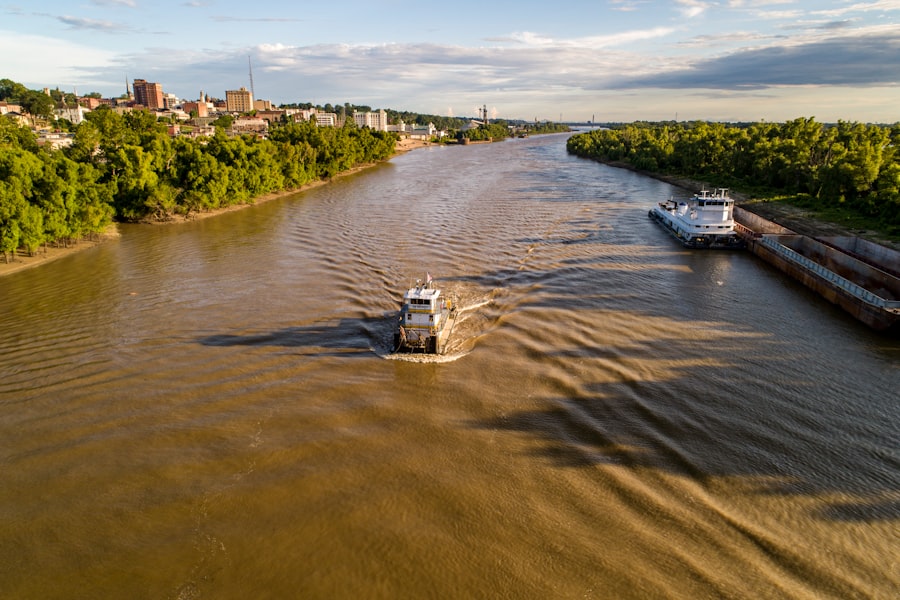
The Mississippi River Barge Lightering Fleet plays a pivotal role in the economic fabric of the United States. Its efficiency directly impacts the cost of goods and the competitiveness of American industries.
Cost-Effectiveness of Waterway Transport
Waterway transport, generally, is the most cost-effective mode for moving bulk commodities over long distances. Barges can carry enormous volumes of cargo compared to rail or truck, resulting in lower per-ton-mile costs.
Reduced Transportation Costs
By enabling fully loaded barges to navigate the river despite varying water levels, lightering prevents the need to offload cargo at intermediate points onto other modes of transport, which would incur significant transshipment costs. This seamless flow keeps transportation expenses in check.
Enhanced Supply Chain Resilience
The ability to adapt to changing river conditions through lightering enhances the resilience of the supply chain. It minimizes disruptions caused by low water, ensuring that agricultural products reach export markets and industrial raw materials arrive at manufacturing facilities without undue delay. This adaptability is the hallmark of a robust logistical system.
Impact on Key Industries
The lightering fleet directly supports several critical sectors of the American economy.
Agriculture
The American agricultural sector relies heavily on the Mississippi River for transporting grain, soybeans, and other crops to domestic and international markets. Lightering ensures these vital commodities reach their destinations efficiently, contributing to the competitiveness of U.S. agriculture.
Energy
Coal for power generation, petroleum products, and petrochemicals are frequently moved via the Mississippi. Lightering operations facilitate the reliable supply of these energy resources to various industries and communities.
Manufacturing and Construction
Raw materials such as aggregates, steel, and other bulky components for manufacturing and construction are transported by barge. The lightering fleet ensures these materials are available when and where needed, supporting infrastructure projects and industrial output.
Environmental Advantages: A Greener Mode of Transport

Beyond its economic merits, the Mississippi River Barge Lightering Fleet contributes significantly to environmental sustainability by promoting an inherently greener mode of transport.
Lower Carbon Footprint
Barge transport boasts a considerably lower carbon footprint compared to rail or truck for moving the same volume of cargo. This is a well-established fact, as you, the environmentally conscious reader, are likely aware.
Fuel Efficiency
Barges are remarkably fuel-efficient. A single towboat can push a string of barges carrying the equivalent of hundreds of truckloads, thereby consuming significantly less fuel per ton-mile of cargo moved. Lightering optimizes this efficiency by allowing barges to maintain their optimal draft whenever possible.
Reduced Emissions
The lower fuel consumption directly translates to reduced emissions of greenhouse gases and other pollutants. By minimizing the need for alternative, higher-emission transport modes, lightering indirectly contributes to cleaner air and a healthier environment.
Reduced Congestion and Infrastructure Strain
Shifting cargo from congested highways and railways to the waterway offers broader societal and environmental benefits.
Alleviating Road and Rail Stress
Every barge load bypassing a crowded interstate or railway track reduces wear and tear on these infrastructure systems, decreasing maintenance costs and extending their lifespan. This is analogous to easing the burden on an overburdened pack animal.
Decreased Traffic Accidents
Fewer trucks on the road inherently lead to a reduction in traffic congestion and, consequently, a decrease in accidents, improving safety for all road users. The quiet flow of barges stands in stark contrast to the clamor of highway traffic.
The Mississippi River barge lightering fleet plays a crucial role in the transportation of goods along one of America’s most vital waterways. For those interested in exploring the intricacies of this industry, a related article can provide valuable insights into the operational challenges and economic impacts of lightering operations. You can read more about it in this informative piece on mygeoquest.com, which delves into the logistics and significance of barge transportation in the region.
Challenges and Future Outlook: Navigating the Currents Ahead
| Metric | Value | Unit | Notes |
|---|---|---|---|
| Number of Barges in Fleet | 150 | Units | Estimated active barges for lightering operations |
| Average Barge Capacity | 1,500 | Short Tons | Typical cargo capacity per barge |
| Annual Tonnage Transported | 3,000,000 | Short Tons | Estimated yearly cargo volume moved via lightering |
| Number of Lightering Vessels | 25 | Units | Support vessels used for cargo transfer |
| Average Transit Time | 12 | Hours | Typical time to complete a lightering operation |
| Primary Cargo Types | Grain, Coal, Petroleum | Categories | Main commodities transported |
| Fleet Age | 10 | Years | Average age of barges in the fleet |
Despite its undeniable importance, the Mississippi River Barge Lightering Fleet faces its share of challenges. However, the industry is constantly adapting and innovating to ensure its continued efficacy.
Infrastructure Needs
Adequate infrastructure is paramount for the continued success of waterway transport.
Dredging and Channel Maintenance
Maintaining sufficient channel depths through consistent dredging operations is a perpetual necessity. Without adequate depth, the effectiveness of lightering is diminished. Federal funding for these operations is a constant discussion point.
Lock and Dam Modernization
The extensive network of locks and dams along the Mississippi River, while engineering marvels of their time, requires ongoing modernization and capacity expansion to handle projected increases in cargo traffic. Bottlenecks at these critical junctures can impede the efficient flow of goods.
Technological Advancements
The industry is increasingly embracing technology to enhance efficiency and safety.
Real-time Monitoring and Data Analytics
The deployment of real-time monitoring systems for river levels, vessel positions, and cargo conditions allows for more proactive lightering decisions and optimized operations. Data analytics can predict future needs and identify areas for improvement, much like a sophisticated weather forecasting system.
Automated Cargo Handling Systems
While fully autonomous lightering remains a distant prospect, advancements in automated or semi-automated cargo handling equipment can improve speed, safety, and precision during transfers, particularly for bulk commodities.
Workforce Development
A skilled and dedicated workforce is the backbone of the lightering fleet.
Attracting and Retaining Talent
Ensuring a sufficient pipeline of skilled mariners, engineers, and support personnel is crucial. This involves competitive compensation, comprehensive training programs, and fostering a culture of safety and professionalism. The river calls to a particular type of individual, one who appreciates its power and demands.
Training and Safety Standards
Continuous training and adherence to the highest safety standards are essential to mitigate risks associated with complex lightering operations, particularly when handling hazardous materials.
In conclusion, the Mississippi River Barge Lightering Fleet stands as an unsung hero of American commerce. It is a vital cog in the complex machinery of inland waterway transport, ensuring the efficient, cost-effective, and environmentally responsible movement of goods across the nation. By skillfully overcoming the natural limitations of the river, this specialized fleet keeps the economic currents flowing, demonstrating ingenuity, adaptability, and unwavering commitment to the nation’s logistical needs. As the nation looks towards a future demanding greater efficiency and sustainability, the role of the Mississippi River Barge Lightering Fleet will undoubtedly remain indispensable.
WATCH THIS! 🚨CRACKING: Why America’s $5 Trillion Dam is Failing Right Now
FAQs
What is the Mississippi River barge lightering fleet?
The Mississippi River barge lightering fleet consists of vessels and equipment used to transfer cargo between barges and larger ships along the Mississippi River. This process helps facilitate the movement of goods by allowing larger vessels to offload cargo onto smaller barges that can navigate the river’s shallower or narrower sections.
Why is lightering important on the Mississippi River?
Lightering is important because it enables efficient cargo transfer in areas where large ships cannot dock due to depth or size restrictions. It helps maintain the flow of goods along the Mississippi River, which is a critical commercial waterway for transporting commodities such as grain, coal, and petroleum products.
What types of cargo are typically handled by the Mississippi River barge lightering fleet?
The fleet commonly handles bulk commodities including agricultural products like corn and soybeans, coal, petroleum products, chemicals, and other bulk goods that are transported via barges along the river.
How does the lightering process work on the Mississippi River?
Lightering involves transferring cargo from a larger vessel to smaller barges using cranes, pumps, or conveyor systems. The barges then transport the cargo to ports or terminals that may not be accessible to larger ships, facilitating further distribution.
Who operates the Mississippi River barge lightering fleet?
The fleet is operated by specialized maritime companies and barge operators who have the equipment and expertise to safely conduct lightering operations. These operators work in coordination with port authorities and shipping companies.
Are there environmental regulations governing lightering on the Mississippi River?
Yes, lightering operations on the Mississippi River are subject to environmental regulations to prevent pollution and protect water quality. Operators must comply with federal and state laws, including those related to spill prevention and response.
Where along the Mississippi River does lightering typically occur?
Lightering commonly takes place near major ports and terminals along the river, especially in areas where the river depth or infrastructure limits the access of large ocean-going vessels. Locations near New Orleans and Baton Rouge are notable lightering hubs.
What are the benefits of using a barge lightering fleet on the Mississippi River?
Benefits include increased flexibility in cargo transport, reduced congestion at ports, cost savings by enabling larger vessels to offload cargo without docking, and improved access to inland markets via the river system.
Is the Mississippi River barge lightering fleet affected by seasonal changes?
Yes, seasonal factors such as water levels, weather conditions, and river traffic can impact lightering operations. Low water levels during droughts may restrict barge movement, while high water or flooding can pose safety challenges.
How does the Mississippi River barge lightering fleet contribute to the regional economy?
The fleet supports the regional economy by facilitating the efficient movement of goods, supporting industries such as agriculture, energy, and manufacturing, and providing jobs related to maritime transport and logistics.