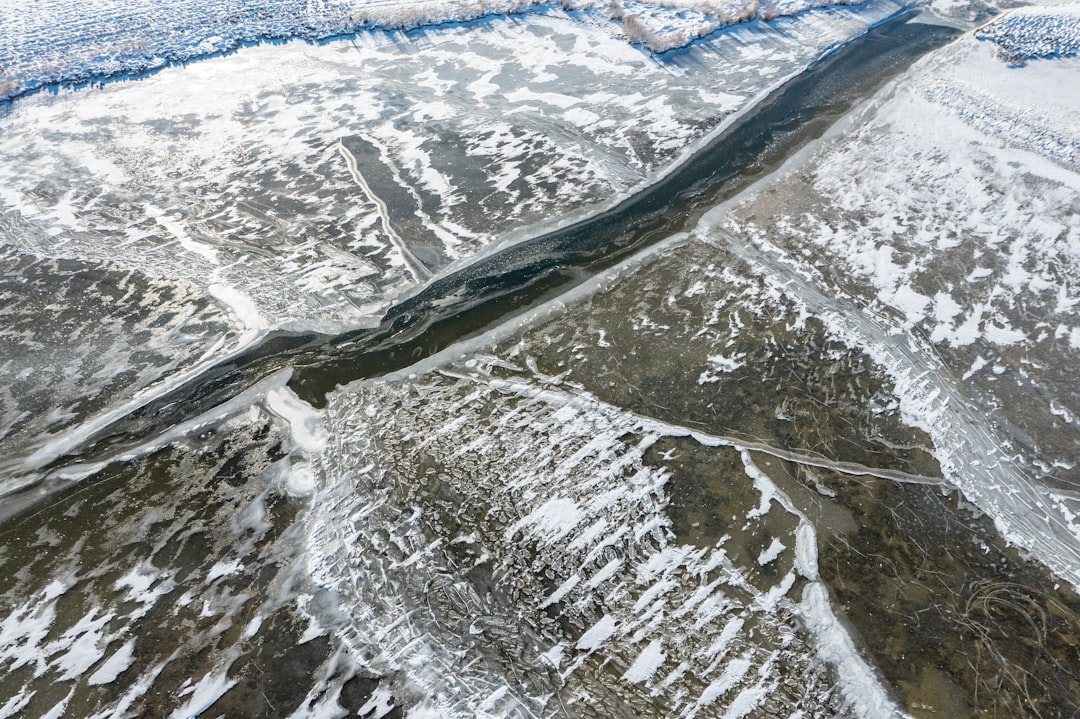
Tibet, often referred to as the “Roof of the World,” is home to one of the largest permafrost regions outside the Arctic. This vast expanse of frozen ground plays a crucial role in maintaining the ecological balance of the region and serves as a significant indicator of climate change. The Tibetan Plateau, with its high altitude and unique climatic conditions, has developed a complex permafrost system that has persisted for thousands of years.
However, recent studies indicate that this permafrost is rapidly melting, raising alarms among scientists and environmentalists alike. The implications of this phenomenon extend far beyond the immediate environment, affecting everything from local ecosystems to global climate patterns. The melting of permafrost in Tibet is not merely a local issue; it is a reflection of broader climatic changes occurring worldwide.
As temperatures rise due to anthropogenic factors, the stability of this frozen ground is compromised, leading to a cascade of environmental consequences. Understanding the causes and effects of melting permafrost in Tibet is essential for developing effective strategies to mitigate its impact and protect both the region and the planet.
Key Takeaways
- Tibet’s permafrost is melting at an alarming rate, posing a threat to the region’s ecosystem, wildlife, water resources, agriculture, infrastructure, and communities.
- The main causes of melting permafrost in Tibet include rising temperatures, human activities such as mining and construction, and changes in land use.
- The melting permafrost in Tibet is leading to soil erosion, loss of habitat for native species, and disruption of water sources, impacting the delicate Tibetan ecosystem.
- Tibetan wildlife, including iconic species like the snow leopard and Tibetan antelope, are facing habitat loss and food scarcity due to the melting permafrost.
- The melting permafrost in Tibet is affecting water availability, quality, and distribution, posing a threat to the region’s agriculture and the livelihoods of Tibetan farmers.
Causes of Melting Permafrost in Tibet
The primary driver behind the melting permafrost in Tibet is climate change, which has led to an increase in average temperatures across the region. Over the past few decades, Tibet has experienced a significant rise in temperature, with some estimates suggesting an increase of nearly 1.5 degrees Celsius since the mid-20th century. This warming trend is attributed to global greenhouse gas emissions, deforestation, and other human activities that contribute to climate instability.
As the ground temperature rises, the permafrost begins to thaw, releasing stored carbon dioxide and methane into the atmosphere, further exacerbating global warming. In addition to rising temperatures, changes in precipitation patterns also play a critical role in the melting of Tibetan permafrost. Increased rainfall can lead to water saturation in the soil, which accelerates thawing processes.
Moreover, alterations in snow cover can affect the insulation properties of the ground. When snow cover decreases, more heat from the sun penetrates the surface, leading to accelerated melting. These interconnected factors create a feedback loop that not only threatens the permafrost but also poses risks to the entire Tibetan ecosystem.
Impact on Tibetan Ecosystem
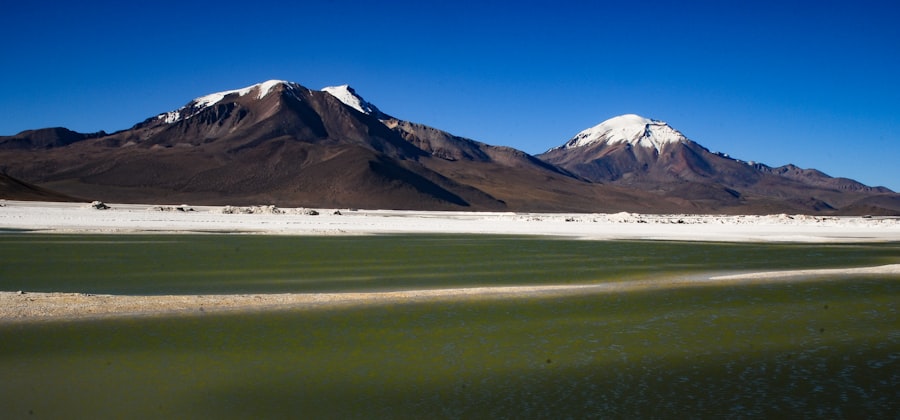
The melting of permafrost in Tibet has profound implications for its delicate ecosystem. As the ground thaws, it alters the hydrology of the region, affecting water flow and availability. The permafrost acts as a natural barrier that regulates water movement; when it melts, it can lead to increased flooding and changes in river systems.
This disruption can have cascading effects on plant and animal life that depend on stable water sources for survival. Furthermore, the thawing permafrost releases nutrients that were previously locked away, potentially leading to changes in vegetation patterns. While some areas may experience a burst of plant growth due to increased nutrient availability, others may suffer from erosion and habitat loss as soil stability diminishes.
The overall biodiversity of the Tibetan Plateau is at risk as species struggle to adapt to these rapid environmental changes. The intricate balance that has existed for millennia is now under threat, raising concerns about the long-term viability of this unique ecosystem.
Consequences for Tibetan Wildlife
| Species | Consequence |
|---|---|
| Snow Leopard | Decline in population due to poaching and habitat loss |
| Tibetan Antelope | Illegal hunting for wool resulting in population decrease |
| Tibetan Gazelle | Threatened by habitat loss and competition with livestock |
The consequences of melting permafrost extend beyond plant life; Tibetan wildlife faces significant challenges as their habitats undergo transformation. Many species that inhabit this region are specially adapted to cold environments and rely on stable conditions for their survival. As permafrost thaws and ecosystems shift, these animals may find it increasingly difficult to locate food and shelter.
For instance, species such as the Tibetan antelope and snow leopard may experience habitat fragmentation, making it harder for them to migrate or find mates. Moreover, changes in vegetation can disrupt food chains and alter predator-prey dynamics. Herbivores may find their food sources diminished or altered, while predators may struggle to find adequate prey.
This disruption can lead to population declines and even extinction for some species if they are unable to adapt quickly enough to their changing environment. The loss of biodiversity not only affects wildlife but also has broader implications for ecosystem health and resilience.
Effects on Tibetan Water Resources
Water resources in Tibet are intricately linked to its permafrost. The melting of this frozen ground can lead to both short-term benefits and long-term challenges for water availability in the region. Initially, thawing permafrost may increase water flow into rivers and lakes, providing temporary relief for communities reliant on these resources.
However, this influx can also lead to flooding and erosion, damaging infrastructure and disrupting local ecosystems. In the long run, as permafrost continues to melt, it may compromise the reliability of water sources. The seasonal flow patterns of rivers could become unpredictable, affecting agriculture and drinking water supplies for local populations.
Additionally, as glaciers retreat due to warming temperatures, they may no longer provide a steady supply of meltwater during dry seasons. This shift poses a significant threat to both human communities and wildlife that depend on consistent water availability.
Implications for Tibetan Agriculture
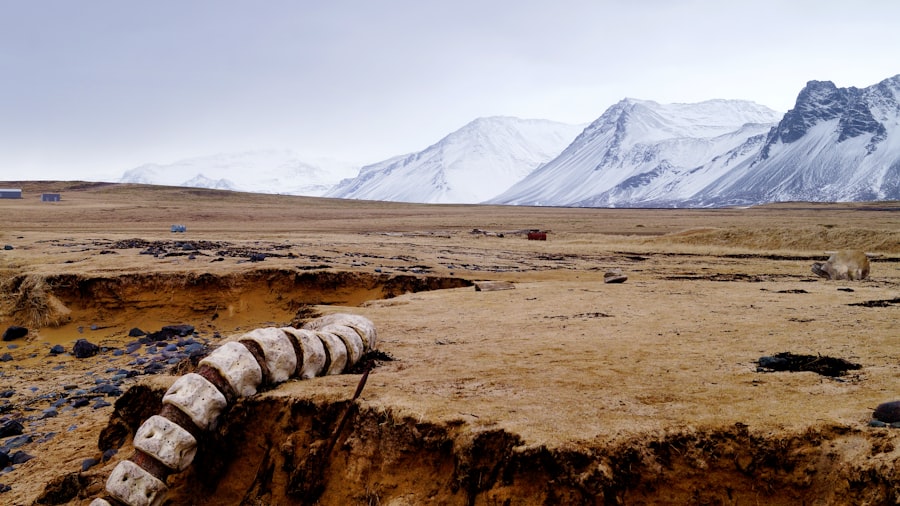
Agriculture in Tibet is heavily reliant on stable climatic conditions and predictable water sources. The melting of permafrost presents both challenges and opportunities for farmers in the region. On one hand, increased nutrient availability from thawing soils could enhance crop yields in some areas.
Farmers may find new opportunities for cultivation as previously inhospitable land becomes arable. On the other hand, the unpredictability of weather patterns poses significant risks to agricultural practices. Erratic rainfall and temperature fluctuations can lead to crop failures and food insecurity for local communities.
Additionally, soil erosion resulting from thawing permafrost can diminish land productivity over time. Farmers must adapt their practices to navigate these challenges while also considering sustainable methods that protect their environment.
Threat to Tibetan Infrastructure
The infrastructure in Tibet is at risk due to the melting permafrost, which can undermine roads, buildings, and other critical facilities. As the ground shifts and becomes unstable, existing structures may suffer from subsidence or damage, leading to costly repairs and safety hazards. Transportation routes that connect remote communities could become impassable due to erosion or flooding caused by thawing permafrost.
Moreover, essential services such as water supply systems and energy infrastructure are also vulnerable. Disruptions in these services can have far-reaching consequences for local populations who rely on them for daily life. The need for resilient infrastructure that can withstand these changes is becoming increasingly urgent as communities grapple with the realities of a warming climate.
Socio-economic Impact on Tibetan Communities
The socio-economic fabric of Tibetan communities is intricately linked to their environment. As permafrost melts and its consequences unfold, local populations face numerous challenges that threaten their livelihoods and cultural practices. Many communities depend on traditional agriculture and livestock herding; disruptions in these sectors can lead to economic instability and food insecurity.
Additionally, as water resources become less reliable and infrastructure deteriorates, access to education and healthcare may be compromised. The economic burden of adapting to these changes can strain already limited resources within communities. Furthermore, as migration becomes necessary for some families seeking better opportunities elsewhere, cultural ties may weaken, leading to a loss of traditional knowledge and practices.
Global Climate Change Implications
The melting permafrost in Tibet is not just a regional issue; it has significant implications for global climate change dynamics. As permafrost thaws, it releases large quantities of greenhouse gases such as carbon dioxide and methane into the atmosphere. These emissions contribute to global warming, creating a feedback loop that accelerates climate change further.
Moreover, changes in Tibetan ecosystems can affect weather patterns beyond the region itself. The Tibetan Plateau plays a crucial role in influencing monsoon systems across Asia; alterations in its climate could have cascading effects on agriculture and water resources throughout the continent. Understanding these connections is vital for addressing climate change on a global scale.
Mitigation Strategies for Melting Permafrost in Tibet
Addressing the challenges posed by melting permafrost requires comprehensive mitigation strategies that involve local communities, governments, and international organizations. One approach is promoting sustainable land management practices that enhance soil health and reduce erosion while maintaining agricultural productivity. This includes reforestation efforts and implementing agroecological techniques that work with natural processes.
Additionally, investing in resilient infrastructure is essential for adapting to changing conditions. Building roads and facilities designed to withstand shifting ground can help protect communities from disruptions caused by thawing permafrost. Furthermore, raising awareness about climate change impacts among local populations can empower them to take action and advocate for policies that prioritize environmental sustainability.
Conclusion and Call to Action
The melting permafrost in Tibet represents a critical challenge not only for the region but also for global climate stability. As temperatures rise and ecosystems shift, immediate action is necessary to mitigate these impacts and protect both local communities and biodiversity. It is imperative that governments, organizations, and individuals come together to address this pressing issue through sustainable practices and policies.
A collective commitment to understanding and responding to climate change will be essential for safeguarding Tibet’s unique environment and ensuring a sustainable future for its inhabitants.
The time for action is now; preserving Tibet’s permafrost is not just an environmental necessity but a moral imperative for future generations.
The melting of permafrost in Tibet has significant implications for the region’s ecology and climate, as it contributes to the release of greenhouse gases and alters local hydrology. For a deeper understanding of the broader impacts of permafrost thawing, you can read more in this related article: Tibet Permafrost Melting Impact.
WATCH THIS! Tibet’s Emptiness Is No Accident
FAQs
What is permafrost?
Permafrost is a layer of soil, rock, or sediment that remains frozen for at least two consecutive years. It is found in regions where the temperature remains below freezing for a significant portion of the year.
Why is permafrost melting in Tibet a concern?
The melting of permafrost in Tibet is a concern because it can lead to the release of greenhouse gases such as carbon dioxide and methane, which contribute to global warming. Additionally, the melting can destabilize the ground, leading to infrastructure damage and changes in the landscape.
What are the impacts of permafrost melting in Tibet?
The impacts of permafrost melting in Tibet include changes in the landscape, increased risk of landslides and flooding, damage to infrastructure such as roads and buildings, and the release of greenhouse gases.
How does permafrost melting in Tibet contribute to global climate change?
The melting of permafrost in Tibet contributes to global climate change by releasing greenhouse gases into the atmosphere. These gases trap heat and contribute to the warming of the planet.
What are some potential solutions to mitigate the impacts of permafrost melting in Tibet?
Some potential solutions to mitigate the impacts of permafrost melting in Tibet include improving infrastructure to withstand changes in the landscape, implementing policies to reduce greenhouse gas emissions, and conducting research to better understand the processes and impacts of permafrost melting.