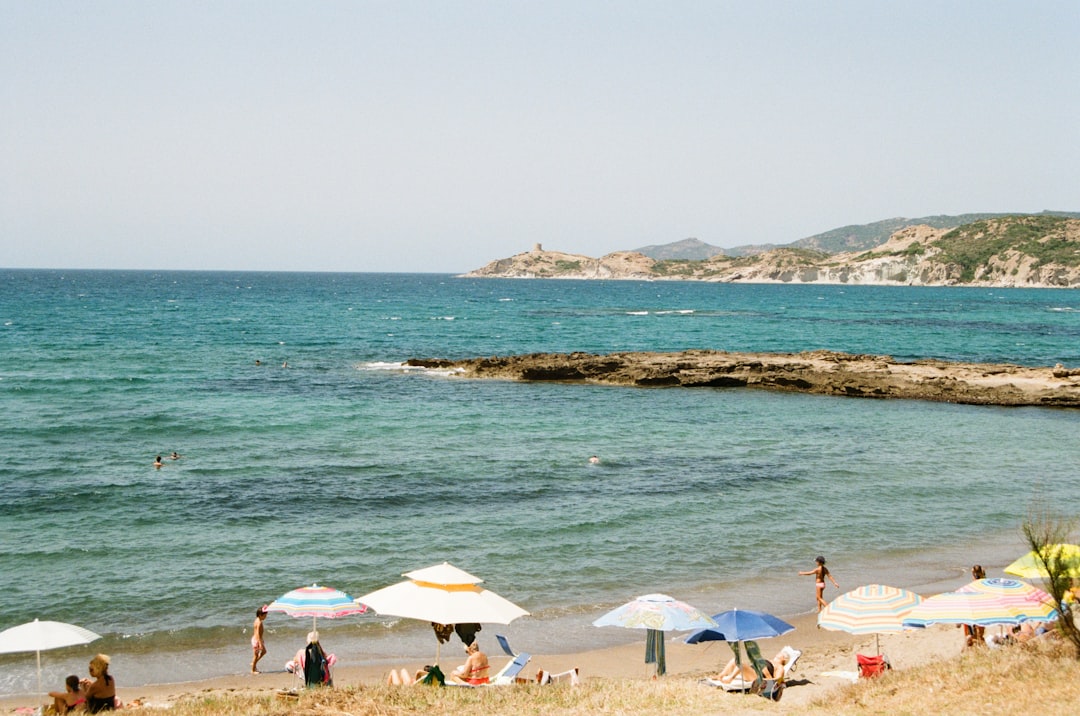
The Mediterranean region, renowned for its rich cultural heritage and stunning landscapes, is facing an unprecedented challenge: warming temperatures. This phenomenon, often referred to as Mediterranean warming, is a critical aspect of the broader climate change narrative. The Mediterranean Sea, bordered by Europe, Africa, and Asia, serves as a unique climatic zone that is particularly sensitive to shifts in temperature and weather patterns.
As global temperatures rise, the Mediterranean is experiencing significant changes that threaten its ecological balance, economic stability, and social fabric. Mediterranean warming is not merely a local issue; it is emblematic of the global climate crisis. The region has been identified as one of the most vulnerable areas to climate change, with projections indicating that temperatures could rise by 2 to 3 degrees Celsius by the end of the century.
This warming trend poses serious risks to the diverse ecosystems that thrive in this area, as well as to the millions of people who depend on its resources for their livelihoods. Understanding the intricacies of Mediterranean warming is essential for developing effective strategies to mitigate its impacts and adapt to the changing environment.
Key Takeaways
- The Mediterranean region is experiencing accelerated warming due to climate change, driven by both natural and human factors.
- Warming in the Mediterranean leads to severe consequences including ecosystem disruption, biodiversity loss, and increased frequency of extreme weather events.
- Human activities, such as greenhouse gas emissions and land use changes, significantly contribute to the region’s temperature rise.
- Mediterranean countries face challenges in addressing warming but can implement adaptation strategies and policy changes to mitigate impacts.
- International cooperation and urgent policy action are crucial to effectively combat Mediterranean warming and protect the region’s environment and communities.
The Impact of Climate Change on the Mediterranean Region
Climate change has far-reaching effects on the Mediterranean region, influencing everything from weather patterns to agricultural productivity. One of the most immediate impacts is the increase in extreme weather events, such as heatwaves, droughts, and heavy rainfall. These phenomena disrupt traditional agricultural practices and threaten food security for millions of people who rely on farming as their primary source of income.
The Mediterranean’s unique climate, characterized by hot, dry summers and mild, wet winters, is becoming increasingly erratic, leading to uncertainty in crop yields and water availability. Moreover, rising sea levels pose a significant threat to coastal communities throughout the Mediterranean. As glaciers melt and ocean temperatures rise, coastal erosion and flooding become more prevalent.
Cities like Venice and Alexandria are already experiencing the consequences of rising waters, which jeopardize infrastructure and cultural heritage sites. The economic implications are profound; tourism, a cornerstone of many Mediterranean economies, is at risk as natural attractions and historical landmarks face degradation or destruction.
Factors Contributing to the Accelerated Warming in the Mediterranean
Several factors contribute to the accelerated warming observed in the Mediterranean region. One primary driver is the geographical characteristics of the area itself. The Mediterranean Sea is relatively small compared to other oceans, which means it heats up more quickly and retains heat longer.
This phenomenon exacerbates local warming trends and influences regional climate patterns. Additionally, the surrounding landmasses contribute to a unique microclimate that can amplify temperature increases. Human activities also play a crucial role in this accelerated warming.
Urbanization has led to increased heat retention in cities, creating urban heat islands that further elevate local temperatures. Deforestation and land-use changes disrupt natural carbon sinks, reducing the region’s ability to absorb greenhouse gases. Furthermore, industrial activities and transportation contribute significantly to carbon emissions, compounding the effects of climate change in this already vulnerable area.
Consequences of Warming in the Mediterranean
The consequences of warming in the Mediterranean are multifaceted and far-reaching. One of the most alarming outcomes is the impact on water resources. As temperatures rise and precipitation patterns shift, freshwater availability becomes increasingly uncertain.
Many regions are already experiencing water scarcity, which threatens agriculture, drinking water supplies, and overall public health. The competition for dwindling water resources can lead to social tensions and conflict among communities. In addition to water scarcity, biodiversity loss is another critical consequence of Mediterranean warming.
The region is home to a wealth of plant and animal species, many of which are endemic and cannot be found anywhere else in the world. As temperatures rise and habitats change, these species face increased risks of extinction. Coral reefs in the Mediterranean are particularly vulnerable; rising sea temperatures lead to coral bleaching, which disrupts marine ecosystems and threatens fisheries that local communities depend on for sustenance.
The Role of Human Activity in Mediterranean Warming
| Metric | Mediterranean Region | Global Average | Notes |
|---|---|---|---|
| Temperature Increase (°C) per decade | 0.35 | 0.20 | Mediterranean warming rate is approximately 75% faster |
| Average Annual Temperature (°C) | 16.5 | 14.0 | Current average temperatures |
| Projected Temperature Increase by 2100 (°C) | 3.5 – 5.0 | 2.0 – 3.0 | Based on high emission scenarios |
| Frequency of Heatwaves (days/year) | 15 | 7 | Heatwaves are more frequent in the Mediterranean |
| Decrease in Annual Precipitation (%) | 10 – 20 | 5 – 10 | Greater drying trend in the Mediterranean |
| Sea Surface Temperature Increase (°C) per decade | 0.25 | 0.15 | Impacts marine ecosystems |
Human activity has been a significant catalyst for Mediterranean warming, with various sectors contributing to environmental degradation and climate change. Agriculture, while essential for food production, often relies on practices that exacerbate warming. Intensive farming methods can lead to soil degradation and increased greenhouse gas emissions.
Additionally, overfishing and pollution from agricultural runoff further strain marine ecosystems. Urbanization is another critical factor driving human-induced warming in the Mediterranean. Rapid population growth in cities has led to sprawling urban areas that consume vast amounts of energy and resources.
The construction of infrastructure often prioritizes short-term economic gains over long-term sustainability, resulting in increased carbon footprints. As cities expand, they also encroach upon natural habitats, further diminishing biodiversity and disrupting ecological balance.
Implications for Ecosystems and Biodiversity in the Mediterranean
The implications of warming for ecosystems and biodiversity in the Mediterranean are profound and alarming. As temperatures rise, many species are forced to adapt or migrate to cooler areas; however, not all species can move or evolve quickly enough to survive these rapid changes. This situation leads to a decline in biodiversity as some species face extinction while others may thrive at the expense of native flora and fauna.
Marine ecosystems are particularly vulnerable to warming temperatures. The Mediterranean Sea supports diverse marine life, including fish populations that are vital for local economies. However, rising sea temperatures can lead to shifts in species distribution, with some fish moving northward in search of cooler waters.
This shift can disrupt fishing industries that rely on specific species and threaten food security for communities dependent on these resources.
Challenges for Mediterranean Countries in Addressing Warming
Mediterranean countries face numerous challenges in addressing the impacts of warming. One significant hurdle is economic disparity among nations within the region. Wealthier countries may have more resources to invest in climate adaptation strategies, while poorer nations struggle to cope with immediate needs such as food security and public health.
This inequality complicates collaborative efforts to tackle climate change effectively. Additionally, political instability in certain areas can hinder progress toward addressing warming. Conflicts can divert attention and resources away from environmental issues, making it difficult for governments to implement necessary policies or engage in international cooperation.
The urgency of climate change requires unified action; however, geopolitical tensions can create barriers that prevent effective collaboration among Mediterranean nations.
Potential Solutions and Adaptation Strategies for Mediterranean Warming
To combat Mediterranean warming effectively, a multifaceted approach is necessary that includes both mitigation and adaptation strategies. One potential solution lies in promoting sustainable agricultural practices that reduce greenhouse gas emissions while ensuring food security. Techniques such as agroecology and organic farming can enhance soil health and resilience against climate impacts.
Investing in renewable energy sources is another critical strategy for addressing warming in the Mediterranean region. By transitioning away from fossil fuels toward solar, wind, and hydroelectric power, countries can reduce their carbon footprints while creating jobs and stimulating economic growth. Additionally, enhancing water management practices through improved irrigation systems and rainwater harvesting can help communities adapt to changing precipitation patterns.
The Importance of International Cooperation in Addressing Mediterranean Warming
International cooperation is essential for effectively addressing Mediterranean warming and its associated challenges. Climate change knows no borders; therefore, collaborative efforts among nations are crucial for sharing knowledge, resources, and best practices. Regional organizations such as the Union for the Mediterranean play a vital role in fostering dialogue and cooperation among member states on environmental issues.
Furthermore, international agreements like the Paris Agreement provide frameworks for countries to commit to reducing greenhouse gas emissions collectively. By working together toward common goals, Mediterranean nations can enhance their resilience against climate impacts while promoting sustainable development across the region.
The Need for Policy Changes to Mitigate Mediterranean Warming
Policy changes are imperative for mitigating Mediterranean warming effectively. Governments must prioritize environmental sustainability in their development agendas by implementing regulations that limit carbon emissions and promote renewable energy sources. Additionally, policies that incentivize sustainable agricultural practices can help reduce the sector’s impact on climate change while ensuring food security.
Investing in research and innovation is also crucial for developing new technologies that address climate challenges specific to the Mediterranean region. Policymakers should support initiatives that focus on climate adaptation strategies tailored to local contexts while fostering public awareness about the importance of environmental stewardship.
Urgency of Addressing Mediterranean Warming
The urgency of addressing Mediterranean warming cannot be overstated. As temperatures continue to rise and climate impacts become more pronounced, immediate action is required from governments, communities, and individuals alike. The consequences of inaction will be felt not only within the region but also globally as interconnected ecosystems face unprecedented stressors.
By prioritizing sustainable practices, fostering international cooperation, and implementing effective policies, Mediterranean countries can work together to combat warming and protect their unique environments for future generations. The time for action is now; only through collective efforts can they hope to mitigate the impacts of climate change and ensure a sustainable future for all who call this remarkable region home.
Recent studies have shown that the Mediterranean region is experiencing warming at a rate faster than the global average, which poses significant risks to its unique ecosystems and biodiversity. For a deeper understanding of the implications of this phenomenon, you can read more in the article on mygeoquest.
com/’>MyGeoQuest. This article delves into the environmental changes occurring in the Mediterranean and their potential impact on local communities and economies.
WATCH THIS! The $10 Trillion Secret: What Happens If The Strait of Gibraltar Closes For Good
FAQs
What does it mean that the Mediterranean is warming faster than the global average?
It means that the average temperature in the Mediterranean region is increasing at a higher rate compared to the average temperature increase observed worldwide. This accelerated warming can have significant environmental and socio-economic impacts in the area.
What are the main causes of the Mediterranean warming faster than the global average?
The faster warming in the Mediterranean is primarily due to a combination of global climate change driven by greenhouse gas emissions and regional factors such as changes in atmospheric circulation, reduced precipitation, and land-sea interactions that amplify temperature increases.
How much faster is the Mediterranean warming compared to the global average?
Studies indicate that the Mediterranean region is warming approximately 20% to 50% faster than the global average, though exact rates can vary depending on the specific location and time period analyzed.
What are the potential impacts of faster warming in the Mediterranean?
Faster warming can lead to more frequent and intense heatwaves, droughts, reduced water availability, loss of biodiversity, impacts on agriculture and fisheries, increased risk of wildfires, and challenges to human health and infrastructure.
Is the warming trend in the Mediterranean expected to continue?
Yes, climate models project that the Mediterranean will continue to warm at a rate faster than the global average if greenhouse gas emissions are not significantly reduced, leading to more severe climate-related impacts in the future.
What measures can be taken to address the faster warming in the Mediterranean?
Mitigation efforts include reducing greenhouse gas emissions globally, while adaptation strategies involve improving water management, enhancing ecosystem resilience, developing heatwave preparedness plans, and promoting sustainable land use and agriculture in the Mediterranean region.
How does Mediterranean warming affect global climate patterns?
Warming in the Mediterranean can influence regional atmospheric circulation and weather patterns, potentially affecting precipitation and temperature in surrounding areas. It may also contribute to changes in the Mediterranean Sea’s circulation and marine ecosystems, which can have broader climatic implications.
Are there any specific countries in the Mediterranean more affected by this warming?
Countries bordering the Mediterranean Sea, including Spain, Italy, Greece, Turkey, and North African nations, are all affected, but the degree of impact varies depending on local geography, climate, and socio-economic factors. Southern and eastern Mediterranean countries often experience more severe warming and related challenges.