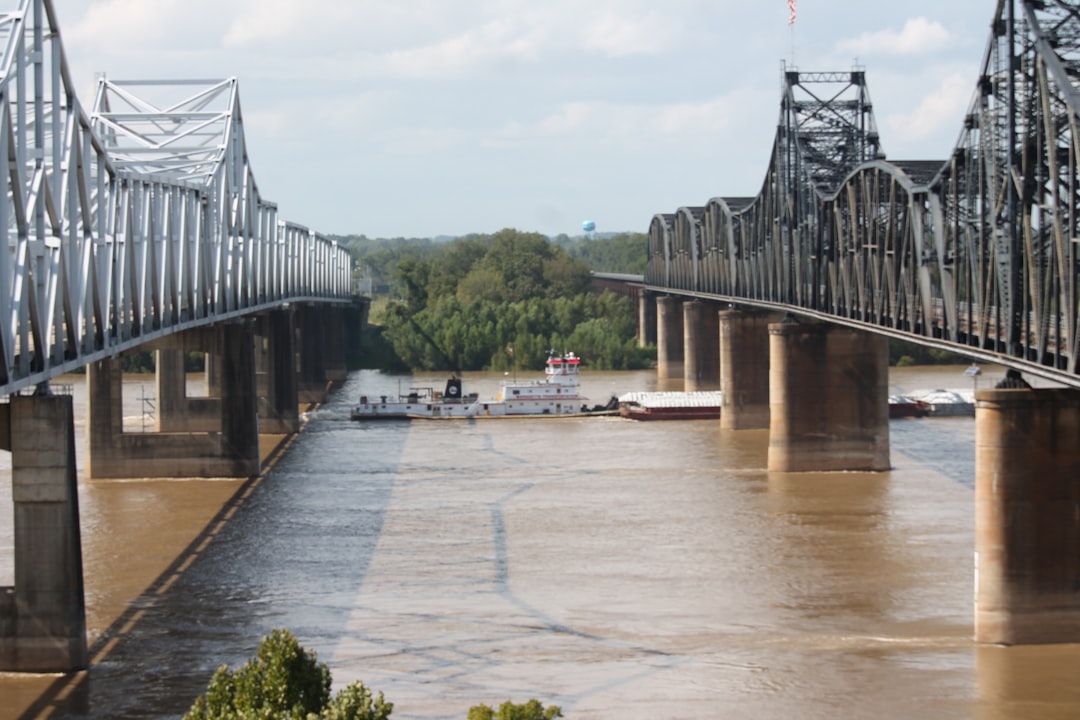
The Mississippi River, a lifeline of North America, presents a multifaceted engineering challenge. Its immense basin, dynamic hydrology, and extensive human infrastructure necessitate a comprehensive understanding of engineering design intent when considering flow maximization. This article delves into the principles, methodologies, and environmental considerations surrounding efforts to optimize the river’s discharge, aiming to inform readers about the intricate balance engineers strive to maintain.
For centuries, humanity has sought to harness and, indeed, manage the Mississippi. Early interventions, often localized and reactive, laid the groundwork for today’s sophisticated engineering approaches. Understanding these historical precedents provides context for current design philosophies. The recent developments in the Mississippi River infrastructure have significantly improved transportation efficiency.
Early Attempts at River Training
From the initial clearing of snags to the construction of rudimentary levees, early settlers and engineers recognized the river’s formidable power. These initial efforts, while often lacking comprehensive scientific backing, established a precedent for human intervention.
- Snag Removal: The clearing of fallen trees and debris was an early, crucial step in improving navigation and mitigating localized flooding. This often involved manual labor and rudimentary tools.
- Localized Levee Construction: Communities along the river, facing recurrent inundation, began building earthen embankments to protect their settlements. These were often piecemeal and lacked a unified design.
The Rise of Scientific Engineering
The 19th and 20th centuries witnessed a paradigm shift, as engineering became increasingly data-driven and multidisciplinary. The catastrophic floods of the early 20th century, particularly the Great Mississippi Flood of 1927, served as a stark reminder of the limitations of existing approaches and spurred the development of more elaborate, integrated solutions.
- The Mississippi River Commission: Established in 1879, this body played a pivotal role in standardizing engineering practices and overseeing large-scale flood control projects. Its formation marked a transition from localized efforts to a more centralized and coordinated approach.
- Development of Levee Systems: Post-1927, extensive levee systems became the cornerstone of flood protection, forming an artificial conduit for the river. These systems represent a monumental feat of civil engineering, aiming to contain and direct the river’s formidable discharge.
- Introduction of Diversion Structures: Recognizing the limitations of solely containing the river, engineers also began to implement diversion structures. These structures were designed to channel excess water away from main arteries, thus alleviating pressure on the primary flood control system.
The engineering design intent for the Mississippi River has been a topic of significant interest, particularly in relation to flood control and navigation improvements. A related article that delves into these aspects can be found at this link: Mississippi River Engineering Design Intent. This article explores the various engineering strategies employed to manage the river’s flow and mitigate the risks associated with flooding, while also enhancing its navigability for commercial shipping.
Fundamental Principles of Flow Maximization
Maximizing Mississippi River flow is not simply about letting more water pass; it’s a sophisticated interplay of hydraulics, geomorphology, and ecological considerations. Engineers, acting as the river’s stewards, grapple with these complex variables.
Hydraulic Efficiency Enhancement
The core of flow maximization lies in optimizing the river’s hydraulic efficiency. This involves reducing resistance to flow, thereby allowing water to move more freely and rapidly through the system.
- Channel Deepening and Widening: Dredging operations are critical for maintaining navigation depths and, simultaneously, for increasing the river’s cross-sectional area. A wider and deeper channel can accommodate a larger volume of water without a corresponding increase in water level.
- Removal of Obstructions: Similar to early snag removal, modern engineering continues to address obstructions that impede flow. This can range from natural sediment buildup to man-made structures that are no longer essential.
- Bank Stabilization: Eroding banks can contribute to sediment load and alter channel morphology, negatively impacting hydraulic efficiency. Techniques such as revetments and vegetative stabilization are employed to maintain channel integrity. These measures act as an exoskeleton for the river, preventing it from unraveling.
Sediment Management Strategies
Sediment is both a natural component of a river system and a significant challenge for flow maximization. Its accumulation can reduce channel capacity, akin to cholesterol clogging an artery.
- Dredging and Disposal: Regular dredging is a continuous necessity to maintain authorized navigation depths and control sediment accumulation. The strategic disposal of dredged material is also a critical consideration, with efforts to beneficial reuse now commonplace.
- Sediment Diversions: In certain areas, particularly near the delta, engineers implement sediment diversions. These allow controlled amounts of sediment-laden water to flow into adjacent wetlands, fostering land building and mitigating subsidence, while simultaneously reducing sediment load in the main navigation channel.
Engineering Design Intent for Flood Control
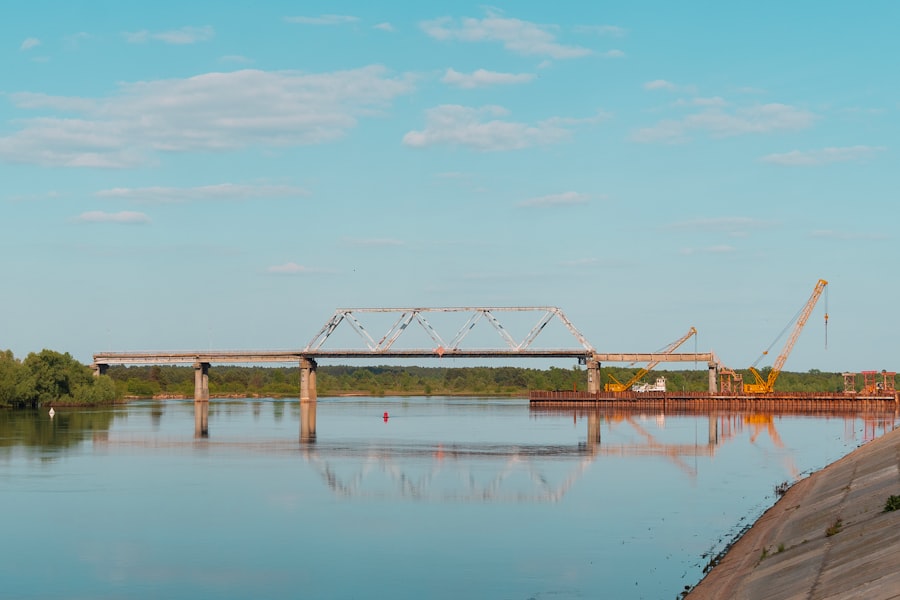
The primary driver for many flow maximization efforts is flood control. The design intent here is to safely convey floodwaters downstream, minimizing damage to human settlements and infrastructure.
Levee System Optimization
The vast levee system guarding the Mississippi is a testament to persistent human intervention. Its design and continuous refinement are crucial for flood protection.
- Levee Setback Projects: In some instances, levees are strategically set back from the river’s edge. This widens the floodway, providing more space for the river to spread during high flows, thus reducing water levels and pressure on the levee system. This is akin to giving the river more room to breathe.
- Structural Integrity Enhancements: Ongoing monitoring and maintenance, combined with periodic structural upgrades, are essential to ensure the levees can withstand extreme flood events. This includes addressing seepage, erosion, and potential foundation issues.
Spillways and Diversion Channels
When the primary levee system faces overwhelming pressures, auxiliary structures come into play, providing emergency relief valves for the river.
- Bonnet Carré Spillway: Located upstream of New Orleans, this structure diverts excess floodwaters from the Mississippi River into Lake Pontchartrain and ultimately into the Gulf of Mexico. Its design intent is to protect New Orleans and surrounding areas from severe flooding by reducing the river’s flow through the city.
- Morganza Control Structure: This vital structure near Morganza, Louisiana, can divert Mississippi River floodwaters into the Atchafalaya Basin, thus preventing catastrophic flooding in Baton Rouge and New Orleans. It serves as a critical safety valve, illustrating the proactive nature of modern flood control engineering.
Environmental Considerations and Sustainable Engineering
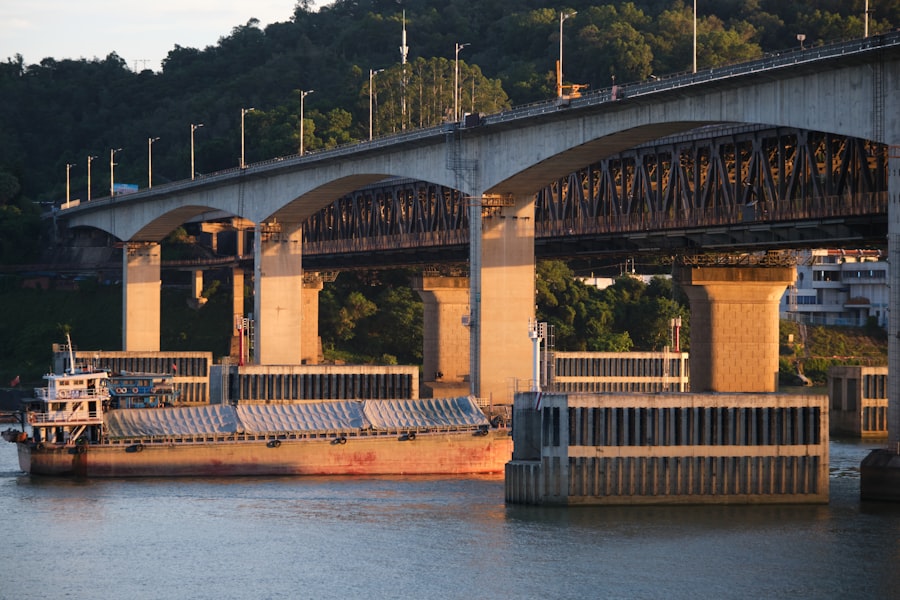
Maximizing flow must not come at an unacceptable environmental cost. Modern engineering design intent integrates ecological sustainability, recognizing the river as a living system.
Habitat Preservation and Restoration
The river and its floodplain are rich ecosystems. Engineering projects are increasingly designed to minimize negative impacts and, where possible, enhance ecological values.
- Fish Passage Facilities: Dams and control structures can impede fish migration. Engineers now incorporate fish ladders and other passage solutions to maintain aquatic biodiversity. These are carefully designed to overcome vertical barriers while ensuring the structural integrity of the main facility.
- Wetland Creation and Restoration: Sediment diversions, while managing sediment load, also play a crucial role in creating and restoring coastal wetlands, which are vital for wildlife and act as natural buffers against storm surges. This represents a symbiotic relationship between engineering and ecology.
Water Quality Management
The health of the river is intrinsically linked to the quality of its water. Flow maximization efforts must consider the downstream impacts on water quality.
- Minimizing Turbidity: Dredging operations can temporarily increase turbidity. Engineers implement measures to mitigate these impacts, such as employing sediment curtains and carefully timing operations to avoid sensitive periods.
- Pollution Mitigation through Design: While engineering directly controls flow, it also indirectly impacts water quality by influencing residence time and dilution. Design considerations for wastewater treatment plants and agricultural runoff management in the broader basin contribute to overall river health.
The engineering design intent for the Mississippi River is a critical topic that encompasses various aspects of flood control, navigation, and ecological preservation. For a deeper understanding of the challenges and innovations in this field, you can explore a related article that discusses the intricate balance between human intervention and natural processes. This insightful piece can be found at MyGeoQuest, where it delves into the complexities of managing one of America’s most significant waterways.
Future Challenges and Adaptive Management Strategies
| Design Aspect | Metric/Value | Description |
|---|---|---|
| Channel Depth | 9 feet (authorized), 12 feet (target) | Maintains navigability for commercial vessels along the river |
| Levee Height | Varies, typically 20-30 feet | Protects adjacent lands from floodwaters during high flow events |
| Floodway Width | Up to 1 mile in some sections | Allows controlled overflow to reduce flood risk downstream |
| Flow Capacity | Up to 1.5 million cubic feet per second | Designed to handle major flood events without catastrophic failure |
| Bank Stabilization | Riprap and concrete revetments | Prevents erosion and maintains channel alignment |
| Navigation Locks | Multiple locks, typically 110 ft wide x 600 ft long | Facilitates vessel passage through dams and elevation changes |
| Sediment Management | Periodic dredging | Maintains channel depth and prevents sediment buildup |
| Design Flood Frequency | 1% annual chance flood (100-year flood) | Engineering standard for levee and flood control design |
The Mississippi River is a dynamic entity, constantly presenting new challenges. Engineering design intent must therefore be adaptive and forward-looking.
Climate Change Impacts
Global climate change introduces significant uncertainties regarding future flow regimes, demanding flexibility in engineering solutions.
- Increased Frequency of Extreme Events: Engineers are now designing for a future with potentially more intense and frequent floods and droughts. This necessitates robust infrastructure and flexible operational protocols.
- Sea Level Rise Implications: In the lower reaches, sea level rise exacerbates issues related to storm surge and influences river hydrodynamics, requiring adjustments to levee heights and diversion strategies. This creates a moving target for engineers.
Balancing Competing Demands
The Mississippi serves multiple masters: navigation, flood control, agriculture, energy production, and ecosystems. Engineering must navigate these often-conflicting demands.
- Integrated Water Resources Management: This holistic approach seeks to optimize water use across all sectors, recognizing the interconnectedness of the river system. It requires collaboration among diverse stakeholders and a willingness to compromise.
- Adaptive Governance and Policy: Engineering solutions alone are insufficient. Effective governance and policy frameworks are crucial for guiding decision-making and ensuring the long-term sustainability of the Mississippi River system. This policy framework acts as the rudder, steering the engineering ship.
In conclusion, maximizing Mississippi River flow is a perpetual engineering endeavor, driven by the intent to balance human needs with environmental stewardship. It demands a deep understanding of hydraulic principles, geomorphological processes, and ecological interdependencies. As readers, understanding these complexities allows for a more informed appreciation of the monumental task undertaken by engineers to manage this iconic waterway, ensuring its vitality for generations to come. The Mississippi is not merely a river; it is a grand, living machine, constantly requiring skilled engineers to fine-tune its intricate mechanisms.
WATCH THIS! 🚨CRACKING: Why America’s $5 Trillion Dam is Failing Right Now
FAQs
What is the primary purpose of engineering design along the Mississippi River?
The primary purpose of engineering design along the Mississippi River is to manage water flow, prevent flooding, support navigation, and protect surrounding communities and ecosystems. This includes the construction and maintenance of levees, dams, locks, and floodways.
What does “design intent” mean in the context of Mississippi River engineering?
“Design intent” refers to the original goals and objectives that guide the planning and construction of engineering projects on the Mississippi River. It encompasses considerations such as flood control, navigation efficiency, environmental protection, and long-term sustainability.
What types of structures are commonly used in Mississippi River engineering?
Common structures include levees, floodwalls, locks and dams, spillways, and diversion channels. These are designed to control water levels, facilitate river traffic, and reduce flood risks.
How does engineering design address flood control on the Mississippi River?
Engineering design incorporates levees, floodways, reservoirs, and controlled spillways to manage high water events. These structures help to contain or redirect floodwaters, minimizing damage to populated and agricultural areas.
What role does navigation play in the engineering design of the Mississippi River?
Navigation is a critical factor, as the Mississippi River is a major commercial waterway. Engineering designs include locks and dams to maintain navigable depths and ensure safe, efficient passage for barges and ships.
How are environmental concerns integrated into Mississippi River engineering projects?
Modern engineering designs aim to balance human needs with environmental protection by incorporating habitat restoration, wetland preservation, and water quality management into project planning and execution.
Who is responsible for the engineering design and maintenance of the Mississippi River infrastructure?
The U.S. Army Corps of Engineers is the primary federal agency responsible for the design, construction, and maintenance of major infrastructure along the Mississippi River, often working in coordination with state and local agencies.
How has the engineering design of the Mississippi River evolved over time?
Engineering design has evolved from simple levee construction to complex, integrated flood risk management systems that incorporate advanced modeling, environmental considerations, and adaptive management strategies.
What challenges are faced in the engineering design of the Mississippi River?
Challenges include managing sedimentation, balancing flood control with ecological health, adapting to climate change impacts, maintaining aging infrastructure, and coordinating among multiple jurisdictions.
Can engineering design completely prevent flooding along the Mississippi River?
While engineering design significantly reduces flood risk, it cannot completely prevent flooding due to the river’s size, variability, and extreme weather events. Flood management strategies focus on risk reduction and mitigation rather than total prevention.