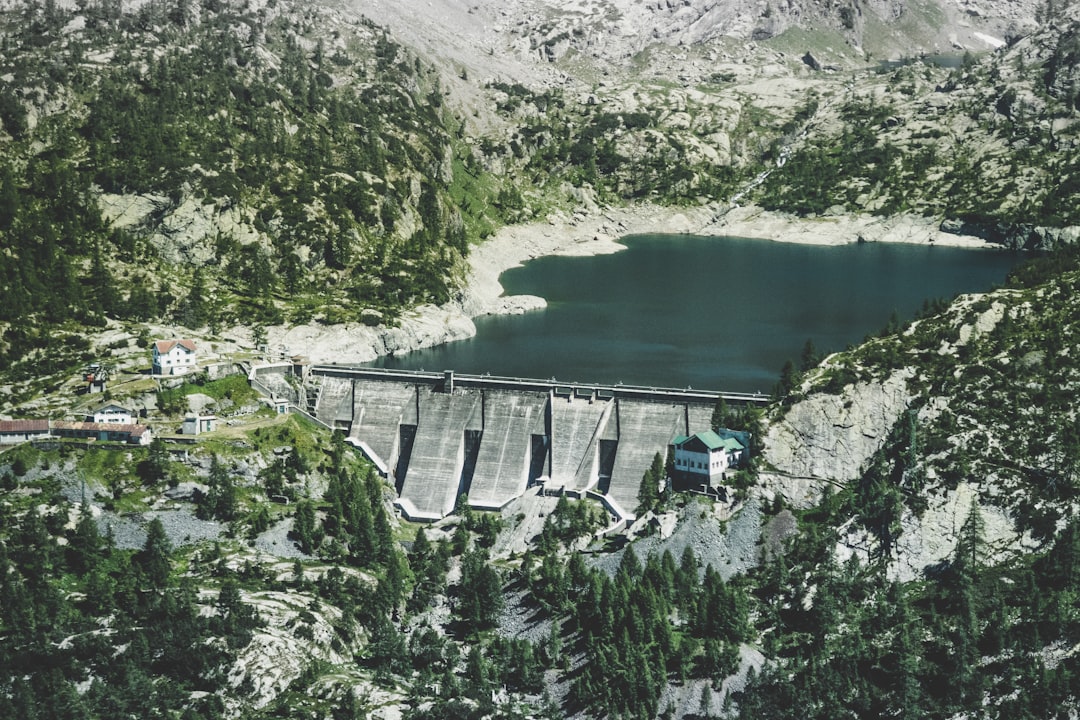
Modular hydroelectric development represents an evolving paradigm in the renewable energy sector, offering a distinct approach to harnessing the kinetic energy of flowing water. Unlike traditional large-scale hydroelectric dams, which are capital-intensive, geographically constrained, and often environmentally disruptive, modular systems prioritize adaptability, scalability, and reduced environmental impact. This method involves the use of standardized, prefabricated units or modules that can be deployed and configured in a variety of settings, from remote streams to existing water infrastructure. The core principle is to segment the complex process of hydroelectric power generation into manageable, reproducible components, thereby lowering barriers to entry and facilitating a more distributed and responsive approach to energy production.
At its heart, modular hydroelectric development is about breaking down a monolithic challenge into smaller, more manageable pieces. Consider how a skyscraper is built: it’s not a single, massive pour of concrete but a series of carefully designed and constructed floors, each with its own purpose and integration. Modular hydro follows this same logic, employing a system of interconnected, standardized units.
Standardization and Prefabrication: The Building Blocks of Efficiency
The cornerstone of modular hydroelectricity lies in the extensive use of standardization and prefabrication. This approach mirrors advancements seen in other industries, such as aerospace and manufacturing, where interchangeable parts and assembly-line techniques have revolutionized production and reduced costs.
Customization within a Standardized Framework
While the term “standardized” might suggest a lack of flexibility, the reality is that modular systems offer a surprising degree of customization. Manufacturers design a range of turbine sizes, generator capacities, and control systems that can be mixed and matched to suit specific site conditions and energy demands. This allows for a tailored solution without the need for bespoke engineering for every single project.
Reduced On-Site Construction and Installation Timelines
The prefabrication of components in controlled factory environments significantly reduces the time and labor required for on-site construction. This is akin to assembling a complex piece of furniture from flat-pack components rather than carving each piece from raw lumber. The benefits include lower labor costs, reduced disruption to the surrounding environment, and faster project completion, enabling quicker revenue generation.
Scalability and Adaptability: Growing with Demand
One of the most significant advantages of modular hydroelectric development is its inherent scalability and adaptability. This allows energy producers to align their output precisely with projected or fluctuating demand, avoiding the over-investment often associated with fixed-capacity traditional projects.
Incremental Capacity Expansion
Instead of committing to a massive upfront investment for a large power plant, modular systems allow for incremental capacity expansion. As energy demand grows or financial resources become available, additional modules can be added to the existing setup. This is like plugging in another appliance to expand the functionality of your existing electrical circuit, rather than having to rewire the entire house.
Suitability for Diverse Hydrological Conditions
Modular hydropower systems are designed to be adaptable to a wide range of flow rates and head pressures. This means they can be deployed in diverse geographical locations where traditional large-scale dams might be impractical or environmentally unsuitable. Whether it’s a fast-flowing mountain stream or a more moderate river, a suitable configuration can often be found.
In exploring innovative approaches to renewable energy, the article on modular hydroelectric development strategy provides valuable insights into how small-scale hydro projects can be effectively implemented to enhance energy sustainability. For a deeper understanding of this topic, you can read more in the related article available at this link.
Advantages of Modular Hydroelectric Systems
The adoption of modular hydroelectric development brings forth a constellation of advantages that address many of the limitations of conventional hydroelectric power. These benefits span economic, environmental, and operational domains, positioning modular hydro as a compelling alternative for a decentralized energy future.
Economic Benefits: Lowering the Barrier to Entry
The economic proposition of modular hydroelectricity is a primary driver of its growing interest. By fragmenting the upfront costs and reducing project complexity, it opens up opportunities for a wider range of investors and developers.
Reduced Capital Expenditure (CAPEX)
The prefabricated nature of modular components significantly lowers the initial capital expenditure compared to large-scale dam construction. This makes hydroelectric power more accessible to smaller utilities, local communities, and private investors who may not have access to the substantial financing required for traditional projects. It’s like buying a smaller, more manageable seed that can grow into a productive plant, rather than needing a vast orchard from the outset.
Shorter Payback Periods
The combination of lower CAPEX and faster deployment times often leads to shorter payback periods for modular hydroelectric projects. This improved financial return is attractive to investors seeking quicker returns on their capital, further stimulating renewable energy investment.
Lower Operational and Maintenance Costs
Standardized modules often benefit from economies of scale in manufacturing, leading to more robust and reliable components. Furthermore, their modular design facilitates easier maintenance and replacement of individual parts, potentially reducing long-term operational and maintenance costs.
Environmental Friendliness: Minimizing Ecological Footprints
The environmental credentials of modular hydroelectric development are another strong selling point, particularly in an era of increasing environmental consciousness and regulatory scrutiny.
Reduced Land Use and Habitat Disruption
Unlike large dams that inundate vast areas of land and disrupt riverine ecosystems, modular systems typically have a much smaller physical footprint. They often utilize existing riverbeds, canals, or run-of-river principles, minimizing the need for extensive land acquisition and habitat destruction. This is akin to a gardener tending to a small, contained plot rather than clearing an entire forest for cultivation.
Minimized Impact on Fish Migration and Aquatic Life
The design of many modular hydroelectric units prioritizes the passage of fish and other aquatic life. Low-head turbines, fish-friendly intake screens, and reduced flow alteration contribute to a more benign impact on aquatic ecosystems. Traditional dams can act as insurmountable barriers, akin to a colossal wall stopping a migratory journey, while modular systems are more like well-placed stepping stones that allow for passage.
Lower Greenhouse Gas Emissions
While hydroelectric power generation itself produces minimal direct greenhouse gas emissions during operation, the construction of large dams can be associated with significant emissions from concrete production and land disturbance. Modular systems, with their reduced construction requirements, generally have a lower embodied carbon footprint.
Operational Flexibility and Resilience: Responding to Needs
The operational characteristics of modular hydroelectric units offer a level of flexibility and resilience that is challenging to achieve with larger, fixed installations.
Load Following Capabilities
Many modular systems are designed with the capacity for rapid startup and shutdown, allowing them to respond effectively to fluctuations in electricity demand. This “load following” capability is crucial for grid stability, especially as the penetration of intermittent renewable sources like solar and wind power increases. It’s like having a nimble fleet of small boats that can quickly adjust their speed and direction to navigate changing currents, rather than a single, massive cargo ship that’s slow to maneuver.
Decentralized Power Generation and Grid Resilience
The deployment of numerous smaller, distributed modular hydroelectric units can enhance grid resilience. In the event of a major grid failure or natural disaster affecting a large power plant, a decentralized network of modular systems can continue to supply power to local areas, acting as localized energy islands.
Applications and Technologies in Modular Hydroelectric Development
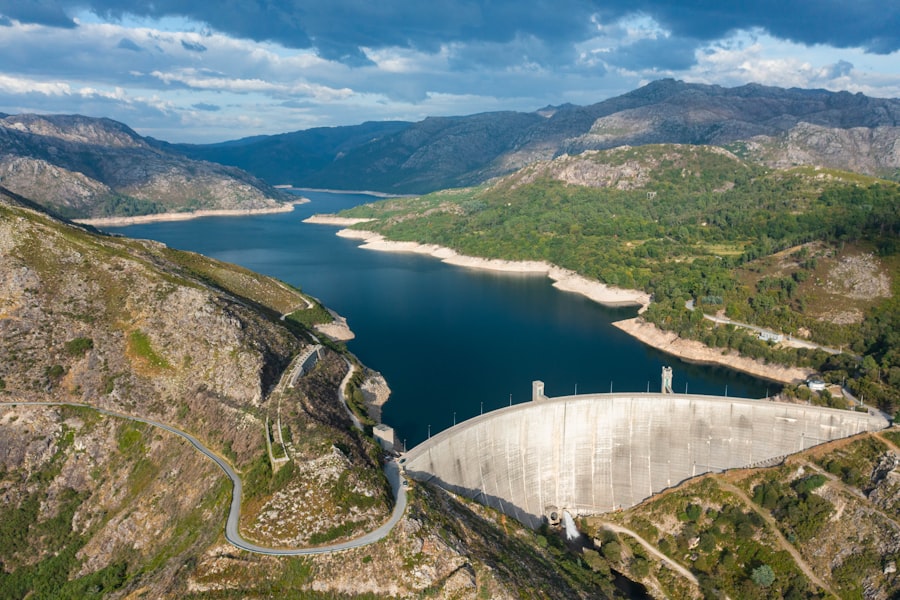
The versatility of modular hydroelectric development is reflected in the diverse range of applications and the variety of technologies employed. From small-scale community projects to integration with existing industrial water systems, the adaptability of these units makes them suitable for a broad spectrum of needs.
Run-of-River Systems: Harnessing Natural Flow
Run-of-river (ROR) modular systems are perhaps the most ubiquitous and environmentally sensitive application. These systems divert a portion of a river’s flow through a turbine without the need for a large dam or reservoir.
Archimedes Screw Turbines
The Archimedes screw turbine is a prominent technology within ROR modular systems. This elegant design, essentially a rotating screw within a trough, captures energy from the flow of water with minimal impact on fish and river ecology. Their slow rotational speed and open structure make them highly fish-friendly.
Kaplan and Francis Turbines Optimized for Low Head
While traditionally associated with larger dams, smaller, optimized versions of Kaplan and Francis turbines are also employed in modular ROR systems, particularly where a slightly higher head is available. These are engineered for efficient operation at lower water pressures.
Integration with Existing Infrastructure: Finding Hidden Potential
Modular hydropower can be seamlessly integrated into existing man-made structures, unlocking previously underutilized energy potential.
Canal Hydro Power
Sections of irrigation canals, industrial water channels, and urban drainage systems often possess consistent flow and a drop in elevation that can be harnessed by modular turbines. This requires minimal additional infrastructure and avoids the environmental impact of new dam construction. It’s like finding an untapped water source within your existing plumbing system.
Wastewater Treatment Plants and Water Distribution Networks
The constant flow through wastewater treatment plants and the pressure within municipal water distribution networks present opportunities for modular hydropower integration. These systems can generate electricity to offset the energy consumption of the plants themselves, creating a self-sustaining loop.
Micro and Pico Hydroelectric Power: Empowering Remote Communities
Modular design principles are particularly well-suited for micro and pico hydropower systems, which provide electricity to remote communities or individual households.
Off-Grid Power Solutions
In regions lacking access to the main electricity grid, modular micro-hydro units can provide a reliable and sustainable source of power for lighting, communication, and essential appliances, significantly improving quality of life.
Community-Owned Renewable Energy Projects
The affordability and scalability of modular hydro make it an attractive option for community-driven renewable energy initiatives, fostering local economic development and energy independence.
Challenges and Considerations for Modular Hydroelectric Development
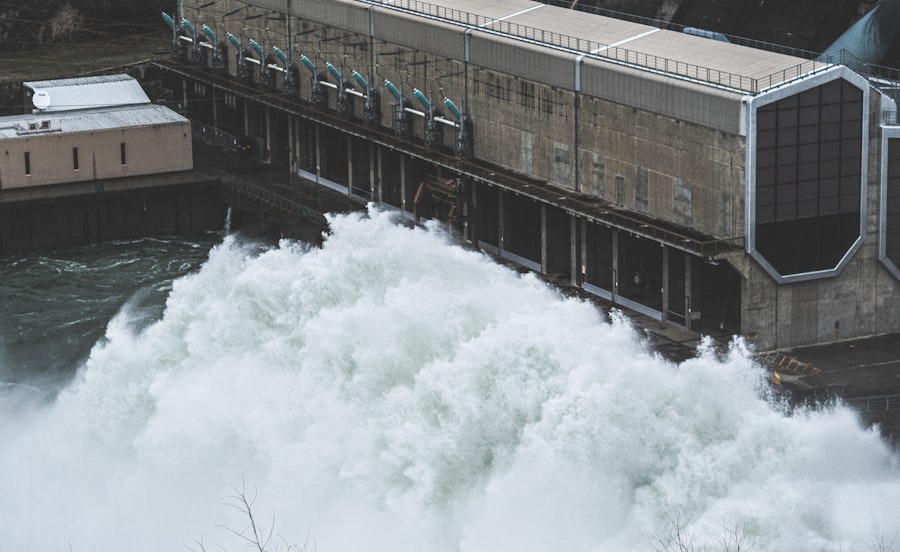
Despite its numerous advantages, modular hydroelectric development is not without its challenges. Addressing these hurdles is crucial for its widespread adoption and continued success.
Site Selection and Resource Assessment: The Crucial First Step
The success of any hydroelectric project, modular or otherwise, hinges on accurate site selection and a thorough assessment of the water resource.
Hydrological Variability and Flow Fluctuations
While modular systems are adaptable, understanding the seasonal and inter-annual variability of water flow is critical. Unexpected droughts or flood events can impact energy generation and the longevity of the equipment. It’s like planning a garden without considering the local rainfall patterns – the results can be unpredictable.
Environmental Impact Assessments (EIAs) and Permitting
Even with a reduced environmental footprint, modular hydroelectric projects still require rigorous environmental impact assessments and permitting processes. These can be complex and time-consuming, varying significantly by jurisdiction.
Technological Advancements and Standardization Challenges
Ongoing innovation in turbine design, materials science, and control systems is vital, but the pace of standardization can sometimes lag behind.
Ensuring Interoperability and Component Compatibility
As the modular hydro market grows, ensuring that components from different manufacturers are interoperable and compatible is essential for maintaining the flexibility and scalability of systems. This requires industry-wide agreement on technical standards.
Performance Optimization and Efficiency Gains
While current technologies are effective, ongoing research and development are focused on further optimizing turbine efficiency, improving power conversion, and enhancing the overall lifespan of modular components.
Economic and Financial Barriers: Bridging the Investment Gap
While generally more affordable than traditional hydro, securing financing for modular projects can still be a hurdle, especially for smaller-scale ventures.
Access to Capital for Small and Medium Enterprises (SMEs)
SMEs involved in modular hydropower development may face challenges in accessing the necessary capital for manufacturing, installation, and project deployment. Innovative financing mechanisms are needed to support this sector.
Market Uncertainty and Policy Support
Fluctuations in energy markets and the level of government policy support can influence investment decisions. Clear and consistent policies that favor renewable energy development are crucial for de-risking investments in modular hydropower.
The growing interest in sustainable energy solutions has led to innovative approaches in modular hydroelectric development strategies. A related article that explores the benefits and challenges of this approach can be found at My Geo Quest, where it discusses how modular systems can enhance energy efficiency while minimizing environmental impact. This strategy not only allows for scalable energy production but also promotes the integration of renewable resources into existing infrastructures.
The Future of Modular Hydroelectric Development
| Metric | Description | Typical Value / Range | Unit |
|---|---|---|---|
| Module Capacity | Power output per individual hydroelectric module | 1 – 10 | MW |
| Number of Modules | Total modules deployed in a modular hydroelectric system | 5 – 50 | Units |
| Installation Time per Module | Average time required to install one module | 3 – 6 | Months |
| Scalability | Ability to increase capacity by adding modules | High | Qualitative |
| Capital Cost per MW | Investment cost for each megawatt of capacity | 1,000 – 3,000 | Currency units per kW |
| Operational Efficiency | Ratio of actual output to potential output | 85 – 95 | % |
| Environmental Impact | Relative ecological footprint compared to traditional hydro plants | Low to Moderate | Qualitative |
| Maintenance Frequency | Average number of maintenance cycles per year per module | 1 – 2 | Times per year |
| Grid Integration Time | Time required to connect modules to the power grid | 1 – 2 | Months |
The trajectory of modular hydroelectric development points towards a future of increased decentralization, enhanced grid flexibility, and further integration with other renewable energy sources. Its adaptability and scalability position it as a key player in the global transition towards a sustainable energy landscape.
Increased Integration with Renewable Energy Grids
As grids become more saturated with intermittent renewables like solar and wind, the dispatchable and controllable nature of modular hydropower will become increasingly valuable. It can act as a complementary backstop, smoothing out the peaks and troughs of other renewable generation.
Hybrid Renewable Energy Systems
The concept of hybrid systems, combining modular hydro with solar PV, wind turbines, or energy storage, is gaining traction. This allows for optimized energy generation that leverages the strengths of each technology to provide a more reliable and resilient power supply.
Decentralization of Energy Production and Community Empowerment
Modular hydroelectric development is a powerful enabler of decentralized energy production. It empowers communities to generate their own clean electricity, fostering energy independence and local economic development.
Energy Cooperatives and Localized Grids
The model of energy cooperatives, where communities collectively own and manage their power generation assets, is well-suited for modular hydro. This can lead to the establishment of localized microgrids that are more resilient to external disruptions.
Innovation in Turbine Design and Materials
The ongoing pursuit of innovation in turbine design, materials science, and advanced manufacturing techniques will continue to drive down costs and improve the efficiency and environmental performance of modular hydroelectric systems.
Advanced Hydrodynamic Modeling and Computational Fluid Dynamics (CFD)
The use of sophisticated computational tools allows for more precise design and optimization of turbine blades and casings, leading to higher energy yields and reduced environmental impact.
Sustainable Materials and Manufacturing Processes
A growing focus on using sustainable materials and adopting environmentally responsible manufacturing processes will further enhance the ecological credentials of modular hydroelectric components.
Modular hydroelectric development represents a sensible evolution in harnessing hydropower’s potential. By embracing standardization, scalability, and a reduced environmental impact, it offers a compelling pathway for both established and emerging energy markets to achieve cleaner, more resilient, and more accessible energy solutions. It is a testament to the power of breaking down complex problems into manageable, interconnected solutions, a principle that holds true not only in engineering but in building a sustainable future.
FAQs
What is a modular hydroelectric development strategy?
A modular hydroelectric development strategy involves designing and implementing hydroelectric power systems in smaller, standardized units or modules. This approach allows for scalable, flexible, and often more cost-effective deployment of hydroelectric power projects.
What are the benefits of using a modular approach in hydroelectric development?
The modular approach offers several benefits, including easier scalability, reduced initial capital investment, faster construction times, simplified maintenance, and the ability to adapt to varying site conditions or energy demands.
How does modular hydroelectric development impact environmental sustainability?
Modular hydroelectric projects typically have a smaller environmental footprint compared to large-scale dams. They can be designed to minimize disruption to aquatic ecosystems, reduce land use, and allow for incremental development that aligns with environmental regulations and conservation goals.
Where are modular hydroelectric systems most effectively implemented?
Modular hydroelectric systems are particularly effective in remote or off-grid locations, small rivers or streams, and areas where large-scale hydroelectric projects are not feasible due to environmental, social, or economic constraints.
What challenges are associated with modular hydroelectric development?
Challenges include potential limitations in power output compared to large-scale plants, the need for specialized design to optimize each module, integration with existing power grids, and ensuring cost-effectiveness when scaling up the number of modules.