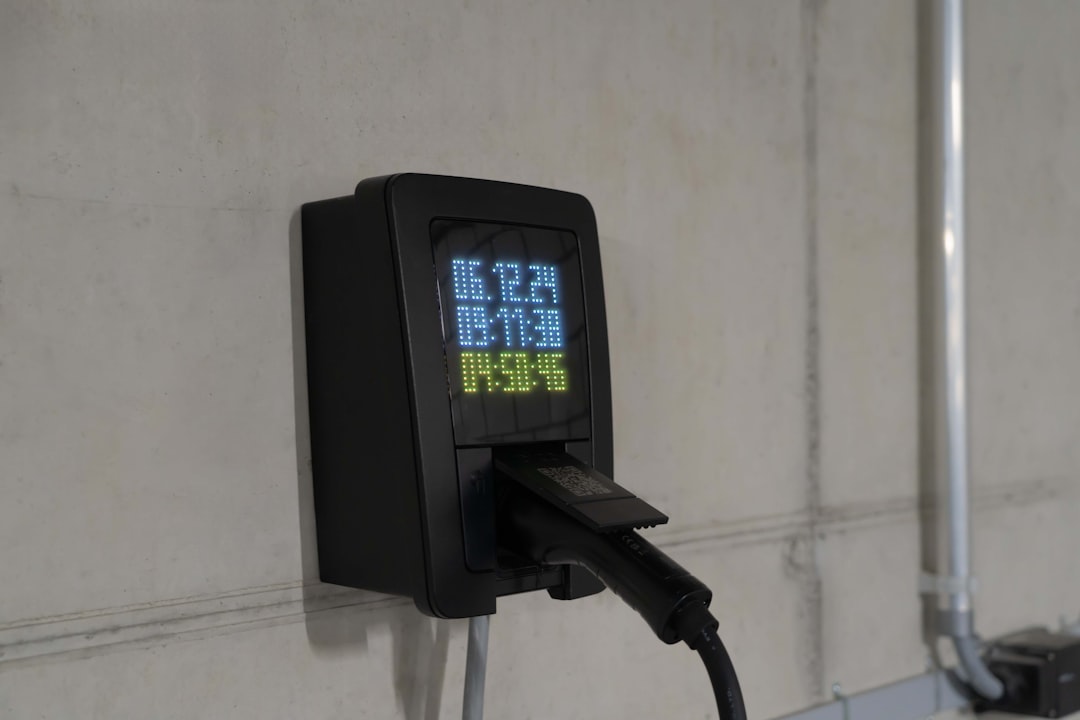
The ubiquitous hum of electricity, or often its absence, is a defining characteristic of life in the Democratic Republic of Congo (DRC). For millions, access to a stable and affordable power supply remains a distant aspiration, hindering economic development and impacting daily life. However, a technological revolution is quietly underway, one that promises to re-engineer how electricity is metered, collected, and ultimately, utilized: the integration of smart meters and modern electricity collection systems. This article will explore how these innovations can serve as potent catalysts for maximizing efficiency within the DRC’s energy sector, fundamentally altering the landscape for both power providers and consumers.
Smart meters represent a significant leap forward from the analog meters that have long been the industry standard. They are not merely sophisticated devices for measuring electricity consumption; they are the nerve centers of a dynamic and responsive energy grid. Their intelligence lies in their ability to transmit real-time data back to the utility company, offering an unprecedented level of insight into energy usage patterns. This bidirectional communication is the bedrock upon which greater efficiency can be built.
How Smart Meters Function: Beyond Simple Measurement
Real-Time Data Transmission and Analysis
At their core, smart meters are equipped with communication modules (often wireless) that allow them to send consumption data to a central server at regular intervals. This data is no longer confined to monthly manual readings. Instead, utilities receive granular information on kilowatt-hour (kWh) consumption, voltage levels, and even power quality. This constant stream of information acts as a vital diagnostic tool, akin to a doctor monitoring a patient’s vital signs, enabling immediate identification of anomalies and potential issues. The ability to analyze this data in near real-time empowers utilities to move from reactive problem-solving to proactive management. Trends in consumption, peak demand periods, and areas experiencing unusual surges or drops can be identified and addressed before they escalate into widespread outages or inefficient resource allocation.
Remote Meter Reading and Management
The days of dispatching technicians to physically read meters are becoming a relic of the past with smart meter technology. This translates directly into significant cost savings for electricity providers. Fewer personnel are required for meter reading, reducing operational expenses related to labor, transportation, and time. Furthermore, remote capabilities allow for the swift activation or deactivation of services, simplifying the process of connecting new customers and disconnecting those who have not paid their bills. This operational agility is crucial in a market where administrative burdens can often outweigh service delivery.
Consumer Engagement and Empowerment
Smart meters are not solely for the benefit of the utility. They also offer consumers a window into their own energy consumption habits. Many smart meter systems come with accompanying mobile applications or web portals that allow users to track their electricity usage in real-time. This transparency empowers consumers to make informed decisions about their energy consumption. They can identify which appliances consume the most power, understand the impact of their usage on their bills, and actively seek ways to reduce their consumption. This mirrors the experience of understanding a detailed bank statement, where seeing specific expenditures allows for better budgeting and control, ultimately leading to more responsible financial (or in this case, energy) management.
Smart meters are revolutionizing the way electricity is collected and managed, particularly in regions like the Democratic Republic of the Congo (DRC), where energy access remains a significant challenge. For a deeper understanding of how smart meters can enhance electricity collection and improve energy efficiency in the DRC, you can read a related article on this topic at My Geo Quest. This resource provides insights into the benefits and implementation of smart metering technology in developing regions.
The Imperative of Effective Electricity Collection in the DRC
While smart meters provide the data, the effective collection of revenue for electricity consumed remains a critical challenge in the DRC. Historically, this has been hampered by a complex web of factors, including manual billing processes, widespread electricity theft, and a lack of accessible payment channels. Modernizing electricity collection systems, integrated with smart meter technology, is paramount to ensuring the financial sustainability of the energy sector and fostering a cycle of investment and improved service delivery.
Bridging the Revenue Gap: From Manual to Automated
Addressing Non-Technical Losses (NTLs)
Non-technical losses (NTLs) are a significant drain on utility finances worldwide, and the DRC is no exception. These losses encompass a range of issues, including electricity theft (meter tampering, illegal connections), billing inaccuracies, and unmetered consumption. Smart meters, by providing accurate, real-time data and enabling remote monitoring for tampering, are a powerful weapon against theft. When consumption is accurately measured and transmitted directly, it becomes significantly harder for unauthorized electricity usage to go unnoticed. This directly impacts the bottom line, allowing utilities to recoup revenue that would otherwise be lost.
Streamlining Billing and Payment Processes
Manual billing is prone to errors, delays, and inefficiencies. Smart meters enable automated billing based on actual consumption data. This eliminates many of the transcription errors and estimations that plague traditional systems. Moreover, integrating smart meters with digital payment platforms revolutionizes the collection process. Consumers can be billed promptly and accurately, and they can pay through a variety of convenient channels, such as mobile money or online portals. This is a stark contrast to the often cumbersome and time-consuming process of physically visiting payment centers, which can be a significant barrier for many. The ease of payment can be likened to the transformation from sending physical letters to instant messaging; the former is slow and unreliable, while the latter is immediate and efficient.
Fostering Revenue Assurance and Investment
A reliable revenue stream is the lifeblood of any utility. When electricity is not collected efficiently, utilities struggle to maintain their infrastructure, invest in upgrades, and expand their reach. By improving collection rates, smart meters and modern payment systems create a more predictable and substantial revenue flow. This financial stability is crucial for attracting investment, both from the government and from private sector partners. With assurances of better revenue collection, the case for investing in much-needed power generation and distribution infrastructure becomes significantly stronger, creating a virtuous cycle of development.
Integrating Smart Meters with Pre-paid and Post-paid Models in the DRC
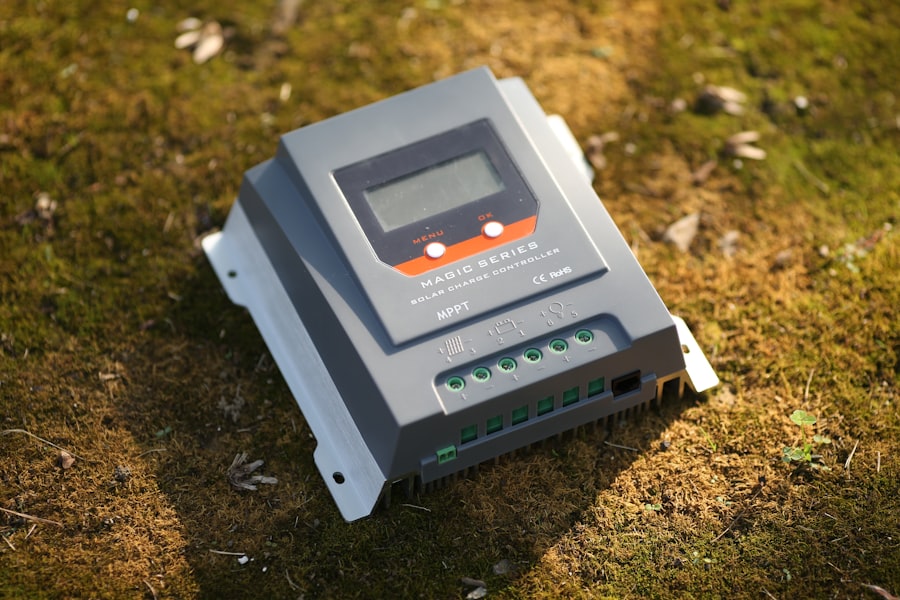
The choice between pre-paid and post-paid electricity payment models has profound implications for both consumers and utilities in the DRC. Smart meters offer the flexibility to seamlessly implement and manage either of these systems, catering to diverse consumer needs and financial capacities.
The Pre-paid Advantage: Consumer Control and Reduced Arrears
Pay-As-You-Go Empowerment
Pre-paid electricity, facilitated by smart meters, allows consumers to purchase electricity in advance, much like topping up a mobile phone. This pay-as-you-go model provides a high degree of control over energy expenditure. Consumers can budget their electricity usage according to their financial capacity, preventing unexpected and unaffordable bills. This is particularly beneficial for low-income households who may struggle with the lump sum payments often associated with monthly post-paid bills. The ability to manage usage proactively prevents the anxiety of accumulating debt and the potential for service disconnection due to unforeseen financial circumstances.
Mitigating Consumer Debt and Arrears
For utilities, pre-paid systems are a powerful tool for mitigating consumer debt and arrears. By requiring payment in advance, the risk of non-payment is significantly reduced. This frees up resources that would otherwise be spent on debt collection efforts and eliminates the financial uncertainty that arises from high rates of unpaid bills. This operational efficiency allows utilities to focus their efforts on service delivery and infrastructure improvement rather than chasing overdue payments.
The Post-paid Evolution: Enhanced Convenience and Flexibility
Simplicity for Regular Consumers
For consumers with stable income and a consistent pattern of electricity usage, the traditional post-paid model can offer greater convenience. Smart meters can enhance this by providing accurate, automated billing, eliminating the need for manual estimations. Consumers receive a clear record of their consumption and can manage their payments on a monthly basis, a system many are accustomed to. The integration with digital payment platforms further simplifies this process.
Data-Driven Tariff Optimization
While smart meters primarily focus on consumption measurement, the data they generate can also inform tariff structures. Utilities can analyze usage patterns across different customer segments and time periods to develop more equitable and efficient tariff models. This could involve dynamic pricing during peak hours to encourage off-peak consumption, thereby reducing strain on the grid and potentially lowering overall costs. The ability to offer flexible post-paid options, informed by data, can cater to a broader range of consumer needs.
Leveraging Advanced Metering Infrastructure (AMI) for Grid Optimization
Smart meters are the individual components of a much larger and more sophisticated system: Advanced Metering Infrastructure (AMI). AMI encompasses the entire network of smart meters, communication networks, and data management systems, transforming the electricity grid from a passive distribution network into an intelligent, responsive entity.
Real-Time Grid Monitoring and Control
Enhancing Grid Stability and Reliability
The real-time data provided by a network of smart meters allows utility operators to monitor the health of the electricity grid with unprecedented detail. Voltage fluctuations, power outages, and equipment failures can be detected instantaneously, enabling rapid response and minimizing the duration of disruptions. This proactive approach to grid management significantly improves reliability, a crucial factor for economic activity and daily life in the DRC. Imagine a physician being able to see not just the overall health of a patient but the precise functioning of every single organ in real-time; that’s the level of diagnostic capability AMI provides for the grid.
Load Balancing and Demand-Side Management
Demand-side management (DSM) strategies aim to influence consumer electricity usage to better match supply. AMI enables effective DSM by identifying peak demand periods and providing tools to manage them. Utilities can communicate with smart meters to remotely adjust the consumption of certain appliances or encourage consumers to shift their usage to off-peak hours through incentives. This helps to prevent overloading the grid during peak times, reducing the need for costly and inefficient peak generation capacity.
Predictive Maintenance and Fault Prediction
By analyzing historical and real-time data, AMI systems can identify patterns that indicate potential equipment failures or anomalies. This allows for predictive maintenance, where repairs and replacements are scheduled before a failure occurs. This proactive approach is far more cost-effective than reactive repairs, which can be expensive and disruptive. It also prevents cascading failures within the grid, safeguarding against widespread outages.
Smart meters are revolutionizing the way electricity is collected and managed, particularly in regions like the Democratic Republic of the Congo (DRC), where energy access remains a significant challenge. These advanced devices not only provide real-time data on energy consumption but also facilitate more efficient billing and reduce losses in electricity distribution. For a deeper understanding of how smart meters are impacting electricity collection in the DRC, you can read this insightful article on the topic. To learn more, visit this link.
The Socio-Economic Impact of Smart Meters and Efficient Collection in the DRC
| Metric | Value | Unit | Notes |
|---|---|---|---|
| Number of Smart Meters Installed | 150,000 | Units | As of 2023, across major urban areas in DRC |
| Electricity Collection Rate | 85 | Percent | Improved collection efficiency due to smart meters |
| Reduction in Electricity Theft | 30 | Percent | Estimated decrease after smart meter deployment |
| Average Monthly Consumption per Household | 120 | kWh | Based on smart meter data |
| Data Transmission Frequency | Hourly | Interval | Smart meters send usage data every hour |
| Number of Households Covered | 100,000 | Households | Connected to smart meters in pilot regions |
| Billing Accuracy Improvement | 95 | Percent | Compared to manual meter reading |
The implications of widespread smart meter adoption and optimized electricity collection extend far beyond the technical and financial spheres. They have the potential to unlock significant socio-economic benefits for the DRC, fostering development and improving the quality of life for its citizens.
Economic Growth and Business Development
Reliable Power for Industries
Businesses are the engines of economic growth, and their operation is heavily reliant on a stable and affordable electricity supply. With smart meters and efficient collection, utilities are better positioned to provide this reliability. This allows businesses to operate more consistently, reducing production downtime and increasing profitability. Attracting foreign investment becomes more feasible when the fundamental infrastructure, like electricity, is dependable. Small and medium-sized enterprises (SMEs), the backbone of many local economies, can flourish when they are not constantly battling power outages or unpredictable electricity costs.
Job Creation and Skills Development
The implementation and maintenance of smart meter systems and associated digital platforms require skilled personnel. This creates opportunities for local employment in areas such as installation, technical support, data analysis, and customer service. Furthermore, the training and upskilling of the workforce in these new technologies contribute to human capital development within the DRC, preparing the nation for a more technologically advanced future.
Improved Quality of Life and Social Services
Access to Lighting and Communication
Widespread access to electricity, facilitated by efficient revenue collection and grid stability, directly enhances daily life. Reliable lighting extends productive hours for households and businesses, improves safety in communities, and enables access to educational resources. The proliferation of mobile phones and other communication devices, which are power-intensive, is enabled by a more robust and accessible electricity infrastructure.
Enhanced Delivery of Social Services
Essential social services, such as healthcare and education, are heavily dependent on electricity. Hospitals require reliable power for medical equipment, refrigeration of vaccines, and lighting. Schools utilize electricity for lighting, computers, and educational technologies. By strengthening the electricity sector, smart meters and efficient collection contribute to the improved delivery and accessibility of these vital services, ultimately leading to better health and educational outcomes for the population. The ripple effect of reliable electricity can be seen in every aspect of societal well-being, from a child being able to study after dark to a clinic being able to perform emergency surgery.
FAQs
What are smart meters and how do they work in electricity collection?
Smart meters are electronic devices that record electricity consumption in real-time and communicate this data directly to the utility provider. They replace traditional meters by providing accurate, timely readings without the need for manual meter reading, enabling better monitoring and management of electricity usage.
How are smart meters being implemented in the Democratic Republic of Congo (DRC)?
In the DRC, smart meters are being introduced as part of efforts to modernize the electricity sector, improve billing accuracy, reduce electricity theft, and enhance overall energy management. Pilot projects and partnerships with technology providers are underway to deploy smart meters in urban and peri-urban areas.
What benefits do smart meters offer to electricity consumers in the DRC?
Smart meters provide consumers with detailed information about their electricity usage, enabling better energy management and cost savings. They also help reduce estimated billing errors, improve service reliability, and facilitate quicker resolution of outages or technical issues.
How do smart meters help electricity providers in the DRC?
For electricity providers, smart meters enable more efficient data collection, reduce operational costs related to manual meter reading, and help detect and prevent electricity theft. They also support improved grid management and planning by providing real-time consumption data.
Are there any challenges associated with the deployment of smart meters in the DRC?
Challenges include the high initial cost of smart meter installation, limited infrastructure in rural areas, the need for consumer awareness and acceptance, and ensuring data security and privacy. Addressing these challenges is crucial for the successful adoption of smart metering technology in the DRC.