Lithium, a cornerstone of modern technology, powers everything from smartphones to electric vehicles, driving an unprecedented global demand. As the world pivots towards a greener future, the efficient and sustainable extraction of this vital element has become paramount. Automation, a transformative force across industries, is now emerging as a critical tool in optimizing lithium extraction, addressing challenges related to cost, safety, environmental impact, and resource utilization.
Lithium extraction is not a monolithic process. The method employed depends heavily on the source of the lithium. Traditionally, the primary sources have been brine evaporation ponds, particularly in South America’s “Lithium Triangle” (Chile, Argentina, and Bolivia), and hard-rock mining, most notably from spodumene ore in Australia. However, emerging technologies and the recognition of other, potentially more sustainable, sources are reshaping the landscape.
Brine Evaporation: A Sun-Drenched Spectacle
The most prevalent method of lithium extraction globally involves pumping rich lithium brines from underground reservoirs to vast, shallow evaporation ponds. Here, the relentless sun and wind work over months, sometimes years, to concentrate the lithium salts as water evaporates.
The Traditional Evaporation Process: A Patient Approach
- Pumping and Ponding: Subterranean brines, often with low lithium concentrations but immense water volume, are pumped to a series of interconnected ponds.
- Solar Evaporation: As water evaporates, the concentration of dissolved salts, including lithium chloride, increases. This process is inherently slow, dependent on climatic conditions, and requires significant land area.
- Chemical Precipitation: Once the desired concentration is reached, chemicals, such as sodium carbonate, are added to precipitate lithium carbonate, a solid compound that can then be harvested.
Challenges in Brine Evaporation: Nature’s Unpredictability
- Long Processing Times: The multi-month to multi-year evaporation cycle means that capital is tied up for extended periods, impacting project economics.
- Water Intensive: While evaporation removes water, the initial pumping and subsequent processing can still require substantial water resources in often arid regions.
- Low Recovery Rates: The traditional method can result in significant lithium loss, with recovery rates sometimes dropping below 50%. This is akin to leaving a substantial treasure on the seabed while only retrieving a portion.
- Environmental Concerns: The large land footprint of evaporation ponds can impact local ecosystems and water tables. Impurities in the brine can also pose disposal challenges.
Hard-Rock Mining: Crushing and Concentrating Ores
In regions rich in lithium-bearing minerals like spodumene, hard-rock mining operations extract the ore, which is then processed to isolate the lithium. This method, while offering faster processing times compared to brine evaporation, has its own set of complexities.
The Spodumene Extraction Pathway: From Mountain to Metal
- Open-Pit or Underground Mining: Spodumene-rich rock is excavated using conventional mining techniques.
- Crushing and Grinding: The extracted ore is subjected to extensive crushing and grinding processes to reduce its particle size, facilitating subsequent mineral separation.
- Flotation: Chemical reagents are used in a flotation process to selectively separate spodumene from other unwanted minerals.
- Calcination and Leaching: The concentrated spodumene is then heated (calcined) to convert it into a more reactive form. This is followed by leaching with acids to dissolve the lithium compounds.
- Purification and Precipitation: The leached solution undergoes further purification steps, often involving solvent extraction or ion exchange, to isolate and precipitate lithium carbonate or other lithium salts.
Hurdles in Hard-Rock Extraction: An Industrial Gauntlet
- High Energy Consumption: The crushing, grinding, and heating processes are energy-intensive, contributing to operational costs and environmental footprint.
- Chemical Reagent Usage: Significant quantities of chemicals are used throughout the process, raising concerns about waste disposal and environmental management.
- Ore Grade Variability: The concentration of lithium in hard-rock deposits can vary significantly, requiring adaptive processing strategies.
- Capital Intensity: Establishing and operating hard-rock mining and processing facilities requires substantial upfront investment.
The role of automation in lithium extraction is becoming increasingly significant as the demand for lithium-ion batteries surges in various industries, particularly in electric vehicles and renewable energy storage. A related article that explores this topic in depth can be found at My Geo Quest, where the advancements in automated technologies and their impact on efficiency and sustainability in lithium mining are discussed. This exploration highlights how automation not only streamlines the extraction process but also addresses environmental concerns associated with traditional mining methods.
Automation’s Entry: Digitizing the Extraction Frontier
Automation, in essence, is the delegation of tasks, once performed by humans, to machines and intelligent systems. In lithium extraction, this translates to the deployment of sensors, robotics, artificial intelligence (AI), and advanced process control systems to manage operations with greater precision, speed, and safety.
Enhanced Monitoring and Data Acquisition: The Digital Nervous System
Modern mining and extraction operations are awash in data. Automation provides the tools to not only collect this data but to interpret it in real-time, forming a digital nervous system for the entire operation.
Sensing the Unseen: From Ground Penetration to Chemical Composition
- Geophysical Sensors: Ground-penetrating radar and seismic sensors can map subsurface brine reservoirs and mineral deposits with unprecedented detail, reducing the need for extensive and disruptive exploratory drilling.
- Real-time Chemical Analysis: Automated sensors deployed directly within brine ponds or processing streams can continuously monitor lithium concentrations, pH levels, and the presence of impurities. This eliminates the need for manual sampling and laboratory analysis, which are time-consuming and prone to error.
- Environmental Monitoring: Sensors can track water levels, groundwater salinity, air quality, and other environmental parameters, providing early warnings of potential issues and ensuring compliance with regulations.
The Power of Predictive Analytics: Foresight in Operations
- Predictive Maintenance: By analyzing sensor data from machinery, AI algorithms can predict potential equipment failures before they occur. This allows for scheduled maintenance, minimizing downtime and preventing costly breakdowns. Think of it as a doctor continuously monitoring a patient’s vital signs to anticipate a health crisis.
- Yield Optimization: AI can analyze historical and real-time data to identify patterns and optimize parameters for maximizing lithium recovery. This could involve adjusting chemical dosing, flow rates, or evaporation pond management strategies.
- Resource Forecasting: Advanced algorithms can provide more accurate forecasts of brine depletion or ore availability, enabling better long-term planning and resource management.
Robotics and Autonomous Systems: Performing the Perilous and the Repetitive
The inherent risks associated with mining and chemical processing make them prime candidates for robotic intervention. Automation can remove human operators from hazardous environments and perform repetitive tasks with greater consistency.
Navigating Hazardous Environments: The Unblinking Eye
- Autonomous Drilling Rigs: In hard-rock mining, autonomous drilling rigs can operate 24/7 in challenging terrain, executing precise drilling patterns without human intervention.
- Remote Operated Vehicles (ROVs) in Brine Ponds: ROVs equipped with sensors can navigate large evaporation ponds for inspections, cleaning, and even targeted sampling at specific depths, reducing human exposure to chemicals and potential hazards.
- Automated Material Handling: Robotic arms and autonomous vehicles can transport ore, chemicals, and finished products within processing facilities, minimizing the risk of accidents and improving logistical efficiency.
Unwavering Precision: The Machines That Never Tire
- Automated Dosing and Mixing: Robotic systems can precisely measure and dispense chemicals for precipitation and purification, ensuring consistent product quality and minimizing chemical waste.
- Automated Sample Collection and Analysis: Robots can collect samples from multiple points and transport them to on-site automated analyzers, providing a continuous stream of quality control data.
- Controlled Environment Agriculture (CEA) for Lithium Extraction: Emerging technologies are exploring the use of controlled environments to cultivate specific algae or bacteria that can efficiently absorb lithium from dilute solutions. Automation is crucial for managing the precise nutrient delivery, light, and atmospheric conditions required for these biological processes.
Advancing Extraction Techniques through Automation
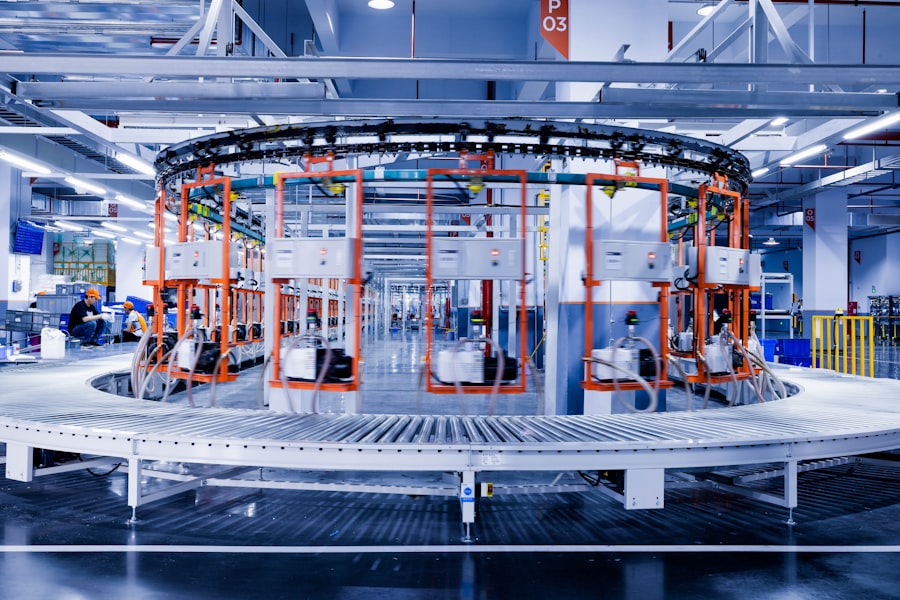
Automation is not merely about replacing human jobs; it is about fundamentally redesigning and improving the extraction process itself, making it more efficient and less environmentally impactful.
Direct Lithium Extraction (DLE): A Paradigm Shift
Direct Lithium Extraction (DLE) techniques represent a significant leap forward in lithium processing, promising faster, more efficient, and environmentally friendlier methods compared to traditional evaporation and hard-rock processing. Automation is the linchpin of these advanced technologies.
The Promise of DLE Technologies: A Targeted Approach
- Adsorption: This method utilizes solid materials (adsorbents) that selectively bind to lithium ions from brine solutions. Once saturated, the lithium is eluted (released) from the adsorbent using a chemical solution.
- Ion Exchange: Similar to adsorption, ion exchange resins are designed to capture lithium ions from brine. The process involves passing brine through columns packed with these resins.
- Membrane Separation: Advanced membrane technologies, such as nanofiltration or electrodialysis, can selectively separate lithium ions from other dissolved salts and water.
- Electrochemical Methods: Some DLE approaches use electrochemical cells to directly extract lithium from brine onto an electrode.
Automation’s Indispensable Role in DLE: The Orchestrator of Precision
- Controlled Flow Rates and Pressures: DLE processes are highly sensitive to flow rates, pressures, and residence times. Automated systems ensure these parameters are maintained within optimal ranges for efficient lithium capture.
- Precise Chemical Dosing for Elution: The elution step in adsorption and ion exchange requires precise chemical concentrations to maximize lithium recovery. Automation guarantees the accuracy of these chemical additions.
- Automated Regeneration and Recycling: The adsorbents and ion exchange resins used in DLE need to be regenerated for reuse. Automated systems manage this regeneration cycle, optimizing chemical usage and minimizing waste.
- Real-time Monitoring of Adsorbent/Membrane Performance: Sensors continuously monitor the efficiency of DLE materials, triggering automated alerts for cleaning or replacement, ensuring consistent performance. This is like having a vigilant traffic controller managing the flow of cars on a complex highway interchange.
Enhanced Control Systems: The Brains Behind the Operation
Beyond individual robotic systems, automation encompasses integrated control systems that govern the entire extraction process, ensuring seamless operation and optimal resource utilization.
Integrated Process Control: A Symphony of Operations
- Distributed Control Systems (DCS): DCS integrate data from various sensors and controllers across the plant, allowing operators to monitor and manage the entire process from a central location.
- Supervisory Control and Data Acquisition (SCADA) Systems: SCADA systems provide a higher level of oversight, enabling remote monitoring and control of dispersed extraction sites.
- Advanced Process Control (APC): APC utilizes sophisticated mathematical models to predict process behavior and make real-time adjustments to optimize efficiency, product quality, and energy consumption.
Optimizing Energy and Resource Usage: A Greener Footprint
- Energy Management Systems: Automated systems can optimize energy consumption by scheduling energy-intensive operations during off-peak hours and by coordinating the operation of various equipment to minimize idle time.
- Water Recycling and Management: Automation plays a crucial role in implementing closed-loop water systems, recycling process water and minimizing overall water withdrawal.
- Waste Stream Minimization: By precisely controlling chemical inputs and optimizing separation processes, automation helps to reduce the volume and toxicity of waste streams.
Addressing Challenges and Seizing Opportunities
The integration of automation in lithium extraction is not without its own set of challenges, but the opportunities it presents for a more sustainable and efficient future are immense.
Navigating the Hurdles of Automation: Technological and Human Factors
- Initial Capital Investment: The upfront cost of implementing advanced automation technologies can be substantial, presenting a barrier for some operations.
- Cybersecurity Risks: Increased reliance on digital systems necessitates robust cybersecurity measures to protect against data breaches and operational disruptions.
- Skill Gap and Workforce Transition: The implementation of automation requires a workforce with new skills in data analysis, robotic operation, and system maintenance. This often necessitates retraining existing personnel and adapting educational programs.
- Integration Complexity: Integrating diverse automated systems from different vendors can be complex and require specialized expertise.
The Transformative Potential: A Sustainable Future for Lithium
- Increased Production Capacity: Automation can enable operations to run at higher capacities and with greater uptime, meeting the soaring global demand for lithium.
- Reduced Environmental Impact: Optimized processes, minimized waste, and efficient resource utilization contribute to a more sustainable lithium extraction industry. This can include reduced land footprint and lower greenhouse gas emissions.
- Improved Safety Records: Automating hazardous tasks significantly reduces the risk of accidents and injuries in mining and processing environments.
- Enhanced Resource Recovery: By precisely controlling processes and minimizing losses, automation maximizes the amount of lithium recovered from each source, preserving finite resources.
- Cost Efficiencies: While initial investment can be high, the long-term benefits of increased efficiency, reduced labor costs, and minimized waste can lead to significant cost savings.
The increasing demand for lithium, driven by the rise of electric vehicles and renewable energy storage, has led to significant advancements in extraction technologies. A recent article discusses how automation is transforming lithium extraction processes, enhancing efficiency and reducing environmental impact. For those interested in exploring this topic further, you can read more about it in this insightful piece on automation in lithium extraction at MyGeoQuest. This evolution not only streamlines operations but also paves the way for more sustainable practices in the mining industry.
The Human Element in an Automated World
| Metric | Value | Impact of Automation | Source/Notes |
|---|---|---|---|
| Extraction Efficiency | Up to 30% increase | Automation optimizes chemical dosing and process control, improving lithium yield | Industry case studies |
| Operational Downtime | Reduced by 25% | Automated monitoring and predictive maintenance reduce unplanned stoppages | Mining automation reports |
| Labor Costs | Reduced by 40% | Automation reduces manual labor requirements in hazardous extraction environments | Company financial disclosures |
| Safety Incidents | Decreased by 50% | Automation minimizes human exposure to dangerous chemicals and heavy machinery | Safety audits |
| Processing Speed | Increased by 20% | Automated systems enable faster processing cycles and real-time adjustments | Operational performance data |
| Water Usage | Reduced by 15% | Automation optimizes water recycling and usage in extraction processes | Environmental impact studies |
The narrative of automation often focuses on machines replacing humans. However, in the context of lithium extraction, automation is more accurately viewed as a powerful augmentation of human capabilities.
Rethinking Roles and Responsibilities: The Human-Machine Partnership
- Supervisors and System Managers: Human operators will increasingly transition to roles focused on overseeing automated systems, troubleshooting complex issues, and making strategic decisions based on data analytics.
- Data Scientists and AI Specialists: The abundance of data generated by automated systems creates a demand for skilled professionals who can interpret this data, develop predictive models, and optimize operational parameters.
- Maintenance and Repair Technicians: A new generation of technicians will be needed to maintain and repair sophisticated automated equipment and robotic systems.
- Process Engineers and Innovators: Human ingenuity remains critical for designing, optimizing, and further developing automated extraction processes.
The Ethical and Societal Implications: A Responsible Transition
As automation transforms the lithium extraction sector, careful consideration must be given to its broader societal and ethical implications. This includes ensuring a just transition for workers whose roles may be impacted by automation, fostering equitable access to the benefits of automation, and maintaining transparency in its deployment. The goal is not simply to extract more lithium, but to do so in a way that benefits society and minimizes negative externalities.
In conclusion, automation is not a silver bullet but a powerful catalyst for change in lithium extraction. By embracing intelligent systems, advanced robotics, and data-driven insights, the industry can navigate the complex challenges of meeting global demand while simultaneously striving for greater efficiency, safety, and environmental stewardship. As the world’s reliance on lithium continues to grow, a fully automated and optimized extraction process will be key to unlocking a sustainable energy future.
FAQs
What is automation in lithium extraction?
Automation in lithium extraction refers to the use of advanced technologies such as robotics, sensors, and computer-controlled systems to perform and optimize various stages of lithium mining and processing with minimal human intervention.
How does automation improve lithium extraction processes?
Automation enhances lithium extraction by increasing efficiency, reducing operational costs, improving safety by minimizing human exposure to hazardous conditions, and enabling more precise control over extraction parameters, which can lead to higher yield and better resource management.
What types of technologies are commonly used in automated lithium extraction?
Common technologies include automated drilling and excavation equipment, real-time monitoring sensors, data analytics platforms, robotic material handling systems, and process control software that collectively streamline mining and processing operations.
Are there environmental benefits associated with automation in lithium extraction?
Yes, automation can reduce environmental impact by optimizing resource use, minimizing waste, lowering energy consumption, and enabling more accurate monitoring of environmental parameters to ensure compliance with regulations.
What challenges exist in implementing automation in lithium extraction?
Challenges include high initial investment costs, the need for skilled personnel to manage and maintain automated systems, integration with existing infrastructure, and potential technical issues related to system reliability and data security.