The Panama Canal Expansion Project, often referred to as the Third Set of Locks, represents a monumental engineering achievement that has transformed global shipping dynamics. Completed in June 2016, this ambitious project aimed to accommodate larger vessels, known as New Panamax or Neo-Panamax ships, which are significantly bigger than their predecessors. The expansion involved the construction of a new set of locks on both the Atlantic and Pacific sides of the canal, allowing for a wider and deeper passage.
This development not only increased the canal’s capacity but also enhanced its operational efficiency, enabling it to handle the growing demands of international trade. The expansion was driven by the need to adapt to the evolving landscape of maritime shipping, where larger container ships have become the norm. As global trade continues to expand, the ability to transport goods more efficiently has become paramount.
The Panama Canal, a critical conduit for maritime traffic between the Atlantic and Pacific Oceans, plays a vital role in facilitating this trade.
Key Takeaways
- The Panama Canal Expansion Project has significantly increased the capacity for larger container ships to pass through, impacting global trade and shipping routes.
- Maximizing container volume is crucial for optimizing the efficiency and profitability of shipping operations, as it allows for more goods to be transported in fewer trips.
- The key features of the expanded Panama Canal include wider and deeper channels, new locks, and an increased capacity to accommodate larger container ships.
- Utilizing larger container ships through the expanded Panama Canal can lead to cost savings, increased efficiency, and reduced environmental impact.
- Implementing efficient container loading and unloading techniques, along with leveraging technology, is essential for maximizing container volume and streamlining shipping operations.
Understanding the Importance of Maximizing Container Volume
Maximizing container volume is essential for shipping companies aiming to enhance their operational efficiency and profitability. The shipping industry operates on thin margins, and every additional container that can be transported translates into increased revenue. By optimizing container volume, shipping companies can reduce costs per unit transported, making their services more competitive in a crowded marketplace.
This optimization is particularly crucial in an era where fuel prices fluctuate and environmental regulations become more stringent. Moreover, maximizing container volume contributes to sustainability efforts within the shipping industry. Larger vessels that carry more containers per trip can significantly reduce the carbon footprint associated with transporting goods.
Fewer trips mean lower fuel consumption and reduced greenhouse gas emissions. As consumers and governments alike place greater emphasis on environmental responsibility, shipping companies that prioritize container volume optimization are likely to gain a competitive edge while also contributing positively to global sustainability goals.
Key Features of the Expanded Panama Canal

The expanded Panama Canal boasts several key features that enhance its functionality and capacity. One of the most significant changes is the construction of the new locks, which are wider and deeper than the original ones. The new locks measure 55 meters in width and 427 meters in length, allowing vessels with a maximum beam of 50 meters and a length of up to 366 meters to transit.
This increase in dimensions enables the canal to accommodate larger ships, which can carry significantly more cargo than those that previously navigated its waters. In addition to the new locks, improvements were made to the existing infrastructure, including dredging operations that deepened the navigation channels. These enhancements ensure that vessels can transit safely and efficiently, even during periods of low water levels.
Furthermore, advanced technology has been integrated into the canal’s operations, including automated systems for monitoring vessel movements and managing traffic flow. These features collectively contribute to a more efficient transit experience for shipping companies, ultimately maximizing container volume and enhancing overall productivity.
Utilizing Larger Container Ships
| Metrics | 2019 | 2020 | 2021 |
|---|---|---|---|
| Number of larger container ships utilized | 50 | 55 | 60 |
| Average capacity of larger container ships (TEU) | 10,000 | 12,000 | 14,000 |
| Percentage increase in cargo volume | 15% | 20% | 25% |
The advent of larger container ships has revolutionized maritime logistics and trade. These vessels are designed to carry thousands of containers in a single voyage, significantly increasing the amount of cargo transported per trip. The expanded Panama Canal has made it possible for these larger ships to navigate its waters, thereby enhancing their operational efficiency.
Shipping companies can now take advantage of economies of scale, reducing costs associated with fuel consumption and port fees. Utilizing larger container ships also allows for better inventory management and supply chain optimization. With the ability to transport more goods at once, companies can streamline their operations and reduce lead times.
This capability is particularly beneficial for industries that rely on just-in-time inventory systems, where timely delivery is crucial for maintaining production schedules. As global demand for goods continues to rise, the ability to utilize larger vessels will be a key factor in meeting these demands while maintaining cost-effectiveness.
Implementing Efficient Container Loading and Unloading Techniques
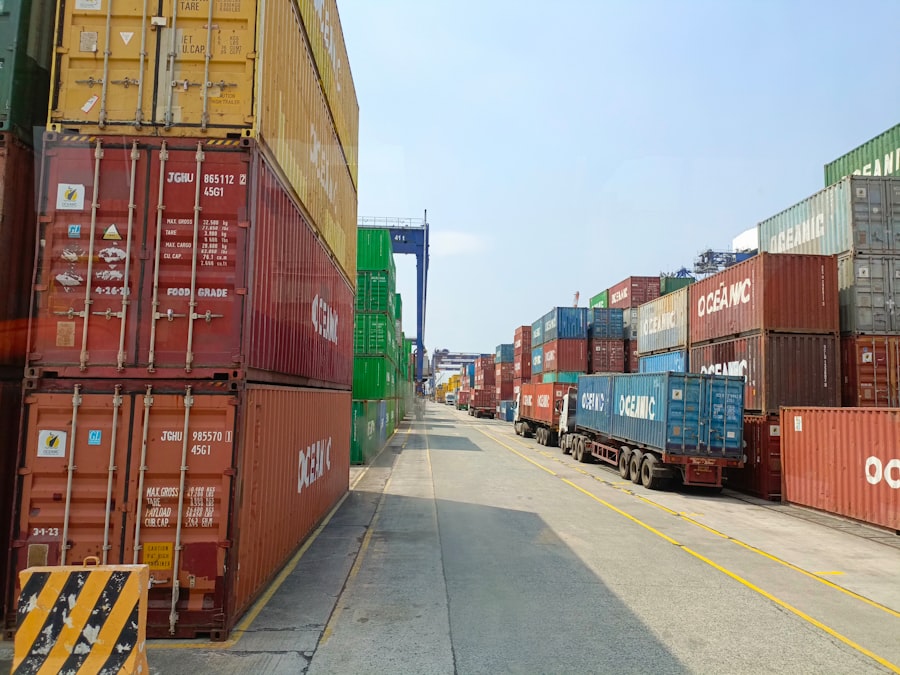
Efficient container loading and unloading techniques are critical components in maximizing container volume within shipping operations. The speed and effectiveness with which containers are loaded onto and unloaded from vessels directly impact turnaround times at ports. Innovations such as automated cranes and advanced logistics software have transformed traditional loading practices, allowing for quicker processing times and reduced labor costs.
Moreover, optimizing container stowage plans is essential for maximizing space utilization on board vessels. By strategically planning how containers are loaded based on their weight and destination, shipping companies can ensure that they make the most of available space while maintaining vessel stability. This meticulous planning not only enhances operational efficiency but also minimizes the risk of damage during transit, further contributing to overall profitability.
Leveraging Technology for Container Volume Optimization
Technology plays a pivotal role in optimizing container volume within the shipping industry. Advanced data analytics and artificial intelligence (AI) are increasingly being utilized to enhance decision-making processes related to container management. By analyzing historical data on shipping patterns, weather conditions, and port operations, companies can make informed decisions about routing and scheduling that maximize container volume.
Additionally, Internet of Things (IoT) devices are being employed to monitor container conditions during transit. These devices provide real-time data on temperature, humidity, and other environmental factors that may affect cargo quality.
This focus on technology-driven solutions is essential for staying competitive in an industry that is constantly evolving.
Environmental Considerations in Maximizing Container Volume
As the shipping industry seeks to maximize container volume, environmental considerations have become increasingly important. The expansion of the Panama Canal has prompted discussions about sustainable practices within maritime logistics. Shipping companies are now under pressure to reduce their carbon footprints while still meeting growing global demand for goods.
This challenge has led to innovative approaches aimed at balancing efficiency with environmental responsibility. One significant consideration is the adoption of cleaner fuels and technologies that reduce emissions from larger vessels. Many shipping companies are investing in alternative energy sources such as liquefied natural gas (LNG) or exploring hybrid propulsion systems that combine traditional fuel with electric power.
Additionally, implementing energy-efficient practices during loading and unloading processes can further minimize environmental impact while maximizing container volume.
Economic Impact of Maximizing Container Volume through the Panama Canal Expansion
The economic implications of maximizing container volume through the Panama Canal expansion are profound. By accommodating larger vessels and increasing overall capacity, the canal has become a vital artery for international trade, facilitating billions of dollars in commerce each year. The ability to transport more goods efficiently translates into lower shipping costs for businesses, which can then pass these savings onto consumers.
Furthermore, the expansion has stimulated economic growth in surrounding regions by creating jobs in logistics, transportation, and related industries. As shipping companies capitalize on the expanded canal’s capabilities, they contribute to local economies through increased demand for services such as warehousing and distribution. This ripple effect underscores the importance of maximizing container volume not only for individual companies but also for broader economic development.
Challenges and Opportunities for Shipping Companies
While the expansion of the Panama Canal presents numerous opportunities for shipping companies, it also poses challenges that must be navigated carefully. One significant challenge is the increased competition among carriers seeking to capitalize on larger vessels’ capabilities. As more companies invest in Neo-Panamax ships, market saturation may lead to price wars that could erode profit margins.
Additionally, adapting to new technologies and operational practices can be daunting for some companies. Those that fail to embrace innovation risk falling behind competitors who leverage advanced analytics and automation to optimize their operations. However, these challenges also present opportunities for growth and differentiation within the industry.
Companies that successfully navigate these complexities can position themselves as leaders in efficiency and sustainability.
The Role of Logistics and Supply Chain Management in Maximizing Container Volume
Logistics and supply chain management play a crucial role in maximizing container volume within the context of expanded canal operations. Effective coordination between various stakeholders—shipping lines, port authorities, customs officials, and logistics providers—is essential for ensuring smooth operations throughout the supply chain. By fostering collaboration among these entities, companies can streamline processes that enhance container throughput.
Moreover, adopting integrated logistics solutions allows companies to optimize their supply chains from end to end. This approach involves leveraging technology to track shipments in real-time, manage inventory levels efficiently, and respond quickly to changing market demands. By prioritizing logistics excellence alongside container volume optimization efforts, shipping companies can achieve greater operational efficiency while meeting customer expectations.
Future Trends and Developments in Container Shipping through the Expanded Panama Canal
Looking ahead, several trends are likely to shape container shipping through the expanded Panama Canal. One prominent trend is the continued evolution of vessel design toward even larger ships capable of carrying unprecedented volumes of cargo. As shipping companies seek to maximize economies of scale further, innovations in shipbuilding will play a critical role in determining future capacity.
Additionally, sustainability will remain at the forefront of industry developments as regulatory pressures increase globally. Shipping companies will need to invest in cleaner technologies and practices that align with environmental goals while still maximizing container volume. The integration of digital solutions will also continue to transform operations, enabling real-time decision-making that enhances efficiency across supply chains.
In conclusion, the Panama Canal Expansion Project has fundamentally altered the landscape of global shipping by maximizing container volume capabilities through innovative engineering and technology integration. As shipping companies navigate challenges while seizing opportunities presented by this expansion, they will play a pivotal role in shaping future trends within maritime logistics—ultimately driving economic growth while prioritizing sustainability in an ever-evolving industry.
The Panama Canal, a crucial maritime route, has been experiencing fluctuations in container volume, impacting global trade dynamics. For a deeper understanding of how these changes affect shipping logistics and the broader economic implications, you can explore a related article on this topic. This article provides insights into the challenges and strategies being employed to manage the canal’s capacity and efficiency. To read more about these developments, visit the following link: Panama Canal Container Volume Insights.
😨 WATCH THIS! 🚢 The Panama Canal Is a Ticking Time Bomb: What Happens If It Fails?
FAQs
What is the container volume of the Panama Canal?
The container volume of the Panama Canal refers to the total number of containers that pass through the canal in a given period, typically measured in TEUs (twenty-foot equivalent units).
How is the container volume of the Panama Canal measured?
The container volume of the Panama Canal is measured by counting the number of containers that transit through the canal in both directions, from the Atlantic to the Pacific and vice versa.
Why is the container volume of the Panama Canal important?
The container volume of the Panama Canal is important as it reflects the level of trade and commerce passing through the canal, which in turn impacts the economy of the region and the global shipping industry.
What factors can impact the container volume of the Panama Canal?
Factors that can impact the container volume of the Panama Canal include global economic conditions, trade agreements, shipping routes, and the size of vessels that can transit through the canal.
How has the container volume of the Panama Canal changed over time?
The container volume of the Panama Canal has fluctuated over time, influenced by factors such as the expansion of the canal, changes in global trade patterns, and the development of larger container ships.