Gatún Lake, a vast artificial lake located in the heart of Panama, plays a pivotal role in the region’s ecology and economy. Created in the early 20th century as part of the Panama Canal project, this expansive body of water serves not only as a crucial transit route for maritime trade but also as a vital habitat for diverse marine life. The lake’s intricate ecosystem supports various species, including fish, birds, and other wildlife, making it an essential component of Panama’s natural heritage.
Its significance extends beyond ecological boundaries, as it also influences local communities and their livelihoods. The importance of Gatún Lake cannot be overstated. It acts as a reservoir for the Panama Canal, providing the necessary water levels for ships to navigate through the locks.
This strategic function has made it a cornerstone of international shipping and trade, linking the Atlantic and Pacific Oceans. However, the lake’s ecological health is increasingly threatened by environmental changes, particularly droughts exacerbated by climate change. Understanding the implications of these changes is crucial for preserving both the lake’s biodiversity and its role in global commerce.
Key Takeaways
- Gatún Lake is a vital part of the Panama Canal, providing water for its operation and supporting diverse marine life.
- The drought has led to a decrease in water levels, impacting marine life and causing threats to coral reefs and aquatic species.
- Fish and aquatic species are facing challenges such as habitat loss, reduced food sources, and increased competition for resources due to the drought.
- Coral reefs and marine ecosystems are at risk due to the drought, leading to potential long-term consequences for the environment.
- Migratory birds and waterfowl are also affected by the drought, impacting their habitats and food sources in Gatún Lake.
Description of the Drought and its Impact on Marine Life
In recent years, Gatún Lake has faced severe drought conditions that have significantly altered its water levels and quality. These droughts, driven by changing weather patterns and climate variability, have led to a reduction in rainfall, which is critical for replenishing the lake’s water supply. As a result, the once-thriving aquatic ecosystem is now under considerable stress.
The decline in water levels not only affects the physical environment but also disrupts the delicate balance of life that depends on this habitat. The impact of drought on marine life in Gatún Lake is profound. Reduced water levels can lead to increased salinity, which poses a threat to freshwater species that are not adapted to such conditions.
Additionally, lower water levels can result in higher concentrations of pollutants and nutrients, leading to harmful algal blooms that further degrade water quality. These changes create a cascading effect on the entire ecosystem, affecting not only fish populations but also the birds and other wildlife that rely on these aquatic resources for survival.
Effects of the Drought on Fish and Aquatic Species
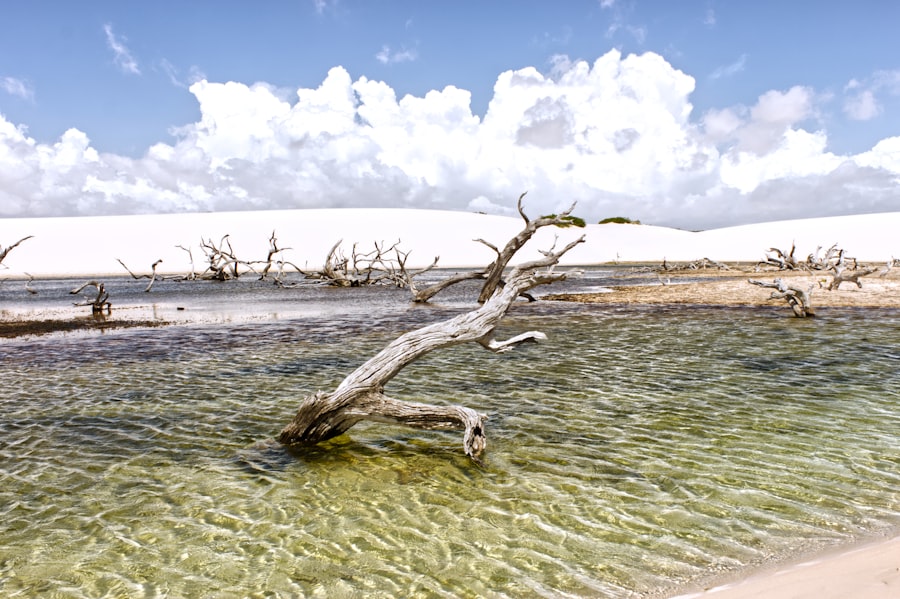
The drought conditions in Gatún Lake have had dire consequences for fish and other aquatic species. Many fish populations are experiencing significant declines due to habitat loss and altered breeding conditions. Species that thrive in stable freshwater environments are particularly vulnerable, as they struggle to adapt to the changing salinity levels and reduced habitat availability.
This decline in fish populations not only threatens biodiversity but also impacts local fisheries that depend on these species for their livelihoods. Moreover, the drought has disrupted the food chain within the lake’s ecosystem. As fish populations dwindle, predators such as birds and larger aquatic animals face food shortages, leading to further declines in their numbers.
The interconnectedness of species within this ecosystem means that the effects of drought extend far beyond just fish; they ripple through the entire food web, threatening the stability of Gatún Lake’s marine life.
Threats to Coral Reefs and Marine Ecosystems
| Threats | Impact |
|---|---|
| Pollution | Damage to coral reefs and marine life |
| Overfishing | Disruption of marine food chains |
| Climate Change | Coral bleaching and ocean acidification |
| Coastal Development | Habitat destruction and sedimentation |
While Gatún Lake is primarily a freshwater body, its health is intricately linked to surrounding marine ecosystems, including coral reefs along Panama’s coast. Drought conditions can lead to increased runoff and sedimentation, which negatively impact coral reefs by reducing water clarity and quality. Coral reefs are sensitive to changes in their environment, and any disruption can lead to bleaching events and decreased resilience against diseases.
The threats posed by drought extend beyond immediate physical changes; they also affect the overall health of marine ecosystems. Coral reefs serve as critical habitats for numerous marine species, providing shelter and breeding grounds. As these ecosystems become compromised due to drought-related factors, the biodiversity they support is at risk.
The loss of coral reefs not only diminishes marine life but also affects coastal communities that rely on these ecosystems for tourism and fishing.
Impact on Migratory Birds and Waterfowl
Gatún Lake is a vital stopover point for migratory birds traveling between North and South America. The drought has disrupted this critical habitat, leading to reduced food availability and nesting sites for these birds. As water levels drop, wetlands that provide essential resources for migratory species shrink or disappear altogether.
This loss of habitat can have devastating effects on bird populations, leading to decreased migration success rates and lower reproductive outcomes. The impact on waterfowl is particularly concerning, as many species rely on stable water sources for breeding and feeding. The decline in aquatic vegetation due to drought further exacerbates these challenges, as it diminishes food sources for both migratory birds and local wildlife.
The interconnectedness of ecosystems means that the effects of drought on Gatún Lake can have far-reaching consequences for avian populations across the Americas.
Consequences for Local Communities and Indigenous Peoples
The repercussions of drought in Gatún Lake extend beyond ecological concerns; they significantly affect local communities and indigenous peoples who depend on the lake’s resources for their livelihoods. Fishing is a primary source of income for many families in the region, and declining fish populations due to drought threaten their economic stability. As fish become scarcer, competition increases among local fishermen, leading to tensions within communities.
Moreover, indigenous peoples who have historically relied on Gatún Lake for sustenance face unique challenges as their traditional practices become increasingly unsustainable. The loss of biodiversity impacts not only their food sources but also their cultural heritage tied to the land and water. As these communities grapple with the effects of drought, their ability to maintain their way of life is jeopardized, highlighting the urgent need for conservation efforts that consider both ecological health and social equity.
Efforts to Mitigate the Drought’s Impact on Marine Life
In response to the challenges posed by drought in Gatún Lake, various organizations and government agencies have initiated efforts to mitigate its impact on marine life. These initiatives focus on monitoring water quality, restoring habitats, and implementing sustainable fishing practices to ensure that aquatic species can thrive despite changing conditions. Collaborative efforts between local communities, scientists, and conservationists are essential in developing effective strategies that address both immediate needs and long-term sustainability.
One promising approach involves enhancing watershed management practices to improve water retention and reduce runoff into Gatún Lake. By restoring natural vegetation along riverbanks and implementing sustainable land-use practices, stakeholders aim to enhance the resilience of the lake’s ecosystem against future droughts. Additionally, educational programs aimed at local communities emphasize the importance of conservation efforts and sustainable resource management, fostering a sense of stewardship over Gatún Lake’s precious resources.
Importance of Gatún Lake and Marine Life for the Panama Canal
The significance of Gatún Lake extends beyond its ecological value; it is integral to the functioning of the Panama Canal itself. As a key component of this vital trade route, maintaining healthy water levels in Gatún Lake is essential for ensuring smooth operations within the canal system. Drought conditions that lead to reduced water levels can disrupt shipping schedules and increase operational costs for shipping companies.
Furthermore, healthy marine life within Gatún Lake contributes to the overall ecological balance necessary for maintaining water quality in the canal.
Long-term Solutions to Address Drought and Climate Change
Addressing the challenges posed by drought in Gatún Lake requires long-term solutions that consider both climate change adaptation and mitigation strategies. Policymakers must prioritize sustainable land-use practices that reduce deforestation and promote reforestation efforts in surrounding areas. By enhancing natural ecosystems that regulate water flow and quality, stakeholders can build resilience against future droughts.
Additionally, investing in research and technology aimed at understanding climate patterns will be crucial in developing effective management strategies for Gatún Lake. Implementing adaptive management practices that allow for flexibility in response to changing conditions will help ensure that both marine life and local communities can thrive despite ongoing environmental challenges.
Collaborative Efforts to Protect Marine Life in Gatún Lake
Collaboration among various stakeholders is essential for protecting marine life in Gatún Lake. Government agencies, non-governmental organizations (NGOs), local communities, and academic institutions must work together to develop comprehensive conservation strategies that address both ecological health and social equity. By fostering partnerships that leverage diverse expertise and resources, stakeholders can create more effective solutions to combat the impacts of drought.
Community engagement plays a vital role in these collaborative efforts. Involving local residents in conservation initiatives not only empowers them but also ensures that their traditional knowledge is integrated into management practices. By recognizing the value of indigenous perspectives on resource management, stakeholders can develop more holistic approaches that benefit both people and nature.
Conclusion and Call to Action for Conservation and Preservation Efforts
The challenges facing Gatún Lake due to drought are significant but not insurmountable. By recognizing its importance as an ecological treasure and economic lifeline, stakeholders can rally together to implement effective conservation strategies that protect both marine life and local communities. The urgency of addressing climate change cannot be overstated; proactive measures are essential to safeguard this vital resource for future generations.
A call to action is necessary—individuals, organizations, and governments must unite in their efforts to conserve Gatún Lake’s unique ecosystem. Through education, advocacy, and collaborative initiatives, it is possible to create a sustainable future where both nature and communities thrive harmoniously. The time to act is now; preserving Gatún Lake is not just an environmental imperative but a moral obligation towards those who depend on its resources for their survival.
The recent drought affecting Gatún Lake has raised significant concerns about the impact on marine life and the broader ecosystem. As water levels drop, the delicate balance of aquatic habitats is disrupted, threatening the survival of various species that rely on the lake. For more insights into the environmental challenges and conservation efforts related to this issue, you can read a related article on