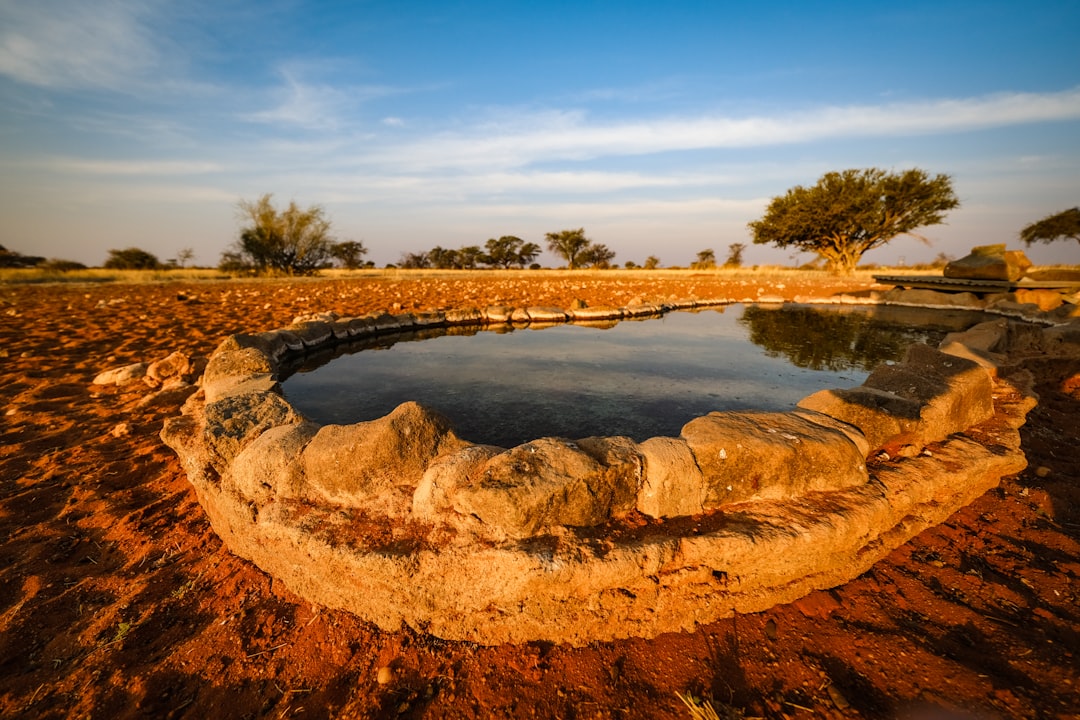
The Syr Darya River, a colossal hydrological artery traversing Central Asia, serves as the lifeblood for millions, nourishing vast agricultural lands and sustaining intricate ecosystems. Managing this critical resource, however, presents a multifaceted challenge, demanding a delicate equilibrium between competing demands and environmental preservation. The river’s basin spans several nations, each with unique needs and varying levels of reliance on its waters, making cooperative governance paramount to regional stability and sustainable development.
Early Civilizations and Water Reliance
For millennia, human settlements have clustered along the Syr Darya, drawn by the promise of fertile lands and a reliable water source. Ancient civilizations, such as the Sogdians and the Khorezmian Empire, ingeniously engineered irrigation systems, channeling the river’s flow to cultivate crops and establish thriving urban centers. This historical reliance underscores the deeply ingrained cultural and economic connection to the river, a connection that continues to shape regional identities and inter-state relations today. The river was not merely a source of water; it was the foundation of societal organization and the engine of economic prosperity, a testament to humanity’s enduring ingenuity in harnessing natural resources.
Soviet-Era Development and Its Legacy
The 20th century brought a dramatic transformation to the Syr Darya basin under Soviet rule. Driven by ambitious agricultural expansion, particularly cotton cultivation, massive irrigation projects were initiated. The construction of numerous dams, reservoirs, and canals, while boosting agricultural output and providing electricity, fundamentally altered the river’s natural flow regime. This period of intense development, while yielding significant economic benefits in the short term, also laid the groundwork for many of the water management challenges faced today. The focus on maximizing agricultural production often overshadowed considerations of ecological impact and long-term water sustainability, a common pitfall of large-scale, centrally planned economies. The legacy of these interventions, a complex network of infrastructure and a deeply entrenched agricultural system, continues to influence current water allocation strategies.
Post-Soviet Challenges and Emerging Tensions
With the dissolution of the Soviet Union in 1991, the newly independent states inherited a hydrological infrastructure designed for a unified economic system. The Syr Darya, previously managed as a single entity, suddenly became an international river, traversing Kazakhstan, Kyrgyzstan, Tajikistan, and Uzbekistan. This fragmentation of governance, coupled with varying national priorities and levels of economic development, exacerbated existing water management issues and ignited new tensions. The upstream nations, primarily Kyrgyzstan and Tajikistan, control the headwaters and possess significant hydropower potential, while the downstream nations, Kazakhstan and Uzbekistan, rely heavily on the river for irrigation. This inherent asymmetry in resource control has become a recurring point of contention, akin to a complex chess match where each player seeks to maximize their own advantage within a finite resource.
Effective water management in the Syr Darya River basin is crucial for the sustainable development of the surrounding regions. A related article that delves into the challenges and strategies for managing this vital water resource can be found at My Geo Quest. This resource provides insights into the environmental, economic, and social factors influencing water distribution and usage in the area, highlighting the importance of collaborative efforts among the countries that share the river.
Current Water Management Challenges
Upstream-Downstream Dynamics and Water Allocation Disputes
The most prominent challenge in managing the Syr Darya revolves around the upstream-downstream dynamic. Upstream nations, particularly Kyrgyzstan and Tajikistan, often prioritize hydropower generation, releasing water during winter months when energy demand is high, but when irrigation needs downstream are minimal. Conversely, downstream nations, primarily Uzbekistan and Kazakhstan, require substantial water for irrigation during the summer growing season. This temporal mismatch in water requirements creates a perennial conflict, a tug-of-war where each side asserts its claim to the river’s life-giving bounty. Agreements on water release schedules and benefit-sharing mechanisms have proven difficult to negotiate and even harder to enforce, often leading to unilateral actions and reciprocal accusations.
Effective water management in the Syr Darya basin is crucial for the sustainability of agriculture and the livelihoods of millions in Central Asia. A related article discusses innovative strategies and collaborative efforts aimed at improving water resource management in the region. For more insights on this topic, you can read the full article here. Understanding these approaches is essential for addressing the challenges posed by climate change and increasing water demand.
Agricultural Water Use and Inefficiency
Agriculture remains the dominant water consumer in the Syr Darya basin, accounting for a staggering 80-90% of the total water diverted. Decades of extensive irrigation, particularly for water-intensive crops like cotton, have contributed to significant water waste through inefficient irrigation techniques, leaky canals, and evaporation. The prevailing “more is better” mentality regarding water application, often fueled by historical subsidies and a lack of pricing mechanisms, has perpetuated inefficient practices. This profligacy, akin to a leaking bucket, drains the river’s capacity and exacerbates water scarcity during arid periods. Modernization of irrigation infrastructure, adoption of water-saving technologies such as drip irrigation, and a shift towards less water-intensive crops are crucial steps in addressing this inefficiency.
Climate Change and its Impact on Water Availability
The looming specter of climate change presents an existential threat to the Syr Darya basin. Glaciers in the Pamir and Tian Shan mountains, which serve as the river’s primary source, are receding at an alarming rate. This glacial melt initially increases water flow, creating a false sense of abundance, but in the long term, it portends a future of diminished water availability. Coupled with projections of more frequent and intense droughts, the region faces a precarious future. The hydrological cycle, once a predictable rhythm, is becoming more erratic and unpredictable, demanding adaptive management strategies and robust climate resilience planning. This is not merely an academic exercise; it is a race against time, a scramble to prepare for a drier, hotter future.
Environmental Degradation and Water Quality Issues
Beyond scarcity, the quality of the Syr Darya’s water is also a significant concern. Agricultural runoff, laden with pesticides and fertilizers, contaminates the river, posing risks to both human health and aquatic ecosystems. Industrial pollution from urban centers and mining operations further degrades water quality. The cumulative effect of these pollutants, especially in the lower reaches of the river, creates a toxic cocktail that compromises the river’s ecological integrity. The degradation of the Aral Sea, once the world’s fourth-largest inland sea, serves as a stark reminder of the devastating consequences of unsustainable water management and environmental neglect within the broader Aral Sea Basin. This ecological tragedy, a scar on the global landscape, should serve as a powerful cautionary tale for the Syr Darya’s future.
Strategies for Sustainable Water Management
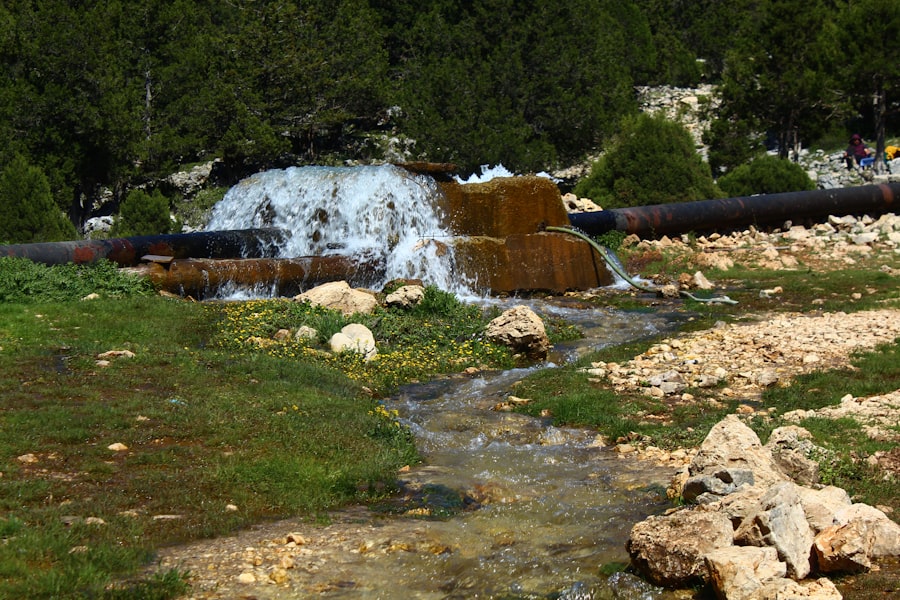
Strengthening Regional Cooperation and Transboundary Agreements
Effective management of the Syr Darya hinges on robust regional cooperation. Bilateral and multilateral agreements, such as those forged under the Interstate Commission for Water Coordination (ICWC), are essential platforms for dialogue, data sharing, and joint decision-making. However, these agreements often suffer from a lack of binding enforcement mechanisms and a tendency for states to prioritize national interests over collective regional well-being. Future efforts must focus on strengthening the institutional capacity of regional bodies, fostering trust through transparent data exchange, and exploring innovative benefit-sharing mechanisms that incentivize cooperation rather than competition. This requires a shift from a zero-sum mentality to one of shared gains, where the well-being of the entire basin is prioritized.
Modernizing Irrigation Infrastructure and Promoting Water-Saving Technologies
A fundamental shift in agricultural practices is imperative. Investing in modern irrigation infrastructure, such as lined canals, pipes, and pressurized systems, can significantly reduce water losses. Promoting the adoption of water-saving technologies like drip irrigation and sprinkler systems, coupled with farmer education and financial incentives, can drastically improve water use efficiency. Furthermore, diversifying agricultural production away from highly water-intensive crops towards more drought-resistant varieties or less water-dependent activities could alleviate pressure on the river. This involves not only technological upgrades but also a cultural paradigm shift in how water is perceived and utilized in agriculture.
Integrated Water Resources Management (IWRM) Approaches
Integrated Water Resources Management (IWRM) offers a holistic framework for managing the Syr Darya. This approach calls for coordinating the management of land and water resources, addressing issues from a basin-wide perspective, and involving all stakeholders in decision-making processes. IWRM emphasizes balancing economic, social, and environmental objectives, recognizing the interconnectedness of various water uses. Implementing IWRM requires robust legal and institutional frameworks, comprehensive data collection and analysis, and significant capacity building at all levels of governance. It’s an overarching philosophy that seeks to weave together the disparate threads of water management into a coherent and sustainable tapestry.
Investing in Research, Monitoring, and Early Warning Systems
Understanding the complex hydrology of the Syr Darya and anticipating future challenges requires continuous investment in scientific research, hydrological monitoring networks, and early warning systems. Tracking glacier melt rates, analyzing precipitation patterns, and forecasting drought conditions are crucial for informed decision-making and proactive adaptation strategies. This scientific backbone provides the empirical evidence needed to guide management decisions, allowing for a more agile and responsive approach to the river’s changing dynamics. It’s about peering into the future through the lens of data, anticipating challenges before they become crises.
Future Outlook and the Path Forward

The Urgency of Action and the Cost of Inaction
The challenges facing the Syr Darya are not theoretical; they are immediate and profound. The consequences of inaction – increased water scarcity, heightened political tensions, environmental degradation, and stunted economic development – are dire. The cost of delay, both economic and social, far outweighs the investment required for sustainable water management. Procrastination is a luxury the region cannot afford.
Building Trust and Shared Prosperity
Ultimately, the future of the Syr Darya rests on the ability of the riparian states to build trust and foster a spirit of shared prosperity. This necessitates moving beyond a confrontational approach to one of collaborative problem-solving. Exploring opportunities for “water-energy-food” nexus approaches, where hydropower generated upstream can be exchanged for food products or other benefits downstream, could provide mutually beneficial solutions. International organizations and donor communities also have a crucial role to play in facilitating dialogue, providing technical assistance, and catalyzing investments in sustainable water infrastructure.
A Call to Collective Stewardship
The Syr Darya is more than just a river; it is a shared heritage, a source of life that transcends national borders. Its sustainable management is not merely an economic imperative, but a moral obligation. As stewards of this vital resource, the riparian states, supported by the international community, must embrace a long-term vision, characterized by cooperation, innovation, and a profound respect for the delicate balance of nature. The river’s future, and by extension the well-being of millions, depends on a collective commitment to its preservation and judicious use. The river’s fate is inextricably linked to the fate of the people it sustains, a powerful reminder of our interconnectedness with the natural world.
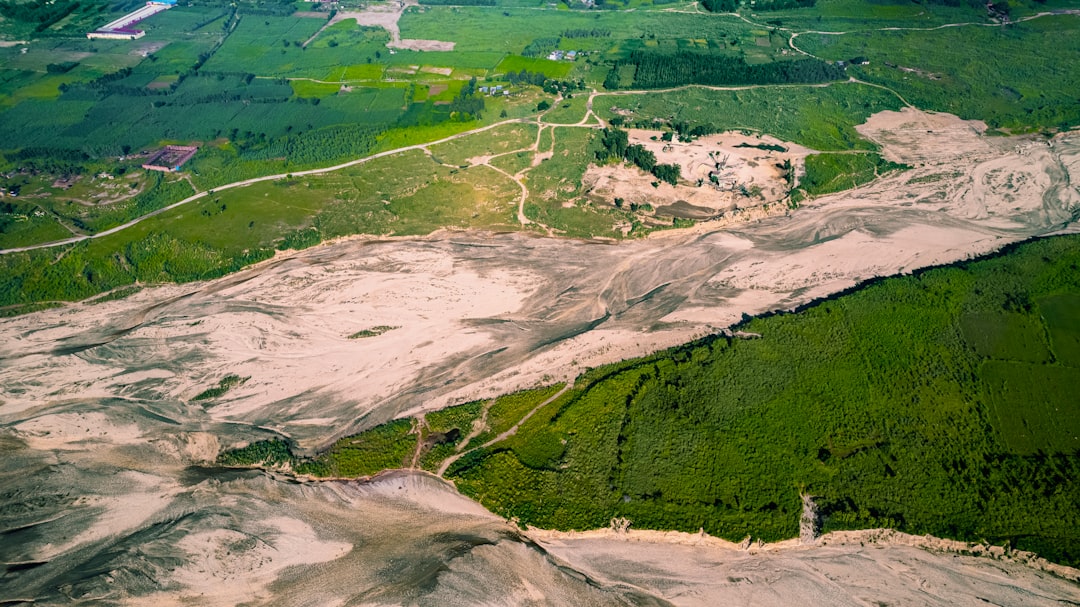
▶️ STOP: The Middle Corridor Is A Death Trap
FAQs
What is the Syr Darya River?
The Syr Darya is a major river in Central Asia, flowing through countries such as Uzbekistan, Kazakhstan, and Kyrgyzstan. It is one of the two main rivers feeding the Aral Sea and plays a crucial role in regional water supply and agriculture.
Why is water management important for the Syr Darya?
Water management is vital for the Syr Darya because the river supports agriculture, drinking water, and industry in several countries. Proper management helps prevent water shortages, supports irrigation, and mitigates conflicts over water resources in this arid region.
What are the main challenges in managing Syr Darya’s water resources?
Key challenges include seasonal variability in water flow, competing demands from upstream and downstream countries, inefficient irrigation practices, and environmental issues such as the shrinking of the Aral Sea due to water diversion.
How do countries cooperate on Syr Darya water management?
Countries in the Syr Darya basin cooperate through regional agreements and organizations like the Interstate Commission for Water Coordination (ICWC). These frameworks aim to coordinate water allocation, share data, and implement joint projects to ensure sustainable use.
What impact does Syr Darya water management have on the environment?
Effective water management can help reduce environmental degradation, such as soil salinization and loss of biodiversity. Conversely, poor management has contributed to the drying of the Aral Sea, leading to ecological damage and negative health effects for local populations.