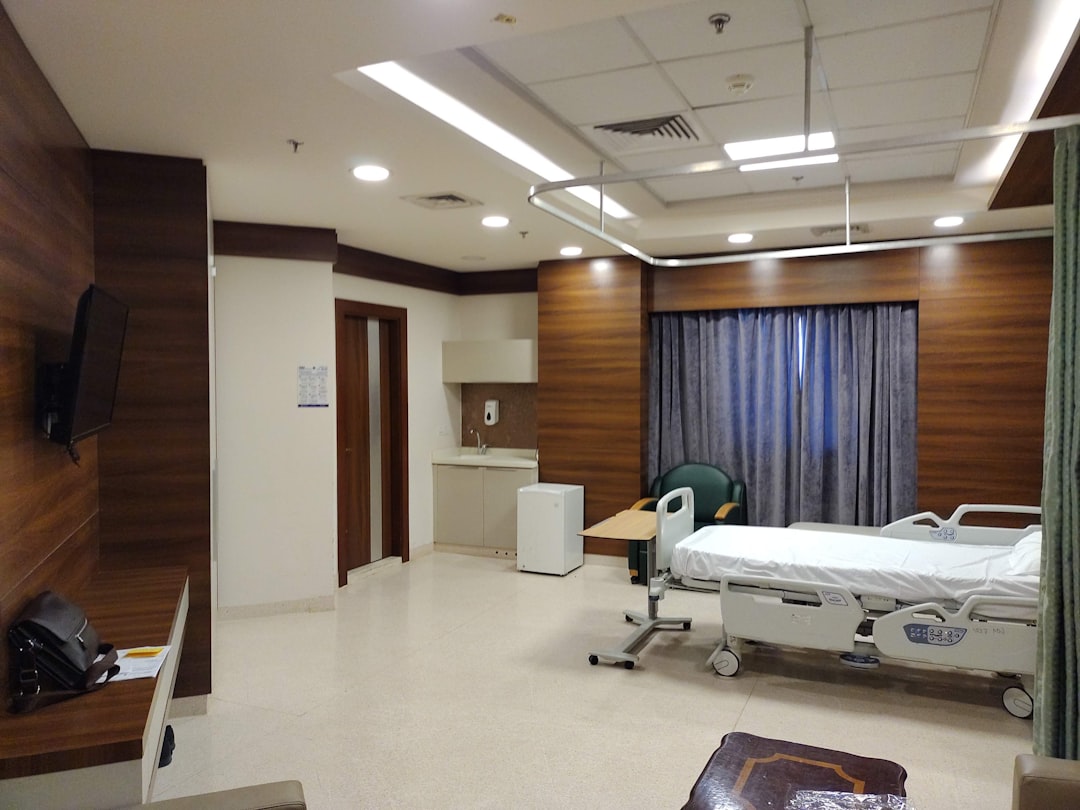
The Mississippi River Dialysis Facility, nestled along the banks of one of the world’s most iconic waterways, faces a unique and persistent challenge: the management of salinity in its water supply. This issue, while seemingly localized, echoes a broader global concern regarding water quality and the intricate processes required to make it suitable for highly sensitive medical applications. Dialysis, a life-sustaining treatment for individuals with kidney failure, demands water of exceptional purity. Any deviation, particularly in the concentration of dissolved solids like salts, can have profound implications for patient safety and treatment efficacy. This article delves into the multifaceted aspects of salinity management at such a facility, examining the sources of increased salinity, the technologies employed for its mitigation, the operational protocols, and the continuous monitoring strategies essential for maintaining optimal water quality.
The Mississippi River, a dynamic and ever-changing hydrological system, presents a complex array of water quality characteristics. Its vast watershed encompasses diverse geological formations and land uses, contributing to a fluctuating chemical profile that directly impacts facilities drawing water from it. The recent developments in the Mississippi River infrastructure have significantly improved transportation efficiency.
Sources of Increased Salinity
Several factors contribute to the varying and sometimes elevated salinity levels observed in the Mississippi River, particularly in its lower stretches.
Upstream Industrial Discharges
Industrial operations along the Mississippi and its tributaries, ranging from manufacturing plants to agricultural processing facilities, can introduce various salts and dissolved minerals into the river system. While regulations strive to control these discharges, their cumulative effect can be significant. Imagine the river as a massive conveyor belt, carrying these industrial footprints downstream, sometimes depositing them at the very intake of a sensitive facility.
Agricultural Runoff
Modern agricultural practices often involve the extensive use of fertilizers, which are rich in various salts, including nitrates and phosphates. Irrigation water, when it percolates through treated fields and eventually returns to the river, often carries these dissolved salts, increasing the overall salinity. This is akin to a slow, steady drip, contributing to the river’s chemical composition over vast stretches of land.
Natural Mineral Seepage
The geological strata through which the Mississippi River flows, particularly in its lower basin, contain naturally occurring salt deposits. Groundwater interactions and the erosion of these formations can lead to the natural leaching of minerals into the river. This phenomenon acts as a geological undercurrent, subtly influencing water chemistry from below.
Seasonal Variations and Drought Conditions
The volume of water in the Mississippi River fluctuates significantly based on seasonal precipitation and snowmelt. During periods of low flow, such as droughts, the concentration of dissolved solids, including salts, naturally increases because there is less water to dilute them. This is comparable to reducing the amount of water in a pot while keeping the same amount of salt – the solution becomes more concentrated. Conversely, heavy rainfall can lead to increased runoff, potentially flushing more dissolved solids into the river.
Estuarine Influence
For facilities located closer to the Gulf of Mexico, the tidal influence and potential for saltwater intrusion from the estuary can present a unique and severe salinity challenge. This is a direct battle against the encroaching sea, requiring robust protective measures at the water intake.
The impact of salinity on dialysis facilities along the Mississippi River has become a pressing concern for healthcare providers and patients alike. A related article that delves into this issue can be found at MyGeoQuest, where it discusses the challenges faced by dialysis centers due to fluctuating salinity levels in the river. This resource provides valuable insights into how environmental factors can affect patient care and the operational strategies that facilities are implementing to ensure safety and efficacy in treatment.
Technologies for Salinity Mitigation
The Mississippi River Dialysis Facility employs an advanced multi-barrier approach to water purification, specifically designed to address and mitigate the challenges posed by fluctuating salinity. The overarching goal is to produce ultrapure water, conforming to stringent medical-grade standards.
Reverse Osmosis (RO) Systems
At the heart of the facility’s water purification strategy are its sophisticated Reverse Osmosis (RO) systems. These systems are the workhorses for salinity reduction, acting as a molecular sieve that effectively separates dissolved salts from the water.
Pre-treatment Stages
Before water even reaches the RO membranes, it undergoes extensive pre-treatment. This typically includes mechanical filtration to remove particulate matter, activated carbon filtration to adsorb organic compounds and chlorine, and often softening to remove hardness-causing minerals. These pre-treatment steps are crucial for protecting the delicate RO membranes from fouling and premature degradation, ensuring their long-term efficiency. Think of pre-treatment as the diligent gatekeepers, preparing the raw river water for its rigorous journey.
High-Pressure Pumping
The RO process requires significant hydraulic pressure to force water through semi-permeable membranes, leaving dissolved salts and other impurities behind. High-pressure pumps are therefore integral, providing the necessary force to overcome osmotic pressure. This is where the sheer mechanical effort is applied to push water against its natural tendency.
Membrane Selection and Maintenance
The choice of RO membranes is critical, with facilities often opting for thin-film composite membranes known for their high salt rejection rates. Regular cleaning and maintenance protocols, including chemical cleaning and periodic replacement, are essential to sustain membrane performance and prevent biofouling or scaling, which can severely impair their effectiveness. These membranes are the unsung heroes, silently performing their osmotic acrobatics.
Deionization (DI) Systems
While RO systems are highly effective at removing the bulk of dissolved solids, deionization (DI) systems often serve as a polishing step, ensuring the water reaches the ultra-pure standards required for dialysis.
Ion Exchange Resins
DI systems utilize ion exchange resins, which chemically exchange undesirable ions (like sodium and chloride) for hydrogen and hydroxyl ions, ultimately forming pure water. These resins act like tiny magnetic sponges, selectively capturing and swapping out unwanted dissolved ions.
Mixed-Bed Configurations
Often, mixed-bed DI cartridges are employed, containing a mixture of anion and cation exchange resins, to achieve the highest possible purity by removing even trace amounts of remaining ions. This dual action is a powerful final sweep, ensuring virtually no ionic impurities remain.
Advanced Oxidation Processes (AOPs)
In some cases, particularly when there are concerns about refractory organic contaminants that might interfere with membrane performance or pose other water quality risks, advanced oxidation processes (AOPs) might be incorporated.
UV-Light Treatment
Ultraviolet (UV) light can be used for disinfection and to break down challenging organic molecules, sometimes in conjunction with hydrogen peroxide, to form highly reactive hydroxyl radicals. This is a powerful chemical hammer, breaking down complex structures into simpler, more manageable components.
Operational Protocols and Monitoring
Effective salinity management extends beyond technological solutions; it is deeply embedded in the facility’s operational protocols and continuous monitoring strategies. This is the human element, the constant vigilance that ensures the technology performs as intended.
Real-time Water Quality Monitoring
The facility employs a sophisticated network of real-time sensors that continuously monitor critical water quality parameters at various points in the purification process.
Conductivity Meters
Conductivity meters are strategically placed at the raw water intake, post-pre-treatment, after RO, and exiting the DI systems. These meters provide instantaneous readings of total dissolved solids (TDS), offering a crucial indicator of salinity levels. Any sudden spike triggers alarms and allows operators to take immediate corrective action. This is the facility’s nervous system, constantly relaying vital information.
Ion-Selective Electrodes
Specific ion-selective electrodes may be deployed to monitor the concentration of particular problematic ions, such as sodium or chloride, especially if historical data suggests their variability. This allows for a more granular understanding of the specific ionic challenges.
Online Turbidity Sensors
Turbidity, while not directly a measure of salinity, is an important indicator of particulate matter that can impact pre-treatment effectiveness and RO membrane performance. Online turbidity sensors provide early warning of filter breakthrough or other disruptions.
Regular Water Sampling and Laboratory Analysis
Beyond real-time monitoring, a robust schedule of water sampling and laboratory analysis is integral to verification and comprehensive quality assurance.
Daily Routine Testing
Daily samples are collected from various stages of the purification process and analyzed in the facility’s internal laboratory for a range of parameters, including conductivity, pH, and specific ion concentrations. These routine checks are the daily health diagnostics for the water system.
Quarterly Third-Party Analysis
To ensure unbiased assessment and compliance with regulatory standards, the facility regularly submits water samples to independent, accredited third-party laboratories for comprehensive analysis. This external audit provides an objective validation of water quality and system performance. This is the ultimate proof of transparency and adherence to standards.
Contingency Planning and Emergency Protocols
Recognizing the unpredictable nature of river water quality, the facility maintains detailed contingency plans for scenarios involving sudden increases in salinity or other water quality events.
Redundant Purification Systems
Multiple, redundant purification trains are in place, allowing for switching between systems in case one experiences an issue or requires maintenance. This ensures uninterrupted supply of medical-grade water, even during significant challenges. This is the facility’s essential safety net, guaranteeing continuity of care.
Emergency Water Storage
A substantial volume of purified water is stored in reservoirs, providing a critical buffer in the event of a catastrophic failure of the primary water source or purification systems. This reserve functions as a life raft, sustaining operations during unforeseen disruptions.
Access to Alternative Water Sources
In extreme situations, the facility has established protocols and agreements for accessing alternative, pre-purified water sources from municipal suppliers or through specialized water transportation services. This is the final layer of preparedness, ensuring that patient safety is never compromised.
Continuous Improvement and Research
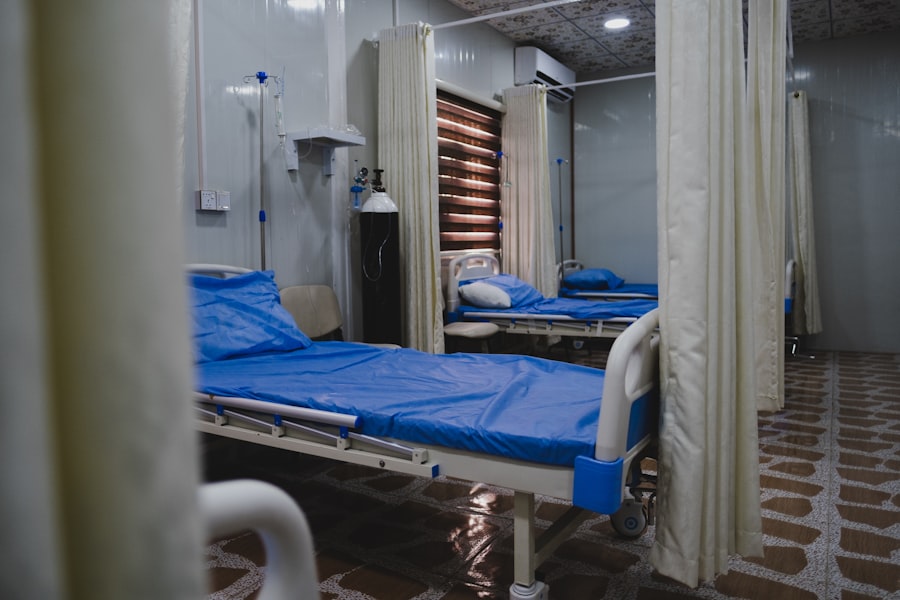
The challenge of salinity management at the Mississippi River Dialysis Facility is not static; it is an evolving situation that demands continuous vigilance and a commitment to improvement.
Data Analytics and Pattern Recognition
The vast amount of real-time and laboratory data collected is used not just for immediate operational decisions but also for long-term trend analysis. Identifying patterns in salinity fluctuations, correlating them with river flow rates, upstream industrial activities, or weather events, allows for more proactive management and optimization of purification strategies. This is where data transforms into predictive intelligence, allowing the facility to anticipate and prepare for future challenges.
Collaboration with Environmental Agencies
The facility actively collaborates with local and federal environmental agencies, sharing data and insights regarding river water quality. This partnership fosters a broader understanding of the Mississippi River’s health and contributes to regional efforts for water resource management and pollution control. This collaborative spirit transforms individual efforts into a larger, more impactful environmental stewardship.
Investment in Research and Development
The Mississippi River Dialysis Facility maintains an interest in advancements in water purification technologies. Research into more energy-efficient RO membranes, novel pre-treatment methods, or advanced sensor technologies is constantly monitored for potential integration, aiming to enhance both efficiency and resilience against salinity challenges. This forward-looking perspective ensures that the facility remains at the forefront of water quality management, a testament to its unwavering commitment to patient well-being.
The journey of water from the mighty Mississippi to the delicate environment of a dialysis machine is a testament to human ingenuity and dedication. Managing salinity at this facility is not merely a technical exercise; it is a critical component of healthcare delivery, a continuous battle fought with technology, vigilance, and a profound understanding of the river, its nuances, and its life-giving, yet challenging, character.
WATCH THIS! 🚨CRACKING: Why America’s $5 Trillion Dam is Failing Right Now
FAQs
What is the Mississippi River Dialysis Facility?
The Mississippi River Dialysis Facility is a healthcare center located near the Mississippi River that provides dialysis treatment to patients with kidney failure or chronic kidney disease.
Why is salinity a concern for the Mississippi River Dialysis Facility?
Salinity refers to the concentration of salt in water. Elevated salinity levels in the Mississippi River can affect the quality of water used in dialysis treatment, potentially impacting patient safety and the operation of dialysis equipment.
How does salinity affect dialysis treatment?
Dialysis requires highly purified water to safely remove waste products from the blood. High salinity in the water supply can interfere with water purification systems, leading to potential risks such as equipment damage or contamination of dialysis fluid.
What measures are taken to manage salinity at the dialysis facility?
The facility typically uses advanced water treatment systems, including reverse osmosis and deionization, to remove salts and impurities from the water before it is used in dialysis. Regular monitoring of water quality ensures that salinity levels remain within safe limits.
Is the salinity level in the Mississippi River increasing?
Salinity levels in the Mississippi River can fluctuate due to factors such as drought, saltwater intrusion, and human activities. Monitoring programs track these changes to assess potential impacts on water use, including at dialysis facilities.
Can patients be affected by changes in river salinity?
Patients undergoing dialysis rely on safe and clean water for treatment. If salinity levels rise and are not properly managed, it could compromise treatment safety. However, dialysis centers have protocols to ensure water quality remains safe regardless of external changes.
Who monitors the water quality for dialysis facilities near the Mississippi River?
Water quality is monitored by the dialysis facility’s staff, local water authorities, and regulatory agencies such as the Environmental Protection Agency (EPA) and the Centers for Medicare & Medicaid Services (CMS), which set standards for dialysis water quality.
Are there any environmental concerns related to salinity in the Mississippi River?
Yes, increased salinity can affect aquatic ecosystems, agriculture, and drinking water supplies. Managing salinity is important for environmental health as well as for human uses like dialysis treatment.
What can be done to reduce salinity in the Mississippi River?
Efforts to reduce salinity include managing upstream water use, controlling salt runoff from agriculture and industry, restoring wetlands, and implementing policies to limit salt pollution.
Where can I find more information about dialysis water quality standards?
Information about dialysis water quality standards can be found through the Association for the Advancement of Medical Instrumentation (AAMI), the Centers for Disease Control and Prevention (CDC), and the U.S. Environmental Protection Agency (EPA).