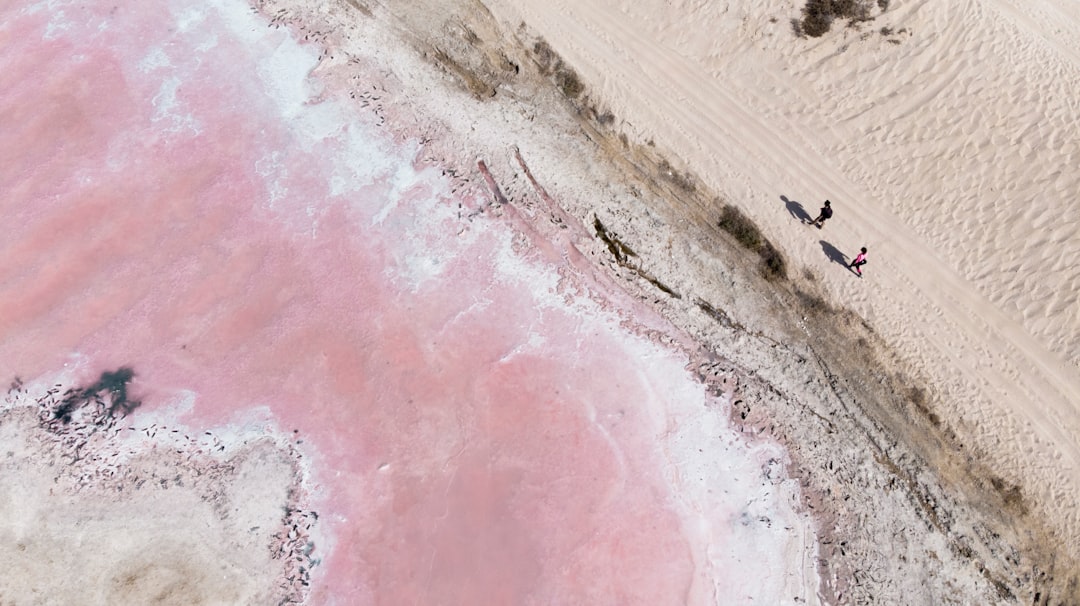
The delicate balance of Great Salt Lake’s ecosystem hinges on a complex interplay of factors, none more critical than its salinity and the ubiquitous brine flies. Managing this vast inland sea presents a multifaceted challenge, requiring a deep understanding of ecological dynamics, hydrological inputs, and the economic realities of the region. The lake’s fluctuating water levels and consequently, its salinity, act as a linchpin, directly influencing the survival of the brine fly populations that form the foundation of its food web.
The salinity of Great Salt Lake is not a static attribute but rather a dynamic property that fluctuates significantly based on precipitation, snowmelt, and evaporation rates. This variability is the primary determinant of the lake’s ecological health, acting as a sensitive barometer. As precipitation declines and evaporation intensifies, the lake’s surface area shrinks, concentrating the dissolved salts. This process is akin to a baker reducing a broth, where desirable flavors become more intense, but in the case of the lake, an excessive concentration of salt can be detrimental.
Understanding Salinity Thresholds
Ecologists have identified distinct salinity thresholds that define different ecological states for Great Salt Lake. These thresholds are crucial for understanding the limits of tolerance for the organisms that inhabit the lake.
Oligohaline to Mesohaline Transition
In its less saline phases, often described as oligohaline or slightly saline, the lake can support a wider array of life. As salinity increases into the mesohaline range (moderately saline), the diversity of organisms begins to contract, with only the most salt-tolerant species surviving. This is a critical juncture.
Hypersaline Dominance and its Implications
When Great Salt Lake enters the hypersaline range (very highly saline), the conditions become extreme. Many freshwater organisms cannot survive. The very chemistry of the water becomes a barrier to entry for species accustomed to less concentrated environments. This is where the resilience of the brine fly becomes particularly notable.
Factors Influencing Salinity
Several interconnected factors contribute to the overall salinity of the lake. Understanding these drivers is essential for any management strategy.
Hydrological Inputs: The Lake’s Lifeline
The primary source of fresh water for Great Salt Lake comes from its contributing rivers, the Bear, Weber, and Jordan rivers, along with precipitation directly falling on the lake’s surface. The flow of these rivers, largely determined by snowpack in the Wasatch Mountains, is the primary moderator of salinity. Reduced river flows, often due to drought or increased upstream water diversions for agriculture and municipal use, directly lead to increased salinity.
Evaporation: The Unseen Foe
Great Salt Lake sits in an arid basin, making evaporation a significant process. On average, the lake loses a substantial amount of water each year to the atmosphere. This loss concentrates the salts that remain, acting as a continuous upward pressure on salinity levels. The larger the surface area of the lake, the greater the potential for evaporation, but a lower water level means a smaller surface area exposed to evaporation, creating a complex feedback loop.
Human Interventions: The Thumb on the Scale
Human activities, particularly water diversions for agriculture, industry, and urban consumption, have a profound impact on the hydrological inputs to the lake. These diversions act like siphons, drawing water away before it can reach the lake, thereby reducing its freshwater volume and accelerating salinity increases. Understanding the scale and impact of these diversions is paramount.
Recent studies have highlighted the intricate relationship between the salinity levels of the Great Salt Lake and the thriving population of brine flies, which play a crucial role in the local ecosystem. As salinity levels fluctuate due to various environmental factors, the survival and reproduction of these flies are directly impacted, influencing the food web in the region. For more in-depth information on this topic, you can read the related article at My Geo Quest.
The Brine Fly: A Keystone Species in a Saline World
The brine fly, belonging to the family Ephydridae, is not merely an insect; it is the ecological linchpin of Great Salt Lake. Despite their often-overlooked status, these tiny creatures are a cornerstone of the lake’s food web. Their populations are intimately tied to the lake’s salinity, and their management, or lack thereof, has cascading effects throughout the ecosystem.
Brine Fly Ecology and Salinity Tolerance
Brine flies exhibit a remarkable tolerance for a wide range of salinities, which is a key factor in their dominance within the lake. However, this tolerance is not infinite, and extreme hypersalinity can still impact their life cycles and populations.
Larval Stages and Salinity
The larval stages of brine flies are particularly sensitive to salinity. While some species can thrive in hypersaline conditions, there are upper limits to their reproductive success. Optimal salinity ranges exist for the different life stages, and deviations from these can lead to reduced egg hatching, slower larval development, and increased mortality.
Adult Emergence and Reproductive Cycles
The emergence of adult brine flies from their pupal cases is a spectacular natural event, often witnessed as vast swarms over the lake. The success of this emergence and subsequent reproduction is directly linked to the salinity of the water in which their larvae developed. Fluctuations in salinity can disrupt these cycles, impacting the food source for migratory birds.
The Brine Fly as a Food Source
The sheer biomass of brine flies makes them an indispensable food source for a vast array of migratory birds that rely on Great Salt Lake as a critical stopover point during their journeys. This dietary significance elevates the brine fly from a mere inhabitant to a keystone species, whose fate is intertwined with the health of the broader avian populations.
Migratory Bird Dependency
Millions of migratory birds, including shorebirds, waterfowl, and other species, depend on the brine flies and brine shrimp (another important, though less abundant, food source in the lake) for sustenance. Without an adequate supply of these organisms, these birds face starvation and a disruption of their migration patterns, potentially impacting populations across continents.
The Bioenergetic Link
The brine fly acts as a crucial link in the lake’s bioenergetic chain. They consume algae and other microorganisms, converting this primary production into a protein-rich food source for higher trophic levels. This conversion is essential for sustaining the entire food web.
Management Strategies: Navigating the Saline Currents
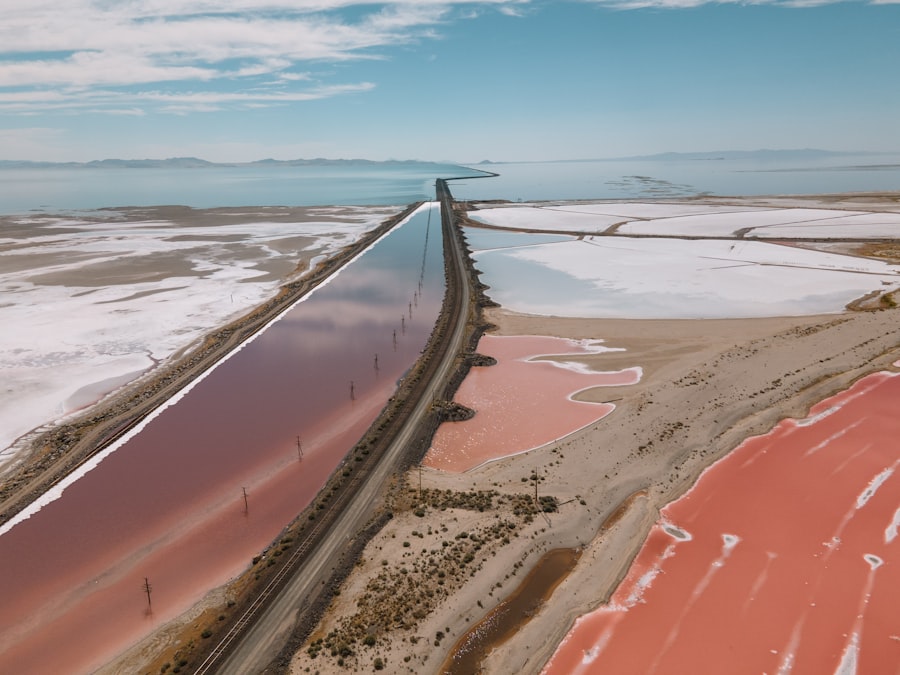
Managing Great Salt Lake’s salinity and the associated brine fly populations is a complex endeavor, requiring a multi-pronged approach that integrates scientific understanding, stakeholder collaboration, and adaptive management principles. The decisions made today will ripple through the ecosystem for generations.
Water Conservation and Management
The most direct way to influence lake salinity is by managing the inflows of freshwater. This involves a delicate balancing act between human water needs and the ecological requirements of the lake.
Reducing Water Diversions
Implementing and enforcing water conservation measures across all sectors, including agriculture, industry, and residential use, is paramount. This might involve promoting drought-tolerant landscaping, improving irrigation efficiency, and exploring innovative water reuse technologies. The goal is to reduce the overall demand for freshwater, leaving more to flow into the lake.
Prioritizing Lake Health in Water Allocation
Re-evaluating water allocation policies to give greater weight to the ecological needs of Great Salt Lake is a critical step. This may involve setting minimum inflow requirements for rivers that feed the lake and establishing mechanisms to protect those inflows during drought years. Water is the lifeblood of the lake, and its diversion is a direct threat to its vitality.
Habitat Restoration and Preservation
Beyond managing water levels, preserving and restoring the lake’s natural habitats is crucial for supporting brine fly populations and the broader ecosystem.
Protecting Shoreline Habitats
The shallow areas and wetlands along the lake’s perimeter are vital for brine fly reproduction and the nesting of migratory birds. Protecting these sensitive habitats from development and pollution is essential for maintaining the ecological integrity of the lake.
Managing Invasive Species
While not as pronounced as in some other aquatic systems, the introduction and spread of invasive species can disrupt the delicate balance of the Great Salt Lake ecosystem. Monitoring and managing these species can help protect the native brine fly populations.
Research and Monitoring: Illuminating the Path Forward
A robust understanding of the lake’s dynamics is essential for effective management. Continuous research and monitoring provide the data needed to adapt strategies as conditions change.
Real-time Salinity Monitoring
Implementing widespread, real-time salinity monitoring across the lake allows for immediate detection of shifts in salt concentration. This data can inform rapid response measures and help predict future trends.
Brine Fly Population Assessment
Regular assessments of brine fly populations, including their life stages and distribution, are crucial for understanding their health and their ability to support migratory bird populations. This provides a direct measure of the ecosystem’s capacity.
Modeling and Predictive Analysis
Developing sophisticated hydrological and ecological models can help predict the impact of different management scenarios on lake salinity and brine fly populations. These models are powerful tools for informed decision-making.
Challenges and Controversies: Navigating the Perilous Shoals
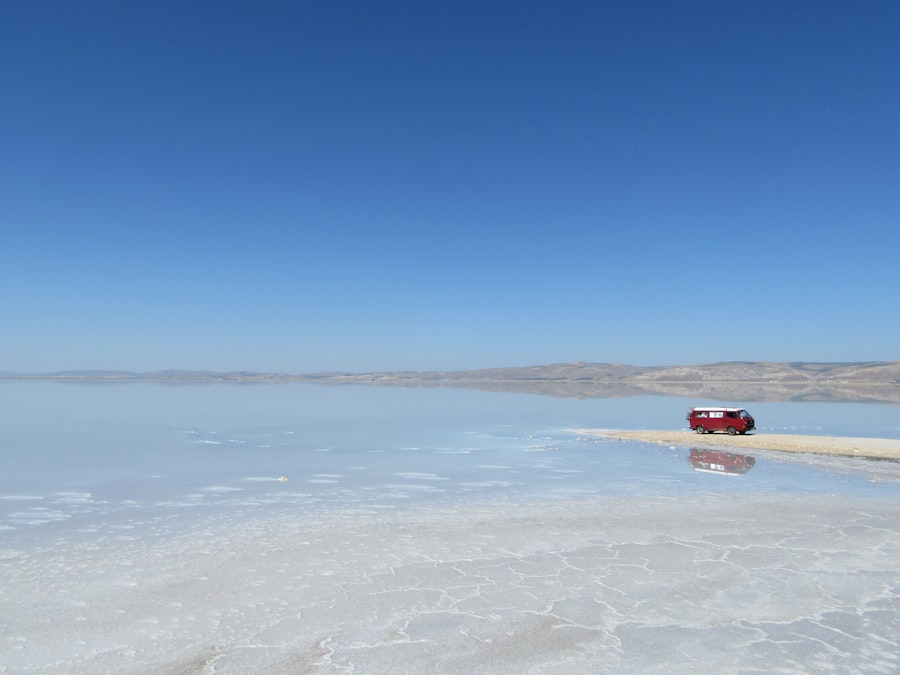
The management of Great Salt Lake is fraught with challenges, both scientific and socio-political. Reaching consensus among diverse stakeholders and addressing the economic implications of management decisions are significant hurdles.
Stakeholder Engagement and Conflict Resolution
Great Salt Lake is a shared resource, and its management involves numerous stakeholders, each with their own interests and priorities. Bridging these divides requires open communication, transparent processes, and a commitment to finding common ground.
Water Rights and Agricultural Demands
The extensive water rights held by agricultural users present a significant challenge. Balancing the economic realities of agriculture with the ecological imperative to maintain lake levels is a recurring point of contention. Finding innovative solutions that support both human livelihoods and ecological health is necessary.
Industrial Water Use and Extraction
Industries that extract minerals from the lake, such as magnesium and potash, also play a role in the lake’s water balance. Their operations can impact salinity and necessitate careful regulatory oversight and collaboration.
Economic Implications of Management Decisions
Decisions regarding water use and lake management have significant economic consequences for communities surrounding Great Salt Lake. Any management plan must consider these impacts and strive for equitable solutions.
The Value of a Healthy Lake
Quantifying the economic value of a healthy Great Salt Lake, including its contributions to recreation, tourism, and the avian flyway, is important for justifying conservation efforts. The ecosystem services provided by the lake are substantial and often underestimated.
Economic Diversification and Water Markets
Exploring economic diversification strategies in areas that rely heavily on water-intensive agriculture can reduce pressure on freshwater resources. The development of efficient water markets can also incentivize conservation.
Recent studies have highlighted the alarming changes in the salinity levels of the Great Salt Lake, which have significant implications for local ecosystems, particularly for brine flies that thrive in these unique conditions. These tiny insects play a crucial role in the food web, serving as a primary food source for various bird species. For a deeper understanding of how these salinity fluctuations affect both the brine flies and the overall ecosystem, you can read more in this insightful article on the topic. To explore further, visit this link.
The Future of the Lake: A Call for Collective Action
| Parameter | Value | Unit | Notes |
|---|---|---|---|
| Average Salinity Level | 120 | ppt (parts per thousand) | Varies seasonally, higher in summer |
| Salinity Range | 50 – 270 | ppt | Depends on lake location and water inflow |
| Brine Fly (Ephydra spp.) Population Density | 10,000 – 50,000 | flies per square meter | Highest near shoreline and shallow waters |
| Optimal Salinity for Brine Flies | 60 – 150 | ppt | Supports breeding and larval development |
| Brine Fly Larvae Salinity Tolerance | Up to 250 | ppt | Larvae can survive in hypersaline conditions |
| Impact of Salinity on Brine Fly Population | Negative above 200 | ppt | Population declines as salinity exceeds this level |
The long-term health of Great Salt Lake and its iconic brine fly populations rests on a collective commitment to sustainable management. The lake is a vital natural resource, an ecological treasure, and a crucial stopover for migratory birds, and its fate is inextricably linked to the decisions made by the people who share its watershed.
Adaptive Management: A Compass for Change
Given the dynamic nature of the lake’s environment, an adaptive management approach is essential. This means being prepared to adjust strategies based on new scientific findings and changing environmental conditions. The lake is not a static entity, and our management must reflect this reality.
Public Awareness and Education
Raising public awareness about the ecological significance of Great Salt Lake, the role of brine flies, and the challenges of salinity management is crucial for building support for conservation efforts. An informed public is a powerful ally in protecting this unique ecosystem.
Fostering Collaboration and Innovation
Encouraging collaboration among scientists, policymakers, industry, and the public is key to developing innovative solutions for managing the lake. The challenges are significant, but by working together, we can ensure the continued vitality of Great Salt Lake for generations to come. The lake’s silence, punctuated only by the hum of insects and the calls of birds, is a profound reminder of the delicate equilibrium we must strive to maintain.
FAQs
What causes the high salinity levels in the Great Salt Lake?
The Great Salt Lake’s high salinity is primarily due to its lack of an outlet, causing water to evaporate and leave behind salts and minerals. This process concentrates the salt content, making the lake much saltier than typical freshwater bodies.
How do salinity levels in the Great Salt Lake vary throughout the year?
Salinity levels fluctuate seasonally, generally increasing during the hot, dry summer months when evaporation rates are higher, and decreasing during wetter periods when freshwater inflows dilute the salt concentration.
What role do brine flies play in the Great Salt Lake ecosystem?
Brine flies are a key species in the Great Salt Lake ecosystem. They feed on algae and organic matter in the salty waters and serve as an important food source for migratory birds and other wildlife.
Can brine flies survive in the varying salinity levels of the Great Salt Lake?
Yes, brine flies are highly adapted to survive in the lake’s fluctuating salinity levels. Their larvae thrive in the salty sediments, and adults are well-suited to the harsh, saline environment.
How do changes in salinity affect the overall health of the Great Salt Lake?
Changes in salinity can impact the lake’s biological communities, including brine flies and other organisms. Extremely high salinity levels may reduce biodiversity, while lower salinity can support a wider range of species, influencing the lake’s ecological balance.