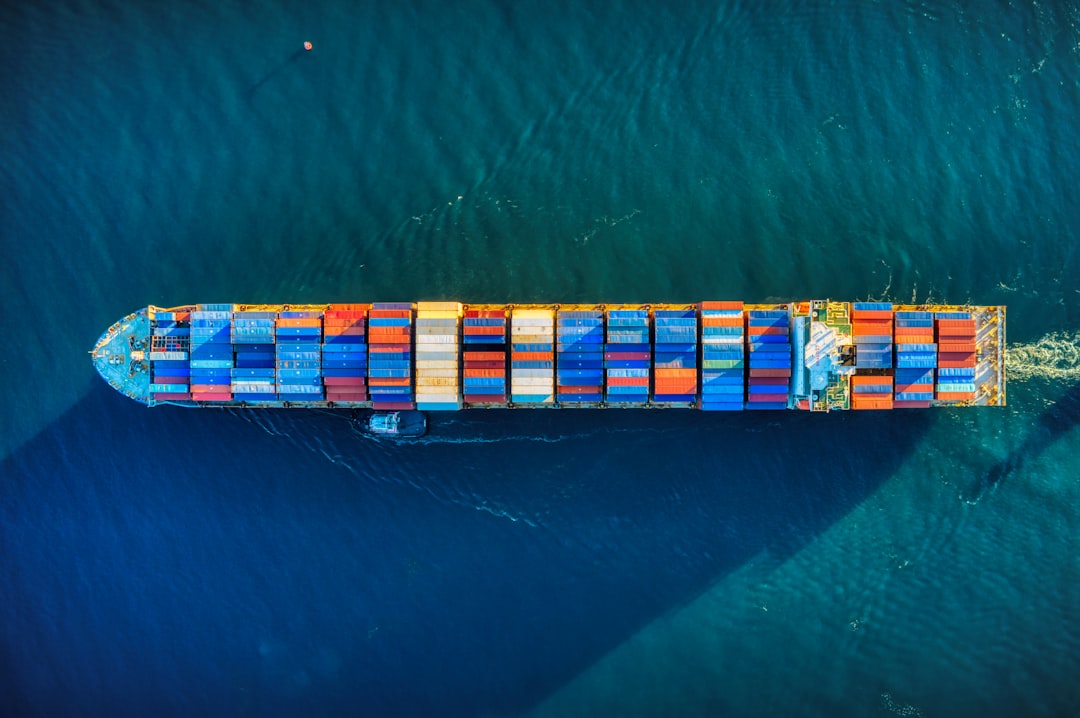
Freight costs in container shipping represent a significant portion of the overall expenses incurred by businesses engaged in international trade. These costs encompass various elements, including shipping fees, terminal handling charges, and additional surcharges that may arise due to fluctuating fuel prices or seasonal demand. Understanding these components is crucial for companies aiming to manage their logistics budgets effectively.
The complexity of freight costs can vary based on factors such as the type of cargo, the shipping route, and the chosen shipping method, whether it be full container load (FCL) or less than container load (LCL). Moreover, the global nature of container shipping means that freight costs are influenced by a myriad of external factors. Currency fluctuations, geopolitical events, and changes in trade regulations can all impact shipping rates.
For instance, a sudden increase in oil prices can lead to higher fuel surcharges, which are often passed on to shippers. Additionally, seasonal trends can affect availability and demand for container space, further complicating cost predictions. Therefore, businesses must stay informed about these dynamics to make educated decisions regarding their shipping strategies.
Key Takeaways
- Understanding the factors that contribute to freight costs in container shipping is essential for effective cost management.
- Negotiating rates with shipping companies can lead to significant cost savings and improved terms for your business.
- Utilizing technology, such as transportation management systems, can help in tracking and managing freight costs more efficiently.
- Optimizing container space can lead to cost efficiency by maximizing the use of available space and reducing the need for additional containers.
- Implementing just-in-time inventory practices can help in reducing storage and carrying costs associated with excess inventory.
Negotiating Rates with Shipping Companies
Negotiating rates with shipping companies is an essential skill for businesses looking to optimize their logistics expenses. Effective negotiation can lead to significant savings, especially for companies that ship large volumes of goods regularly. Establishing a good relationship with carriers can provide leverage during negotiations, as shipping companies are often more willing to offer competitive rates to loyal customers.
It is beneficial for businesses to conduct thorough market research to understand prevailing rates and identify potential areas for negotiation. In addition to understanding market rates, companies should also be prepared to discuss their shipping needs in detail. This includes providing information about shipment frequency, volume, and specific service requirements.
By presenting a clear picture of their logistics needs, businesses can negotiate terms that align with their operational goals. Furthermore, exploring multiple shipping options and obtaining quotes from various carriers can create a competitive environment that encourages better pricing and service terms.
Utilizing Technology for Cost Management

The advent of technology has revolutionized the way businesses manage freight costs in container shipping. Advanced software solutions and digital platforms enable companies to track shipments in real-time, analyze shipping data, and forecast costs more accurately. By leveraging these tools, businesses can gain insights into their shipping patterns and identify areas where they can reduce expenses.
For instance, data analytics can reveal trends in shipping times and costs, allowing companies to make informed decisions about their logistics strategies. Moreover, technology facilitates better communication between shippers and carriers. Automated systems can streamline the booking process, reduce paperwork, and minimize errors that could lead to additional costs.
By embracing technology, companies can enhance their cost management efforts and improve overall efficiency in their supply chain operations.
Optimizing Container Space for Cost Efficiency
| Container Size | Optimal Space Utilization | Cost Efficiency |
|---|---|---|
| 20 ft | 85% | High |
| 40 ft | 90% | Very High |
| 45 ft | 95% | Maximum |
Optimizing container space is a critical factor in achieving cost efficiency in container shipping. When containers are not filled to capacity, businesses incur unnecessary costs per unit shipped. Therefore, it is essential for companies to adopt strategies that maximize the use of available space within each container.
This may involve careful planning of packaging and palletization to ensure that goods are loaded efficiently. Utilizing software tools that assist in load planning can also help businesses visualize how best to arrange their cargo. Additionally, understanding the dimensions and weight limits of containers is vital for optimizing space.
Companies should be aware of the different types of containers available—such as standard dry containers, refrigerated containers, and specialized containers—and select the most appropriate type for their cargo. By doing so, they can avoid overpaying for unused space while ensuring that their products are transported safely and securely. Ultimately, effective space optimization not only reduces freight costs but also contributes to a more sustainable shipping process by minimizing the carbon footprint associated with transportation.
Implementing Just-In-Time Inventory Practices
Just-In-Time (JIT) inventory practices have gained popularity among businesses seeking to enhance efficiency and reduce costs in their supply chains. This approach involves maintaining minimal inventory levels while ensuring that goods arrive precisely when needed for production or sale. By implementing JIT practices, companies can significantly lower storage costs and reduce the risk of overstocking or obsolescence.
However, this strategy requires a reliable shipping partner capable of delivering goods on time. To successfully implement JIT inventory practices, businesses must establish strong relationships with suppliers and logistics providers.
Additionally, utilizing technology such as inventory management systems can help track stock levels and automate reordering processes, further enhancing the effectiveness of JIT practices. While JIT can lead to cost savings and improved cash flow, it also necessitates a commitment to maintaining high levels of coordination throughout the supply chain.
Analyzing and Managing Fuel Costs

Fuel costs represent one of the most significant expenses in container shipping, making it imperative for businesses to analyze and manage these costs effectively. Fluctuations in fuel prices can have a direct impact on freight rates, as carriers often pass on these costs to shippers through fuel surcharges. To mitigate the effects of rising fuel prices, companies should consider strategies such as consolidating shipments or optimizing routes to minimize fuel consumption.
Additionally, businesses can explore partnerships with carriers that prioritize fuel efficiency through modern fleets or eco-friendly practices. Some shipping companies invest in technologies that reduce fuel consumption or utilize alternative fuels, which can lead to lower overall costs for shippers. By staying informed about fuel market trends and actively seeking out cost-effective solutions, companies can better manage this critical aspect of their logistics expenses.
Streamlining Supply Chain Processes
Streamlining supply chain processes is essential for reducing freight costs and enhancing overall operational efficiency. A well-organized supply chain minimizes delays and redundancies that can lead to increased expenses. Companies should conduct regular assessments of their supply chain workflows to identify bottlenecks or inefficiencies that could be addressed through process improvements.
Implementing lean principles can be an effective way to streamline operations. This approach focuses on eliminating waste and optimizing resource use throughout the supply chain. By fostering collaboration among suppliers, manufacturers, and logistics providers, businesses can create a more cohesive supply chain that operates smoothly and cost-effectively.
Additionally, investing in training for employees involved in supply chain management can further enhance efficiency by ensuring that all team members are equipped with the skills needed to identify and address potential issues proactively.
Leveraging Volume Discounts and Contracts
Leveraging volume discounts and long-term contracts with shipping companies can yield substantial savings for businesses engaged in regular shipping activities. Many carriers offer reduced rates for customers who commit to shipping a certain volume of goods over a specified period. By negotiating these agreements, companies can secure more favorable pricing structures that align with their shipping needs.
In addition to volume discounts, businesses should also consider exploring multi-year contracts with carriers. These agreements often come with additional benefits such as guaranteed capacity during peak seasons or priority service during disruptions. By locking in rates through long-term contracts, companies can protect themselves from sudden price increases while ensuring consistent service levels.
It is essential for businesses to regularly review these agreements to ensure they remain competitive and aligned with changing market conditions.
Managing Customs and Duties Expenses
Customs and duties expenses are an integral part of international shipping that can significantly impact overall freight costs. Understanding the regulations governing imports and exports is crucial for businesses looking to minimize these expenses. Companies should familiarize themselves with tariff classifications and duty rates applicable to their products to avoid unexpected charges upon arrival at customs.
To effectively manage customs expenses, businesses may consider working with customs brokers who specialize in navigating complex regulations and ensuring compliance with all necessary documentation. These professionals can help identify opportunities for duty savings through programs such as Free Trade Agreements (FTAs) or duty drawback programs that allow companies to reclaim duties paid on imported goods that are subsequently exported. By proactively managing customs processes, businesses can reduce delays at borders and minimize additional costs associated with compliance issues.
Evaluating and Selecting the Right Container Shipping Partners
Choosing the right container shipping partners is a critical decision that can influence a company’s logistics efficiency and cost management efforts. Businesses should evaluate potential carriers based on several criteria, including reliability, service offerings, pricing structures, and customer support capabilities. Conducting thorough research into each carrier’s reputation within the industry can provide valuable insights into their performance history.
Additionally, companies should consider the geographical coverage offered by potential partners. A carrier with a robust network may provide more flexible options for routing shipments while ensuring timely deliveries across various regions. Establishing strong relationships with selected carriers is also essential; open communication channels foster collaboration that can lead to improved service levels and cost efficiencies over time.
Monitoring and Controlling Freight Costs Over Time
Monitoring and controlling freight costs over time is vital for maintaining budgetary discipline within logistics operations. Businesses should establish key performance indicators (KPIs) related to freight expenses and regularly review these metrics to identify trends or anomalies that may require attention. By analyzing historical data on shipping costs alongside operational changes or market fluctuations, companies can make informed decisions about future logistics strategies.
Furthermore, implementing regular audits of freight invoices can help identify discrepancies or errors that could lead to overpayments. Companies should also encourage feedback from employees involved in logistics operations; frontline staff often have valuable insights into inefficiencies or areas where costs could be reduced further. By fostering a culture of continuous improvement within logistics management practices, businesses can ensure they remain agile in responding to changing market conditions while effectively controlling freight costs over time.
In conclusion, managing freight costs in container shipping requires a multifaceted approach that encompasses understanding cost components, negotiating effectively with carriers, leveraging technology, optimizing container space, implementing efficient inventory practices, analyzing fuel costs, streamlining supply chains, leveraging discounts, managing customs expenses, selecting appropriate partners, and continuously monitoring expenses over time. By adopting these strategies holistically, businesses can enhance their logistics operations while achieving significant cost savings in an increasingly competitive global marketplace.
In recent times, the dynamics of global trade have been significantly influenced by fluctuations in freight costs, particularly in container shipping. These changes have had a profound impact on supply chains worldwide, affecting everything from consumer goods to raw materials. For a deeper understanding of how these shifts are shaping the industry, you can explore a related article on freight costs and container shipping by visiting this link. This article provides valuable insights into the factors driving these cost changes and their implications for businesses and consumers alike.
😨 WATCH THIS! 🚢 The Panama Canal Is a Ticking Time Bomb: What Happens If It Fails?
FAQs
What are freight costs for container shipping?
Freight costs for container shipping refer to the charges associated with transporting goods in containers from one location to another via sea, land, or air.
What factors influence freight costs for container shipping?
Several factors can influence freight costs for container shipping, including the distance of the shipment, the size and weight of the cargo, the mode of transportation, fuel prices, port charges, customs duties, and the type of goods being shipped.
How are freight costs for container shipping calculated?
Freight costs for container shipping are typically calculated based on the volume or weight of the cargo, the distance to be traveled, and any additional services required, such as insurance or special handling.
What are the different types of freight costs for container shipping?
The different types of freight costs for container shipping include ocean freight, which is the cost of transporting goods by sea, and land or air freight, which refer to the costs associated with transporting goods by land or air to and from ports.
How can businesses reduce freight costs for container shipping?
Businesses can reduce freight costs for container shipping by optimizing their packaging to minimize wasted space, consolidating shipments to take advantage of economies of scale, negotiating with carriers for better rates, and utilizing technology to track and manage shipments more efficiently.