
The desiccated shores of the Great Salt Lake, once a shimmering expanse, now present a stark landscape of salt flats and receding shorelines. This iconic body of water, a crucial ecosystem and a significant mineral resource for Utah, is in a state of severe contraction. As the lake shrinks, a concerning byproduct emerges: dust. These dust plumes, laced with salts and potentially toxic materials, pose a significant threat to human health, air quality, and the surrounding environment. Effectively managing this dust is not merely an environmental concern; it is a critical necessity for the well-being of the region.
The Great Salt Lake’s decline is a multifaceted problem, a slow-motion crisis driven by a confluence of factors that have been exacerbated over decades. Understanding the roots of this shrinkage is paramount to grasping why dust has become such a pressing issue.
A Thirsty Basin: Water Diversion and Consumptive Use
The primary culprit behind the lake’s dwindling volume is the relentless diversion of its feeder rivers, most notably the Bear, Weber, and Jordan Rivers. These waterways act as the lifeblood of the Great Salt Lake, carrying precious fresh water that dilutes its salinity and sustains its aquatic life.
Agricultural Demands: The Largest Thirst
Agriculture, a cornerstone of Utah’s economy, is by far the largest consumer of water in the Great Salt Lake basin. Vast irrigation networks draw water from the rivers, channeling it onto fields to cultivate crops. While essential for food production, these agricultural practices represent a significant drain on the system that ultimately feeds the lake. The water, once used, often evaporates from the fields or is transpired by crops, never making its way back to its natural destination.
Urban Expansion and Municipal Needs
As Utah’s population grows, so too do its demands for water. Municipalities rely on these same river systems for drinking water, industrial processes, and household use. While individual water consumption might seem modest, the cumulative effect across a growing urban population becomes substantial. This urban thirst, coupled with agricultural needs, creates a powerful tug-of-war for the available water resources.
Climate Change: A Brewing Storm
Adding to the pressure is the undeniable impact of climate change. Utah has experienced increasingly warmer temperatures and prolonged periods of drought. Higher temperatures accelerate evaporation rates from both the lake itself and the surrounding landscape, further reducing water availability. Changes in precipitation patterns, including less snowfall in the mountains which feeds the rivers as snowmelt, also diminish the inflow of freshwater. This climatic shift acts as a merciless hand, squeezing the lake’s reserves even further.
The Exposed Underside: From Water to Wasteland
As the water recedes, vast expanses of the lakebed are laid bare. These exposed areas, often referred to as playas, are not inert landscapes. They are dynamic environments composed of fine sediments, salts, and minerals, remnants of millennia of deposition.
Salt Flats and Mudscapes: A Barren Panorama
The exposed lakebed is characterized by vast salt flats, shimmering under the sun, interspersed with ancient mud cracks that form intricate tessellations. These seemingly barren surfaces are, in fact, repositories of the lake’s history and chemistry. As the water vanishes, these materials are left vulnerable to the forces of nature.
The Unseen Passengers: Potential Toxins in the Sediment
Crucially, the sediments on the lakebed are not merely salt and mud. Over time, the lake has acted as a natural accumulator of airborne particles, including heavy metals and other contaminants that have been deposited from industrial emissions and other human activities. While the dissolved nature of the lake’s water has historically kept many of these substances suspended or at the bottom, their exposure on the dry lakebed presents a new pathway for interaction with the environment and potentially with living organisms.
Dust stabilization techniques are crucial for mitigating the environmental impacts of dust emissions from areas like the Great Salt Lake. A related article that explores various methods and their effectiveness can be found at My Geo Quest. This resource provides valuable insights into innovative strategies for dust control and the importance of preserving ecosystems affected by dust storms.
The Wind’s Whispers: Mechanisms of Dust Mobilization
Once the lakebed is exposed, the stage is set for dust to take flight. The primary driver of this aerial migration is the wind, a constant force across the arid landscape of the Great Salt Lake basin.
Aeolian Processes: The Wind’s Relentless Work
Aeolian processes, the geological actions of wind, are responsible for picking up, transporting, and depositing mineral particles. In the context of the Great Salt Lake, these processes are amplified due to the sheer volume of exposed sediment and its typically fine particle size.
Saltation: The Bouncing Dance of Particles
Saltation is a key mechanism of dust transport. Small and medium-sized particles, primarily sand and silt, are lifted from the surface by wind gusts. They then bounce and skip along the ground, dislodging other particles as they travel. This cascading effect, like a tumbling avalanche of tiny rocks, is a significant contributor to dust plume formation.
Suspension: The Elusive Flight
Finer dust particles, often less than 10 micrometers in diameter, can remain suspended in the air for extended periods. These particles are light enough to be carried aloft by even moderate winds and can travel hundreds, even thousands, of miles. This phenomenon is what allows Great Salt Lake dust to impact communities far beyond the immediate shoreline.
Surface Creep: The Slow March of Larger Grains
While less significant for dust mobilization, larger grains can be pushed and rolled along the surface by the wind. This process, known as surface creep, can contribute to the overall movement of sediment and the eventual breakdown of larger aggregates into smaller, mobile dust particles.
The Role of Surface Cracking and Desiccation
The exposed lakebed undergoes significant desiccation, meaning it dries out. This drying process leads to the formation of cracks, which further break up the cohesive nature of the sediment.
Cracks as Mobilization Points
The intricate network of cracks on the dry lakebed acts as ready-made pathways for wind to access and entrain the sediments. The edges of these cracks are often weakened, making them easier for wind to dislodge particles. When wind flows over these cracked surfaces, it effectively plucks particles from the exposed edges, initiating the process of dust generation.
Wind Erosion Acceleration
The combination of dry conditions and extensive cracking creates a highly erodible surface. The wind, like a relentless sculptor, can easily sculpt and transport these fine-grained materials, transforming a once-submerged landscape into an active source of airborne particulate matter.
Techniques for Soil Stabilization: Building a Defensive Wall
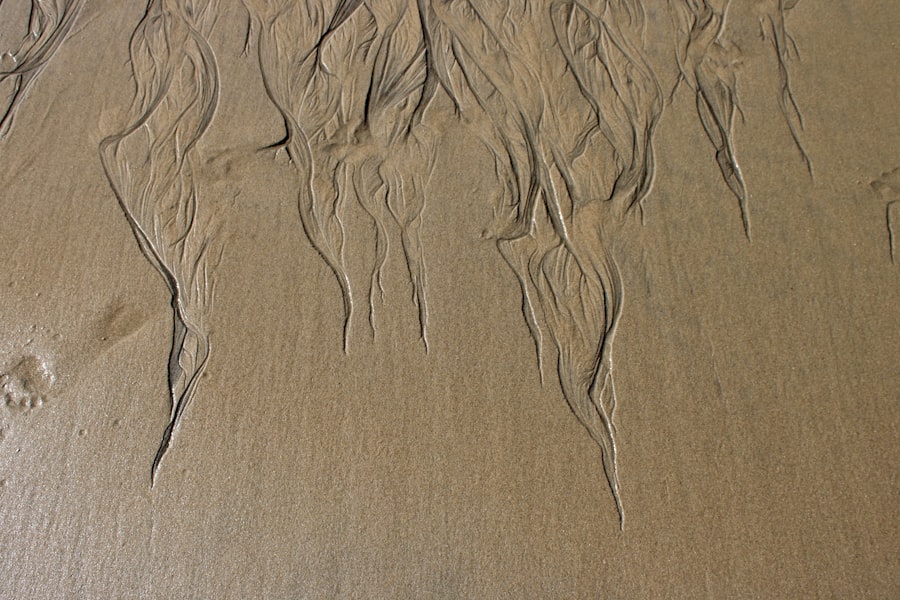
Mitigating the dust generated by the Great Salt Lake requires a multi-pronged approach focused on stabilizing the exposed lakebed. These techniques aim to bind the loose sediments, minimize wind erosion, and restore a degree of ecological function to the affected areas.
Revegetation Strategies: Planting the Seeds of Stability
One of the most effective long-term strategies for dust control is the reintroduction of vegetation. Plants, with their root systems and canopy cover, can significantly anchor the soil and reduce wind’s ability to dislodge particles.
Native Species Selection: Working with Nature
The key to successful revegetation lies in selecting plant species that are native to the Great Salt Lake region and are adapted to its harsh, saline, and arid conditions. These plants have evolved over millennia to thrive in this environment and are therefore more likely to survive and establish themselves.
Drought Tolerance and Salt Tolerance
Crucial attributes for any candidate species include high drought tolerance and salt tolerance. The soils of the exposed lakebed can be both dry and highly saline, presenting a challenging environment for plant establishment.
Deep Root Systems for Anchoring
Plants with deep and extensive root systems are particularly valuable. These roots act like an underground net, binding soil particles together and creating a more stable substrate that is less susceptible to wind erosion.
Strategic Planting and Water Management: Nudging Growth
While native species are hardy, their initial establishment can still be challenging. Strategic planting methods, such as hydroseeding or planting seedlings, can improve germination and survival rates. Careful, though limited, water management during the establishment phase may also be necessary in the most vulnerable areas.
Physical Stabilization Methods: Creating a Protective Shield
In areas where revegetation is slow to take hold or where erosion is particularly severe, physical stabilization methods can provide immediate and effective dust control.
Mulching and Hydroseeding: A Protective Blanket
Mulching, the application of organic or inorganic materials to the soil surface, can help retain moisture and suppress dust. Hydroseeding, a process that involves spraying a mixture of seed, mulch, and fertilizer onto the soil, can promote rapid initial vegetation growth and provide temporary cover.
Erosion Control Blankets and Mats: Woven Defenses
Erosion control blankets and mats, often made of natural fibers like straw or coconut coir, can be laid over the soil surface. These materials act as a physical barrier, reducing wind speed at the ground level and trapping fine particles. They also provide a microenvironment conducive to seed germination and seedling establishment.
Surface Roughening: Disrupting the Flow
Creating a roughened soil surface, through methods like tilling or discing, can also help reduce wind erosion. This disruption increases surface drag, slowing down the wind and making it less effective at lifting particles. The creation of small berms or furrows can also trap blowing dust.
Dust Suppressant Applications: A Chemical Cushion
Dust suppressants, applied to the soil surface, can bind fine particles together, reducing their susceptibility to wind erosion. These can be chemical or organic in nature.
Chemical Binders: Locking Down the Dust
Certain chemical compounds, such as magnesium chloride or calcium chloride, are hygroscopic, meaning they attract and retain moisture from the air. This moisture helps to keep the soil particles clumped together, reducing dust generation. Other synthetic polymers can also be used to bind soil particles.
Organic Binders: Nature’s Adhesive
Organic binders, derived from plant-based materials or byproducts, can also be effective. Lignosulfonates, for example, are a byproduct of the paper industry and can form a durable crust on the soil surface when dry.
Application Considerations: Precision and Persistence
The effective application of dust suppressants requires careful consideration of soil type, moisture levels, and wind conditions. Repeat applications are often necessary as the suppressants break down over time or are washed away by rain.
Monitoring and Adaptive Management: A Dynamic Watch

The Great Salt Lake is a dynamic system, and the effectiveness of dust management strategies must be continuously assessed and adapted. A robust monitoring program is essential to track changes in lake levels, dust production, and the success of various interventions.
Air Quality Monitoring: Listening to the Wind’s Toll
Comprehensive air quality monitoring networks are crucial for understanding the extent and impact of Great Salt Lake dust. These networks track particulate matter concentrations in communities surrounding the lake and in downwind areas.
Particulate Matter Measurement: Quantifying the Threat
Monitoring stations measure the concentration of different sizes of particulate matter (PM2.5 and PM10), which are indicators of air pollution and potential health risks. This data is vital for assessing the severity of the dust problem and identifying areas of greatest concern.
Identifying Emission Sources: Pinpointing the Dust Makers
By analyzing wind patterns and dust plumes, air quality models can help identify the specific areas of the exposed lakebed that are contributing the most to dust emissions. This information allows for more targeted and efficient management efforts.
Ecological Monitoring: Witnessing the Lake’s Recovery
Beyond air quality, monitoring the health of the remaining lake ecosystem and the success of stabilization efforts is equally important.
Vegetation Health and Cover: The Green Shield’s Strength
Assessing the survival rates, growth, and overall health of planted vegetation is a key indicator of revegetation success. Tracking the percentage of ground cover provided by vegetation helps determine its effectiveness in stabilizing the soil.
Salinity and Hydrology: The Lake’s Pulse
Monitoring the salinity levels and the remaining water volume of the Great Salt Lake provides a direct measure of the overall health of the ecosystem. Changes in these parameters can influence the types of vegetation that can survive and the overall susceptibility of the lakebed to erosion.
Adaptive Management Framework: Learning and Adjusting
The information gathered through monitoring feeds into an adaptive management framework. This approach recognizes that environmental problems are complex and that solutions may need to be adjusted as new information becomes available.
Evaluating Intervention Effectiveness: What Works, What Doesn’t
Regular evaluation of the effectiveness of different dust mitigation techniques is essential. Data on dust reduction, vegetation establishment, and cost-efficiency will inform future decisions about which strategies to prioritize and expand.
Adjusting Strategies and Resource Allocation: A Flexible Response
Based on monitoring results and evaluations, management strategies can be adjusted. This might involve shifting efforts to more vulnerable areas, experimenting with new techniques, or reallocating resources to the most successful interventions. The goal is a flexible and responsive approach that maximizes the impact of available resources.
Dust stabilization techniques are becoming increasingly important for managing the environmental challenges posed by the Great Salt Lake’s receding waters. As researchers explore various methods to mitigate dust emissions, a related article discusses innovative approaches that could enhance the effectiveness of these techniques. For more insights on this topic, you can read the article on dust control strategies at this link. Implementing these strategies could significantly improve air quality and protect public health in the surrounding areas.
Policy and Collaboration: A United Front Against Dust
| Dust Stabilization Technique | Application Area | Effectiveness (%) | Duration of Effectiveness | Environmental Impact | Notes |
|---|---|---|---|---|---|
| Water Spraying | Exposed lakebed surfaces | 40-60 | Short-term (hours to days) | Low, but requires frequent application | Temporary dust suppression, high water use |
| Vegetative Cover Establishment | Salt flats and adjacent areas | 70-85 | Long-term (months to years) | Positive, improves soil stability and habitat | Requires soil amendments and irrigation |
| Soil Binders (e.g., polymers, lignosulfonates) | High-traffic dust source areas | 65-80 | Medium-term (weeks to months) | Moderate, depends on chemical composition | Effective for roadways and pathways |
| Surface Roughening | Dry lakebed surfaces | 50-70 | Medium-term (weeks) | Low, mechanical disturbance only | Reduces wind velocity at surface |
| Salt Crust Formation | Exposed playa areas | 75-90 | Long-term (months to years) | Neutral to positive, natural process | Depends on natural salt precipitation |
Addressing the dust generated by the Great Salt Lake is a challenge that extends beyond the technical implementation of dust control measures. Effective policy decisions and strong interagency and community collaboration are indispensable for sustained success.
Interagency Coordination: Orchestrating the Effort
Numerous governmental agencies, at federal, state, and local levels, have a stake in the health of the Great Salt Lake and the management of its dust. Effective coordination among these entities is crucial to avoid duplication of effort, streamline regulations, and ensure a unified approach.
Federal and State Partnerships: Harmonizing Efforts
Collaborations between federal agencies like the Environmental Protection Agency (EPA) and state agencies such as the Utah Department of Environmental Quality are vital. These partnerships can help secure funding, share expertise, and align regulatory frameworks to support dust mitigation initiatives.
Local Government Engagement: Ground-Level Implementation
Local governments play a critical role in implementing dust control measures within their jurisdictions. Their active engagement is necessary for obtaining permits, facilitating on-the-ground projects, and ensuring that management strategies are tailored to local conditions.
Public Awareness and Stakeholder Engagement: Building Consensus
The issue of Great Salt Lake dust has significant implications for public health and the economy. Engaging the public and various stakeholders is essential for building support for dust management efforts and fostering a shared sense of responsibility.
Educating the Public: Illuminating the Problem
Comprehensive public education campaigns can inform communities about the causes of Great Salt Lake shrinkage, the risks associated with dust exposure, and the importance of dust mitigation efforts. Understanding the problem is the first step towards collective action.
Engaging Industry and Environmental Groups: Diverse Voices, Common Goals
Reaching out to industrial stakeholders, environmental organizations, and community groups is vital. These diverse voices can bring valuable perspectives, contribute to problem-solving, and build consensus around necessary policy changes and management strategies.
Legislative Action and Funding: The Backbone of Sustained Effort
Sustained and effective dust management requires dedicated legislative support and consistent funding. These elements provide the financial and regulatory framework necessary for implementing and maintaining crucial dust control projects.
Securing Dedicated Funding Streams: Fueling the Fight
Securing consistent and adequate funding is paramount. This might involve allocating state and federal funds, exploring innovative financing mechanisms, or establishing trust funds specifically dedicated to Great Salt Lake dust mitigation and ecosystem restoration.
Policy Frameworks for Water Conservation and Management: Addressing the Root Cause
While dust mitigation is crucial, addressing the root cause of the lake’s shrinkage is equally important. Legislative action that promotes water conservation, incentivizes efficient water use in agriculture and urban areas, and establishes robust water management plans is essential for the long-term health of the Great Salt Lake. Such policies can view water not as an inexhaustible commodity but as a precious resource that requires careful stewardship.
The management of dust from the Great Salt Lake is a complex and ongoing challenge, much like tending a vast, wounded garden. It requires a blend of scientific understanding, technological innovation, collaborative action, and unwavering commitment. The exposed lakebed, a stark reminder of diminishing water, may seem an insurmountable obstacle. However, through diligent application of these techniques, and a collective commitment to its preservation, the shimmering expanse of the Great Salt Lake, and the health of the region it sustains, can begin to recover. The wind may whisper tales of desolation, but with focused effort, these whispers can be gradually silenced by the rustling leaves of life returning to its shores.
FAQs
What is dust stabilization and why is it important for the Great Salt Lake area?
Dust stabilization refers to methods used to control and reduce dust emissions from exposed lakebed surfaces. It is important for the Great Salt Lake area because dust from the dry lakebed can carry harmful pollutants and impact air quality, public health, and the environment.
What are some common dust stabilization techniques used at the Great Salt Lake?
Common dust stabilization techniques include applying water or brine to wet the surface, using chemical stabilizers or binding agents, planting vegetation to hold soil in place, and creating physical barriers such as windbreaks or gravel cover.
How does vegetation help in stabilizing dust at the Great Salt Lake?
Vegetation helps stabilize dust by anchoring soil with roots, reducing wind erosion, and increasing surface moisture retention. Plants act as a natural barrier that prevents dust particles from becoming airborne.
Are there any environmental concerns associated with dust stabilization methods?
Yes, some chemical stabilizers may have environmental impacts if not carefully managed. Additionally, altering natural habitats or introducing non-native plants can affect local ecosystems. Therefore, dust stabilization efforts must balance effectiveness with environmental protection.
Who is responsible for implementing dust stabilization projects around the Great Salt Lake?
Dust stabilization projects are typically managed by a combination of state and local government agencies, environmental organizations, and sometimes private stakeholders. Collaboration is essential to address the complex challenges of dust control in the region.