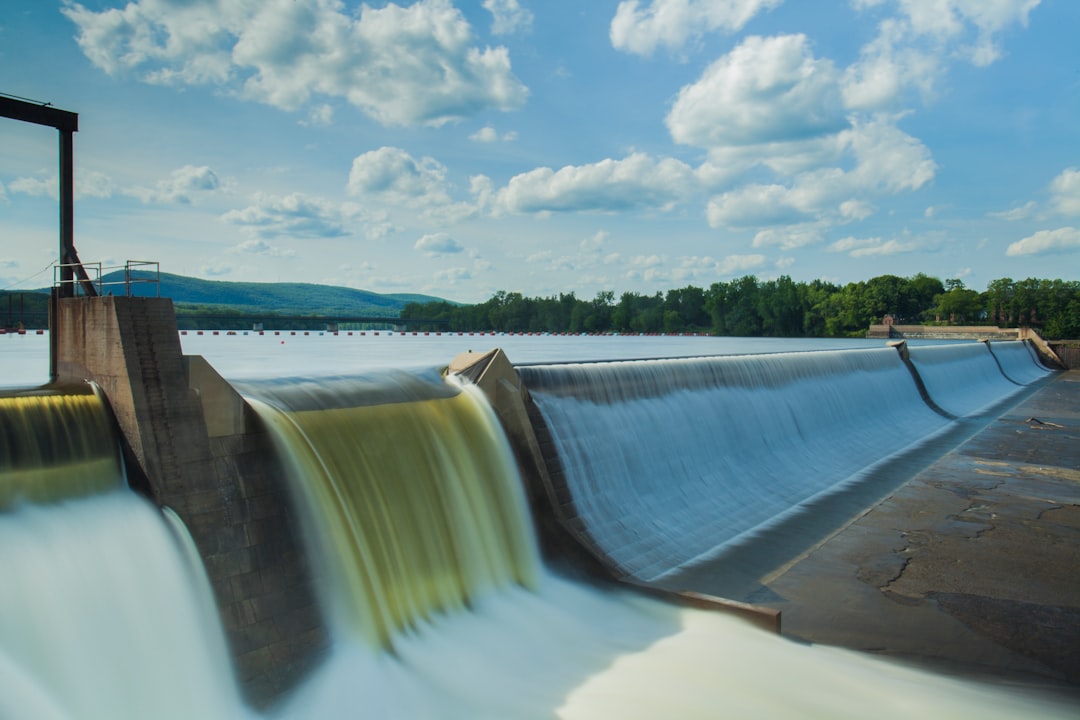
Drought is a natural phenomenon that can have profound effects on various sectors, particularly in regions where water resources are heavily relied upon for energy production. Hydropower, which generates electricity through the movement of water, is particularly vulnerable to the impacts of drought. When water levels in rivers and reservoirs drop due to prolonged dry spells, the capacity of hydropower plants to generate electricity diminishes significantly.
This reduction in water availability not only affects the output of these plants but also poses challenges for energy supply and grid stability. The implications of drought extend beyond mere electricity generation. In many regions, hydropower serves as a primary source of renewable energy, contributing to both local economies and national energy strategies.
As drought conditions persist, the reliability of hydropower can be compromised, leading to increased reliance on fossil fuels or other less sustainable energy sources. This shift not only undermines environmental goals but also raises concerns about energy security and price volatility in the market. Understanding these dynamics is crucial for policymakers and energy planners as they navigate the complexities of climate variability and its impact on hydropower.
Key Takeaways
- Drought significantly reduces hydropower generation, challenging energy supply and grid stability.
- Maintaining grid stability during drought requires integrating diverse energy sources and advanced management strategies.
- Innovations in hydropower technology and renewable energy integration help mitigate drought impacts.
- Effective policies and economic planning are crucial to address drought-related risks to hydropower and the grid.
- Successful case studies demonstrate adaptive approaches that enhance hydropower resilience and ensure reliable energy during droughts.
The Role of Hydropower in Grid Stability
Hydropower plays a critical role in maintaining grid stability, acting as a reliable source of baseload power that can be adjusted to meet fluctuating demand. Unlike some renewable energy sources, such as solar and wind, which are intermittent by nature, hydropower can provide a steady flow of electricity. This capability is particularly important during peak demand periods when energy consumption surges.
The ability to ramp up production quickly makes hydropower an essential component of a balanced energy portfolio. Moreover, hydropower facilities often have the capacity for energy storage through pumped storage systems. These systems allow excess electricity to be used to pump water back into reservoirs during low-demand periods, which can then be released to generate power when demand spikes.
This dual functionality enhances grid resilience, ensuring that electricity supply remains stable even in the face of unexpected disruptions or fluctuations in demand. As such, the role of hydropower in grid stability cannot be overstated, especially as the energy landscape evolves with increasing reliance on variable renewable sources.
Challenges of Managing Drought for Hydropower Plants
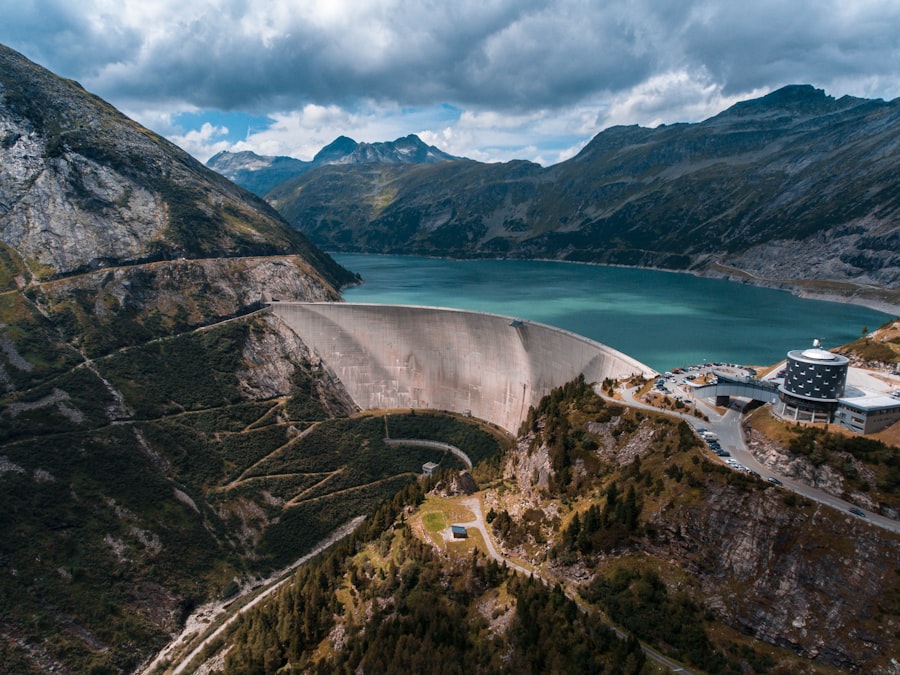
Managing drought conditions presents a myriad of challenges for hydropower plants. One of the most pressing issues is the unpredictability of water availability.
This uncertainty can lead to operational inefficiencies and increased costs as plants struggle to adapt to changing conditions. Additionally, prolonged droughts may necessitate difficult decisions regarding water allocation, particularly in regions where multiple stakeholders depend on the same water sources for agriculture, drinking water, and industrial use. Another challenge lies in the environmental impacts associated with reduced water flow.
Lower water levels can affect aquatic ecosystems, leading to changes in fish populations and other wildlife that rely on healthy river systems. Hydropower plants must navigate these ecological concerns while also meeting energy demands, creating a complex balancing act that requires careful management and collaboration with environmental agencies and local communities. The intersection of energy production and environmental stewardship becomes increasingly critical as drought conditions become more frequent and severe.
Strategies for Mitigating Drought’s Impact on Hydropower
To mitigate the impacts of drought on hydropower generation, several strategies can be employed. One effective approach is the implementation of advanced water management practices that optimize reservoir operations. By utilizing real-time data and predictive modeling, operators can make informed decisions about water releases and storage levels, ensuring that hydropower generation aligns with both current demand and future projections.
This proactive management can help maximize energy output during critical periods while preserving water resources for longer-term sustainability. Additionally, diversifying energy portfolios can enhance resilience against drought-related disruptions. By integrating other renewable energy sources such as solar and wind into the grid, utilities can reduce their dependence on hydropower during dry spells.
This diversification not only helps maintain grid stability but also supports a more sustainable energy future by minimizing reliance on fossil fuels. Furthermore, investing in energy efficiency measures can reduce overall demand, alleviating pressure on hydropower resources during times of drought.
The Importance of Grid Stability in the Context of Drought
| Metric | Description | Typical Range / Value | Impact on Grid Stability |
|---|---|---|---|
| Reservoir Water Level (m) | Height of water in hydropower reservoir | 500 – 1500 m | Lower levels reduce generation capacity, risking instability |
| Hydropower Generation Capacity (MW) | Maximum power output from hydropower plants | 100 – 2000 MW (varies by plant) | Reduced capacity during drought limits supply, increasing grid stress |
| Inflow Rate (m³/s) | Water inflow into reservoir | 50 – 500 m³/s | Lower inflow during drought decreases reservoir recharge |
| Grid Frequency Stability (Hz) | Frequency deviation from nominal 50/60 Hz | ±0.1 Hz | Hydropower variability can cause frequency fluctuations |
| Reserve Margin (%) | Extra generation capacity available beyond peak demand | 15 – 25% | Reduced hydropower lowers reserve margin, risking outages |
| Load Shedding Events | Number of times power supply is intentionally reduced | 0 – 5 per year (in drought conditions) | Increased during drought due to limited hydropower output |
| Energy Storage Capacity (MWh) | Capacity of batteries or pumped storage to balance supply | 100 – 1000 MWh | Helps mitigate hydropower variability during drought |
Grid stability is paramount in ensuring a reliable electricity supply, particularly during periods of drought when hydropower generation may be compromised. A stable grid minimizes the risk of blackouts and ensures that consumers have access to electricity when they need it most. In regions heavily reliant on hydropower, maintaining this stability becomes even more critical as drought conditions threaten to disrupt normal operations.
The importance of grid stability extends beyond immediate energy needs; it also has broader economic implications. A reliable electricity supply supports businesses and industries that depend on consistent power for their operations. Disruptions caused by drought-related reductions in hydropower output can lead to increased operational costs and lost productivity, ultimately affecting local economies.
Therefore, ensuring grid stability through effective management strategies is essential not only for energy security but also for economic resilience in the face of climate variability.
Innovations in Hydropower Technology for Drought Management
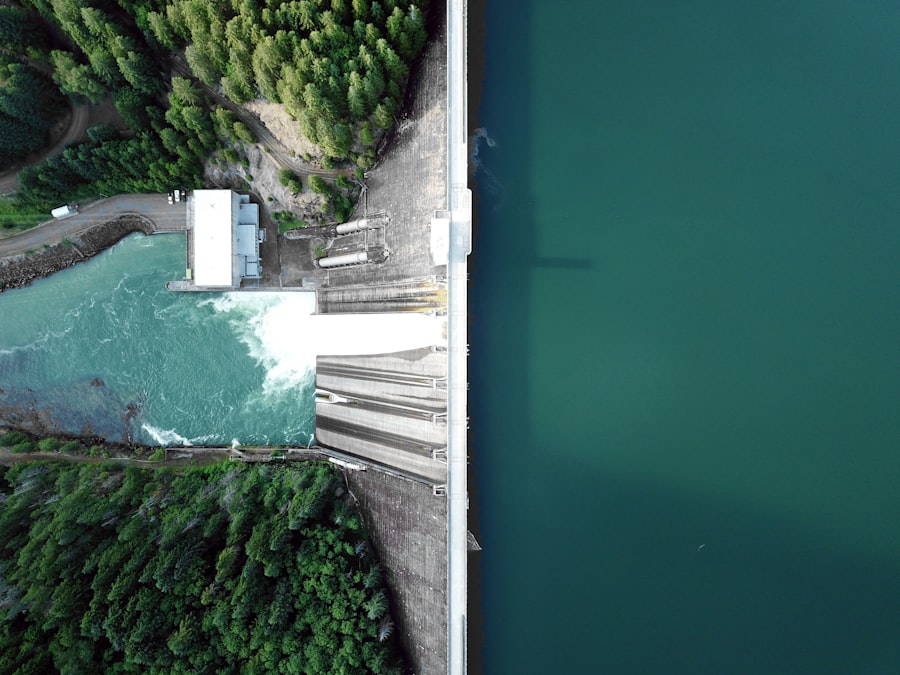
As the challenges posed by drought become more pronounced, innovations in hydropower technology are emerging to address these issues effectively. One notable advancement is the development of more efficient turbine designs that can operate effectively at lower water flows. These turbines allow hydropower plants to generate electricity even during periods of reduced water availability, thereby enhancing their operational flexibility.
Additionally, advancements in data analytics and monitoring technologies are enabling better decision-making regarding water resource management. Smart sensors and real-time data collection allow operators to track water levels, weather patterns, and energy demand more accurately than ever before. This information can inform operational adjustments that optimize energy production while conserving water resources during drought conditions.
By leveraging technology in this way, hydropower facilities can adapt more readily to changing environmental conditions and maintain their contributions to grid stability.
The Role of Renewable Energy in Supporting Grid Stability during Drought
Incorporating a diverse mix of renewable energy sources is crucial for supporting grid stability during drought conditions. While hydropower remains a significant player in many regions’ energy portfolios, integrating other renewables such as solar and wind can provide complementary benefits that enhance overall system resilience. For instance, solar power generation tends to peak during hot summer months when electricity demand is high, potentially offsetting reductions in hydropower output due to drought.
Moreover, advancements in battery storage technology are enabling greater integration of intermittent renewable sources into the grid. By storing excess energy generated during peak production times, these systems can release power when demand surges or when hydropower generation is low due to drought conditions. This synergy among various renewable technologies not only bolsters grid stability but also promotes a more sustainable energy landscape that reduces reliance on fossil fuels.
Policy Considerations for Managing Drought’s Impact on Hydropower
Effective policy frameworks are essential for managing the impacts of drought on hydropower generation and ensuring long-term sustainability. Policymakers must consider a range of factors, including water rights, environmental protections, and energy market dynamics when developing regulations that govern hydropower operations during drought conditions. Collaborative approaches that involve stakeholders from various sectors—such as agriculture, environmental advocacy groups, and energy providers—can lead to more balanced solutions that address competing interests.
Furthermore, investment in research and development is critical for advancing technologies that enhance drought resilience in hydropower systems. Governments can play a pivotal role by providing funding and incentives for innovative projects aimed at improving water management practices or developing new turbine technologies. By fostering an environment conducive to innovation, policymakers can help ensure that hydropower remains a viable and sustainable energy source even as climate challenges intensify.
The Economic Implications of Drought on Hydropower and Grid Stability
The economic implications of drought on hydropower generation are multifaceted and far-reaching. Reduced electricity output from hydropower plants can lead to increased electricity prices as utilities turn to more expensive fossil fuel sources to meet demand. This price volatility can have cascading effects throughout the economy, impacting businesses and consumers alike who rely on stable energy costs for their operations and daily lives.
Moreover, regions heavily dependent on hydropower may experience economic downturns during prolonged droughts due to decreased revenue from electricity sales. This situation can strain local governments and communities that depend on tax revenues generated from these facilities. As such, understanding the economic ramifications of drought on hydropower is essential for developing strategies that promote resilience and sustainability within affected regions.
Case Studies: Successful Approaches to Managing Drought’s Impact on Hydropower
Examining successful case studies provides valuable insights into effective strategies for managing drought’s impact on hydropower generation. One notable example is the use of advanced forecasting models implemented by certain utilities that allow them to anticipate drought conditions well in advance.
Another successful approach involves collaborative agreements between hydropower operators and agricultural stakeholders who share water resources from the same river systems. By establishing cooperative frameworks that prioritize both energy generation and agricultural needs during drought periods, these partnerships have demonstrated how effective communication and shared goals can lead to mutually beneficial outcomes for all parties involved.
The Future of Hydropower and Grid Stability in the Face of Drought
Looking ahead, the future of hydropower in relation to grid stability amid increasing instances of drought will likely hinge on continued innovation and adaptation within the sector. As climate change intensifies weather patterns and alters precipitation rates globally, hydropower facilities will need to evolve their operational strategies accordingly. Embracing new technologies that enhance efficiency and flexibility will be crucial for maintaining reliable electricity generation under challenging conditions.
Moreover, fostering collaboration among various stakeholders—including government agencies, private sector entities, and local communities—will be essential for developing comprehensive solutions that address both energy needs and environmental concerns. By prioritizing sustainability and resilience in policy frameworks and operational practices, the hydropower sector can continue to play a vital role in supporting grid stability even as it navigates the complexities posed by drought conditions in the future.
Drought conditions can significantly impact hydropower generation, leading to concerns about grid stability as reliance on this energy source increases. For a deeper understanding of how these factors interplay, you can read more in the article on MyGeoQuest, which discusses the implications of drought on hydropower and energy systems. Check it out here: MyGeoQuest.
FAQs
What is drought hydropower?
Drought hydropower refers to the generation of electricity from hydropower plants during periods of drought, when water levels in reservoirs and rivers are significantly reduced. This can impact the amount of electricity produced due to lower water availability.
How does drought affect hydropower generation?
Drought reduces the inflow of water to hydropower reservoirs, leading to lower water levels and decreased hydraulic head. This results in reduced electricity generation capacity and can limit the ability of hydropower plants to meet energy demand.
Why is grid stability important in the context of hydropower?
Grid stability ensures a continuous and reliable supply of electricity. Hydropower plants often provide flexible and renewable energy, helping to balance supply and demand. During droughts, reduced hydropower output can challenge grid stability by creating supply shortages or requiring alternative energy sources.
What measures can be taken to maintain grid stability during droughts?
To maintain grid stability during droughts, utilities may diversify energy sources, increase energy storage capacity, implement demand response programs, and enhance grid infrastructure. Additionally, integrating other renewable sources like solar and wind can help compensate for reduced hydropower output.
Can hydropower plants operate efficiently during drought conditions?
Hydropower plants can operate during droughts but often at reduced efficiency and capacity due to lower water availability. Some plants may implement operational adjustments to optimize output, but prolonged droughts can significantly limit generation.
How do droughts impact the overall energy mix?
Droughts can reduce the contribution of hydropower in the energy mix, leading to increased reliance on fossil fuels or other renewable sources. This shift can affect energy costs, emissions, and grid reliability.
Are there technological solutions to mitigate drought impacts on hydropower?
Yes, technological solutions include advanced forecasting tools, improved reservoir management, pumped storage systems, and hybrid renewable energy systems that combine hydropower with solar or wind to enhance reliability during droughts.
What role does climate change play in drought and hydropower stability?
Climate change is expected to increase the frequency and severity of droughts in many regions, posing challenges to hydropower generation and grid stability. Adaptation strategies and resilient energy planning are essential to address these impacts.