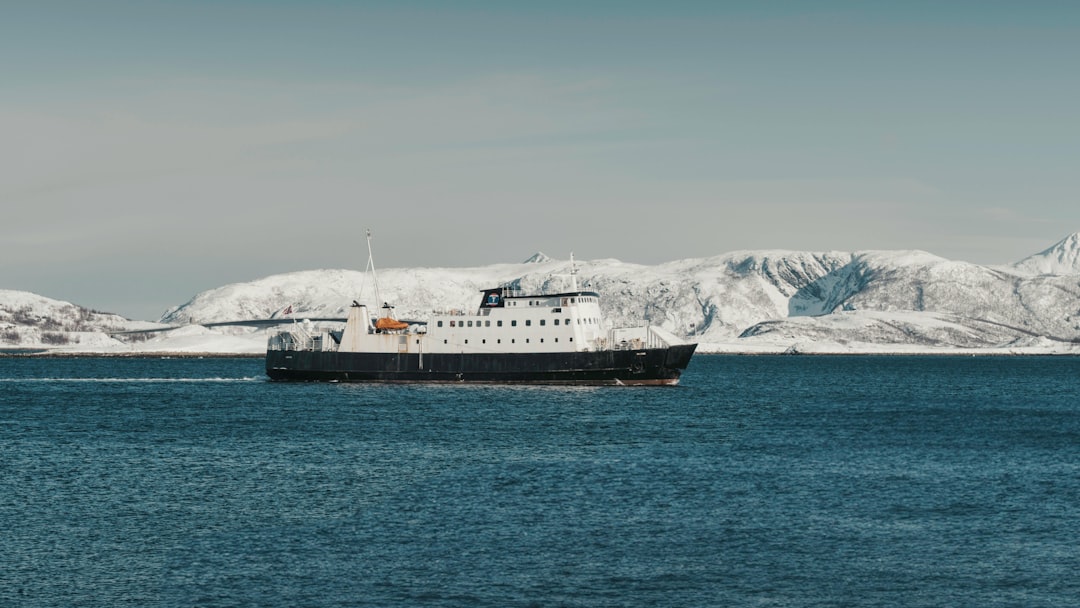
The Arctic environment presents unique challenges that significantly affect crew fatigue levels. The extreme cold, prolonged darkness during winter months, and the constant daylight of summer can disrupt circadian rhythms, leading to sleep disturbances and increased fatigue among crew members. The harsh weather conditions, including high winds and icy seas, can also contribute to physical and mental strain, making it difficult for crews to maintain focus and perform their duties effectively.
As a result, understanding these environmental factors is crucial for managing crew fatigue in Arctic shipping operations. Moreover, the isolation experienced in Arctic regions can exacerbate feelings of fatigue. Crew members often find themselves far from family and familiar support systems, which can lead to increased stress and anxiety.
The limited social interaction and recreational opportunities in such remote locations can further contribute to mental fatigue. Recognizing the multifaceted impact of Arctic conditions on crew well-being is essential for developing effective strategies to mitigate fatigue and ensure safe operations.
Key Takeaways
- Arctic conditions significantly increase crew fatigue, impacting safety and performance.
- Proper rest schedules and workload management are essential to mitigate fatigue in Arctic shipping crews.
- Training, psychological support, and wellness programs help crews cope with the unique challenges of Arctic environments.
- Technology and automation can reduce workload and assist in monitoring fatigue levels effectively.
- Collaboration with regulatory bodies and continuous evaluation of fatigue management strategies enhance safety in Arctic shipping operations.
Implementing Adequate Rest and Work Schedules for Arctic Shipping Crews
Establishing appropriate rest and work schedules is vital for maintaining crew performance in the demanding Arctic environment. A well-structured schedule that allows for adequate rest periods can help mitigate the effects of fatigue. This includes ensuring that crew members have sufficient time off between shifts to recuperate physically and mentally.
By adhering to scientifically-backed guidelines regarding work hours and rest periods, shipping companies can enhance crew alertness and overall operational safety. In addition to structured schedules, flexibility is also important. The unpredictable nature of Arctic weather can necessitate changes in work plans, which may disrupt established routines.
Therefore, shipping companies should be prepared to adapt schedules as needed while still prioritizing crew well-being. Implementing a system that allows for real-time adjustments based on environmental conditions can help ensure that crew members are not overworked, thereby reducing the risk of fatigue-related incidents.
Providing Training and Support for Crew Members Operating in Arctic Environments
Training plays a critical role in preparing crew members for the unique challenges of operating in Arctic environments. Comprehensive training programs should encompass not only technical skills but also strategies for managing fatigue and stress. Crew members should be educated about the signs of fatigue and the importance of self-care, enabling them to recognize when they need to take breaks or seek support.
This proactive approach can empower individuals to prioritize their well-being while on duty. Support systems are equally important in fostering a healthy work environment. Shipping companies should establish channels for crew members to communicate their concerns regarding fatigue or stress without fear of repercussions.
Regular check-ins with mental health professionals or counselors can provide additional support, helping crew members navigate the psychological challenges associated with working in such extreme conditions. By prioritizing training and support, companies can create a more resilient workforce capable of managing the demands of Arctic shipping.
Utilizing Technology and Automation to Reduce Crew Workload
The integration of technology and automation into Arctic shipping operations has the potential to significantly alleviate crew workload and reduce fatigue. Advanced navigation systems, automated machinery, and real-time monitoring tools can streamline various tasks, allowing crew members to focus on critical decision-making rather than routine operations. By minimizing manual labor and repetitive tasks, technology can help maintain crew alertness and efficiency.
Furthermore, technology can enhance communication among crew members and between vessels operating in the Arctic. Real-time data sharing regarding weather conditions, ice formations, and navigational hazards can improve situational awareness, enabling crews to make informed decisions quickly. This not only enhances safety but also reduces the cognitive load on crew members, allowing them to concentrate on their primary responsibilities without becoming overwhelmed by external factors.
Monitoring and Managing Crew Fatigue Levels in Arctic Shipping Operations
| Metric | Value | Unit | Notes |
|---|---|---|---|
| Average Crew Work Hours per Day | 12 | hours | Extended shifts common in polar operations |
| Average Sleep Duration | 5.5 | hours | Reduced due to operational demands and environmental factors |
| Incidence of Fatigue-Related Errors | 18 | % of total errors | Higher than temperate zone shipping operations |
| Average Temperature Range | -40 to 0 | °C | Extreme cold impacts crew alertness and equipment |
| Duration of Polar Night | 60 | days | Continuous darkness affects circadian rhythms |
| Number of Crew Members per Vessel | 20 | persons | Typical crew size for Arctic shipping vessels |
| Fatigue Management Training Hours | 8 | hours per crew member | Annual mandatory training |
| Average Incident Response Time | 15 | minutes | Can be delayed due to fatigue and environmental conditions |
Effective monitoring of crew fatigue levels is essential for ensuring safety in Arctic shipping operations. Implementing fatigue assessment tools, such as wearable devices that track sleep patterns and activity levels, can provide valuable insights into individual crew members’ well-being. These tools can help identify those at risk of fatigue before it becomes a significant issue, allowing for timely interventions.
In addition to technology-based monitoring, regular assessments through surveys or interviews can help gauge overall crew morale and fatigue levels. Shipping companies should encourage open dialogue about fatigue-related concerns, fostering an environment where crew members feel comfortable discussing their experiences. By actively managing fatigue levels through continuous monitoring and open communication, companies can enhance safety and operational efficiency in challenging Arctic conditions.
Addressing Psychological and Emotional Factors Contributing to Crew Fatigue

Crew fatigue is not solely a physical issue; psychological and emotional factors play a significant role as well. The isolation and harsh conditions of the Arctic can lead to feelings of loneliness, anxiety, and depression among crew members. Addressing these emotional challenges is crucial for maintaining overall well-being and preventing fatigue-related incidents.
Shipping companies should prioritize mental health resources, providing access to counseling services or support groups where crew members can share their experiences and coping strategies. Additionally, fostering a sense of community among crew members can help combat feelings of isolation. Team-building activities or social events, even in limited formats, can strengthen interpersonal relationships and create a supportive atmosphere onboard.
By addressing both psychological and emotional factors contributing to fatigue, shipping companies can cultivate a healthier work environment that promotes resilience among crew members.
Ensuring Adequate Nutrition and Wellness Programs for Arctic Shipping Crews
Nutrition plays a vital role in maintaining energy levels and combating fatigue among Arctic shipping crews. Providing access to nutritious meals that cater to the specific needs of crew members is essential for sustaining physical health during demanding operations. Shipping companies should prioritize meal planning that includes a variety of fresh fruits, vegetables, whole grains, and lean proteins to support optimal performance.
In addition to nutrition, wellness programs that promote physical activity and mental well-being are crucial for combating fatigue. Encouraging regular exercise through onboard fitness facilities or organized activities can help crew members manage stress and maintain their physical health. Furthermore, incorporating mindfulness practices or relaxation techniques into wellness programs can provide valuable tools for managing the psychological aspects of working in challenging environments.
By prioritizing nutrition and wellness initiatives, shipping companies can enhance crew resilience against fatigue.
Creating a Culture of Safety and Accountability in Arctic Shipping Operations
Establishing a culture of safety and accountability is paramount in mitigating crew fatigue within Arctic shipping operations. This culture should emphasize the importance of reporting fatigue-related concerns without fear of judgment or repercussions. Crew members must feel empowered to speak up when they are experiencing fatigue or when they observe signs of fatigue in their colleagues.
By fostering an environment where safety is prioritized over productivity, companies can reduce the risk of accidents caused by fatigued personnel. Leadership plays a crucial role in shaping this culture. Company executives and managers should lead by example, demonstrating their commitment to safety through transparent communication and proactive measures to address fatigue-related issues.
Regular training sessions focused on safety protocols and fatigue management should be integrated into company practices, reinforcing the message that crew well-being is a top priority.
Collaborating with Regulatory Bodies to Establish Guidelines for Managing Crew Fatigue in Arctic Shipping
Collaboration with regulatory bodies is essential for establishing comprehensive guidelines aimed at managing crew fatigue in Arctic shipping operations. By working together with organizations such as the International Maritime Organization (IMO) or national maritime authorities, shipping companies can contribute to the development of standardized protocols that address the unique challenges posed by Arctic conditions. These guidelines should encompass best practices for work schedules, rest periods, training requirements, and monitoring systems tailored specifically for Arctic environments.
By aligning with regulatory standards, shipping companies not only enhance their operational safety but also demonstrate their commitment to prioritizing crew welfare. This collaborative approach fosters a unified effort toward addressing the complex issue of crew fatigue in Arctic shipping.
Developing Emergency Response Plans for Fatigued Crew Members in Arctic Environments
In the unpredictable Arctic environment, having robust emergency response plans is crucial for addressing situations involving fatigued crew members. These plans should outline clear protocols for identifying signs of severe fatigue or related health issues among crew members.
Additionally, emergency response plans should include provisions for medical assistance or evacuation if necessary. Establishing partnerships with local medical facilities or emergency services familiar with Arctic conditions can enhance response capabilities during critical situations. By developing comprehensive emergency response plans tailored to address crew fatigue, shipping companies can safeguard the health and safety of their personnel while navigating challenging environments.
Evaluating the Effectiveness of Crew Fatigue Management Strategies in Arctic Shipping Operations
Regular evaluation of crew fatigue management strategies is essential for ensuring their effectiveness in Arctic shipping operations. Shipping companies should implement systematic assessments that measure the impact of various initiatives on crew well-being and operational safety. This could involve analyzing data related to incident reports, crew feedback surveys, and monitoring tools designed to track fatigue levels over time.
By continuously assessing these strategies, companies can identify areas for improvement and make necessary adjustments based on real-world experiences. Engaging with crew members during this evaluation process is crucial; their insights can provide valuable perspectives on what works well and what needs enhancement. Through ongoing evaluation efforts, shipping companies can refine their approaches to managing crew fatigue effectively while adapting to the ever-changing challenges presented by Arctic environments.
In the context of Arctic shipping, crew fatigue is a significant concern that can impact the safety and efficiency of polar operations. A related article that delves into the challenges faced by crews operating in these extreme conditions can be found at this link. It discusses the various factors contributing to fatigue and offers insights into potential solutions to enhance crew well-being during polar missions.
FAQs
What causes crew fatigue in Arctic shipping operations?
Crew fatigue in Arctic shipping is primarily caused by extreme weather conditions, long working hours, irregular sleep patterns, and the physical and mental demands of operating in a harsh polar environment.
Why is crew fatigue a significant concern in polar operations?
Fatigue can impair judgment, reduce alertness, and increase the risk of accidents and errors, which is particularly dangerous in the challenging and remote Arctic environment where rescue and assistance may be limited.
How do extreme Arctic conditions affect crew fatigue?
Extreme cold, continuous daylight or darkness, and harsh weather conditions disrupt normal circadian rhythms and increase physical and psychological stress, contributing to higher levels of fatigue among crew members.
What measures are taken to manage crew fatigue in Arctic shipping?
Measures include implementing regulated work-rest schedules, providing adequate rest facilities, monitoring crew health, using fatigue risk management systems, and ensuring proper training on fatigue awareness and mitigation.
Are there international regulations addressing crew fatigue in polar shipping?
Yes, the International Maritime Organization (IMO) has guidelines and regulations, such as the Polar Code, which include provisions to manage fatigue and ensure safe operations in polar waters.
How does fatigue impact safety during polar operations?
Fatigue can lead to slower reaction times, impaired decision-making, and decreased situational awareness, increasing the likelihood of accidents, equipment failure, and environmental incidents in polar shipping.
What role does technology play in reducing crew fatigue in Arctic shipping?
Technology such as automated systems, fatigue monitoring devices, and improved communication tools can help reduce workload, monitor alertness levels, and enhance overall safety for crews operating in polar regions.
Can proper nutrition and physical fitness help mitigate crew fatigue?
Yes, maintaining good nutrition and physical fitness supports overall health and resilience, helping crew members better cope with the physical and mental demands of Arctic shipping operations.
How important is crew training in managing fatigue during polar operations?
Training is crucial as it educates crew members about the risks of fatigue, teaches effective coping strategies, and ensures they understand the importance of adhering to rest schedules and safety protocols.
What challenges do shipping companies face in addressing crew fatigue in the Arctic?
Challenges include limited access to medical facilities, unpredictable weather, logistical constraints, the need for specialized equipment, and balancing operational demands with crew rest requirements in remote polar environments.