
The Brahmaputra River, one of the major rivers in the world, originates from the Tibetan plateau, flowing through China, India, and Bangladesh before emptying into the Bay of Bengal. The headwaters of this mighty river are located in the southwestern region of Tibet, where it is known as the Yarlung Tsangpo. This section of the river is not only significant for its geographical features but also for its cultural and ecological importance.
The headwaters serve as a vital source of water for millions of people who depend on the river for their livelihoods, agriculture, and daily needs. The unique ecosystem surrounding the headwaters is home to diverse flora and fauna, making it a critical area for biodiversity conservation. The Brahmaputra’s journey from its headwaters to its delta is marked by dramatic landscapes, including deep gorges and lush valleys.
As it traverses through various terrains, it shapes the lives of countless communities along its banks. The river’s significance extends beyond mere water supply; it is a lifeline that sustains agriculture, fisheries, and transportation. Understanding the dynamics of the Brahmaputra River headwaters is essential for effective management and conservation efforts, especially in light of increasing environmental pressures and climate change.
Key Takeaways
- The Brahmaputra River headwaters originate in the Himalayas and are crucial for the river’s flow and ecosystem.
- Managing the Brahmaputra River headwaters is important for ensuring water security, biodiversity conservation, and sustainable development in the region.
- Challenges in managing the Brahmaputra River headwaters include deforestation, soil erosion, and climate change impacts.
- Mismanagement of the headwaters can lead to loss of biodiversity, water pollution, and disruption of local communities’ livelihoods.
- Sustainable development strategies for the Brahmaputra River headwaters include afforestation, sustainable agriculture, and community-based conservation initiatives.
Importance of Managing the Brahmaputra River Headwaters
Effective management of the Brahmaputra River headwaters is crucial for several reasons. Firstly, these headwaters are integral to maintaining the hydrological balance in the region. They play a pivotal role in regulating water flow downstream, which directly impacts agricultural productivity and water availability for millions of people.
Proper management ensures that water resources are utilized sustainably, preventing over-extraction and ensuring that future generations can also benefit from this vital resource. Moreover, managing the headwaters is essential for preserving the unique ecosystems that thrive in this region. The biodiversity found in and around the Brahmaputra’s headwaters is not only important for ecological balance but also holds potential for scientific research and medicinal discoveries.
By implementing sustainable practices, stakeholders can protect these ecosystems from degradation while promoting conservation efforts that benefit both nature and local communities.
Challenges in Managing the Brahmaputra River Headwaters
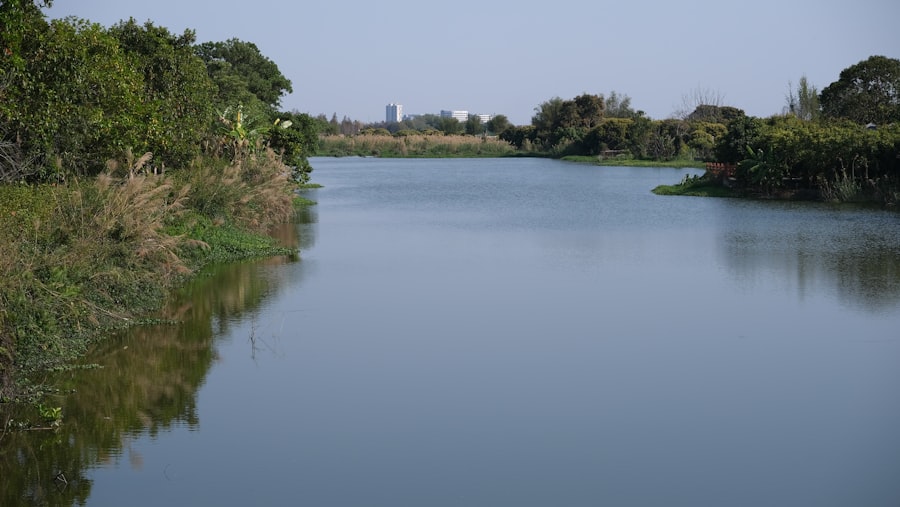
Despite its importance, managing the Brahmaputra River headwaters presents numerous challenges. One significant issue is the impact of climate change, which has led to unpredictable weather patterns and altered precipitation rates. These changes can result in both flooding and droughts, creating a precarious situation for those who rely on the river for their livelihoods.
The increased frequency of extreme weather events complicates water management strategies and necessitates adaptive measures to mitigate risks. Additionally, human activities such as deforestation, mining, and urbanization pose serious threats to the integrity of the headwaters. These activities can lead to soil erosion, sedimentation, and pollution, further exacerbating the challenges faced in managing this vital resource.
The lack of coordinated governance among the countries sharing the river basin adds another layer of complexity, as differing priorities and policies can hinder collaborative efforts aimed at sustainable management.
Environmental Impact of Mismanagement
| Environmental Impact of Mismanagement | Metrics |
|---|---|
| Deforestation | Acres of forest lost |
| Water Pollution | Chemical pollutants in water bodies |
| Air Pollution | CO2 emissions |
| Soil Degradation | Loss of arable land |
The consequences of mismanagement in the Brahmaputra River headwaters can be dire, affecting both the environment and local communities. One of the most pressing issues is habitat destruction, which can lead to a decline in biodiversity. As ecosystems are disrupted by pollution and unsustainable practices, many species face extinction or displacement.
This loss not only diminishes ecological richness but also undermines the cultural heritage of communities that have coexisted with these ecosystems for generations. Furthermore, mismanagement can exacerbate climate change impacts by reducing the river’s ability to regulate water flow effectively. Increased sedimentation from deforested areas can lead to altered river courses and increased flooding downstream.
Such events can devastate agricultural lands, displace communities, and create food insecurity. The ripple effects of environmental degradation extend beyond immediate ecological concerns; they threaten economic stability and social cohesion in regions dependent on the river’s resources.
Strategies for Sustainable Development
To address these challenges, a multifaceted approach to sustainable development is essential for managing the Brahmaputra River headwaters effectively. One strategy involves implementing integrated water resource management (IWRM) practices that consider the entire river basin’s health. This approach encourages collaboration among stakeholders at local, national, and international levels to develop comprehensive plans that balance water use with conservation efforts.
Additionally, promoting reforestation and sustainable land-use practices can help restore degraded areas around the headwaters. By enhancing vegetation cover, communities can reduce soil erosion and improve water quality while also providing habitats for wildlife. Education and awareness campaigns aimed at local populations can foster a sense of stewardship over natural resources, encouraging sustainable practices that benefit both people and the environment.
Role of Local Communities in Managing the Headwaters
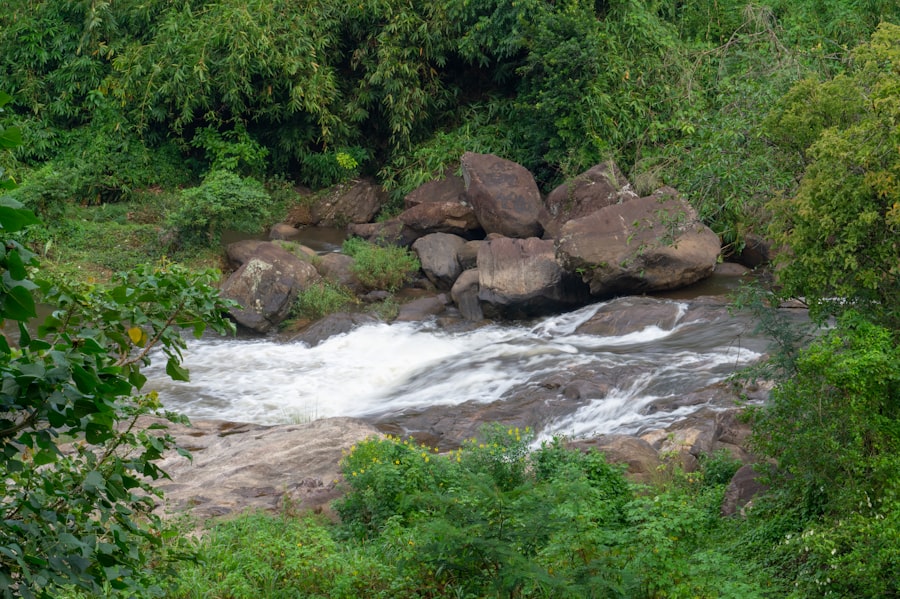
Local communities play a crucial role in managing the Brahmaputra River headwaters effectively. Their traditional knowledge and understanding of local ecosystems provide valuable insights into sustainable practices that have been honed over generations. Engaging these communities in decision-making processes ensures that their voices are heard and their needs are addressed in management strategies.
Empowering local populations through capacity-building initiatives can enhance their ability to manage resources sustainably. Training programs focused on sustainable agriculture, water conservation techniques, and biodiversity protection can equip communities with the tools they need to thrive while safeguarding their environment. By fostering a sense of ownership over natural resources, local communities can become active participants in conservation efforts, leading to more effective management outcomes.
International Cooperation for Managing the Brahmaputra River Headwaters
Given that the Brahmaputra River flows through multiple countries—namely China, India, and Bangladesh—international cooperation is paramount for effective management of its headwaters. Collaborative frameworks can facilitate information sharing, joint research initiatives, and coordinated responses to environmental challenges. Establishing transboundary agreements can help address issues such as water allocation, pollution control, and disaster management.
Regional organizations and forums can serve as platforms for dialogue among stakeholders from different countries. By fostering mutual understanding and trust, these platforms can pave the way for collaborative projects aimed at sustainable development in the Brahmaputra basin. Such cooperation not only enhances resource management but also strengthens diplomatic ties among nations sharing this vital waterway.
Balancing Economic Development with Environmental Conservation
Striking a balance between economic development and environmental conservation is a critical challenge in managing the Brahmaputra River headwaters. On one hand, there is a pressing need for economic growth to improve living standards and reduce poverty in the region. On the other hand, unchecked development can lead to environmental degradation that undermines long-term sustainability.
To achieve this balance, policymakers must prioritize sustainable development practices that promote economic growth while safeguarding natural resources. Investing in eco-friendly technologies and industries can create job opportunities without compromising environmental integrity. Additionally, promoting ecotourism can provide economic benefits while raising awareness about conservation efforts among visitors.
The Role of Government Policies in Sustainable Management
Government policies play a pivotal role in shaping the management strategies for the Brahmaputra River headwaters. Effective legislation that prioritizes environmental protection while promoting sustainable development is essential for long-term success.
Furthermore, governments should allocate resources towards monitoring and enforcement mechanisms to ensure compliance with environmental regulations. Engaging stakeholders from various sectors—including agriculture, industry, and civil society—in policy formulation can lead to more inclusive decision-making processes that reflect diverse interests and needs.
Potential for Renewable Energy Development
The Brahmaputra River holds significant potential for renewable energy development, particularly through hydropower generation. Harnessing this potential can provide clean energy solutions while reducing reliance on fossil fuels. However, careful planning is necessary to ensure that hydropower projects do not adversely impact local ecosystems or communities.
Investing in small-scale hydropower projects can offer localized energy solutions while minimizing environmental footprints compared to large dam constructions. Additionally, integrating renewable energy sources such as solar and wind power into regional energy strategies can diversify energy portfolios while promoting sustainability.
The Future of the Brahmaputra River Headwaters
The future of the Brahmaputra River headwaters hinges on effective management strategies that prioritize sustainability while addressing economic needs. As climate change continues to pose challenges to water resources globally, proactive measures must be taken to safeguard this vital ecosystem. By fostering collaboration among local communities, governments, and international stakeholders, there is potential to create a resilient framework for managing the river’s headwaters.
Ultimately, a holistic approach that balances environmental conservation with economic development will be key to ensuring that future generations can continue to benefit from the Brahmaputra River’s resources. With concerted efforts towards sustainable practices and cooperative governance, there lies hope for a thriving ecosystem that supports both people and nature along this magnificent river’s journey from its headwaters to its delta.
The management of the Brahmaputra River’s headwaters is crucial for mitigating flooding and ensuring sustainable water resources in the region.