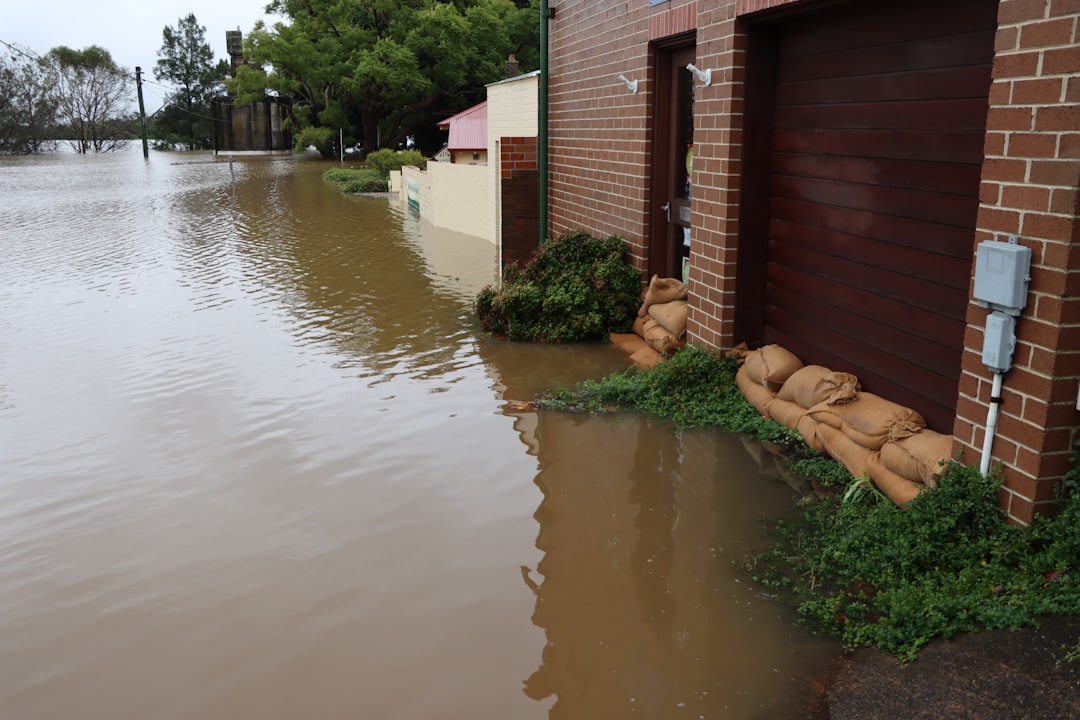
Managed retreat is a strategic approach to addressing the challenges posed by climate change, particularly in areas vulnerable to flooding, sea-level rise, and other environmental hazards. This concept involves the planned relocation of communities and infrastructure away from high-risk zones to safer areas. Unlike traditional responses that often focus on hard engineering solutions, such as levees and seawalls, managed retreat emphasizes a more holistic and sustainable approach.
The process of managed retreat is complex and multifaceted, requiring careful planning and consideration of various factors. It involves not only the physical relocation of people and structures but also the social, economic, and cultural implications of such moves.
Communities must grapple with the emotional toll of leaving their homes, as well as the logistical challenges of finding new places to live and work. As climate change continues to escalate, understanding managed retreat becomes crucial for policymakers, urban planners, and communities alike, as they seek to navigate the uncertain future ahead.
Key Takeaways
- Managed retreat involves relocating communities away from vulnerable flood zones to reduce risk and enhance safety.
- Government support and community engagement are crucial for successful managed retreat initiatives.
- Managed retreat offers environmental benefits by restoring natural floodplains and ecosystems.
- Economic factors and ethical considerations play significant roles in planning and implementing managed retreat.
- Integrating managed retreat with broader climate change adaptation strategies is essential for long-term resilience.
The Benefits of Managed Retreat
Managed retreat offers numerous benefits that extend beyond mere risk reduction. One of the most significant advantages is the potential for enhanced safety and resilience. By relocating communities away from hazardous areas, managed retreat can significantly reduce the risk of loss of life and property during extreme weather events.
This proactive approach allows communities to adapt to changing environmental conditions rather than merely reacting to them after disasters occur. In addition to safety, managed retreat can also foster economic revitalization in new locations. As communities relocate, they have the opportunity to develop infrastructure that is better suited to withstand future climate impacts.
This can lead to improved public services, enhanced transportation networks, and increased investment in sustainable practices. Furthermore, managed retreat can promote environmental restoration in vacated areas, allowing ecosystems to recover and thrive without human interference. By prioritizing both human safety and ecological health, managed retreat presents a comprehensive solution to the challenges posed by climate change.
The Role of Government in Managed Retreat
Government plays a pivotal role in the successful implementation of managed retreat strategies. Local, state, and federal agencies must collaborate to create policies that facilitate the relocation process while ensuring that affected communities receive adequate support. This includes providing financial assistance for displaced residents, developing new housing options, and investing in infrastructure improvements in safer areas.
Effective governance is essential for addressing the myriad challenges that arise during managed retreat, from legal hurdles to funding constraints. Moreover, government agencies must engage in transparent communication with communities throughout the managed retreat process. This involves not only informing residents about potential risks but also actively involving them in decision-making processes.
By fostering a sense of ownership and agency among community members, governments can build trust and ensure that relocation efforts are aligned with the needs and values of those affected. Ultimately, strong governmental leadership is crucial for navigating the complexities of managed retreat and ensuring its long-term success.
Community Engagement in Managed Retreat
| Metric | Description | Example Value | Measurement Method |
|---|---|---|---|
| Community Participation Rate | Percentage of local residents involved in managed retreat planning activities | 65% | Surveys and attendance records at public meetings |
| Number of Public Workshops | Total workshops held to discuss managed retreat strategies | 12 | Event logs and community calendars |
| Stakeholder Diversity Index | Measure of representation across different community groups (age, ethnicity, income) | 0.78 (scale 0-1) | Demographic analysis of participants |
| Community Satisfaction Score | Average satisfaction rating of community members regarding engagement process | 4.2/5 | Post-engagement surveys |
| Feedback Implementation Rate | Percentage of community suggestions incorporated into retreat plans | 55% | Plan revision tracking and meeting minutes |
| Communication Frequency | Number of updates or communications sent to the community per month | 3 | Email newsletters and social media posts |
| Trust Level | Degree of trust community members have in managing agencies | 3.8/5 | Community surveys and interviews |
Community engagement is a cornerstone of effective managed retreat initiatives. For any relocation effort to be successful, it is essential that residents feel heard and valued throughout the process. Engaging communities early on allows for a better understanding of their unique needs, concerns, and aspirations.
This participatory approach not only empowers residents but also fosters a sense of community resilience as they work together to navigate the challenges posed by climate change. Incorporating community input into managed retreat plans can lead to more tailored solutions that reflect local values and priorities. For instance, residents may have specific preferences regarding new housing designs or desired amenities in their future neighborhoods.
By actively involving community members in these discussions, planners can create environments that promote social cohesion and enhance quality of life. Furthermore, community engagement can help mitigate feelings of loss and displacement by fostering connections among residents as they transition to new locations.
Environmental Impacts of Managed Retreat
The environmental impacts of managed retreat are significant and multifaceted. One of the primary benefits is the opportunity for ecological restoration in areas that are vacated as communities relocate. When human activity diminishes in these regions, ecosystems can begin to recover from degradation caused by urban development and pollution.
Additionally, managed retreat can contribute to more sustainable land use practices. By relocating communities away from vulnerable areas, planners can prioritize conservation efforts in high-risk zones, protecting critical ecosystems such as wetlands and coastal habitats.
These natural buffers play a vital role in mitigating flooding and storm surges while providing essential services such as carbon sequestration and water filtration. Thus, managed retreat not only addresses immediate human safety concerns but also promotes long-term environmental health.
Challenges and Obstacles of Managed Retreat
Despite its potential benefits, managed retreat faces numerous challenges and obstacles that can hinder its implementation. One significant barrier is the emotional attachment individuals have to their homes and communities. The prospect of leaving behind familiar surroundings can evoke feelings of loss and resistance among residents.
Overcoming this emotional hurdle requires sensitive communication strategies and support systems that acknowledge the deep connections people have with their neighborhoods. Financial constraints also pose a considerable challenge to managed retreat efforts. Relocation can be costly, requiring substantial investment from governments and private entities alike.
Securing funding for such initiatives often involves navigating complex bureaucratic processes and competing priorities within government budgets. Additionally, disparities in resources among different communities can exacerbate inequalities in access to relocation assistance, making it essential for policymakers to address these disparities proactively.
Case Studies of Successful Managed Retreat Projects
Examining successful case studies of managed retreat projects provides valuable insights into best practices and lessons learned. One notable example is the relocation of the town of Newtok in Alaska, which has been forced to move due to severe erosion caused by climate change. The community has engaged in a comprehensive planning process that involves collaboration with state and federal agencies, as well as active participation from residents.
This case highlights the importance of community involvement in shaping relocation plans that reflect local needs. Another example is the managed retreat efforts in the city of Norfolk, Virginia, where local officials have implemented strategies to relocate vulnerable infrastructure away from flood-prone areas. By investing in new developments that prioritize resilience and sustainability, Norfolk has demonstrated how proactive planning can mitigate risks while enhancing community well-being.
These case studies illustrate that with careful planning, community engagement, and government support, managed retreat can be a viable solution for addressing climate-related challenges.
The Economics of Managed Retreat
The economics of managed retreat are complex and multifaceted, encompassing both short-term costs and long-term benefits. While the initial investment required for relocation can be substantial, it is essential to consider the potential savings associated with reduced disaster recovery expenses over time. By proactively relocating communities away from high-risk areas, governments can minimize future expenditures related to emergency response efforts and infrastructure repairs following extreme weather events.
Moreover, managed retreat can stimulate economic growth in new locations by attracting investment and fostering job creation in safer areas. As communities transition to more resilient environments, they may also benefit from increased property values and improved quality of life. However, it is crucial for policymakers to conduct thorough cost-benefit analyses that account for both direct financial implications and broader social impacts when evaluating managed retreat initiatives.
Integrating Managed Retreat with Climate Change Adaptation
Integrating managed retreat with broader climate change adaptation strategies is essential for creating comprehensive solutions to environmental challenges. Rather than viewing managed retreat as a standalone response, it should be considered part of a larger framework that includes measures such as sustainable land use planning, infrastructure improvements, and ecosystem restoration efforts. This holistic approach allows communities to address multiple facets of climate vulnerability simultaneously.
Furthermore, integrating managed retreat with climate adaptation efforts can enhance overall resilience by promoting collaboration among various stakeholders. For instance, partnerships between government agencies, non-profit organizations, and local communities can lead to innovative solutions that leverage diverse expertise and resources. By fostering a collaborative environment focused on shared goals, communities can better navigate the complexities of climate change while ensuring that managed retreat aligns with broader adaptation objectives.
Ethical Considerations in Managed Retreat
The ethical considerations surrounding managed retreat are profound and warrant careful examination. One key issue is the potential for inequities in how relocation efforts are implemented across different communities. Vulnerable populations may face greater challenges in accessing resources or support during the relocation process, raising questions about fairness and justice in decision-making.
It is imperative for policymakers to prioritize equity by ensuring that all affected individuals receive adequate assistance regardless of their socioeconomic status. Additionally, ethical considerations extend to the preservation of cultural heritage during managed retreat initiatives. Communities often have deep-rooted histories tied to their locations; thus, relocating individuals may result in the loss of cultural identity or historical significance associated with specific places.
Engaging communities in discussions about how to honor their heritage during relocation efforts is essential for fostering a sense of dignity and respect throughout the process.
The Future of Managed Retreat as a Flood Zone Solution
As climate change continues to intensify the frequency and severity of flooding events worldwide, the future of managed retreat as a viable solution becomes increasingly relevant. Policymakers must recognize that traditional approaches may no longer suffice in protecting vulnerable communities from rising waters and extreme weather conditions. Managed retreat offers a forward-thinking alternative that prioritizes safety while promoting sustainable land use practices.
Looking ahead, it will be crucial for governments at all levels to invest in research and development aimed at refining managed retreat strategies further. This includes exploring innovative financing mechanisms that can support relocation efforts while ensuring equitable access for all affected individuals. Additionally, fostering collaboration among stakeholders will be essential for sharing knowledge and best practices across regions facing similar challenges.
In conclusion, managed retreat represents a proactive response to the pressing challenges posed by climate change-induced flooding and other environmental hazards. By understanding its complexities, benefits, challenges, and ethical considerations, communities can better navigate this transformative process while working towards a more resilient future.
Managed retreat is an increasingly important strategy for communities facing the challenges of climate change and rising sea levels, particularly in flood-prone areas. A related article that delves into the implications and strategies of managed retreat can be found on MyGeoQuest, which discusses various approaches and case studies. For more information, you can read the article here: MyGeoQuest.
WATCH THIS! The $50 Billion Lie: America’s Dams Are About to Fail (60-Minute Documentary)
FAQs
What is a managed retreat flood zone strategy?
A managed retreat flood zone strategy involves the planned and coordinated relocation of people, infrastructure, and assets away from areas at high risk of flooding. This approach aims to reduce vulnerability and long-term flood damage by allowing natural floodplains to absorb water.
Why is managed retreat used in flood-prone areas?
Managed retreat is used to minimize the impact of frequent or severe flooding by moving communities and infrastructure out of harm’s way. It helps reduce economic losses, protect lives, and restore natural floodplain functions.
How does managed retreat differ from other flood management methods?
Unlike structural measures such as levees or floodwalls, managed retreat focuses on relocating people and assets rather than trying to hold back floodwaters. It emphasizes adaptation and resilience by working with natural processes.
What are the key components of a managed retreat flood zone strategy?
Key components include risk assessment, community engagement, land acquisition or easements, planning for relocation, environmental restoration, and long-term monitoring and maintenance.
Who is responsible for implementing managed retreat strategies?
Implementation typically involves collaboration among local, regional, and national government agencies, community organizations, environmental groups, and sometimes private landowners.
What challenges are associated with managed retreat?
Challenges include securing funding, addressing social and cultural impacts, legal and property rights issues, community resistance, and ensuring equitable relocation processes.
Can managed retreat be combined with other flood management approaches?
Yes, managed retreat can be part of an integrated flood risk management plan that includes structural defenses, early warning systems, and land-use planning.
What are the environmental benefits of managed retreat?
Managed retreat can restore natural habitats, improve water quality, increase biodiversity, and enhance the capacity of floodplains to absorb and slow floodwaters.
How long does it take to implement a managed retreat strategy?
The timeline varies widely depending on the scale, community involvement, funding, and regulatory processes, ranging from several years to decades.
Is managed retreat a permanent solution to flooding?
Managed retreat is considered a long-term adaptation strategy that reduces flood risk by relocating assets out of vulnerable areas, but ongoing monitoring and adaptation may still be necessary due to changing climate and land conditions.