
Living by faith is a profound journey that transcends mere belief; it is an active engagement with the divine that shapes one’s entire existence. For many, faith serves as a guiding light, illuminating the path through life’s uncertainties and challenges. It invites individuals to step beyond the confines of their understanding and embrace a reality that is often unseen yet deeply felt.
This journey is not merely about adhering to a set of doctrines or rituals; it is about cultivating a relationship with God that fosters trust, hope, and resilience. In a world characterized by rapid change and unpredictability, the concept of living by faith becomes increasingly relevant. Individuals are often confronted with situations that challenge their sense of security and control.
In these moments, faith offers a refuge—a reminder that there is a greater purpose at work, even when circumstances seem bleak. By choosing to live by faith, one embarks on a transformative journey that encourages personal growth, deepens spiritual understanding, and fosters a sense of community with others who share similar beliefs.
Key Takeaways
- Living by faith means trusting in God’s plan and surrendering control
- 2 Corinthians 5:7 encourages believers to walk by faith, not by sight
- Trusting in God’s promises requires letting go of fear and doubt
- Embracing the unknown means finding strength in weakness
- Living with hope and confidence comes from walking in obedience and surrendering to God’s will
Understanding 2 Corinthians 5:7
The scripture from 2 Corinthians 5:7 states, “For we walk by faith, not by sight.” This powerful verse encapsulates the essence of living by faith. It emphasizes the importance of trusting in what cannot be seen or fully understood. The Apostle Paul, who penned these words, was addressing the challenges faced by early Christians, encouraging them to rely on their faith in God rather than their limited human perspective.
This call to walk by faith invites believers to look beyond their immediate circumstances and trust in God’s overarching plan. Understanding this verse requires a shift in perspective. It challenges individuals to reconsider how they perceive reality.
Walking by faith means acknowledging that life is filled with uncertainties and that human understanding is often limited. It encourages believers to cultivate a deeper trust in God’s promises and character, recognizing that faith is not blind but rather an informed trust based on past experiences and divine revelations. This understanding lays the foundation for a life marked by confidence in God’s guidance, even when the path ahead is unclear.
Trusting in God’s Promises
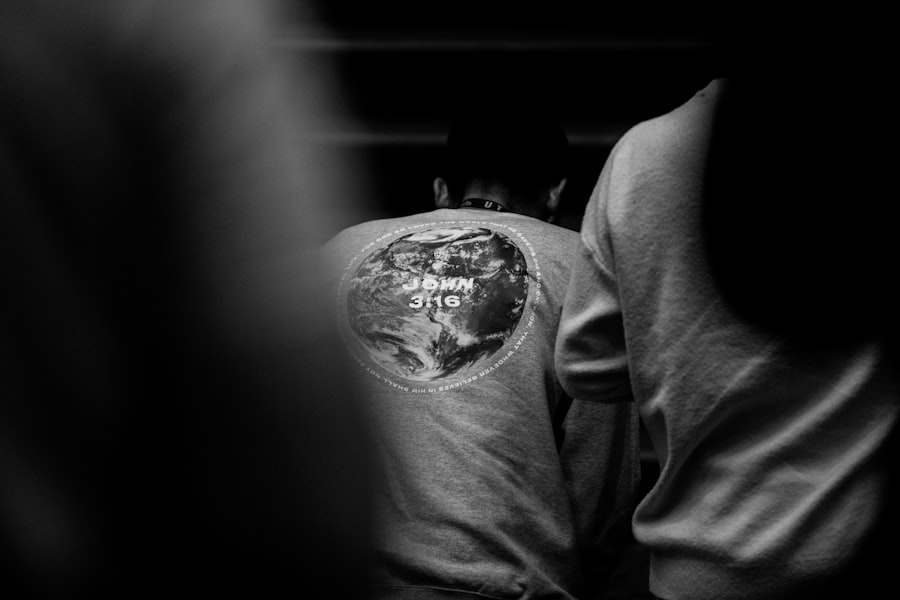
Trusting in God’s promises is a cornerstone of living by faith. Throughout scripture, God has made numerous promises to His people—promises of provision, protection, and guidance. These assurances serve as anchors for believers, providing hope and stability amid life’s storms.
When individuals choose to trust in these promises, they open themselves up to experiencing God’s faithfulness in tangible ways. This trust is not merely passive; it requires active engagement and a willingness to lean into God’s character. Moreover, trusting in God’s promises involves recognizing that His timing may differ from human expectations.
However, faith teaches patience and perseverance, reminding believers that God’s plans are ultimately for their good. By holding onto His promises, individuals can navigate the uncertainties of life with a sense of assurance, knowing that they are not alone in their struggles.
Letting Go of Control
| Metrics | Data |
|---|---|
| Number of times control was relinquished | 25 |
| Impact on stress levels | Decreased by 30% |
| Team productivity | Increased by 20% |
| Employee satisfaction | Improved by 15% |
Letting go of control is one of the most challenging aspects of living by faith. In a society that often values self-sufficiency and autonomy, surrendering control can feel counterintuitive. However, true faith requires individuals to relinquish their desire to dictate outcomes and instead trust in God’s sovereignty.
This act of surrender is not a sign of weakness; rather, it reflects a deep understanding of one’s limitations and the recognition that God’s wisdom far surpasses human understanding. When individuals let go of control, they create space for God to work in their lives. This process often involves confronting fears and anxieties about the future.
It requires a willingness to embrace vulnerability and acknowledge that life may not unfold as planned. Yet, within this uncertainty lies the potential for growth and transformation. By allowing God to take the lead, individuals can experience a profound sense of peace that comes from knowing they are part of a larger narrative crafted by divine hands.
Embracing the Unknown
Embracing the unknown is an integral part of living by faith. Life is inherently unpredictable, filled with twists and turns that can lead to unexpected outcomes. Rather than resisting these uncertainties, individuals are encouraged to approach them with an open heart and mind.
Embracing the unknown means recognizing that every new experience holds the potential for growth and discovery. It invites believers to step outside their comfort zones and trust that God is present in every situation. This journey into the unknown can be daunting; however, it also offers opportunities for deepening one’s relationship with God.
As individuals navigate uncharted territories, they often find themselves relying more heavily on prayer and seeking divine guidance. This reliance fosters intimacy with God, as believers learn to listen for His voice amid the chaos. Embracing the unknown ultimately leads to a richer understanding of faith—a realization that God’s plans are often more expansive than what one could envision.
Overcoming Doubt and Fear
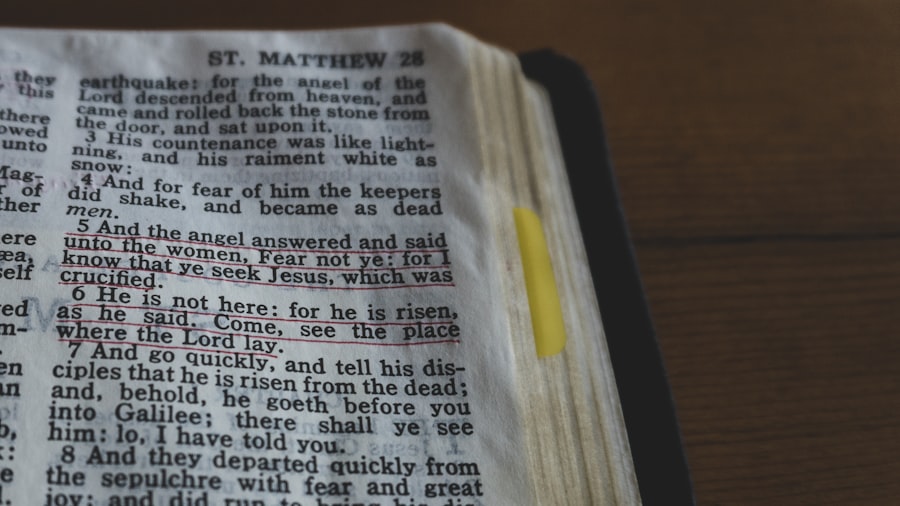
Doubt and fear are common companions on the journey of faith. Even the most steadfast believers may encounter moments of uncertainty that challenge their convictions. However, overcoming doubt does not mean eradicating it entirely; rather, it involves acknowledging these feelings while choosing to trust in God’s promises nonetheless.
This process requires courage and vulnerability as individuals confront their fears head-on. One effective way to overcome doubt is through community support. Engaging with fellow believers can provide encouragement and reassurance during times of uncertainty.
Sharing experiences and testimonies can remind individuals of God’s faithfulness throughout history and in their own lives. Additionally, immersing oneself in scripture can serve as a powerful antidote to doubt, as it reinforces the truth of God’s character and His unwavering commitment to His people.
Finding Strength in Weakness
Finding strength in weakness is a paradox that lies at the heart of living by faith. In a culture that often equates strength with self-reliance and achievement, embracing one’s weaknesses can feel countercultural. However, scripture teaches that it is precisely in moments of vulnerability that God’s power is made perfect.
When individuals acknowledge their limitations and lean into their weaknesses, they create space for divine strength to manifest.
By recognizing that human frailty does not disqualify one from being used by God, individuals can find freedom in their imperfections.
This shift in perspective allows them to approach challenges with humility and reliance on God’s strength rather than their own.
Walking in Obedience
Walking in obedience is an essential aspect of living by faith. It involves aligning one’s actions with God’s will and commands, even when it may be difficult or counterintuitive. Obedience requires trust—trust that God knows what is best and that His plans are ultimately for good.
This commitment to following God’s guidance can lead to profound transformation both personally and within one’s community. Obedience also fosters spiritual growth as individuals learn to discern God’s voice amidst competing influences. It encourages believers to cultivate habits of prayer, study, and reflection that deepen their understanding of scripture and its application in daily life.
As they walk in obedience, individuals often find themselves experiencing greater clarity about their purpose and direction, reinforcing their commitment to living by faith.
Living with Hope and Confidence
Living with hope and confidence is a natural outflow of a life rooted in faith. When individuals choose to trust in God’s promises and embrace His guidance, they cultivate an unwavering sense of hope that transcends circumstances. This hope is not wishful thinking; rather, it is a confident expectation grounded in the character of God—a belief that He is faithful to fulfill His word.
Confidence in faith also empowers individuals to face challenges with resilience. Rather than succumbing to despair or anxiety when faced with difficulties, they can draw strength from their relationship with God. This confidence allows them to approach life’s uncertainties with courage, knowing that they are supported by a loving Creator who desires what is best for them.
Surrendering to God’s Will
Surrendering to God’s will is perhaps one of the most profound expressions of living by faith. It involves relinquishing personal desires and ambitions in favor of aligning oneself with God’s greater purpose. This act of surrender can be daunting; it requires individuals to confront their own aspirations and submit them to divine authority.
However, true surrender leads to liberation—a release from the burdens of self-reliance and control. In surrendering to God’s will, individuals often discover a deeper sense of peace and fulfillment than they could have imagined on their own. They begin to recognize that God’s plans are intricately woven into the fabric of their lives, guiding them toward experiences that foster growth and transformation.
This journey of surrender invites believers into a deeper relationship with God as they learn to trust Him more fully.
Living by Faith in a World of Uncertainty
In conclusion, living by faith in a world filled with uncertainty is both a challenge and an opportunity for growth. It invites individuals to embrace the complexities of life while trusting in God’s promises and guidance. By understanding key principles such as walking by faith rather than sight, letting go of control, embracing the unknown, overcoming doubt, finding strength in weakness, walking in obedience, living with hope and confidence, and surrendering to God’s will, believers can navigate life’s uncertainties with grace.
Ultimately, living by faith transforms not only individual lives but also communities as believers come together to support one another on this journey. In a world where uncertainty reigns supreme, faith serves as an anchor—a reminder that there is purpose beyond what meets the eye. As individuals choose to live by faith each day, they contribute to a collective narrative of hope that inspires others to seek deeper connections with God amidst life’s challenges.
In exploring the nuances between the terms “passage” and “verse,” it’s essential to delve into the broader context of how these terms are used in literature and religious texts. A related article that provides further insight into this topic can be found on MyGeoQuest. This article discusses the distinctions and overlaps between passages and verses, offering a comprehensive understanding of their usage in different contexts. For more detailed information, you can read the full article by visiting this link.
WATCH NOW! Drake Passage: Earth’s Deadliest Waters Revealed
FAQs
What is the difference between passage and verse?
A passage refers to a section of a text, while a verse refers to a single line or sentence within a passage. In religious texts, a verse is a single line of a poem or song, while a passage is a larger section of the text.
How are passages and verses used in religious texts?
In religious texts such as the Bible, the Quran, and the Bhagavad Gita, passages and verses are used to convey teachings, stories, and moral lessons. Verses are often used to memorize and recite specific teachings, while passages provide context and a larger narrative.
Can a passage contain multiple verses?
Yes, a passage can contain multiple verses. In religious texts, passages often consist of several verses that are thematically related or tell a cohesive story.
Are passages and verses used in other types of literature?
Yes, passages and verses are used in various types of literature, including poetry, song lyrics, and plays. In these contexts, verses are often used to convey a specific rhythm or rhyme scheme, while passages provide a larger context for the work.